

Winter can be harsh on outdoor surfaces, especially for homeowners and businesses that rely on the durability and beauty of basalt pavers. From icy walkways to salt-covered driveways, the cold season brings unique challenges that can damage even the toughest materials. At Citadel Stone, we understand the importance of protecting your investment. That’s why we’ve created this in-depth guide to help you winter-proof your basalt pavers, ensuring they remain stunning and functional year after year.
In this article, we’ll explore three critical aspects of winter-proofing: salt resistance, ice damage prevention, and managing freeze-thaw cycles. By the end, you’ll have practical, actionable tips to safeguard your basalt pavers from winter’s worst. Let’s dive in.
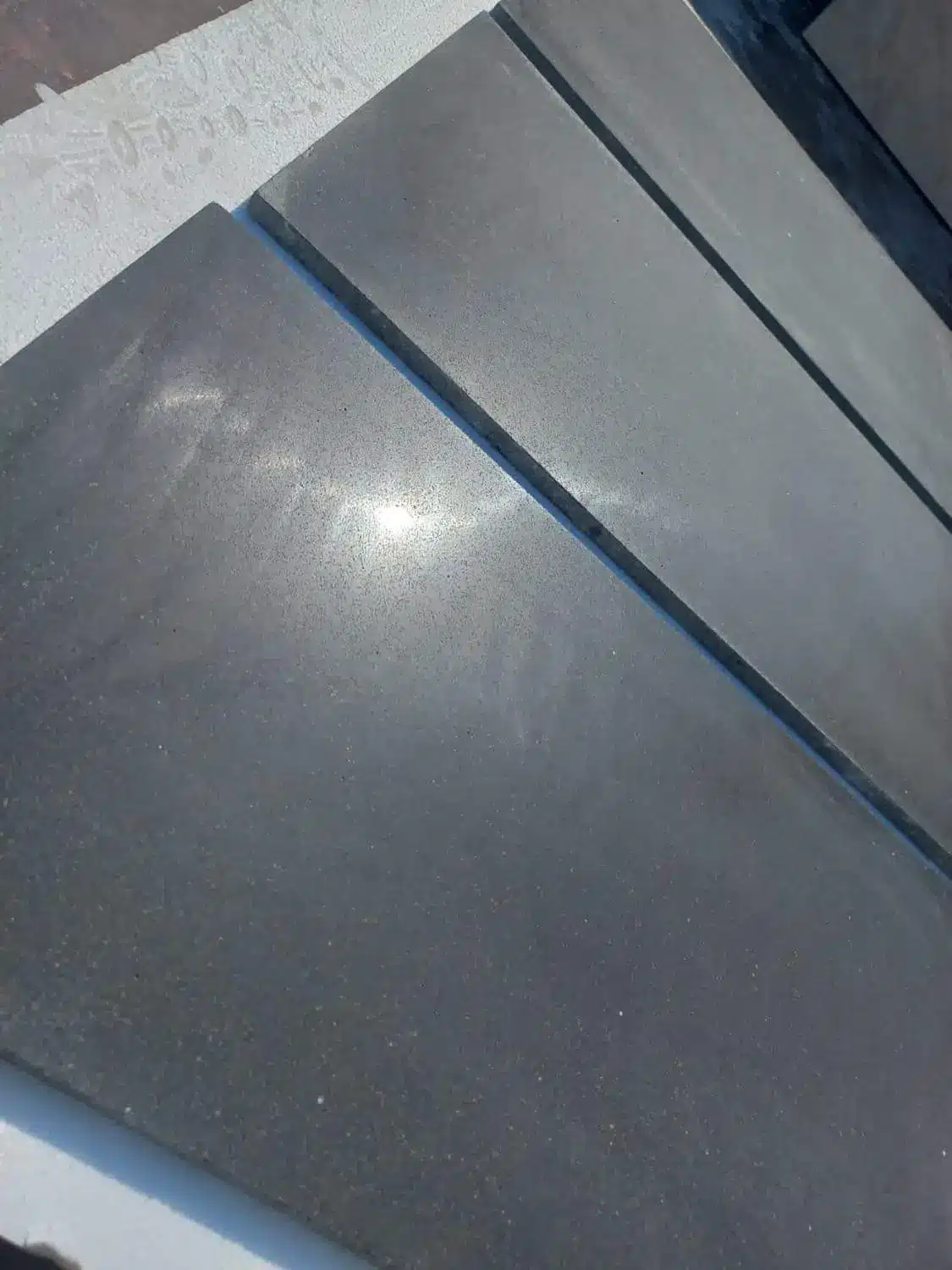
Why Winter-Proofing Basalt Pavers Matters
Basalt pavers are a premium choice for outdoor spaces due to their natural strength, sleek appearance, and resilience. However, even these robust stones can suffer under winter conditions if not properly protected. Here’s why winter-proofing is essential:
- Salt Damage: De-icing salts can erode the surface of pavers, leading to pitting or discoloration.
- Ice Formation: Ice can cause cracks or make surfaces slippery, posing safety risks.
- Freeze-Thaw Cycles: Repeated freezing and thawing can weaken pavers, causing them to chip or break.
By taking proactive steps, you can prevent these issues and extend the life of your basalt pavers. At Citadel Stone: enduring elegance, unmatched quality, we recommend a combination of preventive measures and regular maintenance to keep your pavers in top shape.
Understanding Basalt Pavers: A Quick Overview
Before we delve into winter-proofing techniques, let’s briefly review what makes basalt pavers special.
What Are Basalt Pavers?
Basalt is a volcanic rock formed from cooled lava, resulting in a dense, fine-grained stone. Its natural properties include:
- High Compressive Strength: Basalt can withstand heavy loads, making it ideal for driveways and patios.
- Low Porosity: With minimal water absorption, basalt resists moisture-related damage.
- Thermal Stability: It handles temperature fluctuations well, which is crucial for winter climates.
These characteristics make basalt pavers a top choice for outdoor installations, but they still require protection from winter’s unique challenges.
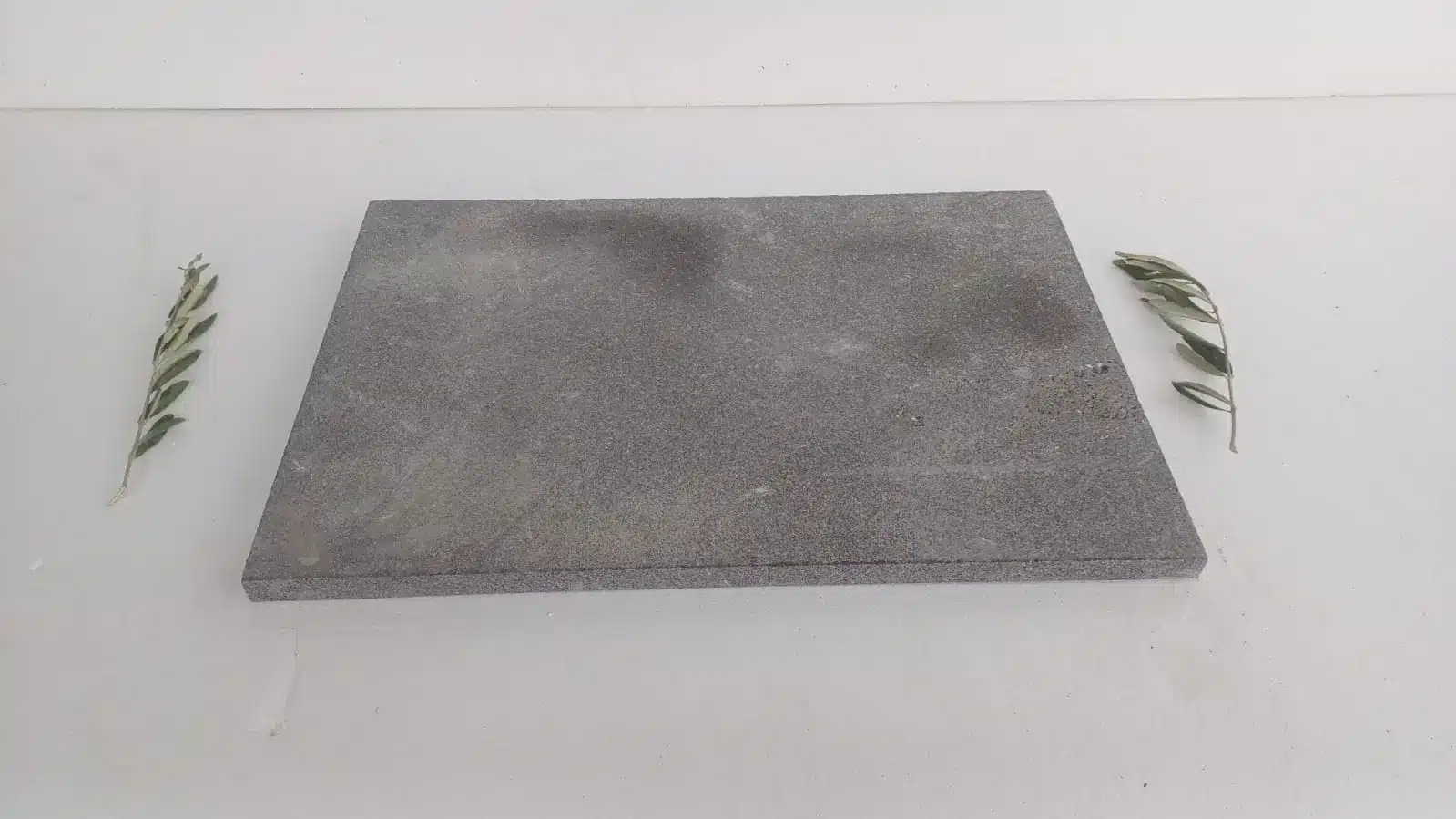
Salt Resistance: Protecting Basalt Pavers from De-Icing Chemicals
Salt is a common tool for melting ice, but it can be a double-edged sword for pavers. While it clears walkways, it can also cause surface damage over time. Here’s how to manage salt use effectively.
How Salt Affects Basalt Pavers
De-icing salts, such as sodium chloride or calcium chloride, work by lowering the freezing point of water. However, they can:
- Erode the Surface: Salt can cause tiny pits or rough patches on the paver surface.
- Discoloration: Repeated salt exposure may lead to a whitish residue or fading.
- Corrode Sealants: Some sealants break down under salt exposure, reducing their effectiveness.
Choosing the Right De-Icing Product
Not all de-icing agents are created equal. For basalt pavers, consider these safer alternatives:
- Calcium Magnesium Acetate (CMA): A less corrosive option that’s gentler on stone surfaces.
- Sand or Kitty Litter: These provide traction without chemical damage, though they don’t melt ice.
- Urea-Based Products: These are less harmful but may not be as effective in extreme cold.
At Citadel Stone, we recommend avoiding traditional rock salt (sodium chloride) whenever possible to preserve your pavers’ integrity.
Best Practices for Applying De-Icers
If you must use salt, follow these tips to minimize damage:
- Use Sparingly: Apply only what’s necessary to melt ice—less is more.
- Pre-Treat Surfaces: Apply a thin layer before a storm to prevent ice from bonding.
- Rinse After Winter: In spring, hose down pavers to remove salt residue.
- Seal Your Pavers: A high-quality sealant can create a protective barrier against salt penetration.
Sealants for Salt Resistance
Sealants are your first line of defense. For basalt pavers, choose a penetrating sealant designed for natural stone. These sealants:
- Repel Water and Salt: By reducing absorption, they limit salt’s ability to penetrate the stone.
- Enhance Durability: They protect against surface erosion and staining.
At Citadel Stone, our experts can recommend the best sealant for your specific paver installation.
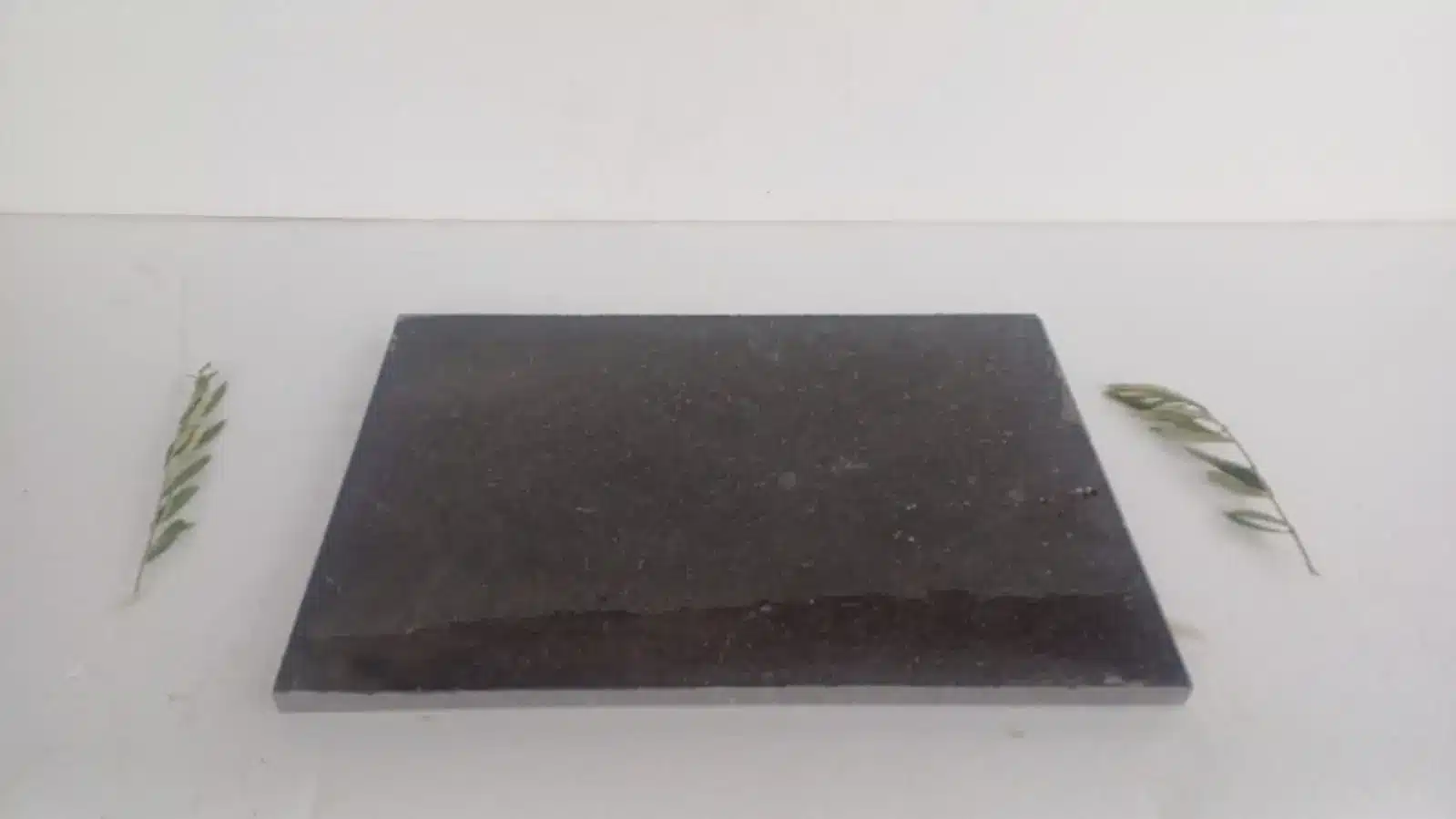
Preventing Ice Damage on Basalt Pavers
Ice is a winter menace that can make surfaces slippery and cause physical damage to pavers. Here’s how to keep ice at bay and protect your investment.
Why Ice Is a Problem
When water seeps into paver joints or micro-cracks and freezes, it expands, leading to:
- Cracking or Spalling: The expansion can cause the stone to chip or flake.
- Joint Separation: Ice can push pavers apart, destabilizing the surface.
- Slip Hazards: Ice-covered pavers are dangerous for foot traffic.
Strategies to Prevent Ice Formation
Preventing ice starts with proper installation and maintenance:
- Ensure Proper Drainage: Slope your paver surface slightly to allow water to run off, reducing pooling.
- Use Joint Sand: Polymeric sand hardens when wet, creating a barrier that limits water infiltration into joints.
- Apply Sealants: Sealants reduce water absorption, making it harder for ice to form.
- Clear Snow Promptly: Remove snow before it melts and refreezes into ice.
Safe Ice Removal Techniques
When ice does form, remove it carefully to avoid damaging the pavers:
- Use Plastic Shovels: Metal tools can scratch or chip the stone.
- Apply Sand for Traction: This provides grip without harming the surface.
- Avoid Chemical De-Icers If Possible: Opt for mechanical removal methods first.
For stubborn ice, a warm water and salt solution can be used sparingly, but rinse the area afterward to prevent salt buildup.
Managing Freeze-Thaw Cycles for Basalt Pavers
Freeze-thaw cycles are one of the most damaging aspects of winter for any outdoor surface. Here’s how to protect your basalt pavers from this natural process.
What Are Freeze-Thaw Cycles?
Freeze-thaw cycles occur when water trapped in or around pavers freezes and expands, then thaws and contracts. Over time, this can:
- Cause Cracks: The repeated expansion and contraction weaken the stone.
- Lead to Surface Flaking: Known as spalling, this results in a rough, pitted texture.
- Destabilize the Base: If water penetrates beneath the pavers, it can erode the foundation.
Why Basalt Pavers Handle Freeze-Thaw Cycles Well
Basalt’s natural properties make it more resistant to freeze-thaw damage than many other materials:
- Low Porosity: With less than 1% water absorption, basalt limits the amount of water that can enter the stone.
- High Density: Its compact structure reduces the risk of internal cracking.
- Thermal Stability: Basalt can endure temperature fluctuations without significant expansion or contraction.
However, even basalt pavers need proper care to maximize their resilience.
Tips to Minimize Freeze-Thaw Damage
Follow these steps to protect your pavers from freeze-thaw cycles:
- Install a Proper Base: A well-compacted base with adequate drainage prevents water from pooling beneath the pavers.
- Use Edge Restraints: These keep pavers tightly interlocked, reducing movement during freeze-thaw cycles.
- Fill Joints with Polymeric Sand: This sand creates a flexible yet stable joint that resists water infiltration.
- Seal the Pavers: A sealant adds an extra layer of protection against moisture.
- Repair Cracks Promptly: If you notice any damage, fix it before winter to prevent water from entering.
At Citadel Stone, we offer professional installation services to ensure your basalt pavers are set up for success from day one.
Additional Winter-Proofing Tips for Basalt Pavers
Beyond salt, ice, and freeze-thaw cycles, here are a few more strategies to keep your pavers in peak condition throughout winter:
Regular Cleaning
- Sweep Away Debris: Leaves, dirt, and salt can accumulate and cause staining.
- Rinse with Water: A gentle hose-down removes salt residue and prevents buildup.
Protective Mats or Covers
- Use Mats for High-Traffic Areas: Place mats at entryways to reduce salt and dirt tracked onto pavers.
- Cover Unused Areas: If possible, cover pavers that won’t be used during winter to shield them from the elements.
Professional Maintenance
- Schedule an Annual Inspection: Have a professional check for any signs of damage or wear.
- Reapply Sealant as Needed: Most sealants last 2-3 years—check with Citadel Stone for recommendations.
Basalt Pavers in the USA: Diverse Projects and Successful Installations
Real Orders, Real Deliveries
We only publish projects we have actually supplied. See our Las Vegas white limestone delivery — two containers, 6,884 sq ft, 32 crates, shipped door to door — and how we supplied Creative Environments in Arizona with 21 containers across a 70,000+ sq ft installation: white limestone pavers and tiles, shellstone and Ocean Reef pavers.
Had Citadel Stone material installed on your project? Send us your photos and we will feature the work here, with your permission.
Conclusion: Protect Your Investment with Citadel Stone
Winter-proofing your basalt pavers is essential to maintaining their beauty and functionality. By focusing on salt resistance, ice damage prevention, and managing freeze-thaw cycles, you can ensure your outdoor spaces remain safe and stunning, no matter how harsh the winter.
At Citadel Stone, we’re committed to helping you get the most out of your basalt pavers. From selecting the right products to offering expert installation and maintenance advice, our team is here to support you every step of the way. Contact us today to learn more about our winter-proofing solutions or to schedule a consultation.