

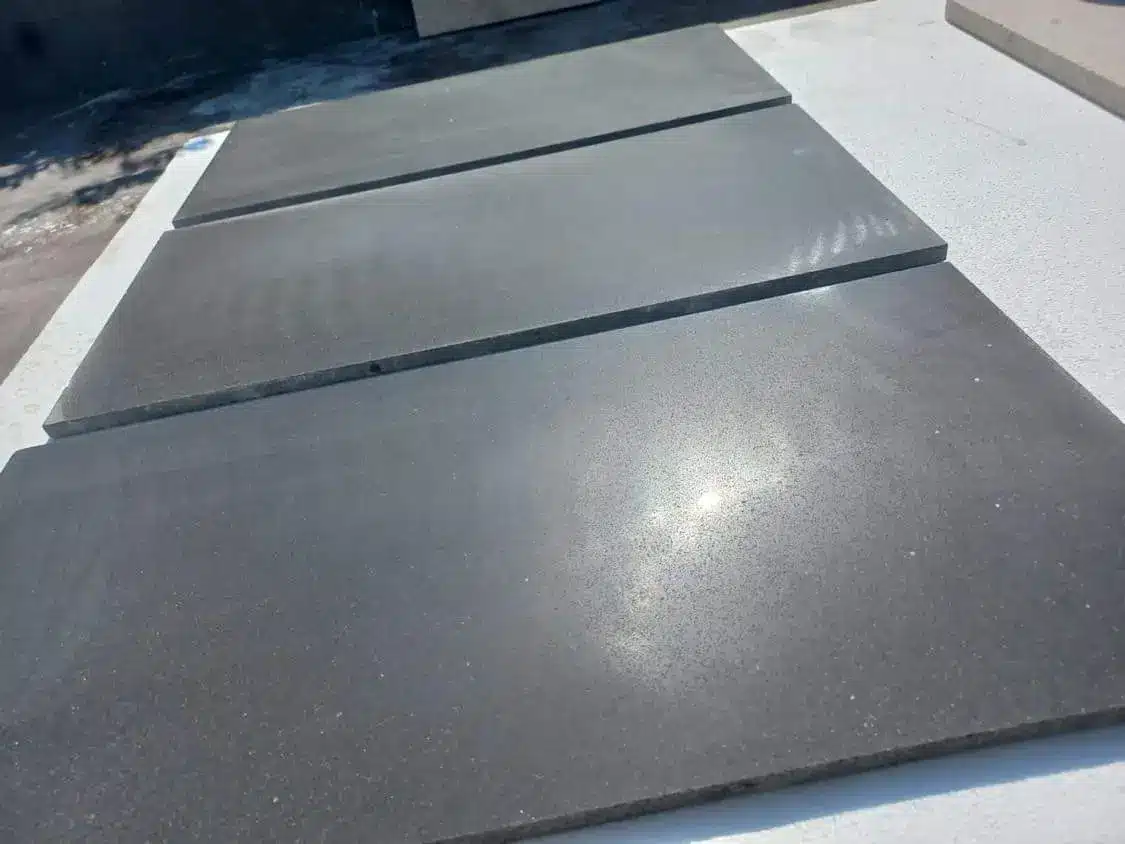
Basalt pavers are a top-tier choice for creating stunning, durable driveways and patios. Crafted from volcanic rock, these natural stone pavers offer unmatched strength, a sleek aesthetic, and eco-friendly benefits. At Citadel Stone: inspiring architecture with nature’s finest, we pride ourselves on delivering high-quality basalt pavers that elevate outdoor spaces with timeless elegance. Whether you’re a DIY enthusiast, a homeowner, or a contractor, this comprehensive guide will walk you through the entire process of installing basalt pavers—from planning to finishing touches. Let’s dive in!
Introduction to Basalt Pavers
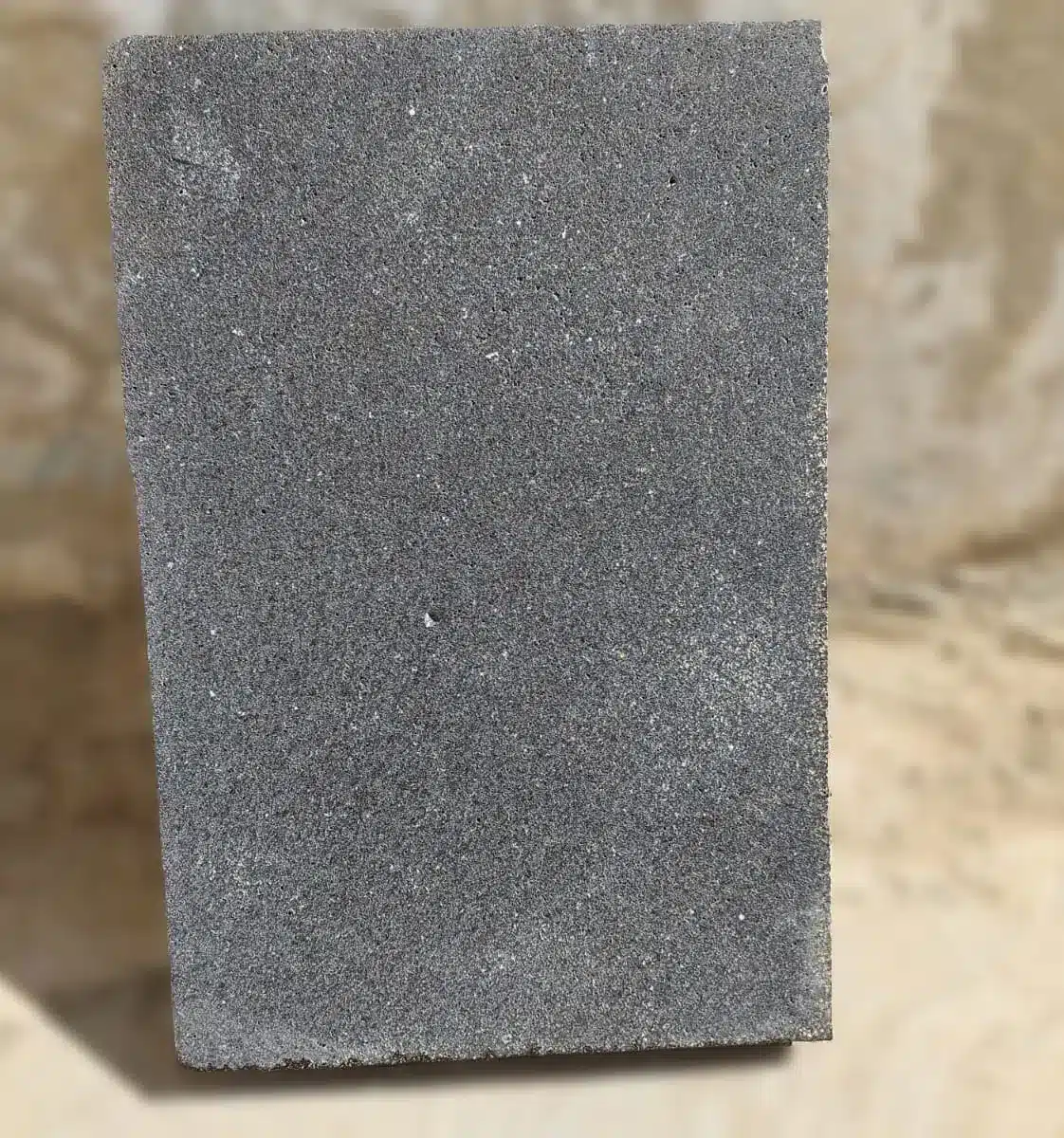
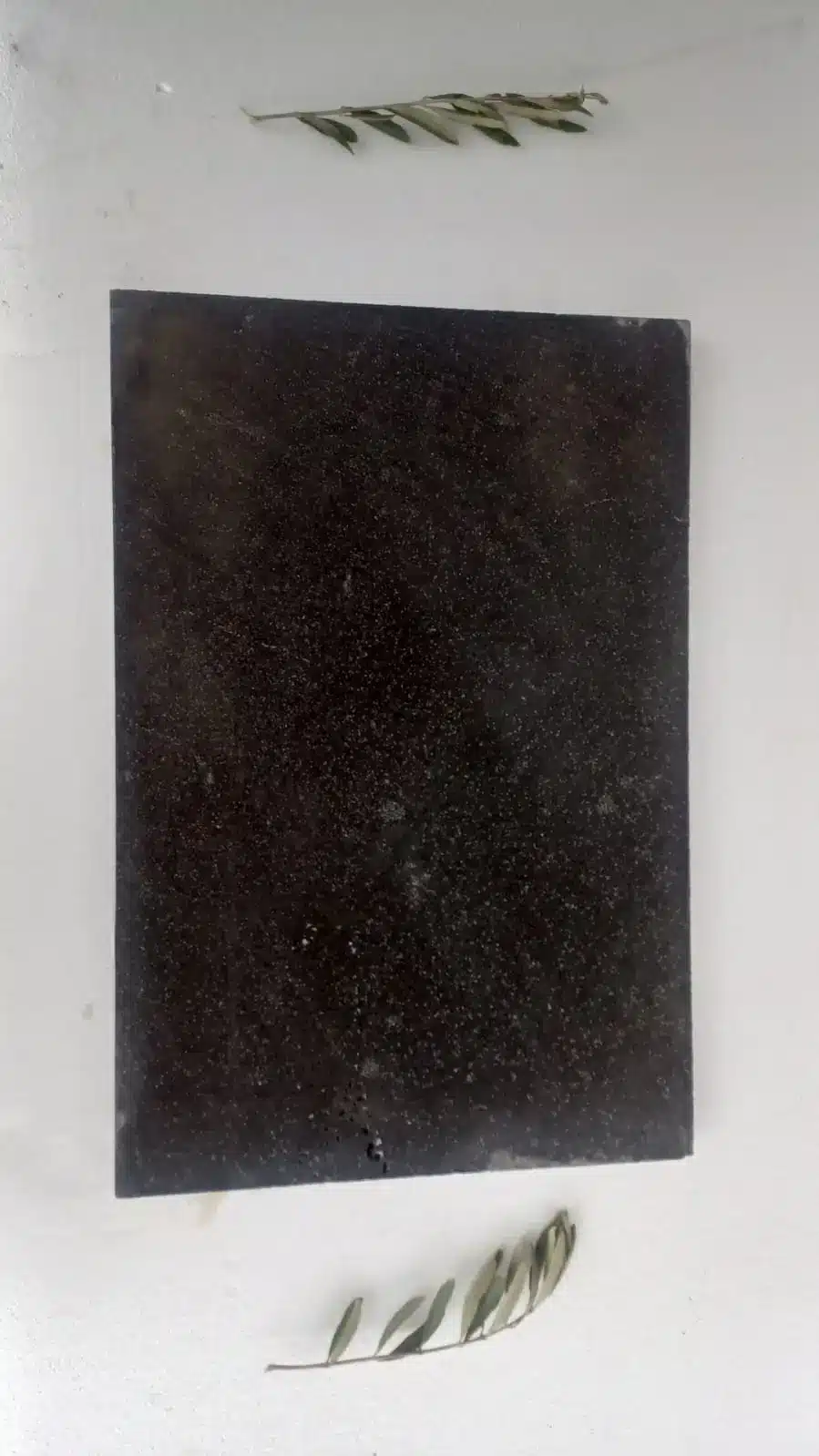
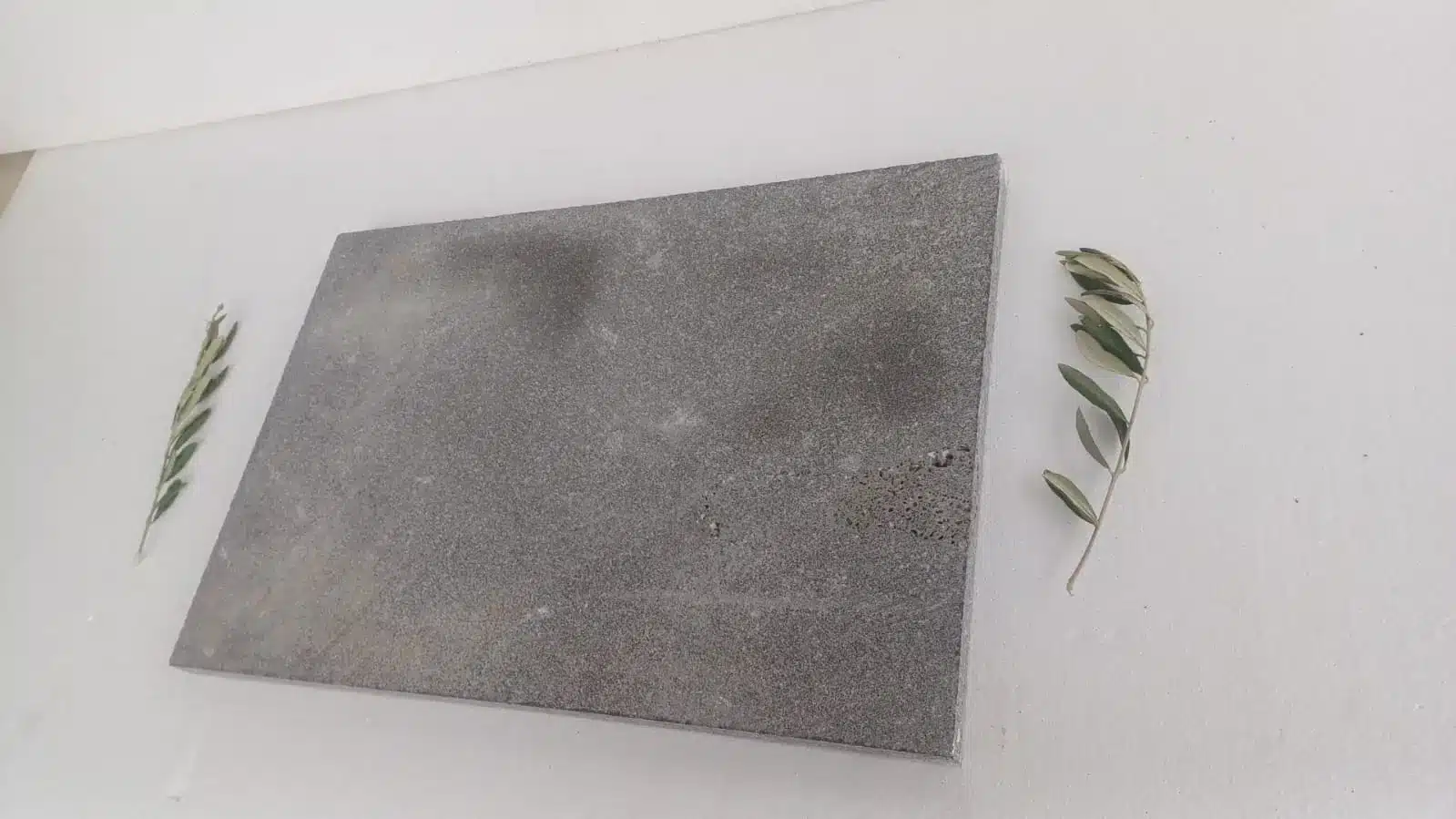
Basalt pavers are formed from basalt, a dense igneous rock created by cooled lava. With their rich, dark hues—typically deep gray to near-black—and fine-grained texture, they bring a modern, sophisticated look to any outdoor area. But their appeal isn’t just skin-deep. Basalt’s natural properties make it a standout option for driveways and patios.
Why Choose Basalt Pavers?
- Exceptional Durability: Basalt’s strength handles heavy loads and harsh weather without cracking or fading.
- Low Maintenance: Resistant to stains and scratches, these pavers require minimal upkeep.
- Sustainable Choice: As a natural material, basalt is environmentally friendly and responsibly sourced.
- Design Versatility: Available in various sizes and finishes, basalt complements both contemporary and classic styles.
At Citadel Stone, we offer premium basalt pavers designed to meet the highest standards. Visit www.citadelstone.us to explore our collection and see why they’re perfect for your next project.
Tools and Materials Needed for Basalt Paver Installation
Preparation is key to a smooth installation. Before you begin, gather these essential tools and materials to ensure efficiency and quality results.
Tools
- Shovel or Excavator: For digging out the site.
- Wheelbarrow: To move gravel, sand, and debris.
- Level: Ensures even surfaces and proper drainage slopes.
- Rubber Mallet: Gently taps pavers into place without damage.
- Plate Compactor: Compacts the base and sets pavers.
- Broom: Sweeps sand into joints.
- Mason’s Chisel and Hammer: Cuts pavers for a precise fit.
- Safety Gear: Includes gloves, safety glasses, and a dust mask.
Materials
- Basalt Pavers: Source yours from Citadel Stone at www.citadelstone.us.
- Crushed Stone or Gravel: Forms the foundational base layer.
- Sand: Used for bedding and joint filling.
- Landscape Fabric: Prevents weed growth and stabilizes the base.
- Edge Restraints: Metal or plastic edging to secure pavers.
- Polymeric Sand (Optional): Enhances joint stability when wet.
Tip: Order an extra 10% of pavers to cover cuts, breakage, or future repairs. Having everything ready upfront saves time and frustration.
Preparation: Planning Your Basalt Paver Project
A successful installation starts with thorough preparation. Rushing this phase can lead to uneven surfaces or drainage problems down the line. Here’s how to set the stage:
1. Design Your Layout
- Sketch It Out: Draw a plan with dimensions, paver patterns (e.g., herringbone, basketweave), and any curves or features.
- Plan for Drainage: Slope the surface 1-2% away from buildings to direct water runoff.
2. Check Regulations
- Permits: Some municipalities require approval for driveway or patio projects—verify local rules.
- Utilities: Call 811 to mark underground lines before digging.
3. Measure and Mark
- Outline the Area: Use stakes and string to define your driveway or patio boundaries.
- Calculate Needs: Multiply length by width to estimate square footage, then determine paver, gravel, and sand quantities.
4. Prepare the Ground
- Remove Vegetation: Clear grass, roots, and rocks.
- Excavate: Dig 6-8 inches deep for patios or 8-12 inches for driveways, depending on load requirements.
For complex designs, Citadel Stone’s experts are here to assist. Contact us at www.citadelstone.us for personalized guidance.
Step-by-Step Guide to Installing Basalt Pavers
With preparation complete, it’s time to install your basalt pavers. Follow these detailed steps for a professional-quality outcome.
Step 1: Excavate the Site
- Depth: Dig 6-8 inches for patios, 8-12 inches for driveways to support heavier traffic.
- Slope: Maintain a 1-2% gradient, checking with a level as you go.
Step 2: Build the Base Layer
- Landscape Fabric: Lay it over the soil to block weeds and stabilize the ground.
- Gravel: Add 4-6 inches of crushed stone in 2-inch layers, compacting each with a plate compactor.
- Level Check: Ensure the base is flat and sloped correctly.
Pro Tip: A well-compacted base is critical—it prevents settling and extends your pavers’ lifespan.
Step 3: Add the Bedding Layer
- Sand: Spread 1-2 inches of coarse sand over the gravel.
- Screed: Use a straight board to level the sand evenly.
- Preserve It: Avoid walking on the sand once it’s screeded to keep it uniform.
Step 4: Lay the Pavers
- Starting Point: Begin at a straight edge or corner for alignment.
- Pattern: Place pavers according to your design, keeping joints tight.
- Alignment: Check with a level and straightedge every few rows.
- Cutting: Trim pavers with a chisel or wet saw for edges and obstacles.
Step 5: Install Edge Restraints
- Edging: Position metal or plastic restraints around the perimeter.
- Secure: Anchor with landscape spikes every 12 inches.
Step 6: Fill the Joints
- Sand: Sweep fine sand over the pavers, filling all joints.
- Compact: Run the plate compactor over the surface to settle the pavers and lock in the sand.
- Repeat: Add more sand and compact again if joints aren’t fully filled.
Optional: Use polymeric sand for a stronger, weed-resistant joint. Wet it lightly to activate its binding properties.
Step 7: Finish Up
- Clean: Sweep off excess sand and debris.
- Seal (Optional): Apply a sealant to protect against stains and enhance color.
Citadel Stone’s basalt pavers come in a variety of styles to suit your vision. Browse our selection at www.citadelstone.us.
Maintenance and Care for Basalt Pavers
Basalt pavers are naturally low-maintenance, but regular care keeps them looking pristine and performing well.
Routine Upkeep
- Sweep: Clear dirt and leaves weekly.
- Rinse: Hose off grime or dust as needed.
- Weeds: Remove any growth between joints manually or with a weed killer.
Seasonal Maintenance
- Reseal: Apply a sealant every 2-3 years to maintain protection.
- Inspect: Check for shifting or settling, resetting pavers if necessary.
Stain Removal
- Oil/Grease: Use a degreaser or dish soap with warm water.
- Mold/Mildew: Mix water and bleach to scrub away organic stains.
With minimal effort, your Citadel Stone basalt pavers will stay beautiful and functional for years.
Common Mistakes to Avoid
Even seasoned installers can slip up. Avoid these errors for a flawless finish:
1. Skimping on the Base
- Issue: A thin or uncompacted base causes sinking.
- Fix: Use enough gravel and compact thoroughly.
2. Ignoring Drainage
- Issue: Poor slope leads to water pooling and erosion.
- Fix: Plan a 1-2% gradient and test water flow.
3. Wrong Sand Choice
- Issue: Fine sand washes out; coarse sand leaves gaps.
- Fix: Use coarse sand for bedding, fine or polymeric for joints.
4. No Edge Restraints
- Issue: Pavers shift without support.
- Fix: Install sturdy edging around the perimeter.
5. Rushing the Job
- Issue: Haste results in uneven or misaligned pavers.
- Fix: Work methodically, checking levels often.
Need help? Citadel Stone’s team offers expert advice—reach out at www.citadelstone.us.
Real Orders, Real Deliveries
We only publish projects we have actually supplied. See our Las Vegas white limestone delivery — two containers, 6,884 sq ft, 32 crates, shipped door to door — and how we supplied Creative Environments in Arizona with 21 containers across a 70,000+ sq ft installation: white limestone pavers and tiles, shellstone and Ocean Reef pavers.
Had Citadel Stone material installed on your project? Send us your photos and we will feature the work here, with your permission.
Conclusion: Create a Lasting Impression with Basalt Pavers
Installing basalt pavers transforms your driveway or patio into a durable, eye-catching feature. This guide provides the roadmap to success, from preparation to maintenance. With Citadel Stone’s premium basalt pavers, you’re investing in quality that lasts.
Ready to start? Visit www.citadelstone.us to explore our products or contact us for a quote. Let’s build something extraordinary together!