

Weed growth between basalt pavers can turn a stunning patio, walkway, or driveway into an unsightly chore. If you’ve invested in the timeless beauty and durability of basalt pavers from Citadel Stone, the last thing you want is persistent weeds ruining your hardscape. Fortunately, with the right techniques—like using sealants and joint sand—you can keep your pavers weed-free and pristine for years to come. In this comprehensive guide, we’ll explore actionable solutions to prevent weed growth, focusing on sealants and joint sand tips, while incorporating additional maintenance strategies. This article will equip you with expert insights to maintain your basalt paver installation.
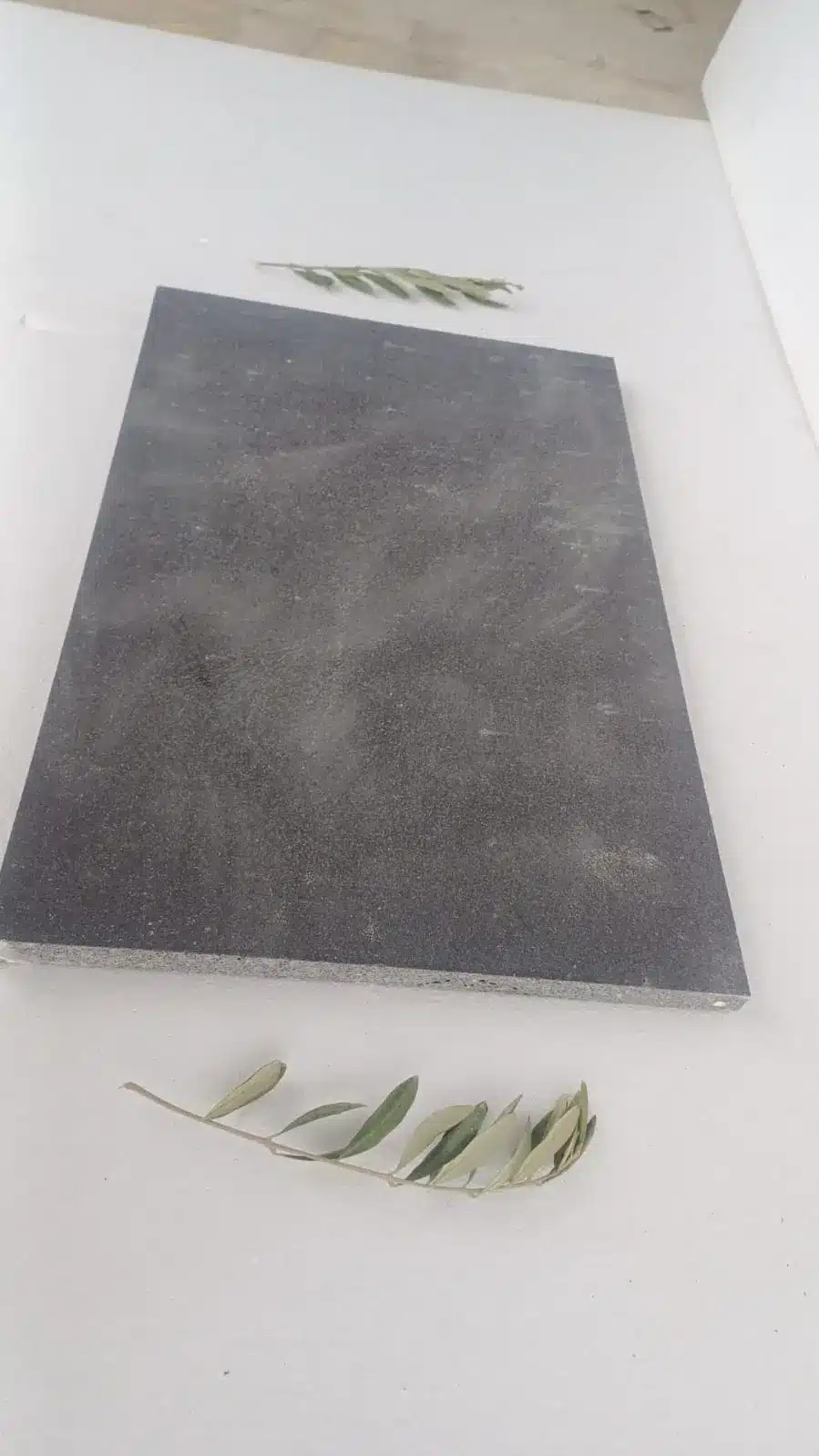
Why Weeds Grow Between Pavers
Before diving into solutions, it’s essential to understand why weeds sprout between basalt pavers in the first place. Weeds are opportunistic plants that thrive under specific conditions, and paver joints often provide the perfect environment.
Conditions That Encourage Weed Growth
- Sunlight: Exposed joints allow sunlight to reach weed seeds, triggering germination.
- Moisture: Rainwater or irrigation can settle in paver joints, keeping them damp and ideal for seed growth.
- Organic Matter: Dust, dirt, and debris accumulate in joints over time, creating a nutrient-rich bed for weeds.
- Seed Dispersal: Wind, birds, and foot traffic can deposit weed seeds into the gaps between pavers.
How Paver Installation Plays a Role
The way your basalt pavers are installed can either deter or invite weeds:
- Joint Size: Wider joints (over 1/4 inch) offer more space for seeds to settle and grow.
- Base Preparation: Poorly compacted bases or inadequate weed barriers can allow weeds to push up from below.
- Joint Filler: If joints are left empty or filled with loose material, weeds find it easier to take root.
By addressing these factors with sealants and joint sand, you can create a weed-resistant surface that enhances the longevity of our non-porous basalt stone pavers.
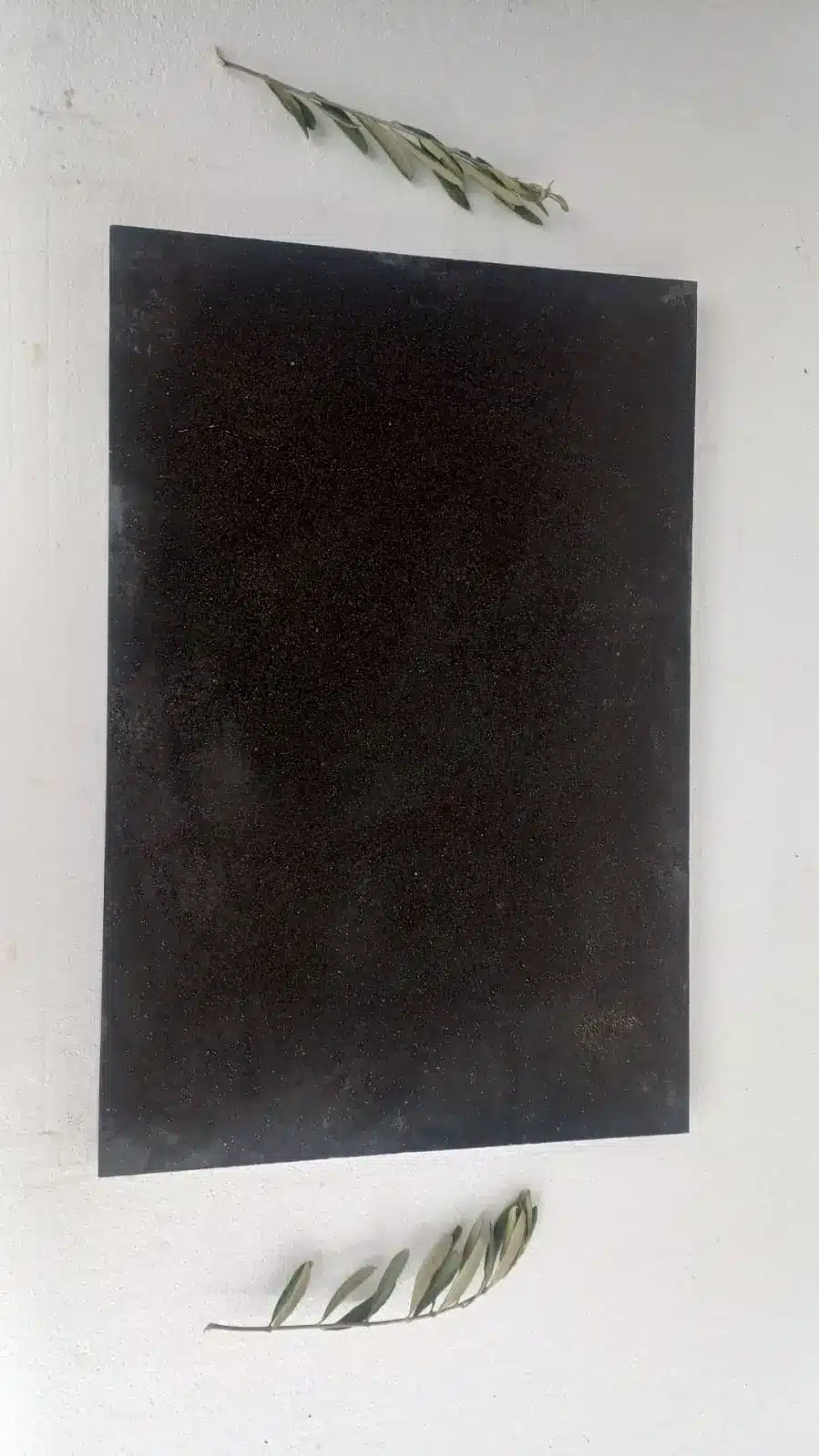
The Role of Sealants in Weed Prevention
Sealants are a powerful tool in the fight against weeds between basalt pavers. These protective coatings create a barrier that not only deters weed growth but also enhances the appearance and durability of your pavers.
What Are Sealants and How Do They Work?
A sealant is a liquid coating applied to the surface of pavers and their joints. Once it dries, it forms a protective layer that:
- Blocks Weed Seeds: Sealants fill micro-cracks and reduce the space where seeds can lodge.
- Repels Water: By making pavers less porous, sealants limit moisture penetration, starving weeds of a key growth factor.
- Prevents Organic Buildup: A sealed surface is easier to clean, reducing the accumulation of debris that feeds weeds.
Types of Sealants Suitable for Basalt Pavers
Not all sealants are created equal. For basalt pavers, consider these options:
- Water-Based Sealants: Eco-friendly and low-odor, these are ideal for residential projects. They penetrate deeply and offer a natural finish.
- Solvent-Based Sealants: These provide a stronger, glossy finish and excellent water resistance, making them suitable for high-traffic areas.
- Penetrating Sealants: Designed to soak into the stone, these protect without altering the paver’s natural texture.
Citadel Stone recommends choosing a sealant compatible with basalt’s dense, non-porous nature—consult our product guides for specific recommendations.
Benefits Beyond Weed Prevention
Sealants do more than just stop weeds:
- Stain Resistance: They protect against spills, oil, and dirt.
- Color Enhancement: Many sealants deepen basalt’s rich, dark tones.
- Longevity: They shield pavers from UV damage and weathering.
How to Apply Sealants to Basalt Pavers: A Step-by-Step Guide
Applying sealant is a straightforward DIY task if you follow these steps:
- Clean the Pavers: Sweep away debris and use a pressure washer to remove dirt and weeds. Let the surface dry completely (24-48 hours).
- Choose the Right Day: Apply sealant on a dry, mild day (50-80°F) with no rain in the forecast.
- Test a Small Area: Apply a small amount to ensure the sealant doesn’t discolor your basalt pavers.
- Apply the Sealant: Use a roller or sprayer to coat the pavers evenly, working in small sections. Ensure the sealant penetrates the joints.
- Let It Cure: Allow 24-48 hours for the sealant to dry fully before walking on the surface.
- Reapply as Needed: Most sealants last 2-5 years—check the manufacturer’s guidelines.
With proper application, sealants can significantly reduce weed growth while keeping your Citadel Stone pavers looking their best.
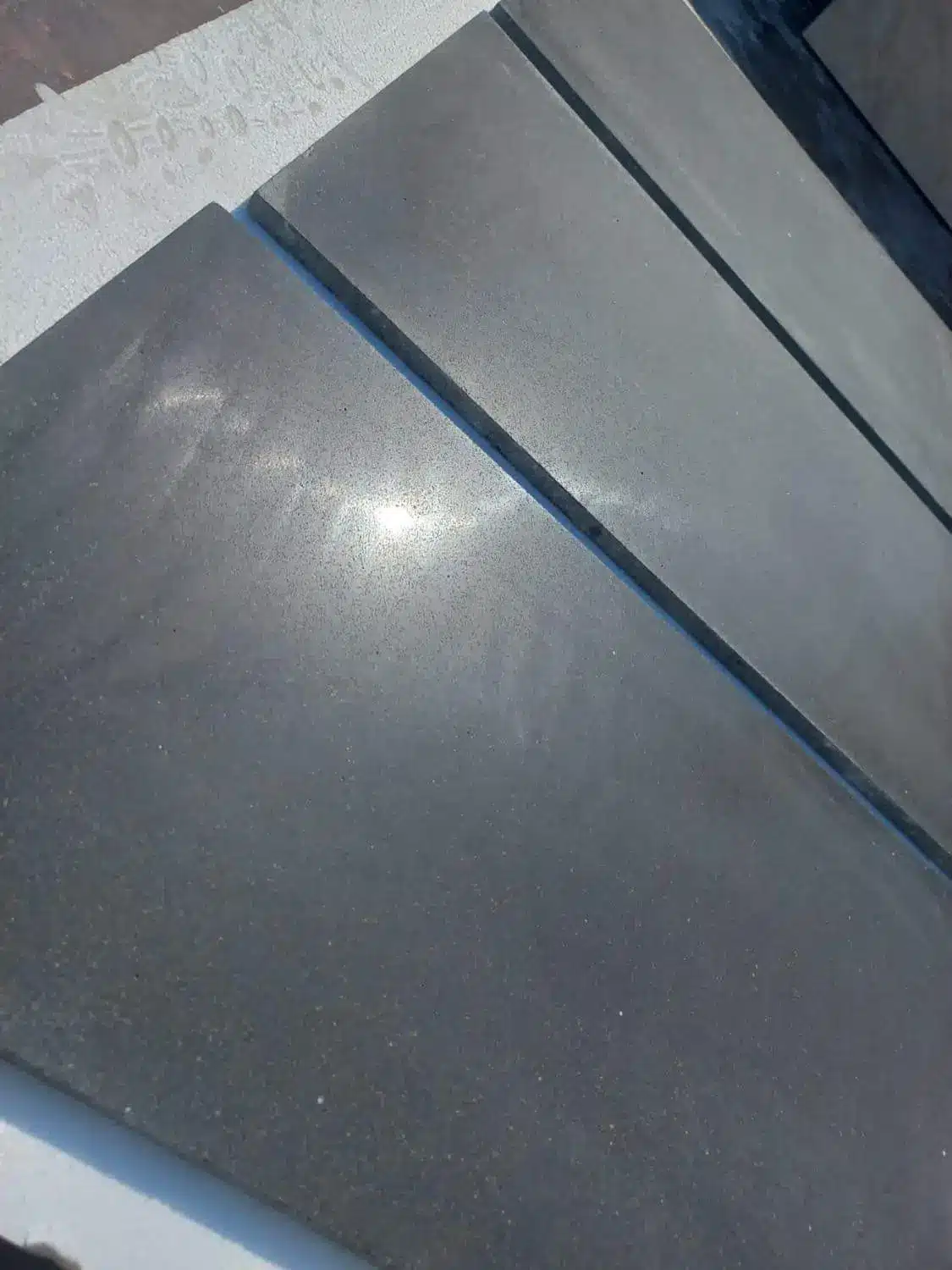
Joint Sand: A Key Component in Weed Control
While sealants protect the surface, joint sand tackles weed growth from within the gaps between basalt pavers. This often-overlooked material is critical for a stable, weed-free installation.
What Is Joint Sand and Why Does It Matter?
Joint sand is a fine, granular material swept into the gaps between pavers. It serves multiple purposes:
- Stabilizes Pavers: Locks them in place to prevent shifting.
- Fills Gaps: Reduces space for weed seeds to settle.
- Improves Drainage: Allows water to filter through while minimizing pooling.
Types of Joint Sand
There are two main types to consider:
- Regular Sand: Inexpensive and widely available, but it can wash out over time and doesn’t deter weeds effectively.
- Polymeric Sand: A premium option infused with polymers that harden when wet, creating a solid, weed-resistant barrier.
For basalt pavers, Citadel Stone recommends polymeric sand for its superior performance.
How Polymeric Sand Prevents Weed Growth
Polymeric sand stands out because:
- It Hardens: Once activated with water, it forms a concrete-like layer that blocks weed roots.
- It Stays in Place: Unlike regular sand, it resists erosion from rain and wind.
- It Deters Seeds: The tight seal prevents seeds from penetrating the joints.
Tips for Choosing and Applying Joint Sand
To get the most out of joint sand:
- Select the Right Product: Choose polymeric sand rated for your joint width (typically 1/8 to 1 inch).
- Prepare the Surface: Sweep existing debris and weeds from the joints, then ensure the pavers are dry.
- Fill the Joints: Pour the sand over the pavers and sweep it into the gaps with a broom. Tap the surface with a rubber mallet to settle the sand.
- Compact and Repeat: Use a plate compactor (if available) or hand-tamp the pavers, adding more sand until the joints are full.
- Activate the Polymers: Lightly mist the surface with water—avoid over-saturating—and let it cure for 24 hours.
- Clean Up: Sweep away excess sand to prevent hazing on the paver surface.
Properly installed joint sand can keep your basalt pavers weed-free for years, especially when paired with sealants.
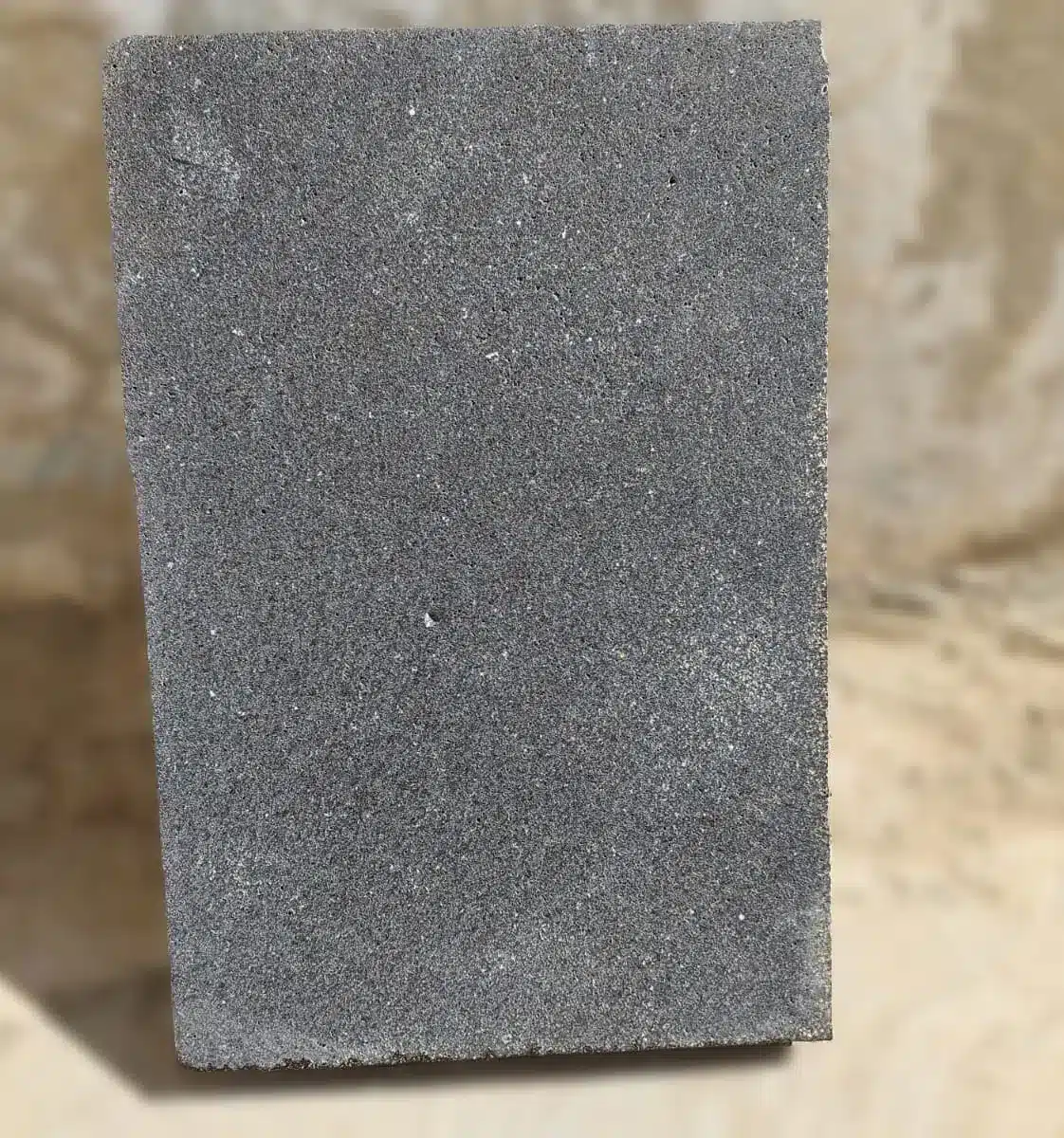
Combining Sealants and Joint Sand for Maximum Effectiveness
For the ultimate weed prevention strategy, combine sealants and joint sand. Together, they create a dual defense that tackles weeds from above and below.
Why This Combo Works
- Joint Sand Fills the Gaps: It stabilizes the pavers and blocks weed roots from taking hold.
- Sealants Protect the Surface: They prevent seeds from settling and reduce moisture infiltration.
- Synergy: The hardened polymeric sand resists cracking, while the sealant adds an extra layer of durability.
How to Apply Both Methods Together
- Start with Joint Sand: Install polymeric sand first, following the steps above. Allow it to cure fully (24-48 hours).
- Clean the Pavers: Remove any residual sand or debris from the surface.
- Apply the Sealant: Coat the pavers and joints with your chosen sealant, ensuring even coverage.
- Maintain Over Time: Reapply sealant every few years, and top up joint sand if it erodes.
This combination maximizes weed resistance and enhances the lifespan of your Citadel Stone basalt pavers.
Additional Weed Prevention Tips
Beyond sealants and joint sand, these practical tips can keep weeds at bay:
- Regular Sweeping: Remove debris weekly to prevent organic buildup.
- Rinse with Water: A quick hose-down dislodges seeds before they germinate.
- Use Natural Deterrents: Apply vinegar or boiling water to kill small weeds (avoid overusing salt, as it can damage pavers).
- Trim Nearby Plants: Prevent overhanging grass or plants from dropping seeds onto your pavers.
- Inspect Joints: Refill any eroded joint sand promptly to maintain the barrier.
If weeds persist despite your efforts, consider consulting a professional landscaper through Citadel Stone for tailored solutions.
Basalt Pavers in the USA: Exceptional Projects & Innovations
Real Orders, Real Deliveries
We only publish projects we have actually supplied. See our Las Vegas white limestone delivery — two containers, 6,884 sq ft, 32 crates, shipped door to door — and how we supplied Creative Environments in Arizona with 21 containers across a 70,000+ sq ft installation: white limestone pavers and tiles, shellstone and Ocean Reef pavers.
Had Citadel Stone material installed on your project? Send us your photos and we will feature the work here, with your permission.
Conclusion
Preventing weed growth between basalt pavers doesn’t have to be a losing battle. By leveraging sealants and joint sand—two proven, practical solutions—you can maintain a flawless, weed-free hardscape that showcases the beauty of your Citadel Stone pavers. Sealants block seeds and moisture from above, while polymeric joint sand creates a solid foundation below. Combine these methods with regular maintenance, and you’ll enjoy a low-maintenance, stunning outdoor space for years to come.
Ready to get started? Visit Citadel Stone for premium outdoor basalt tiles for upscale exteriors, sealants, and joint sand products, or contact our experts for personalized advice. Take control of your pavers today and say goodbye to weeds for good!