

Specifying basalt porcelain tiles alongside natural basalt for the same project reveals a gap that matters more than most designers anticipate: how each material responds to prolonged UV exposure over years of service, not just how it looks on day one. The surface chemistry of a sintered ceramic body and a volcanic mineral are genuinely different, and that difference shows up in color retention, finish degradation, and long-term maintenance scheduling. This comparison works through both materials on the criteria that actually drive specification decisions — structural behavior, surface finish options, installation tolerances, and how sun-exposed installations hold their appearance across seasons.
What Each Material Actually Is
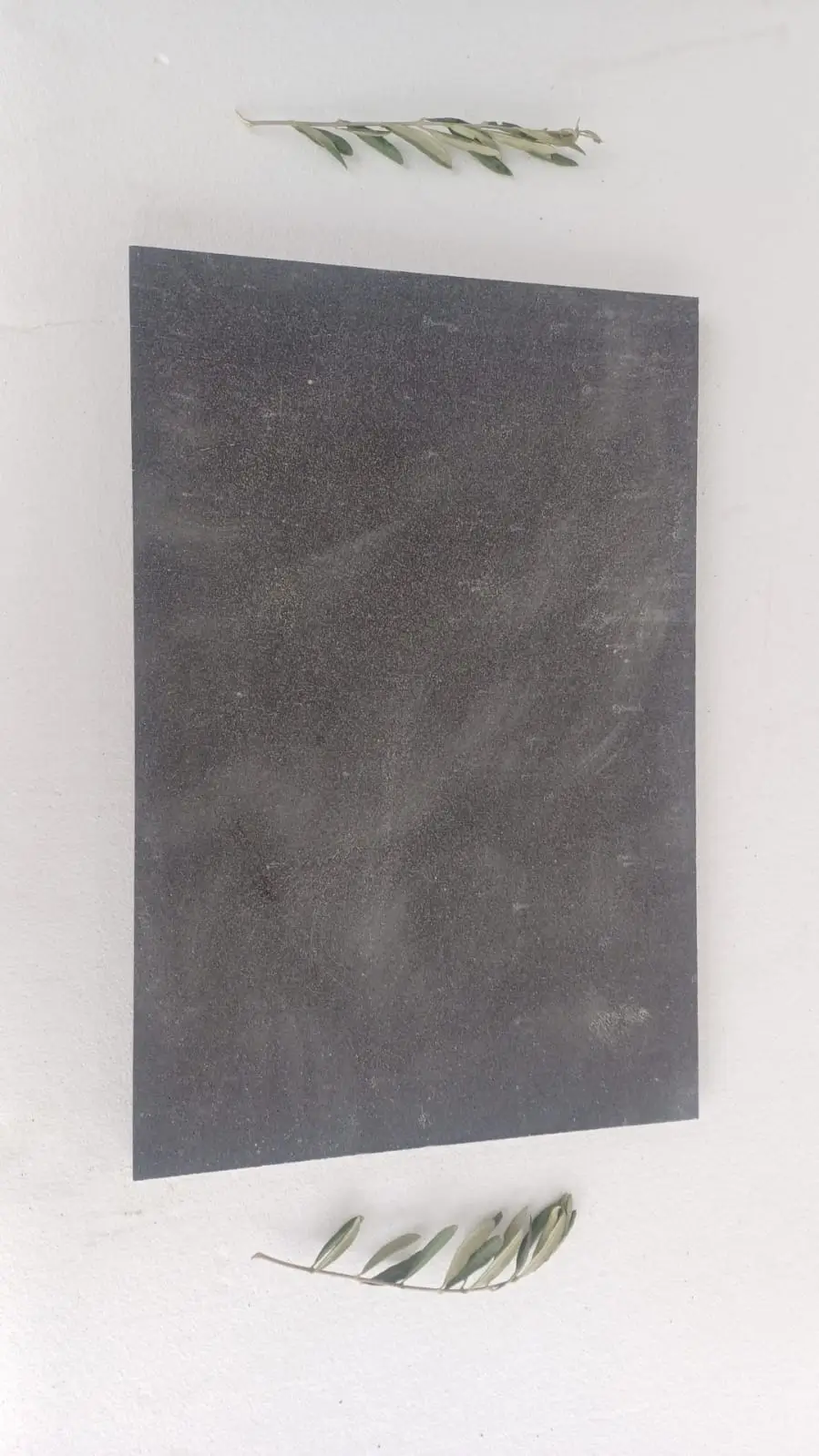
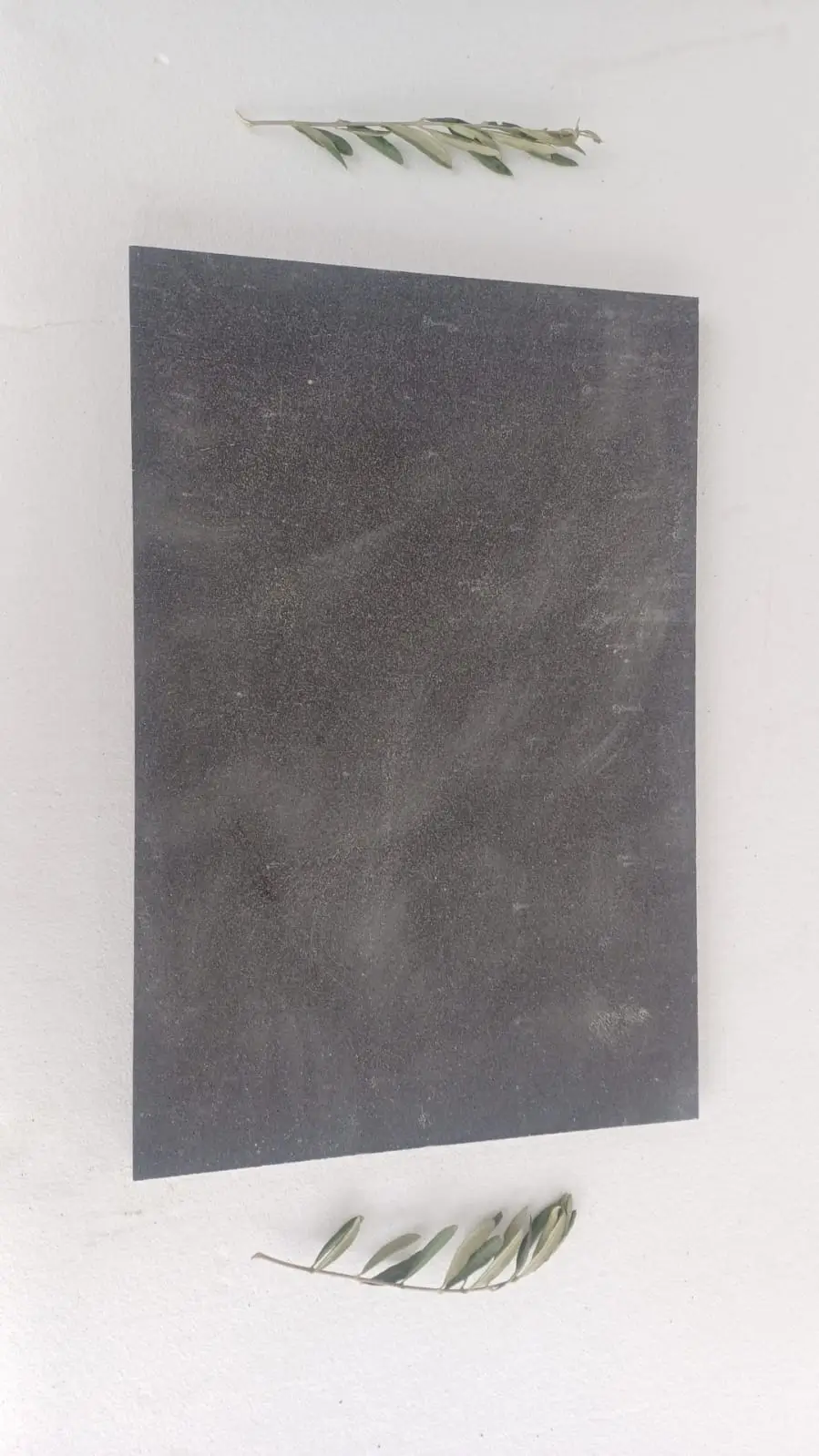
The term “basalt porcelain” covers a wide range of large-format ceramic tiles manufactured to mimic the visual character of volcanic basalt — the dark, fine-grained igneous rock formed when lava cools rapidly at or near the earth’s surface. The printed surface replicates basalt’s characteristic near-black to charcoal tone and its tight mineral texture. Natural basalt, by contrast, is that same volcanic rock cut directly from the ground, with its properties determined by mineral composition, cooling rate, and quarry location. According to USGS volcanic rock composition data, basalt is one of the most abundant rock types on earth, typically dense, low in porosity, and high in iron and magnesium minerals — characteristics that give it both its dark coloration and its structural performance profile.
Understanding this distinction matters because buyers searching for basalt porcelain tiles are sometimes choosing between two fundamentally different products: a manufactured ceramic body and a natural mineral. The performance implications run through every specification decision that follows.
Structural Performance and Thickness
Your structural specification starts with understanding what each material is made of at depth, not just at the surface. Natural basalt’s density and low absorption rate make it well-suited to applications where point load performance and freeze-thaw cycling matter. The material’s mineral interlocking structure gives it a consistency of performance that runs through the full thickness of the tile or paver. For compressive and flexural strength figures, specify the relevant ASTM test method — ASTM C170 for compressive strength and ASTM C880 for flexural strength — and request the test report from your supplier. Citadel Stone cuts natural basalt to order and test reports are available on request.
Basalt porcelain tiles are typically manufactured to a consistent nominal thickness, and their through-body construction means chips and scratches expose the same color throughout. However, porcelain’s sintered body behaves differently under point loads compared to natural stone — it can fracture cleanly under impact rather than cracking progressively. The thickness you specify for basalt porcelain tiles in a pedestrian or vehicular application should come from the manufacturer’s load rating data, not from an assumption based on natural stone experience.
- Natural basalt thickness is cut to order — specify your nominal thickness and confirm it with the fabricator before cutting begins
- Basalt porcelain tiles are produced in fixed nominal thicknesses; check the manufacturer’s technical data sheet for the rated application
- Vehicular applications require a load-rated specification from the supplier for either material
- Freeze-thaw performance for natural basalt should be confirmed via ASTM C666 data from the supplier’s test report
Surface Finish Options and UV Behavior
Here is where the comparison gets practical for sun-exposed installations. Natural basalt accepts a range of mechanical finishes — honed, flamed, brushed, sandblasted — each of which changes the surface texture and affects how UV radiation interacts with the stone over time. A honed finish opens the surface slightly and can allow mineral oxidation to become visible over years of strong sun exposure, particularly in iron-rich basalt where surface ferrous compounds may develop a warm brownish cast. A flamed finish removes the finest mineral layer and produces a coarser, more open surface that tends to hold its tonal character more consistently under UV because there is less of the polished mineral face that can dull or shift.
Basalt porcelain tiles carry a printed surface that is fixed at manufacture. UV degradation of the ink layer or glaze is a real variable in exterior-rated porcelain, and it is worth requesting the manufacturer’s UV stability data before specifying for south-facing or full-sun installations. The Tile Council of North America publishes installation guidance for natural stone and ceramic tile that addresses exterior rating requirements, and your porcelain specification should reference exterior-rated product confirmed by the manufacturer’s UV testing. Natural stone does not carry a printed surface, so its tonal evolution under UV is driven by the mineralogy itself — predictable in direction, though the rate varies by quarry source and finish type.
- Flamed and brushed finishes on natural basalt tend to weather more evenly under UV than honed finishes
- Basalt porcelain tiles for exterior use must carry an exterior UV-stability rating from the manufacturer
- Sealing natural basalt on a schedule recommended by your sealer manufacturer can slow surface oxidation in high-UV climates
- Porcelain does not require sealing, but grout joints do — a distinction that affects your long-term maintenance plan
- Color drift in either material should be evaluated against a sample kept in controlled conditions for reference
Water Resistance and Absorption
Porcelain’s sintered body gives it very low water absorption — a characteristic often cited as a primary reason to choose basalt porcelain tiles over natural stone in wet environments. That low absorption is a genuine structural advantage in saturated or freeze-thaw conditions. Natural basalt is itself among the lower-absorption natural stones, and the Britannica geological reference on basalt formation notes that its tight crystalline structure results from rapid cooling, which limits void space in the mineral matrix. Your absorption specification for natural basalt should be confirmed against ASTM C97 data — available from the supplier on request.
The practical difference in absorption shows up most in sealing schedules. Natural basalt in an exterior, sun-exposed installation will need periodic resealing on the interval your sealer manufacturer specifies — typically every two to four years depending on the sealer type, UV load, and foot traffic. Basalt porcelain tiles do not require surface sealing, but their grout joints do, and in high-UV exterior settings, grout color stability is its own maintenance variable worth discussing with your tile contractor before installation begins.
Installation Tolerances and Substrate Requirements
Your installation plan for basalt porcelain tiles and natural basalt will differ in ways that directly affect both labor cost and long-term performance. Large-format porcelain — common in the basalt-look category — demands a very flat substrate. Lippage tolerance on large-format tiles is tight, and setting-bed flatness needs to meet the tolerance stated in your installation specification. TCNA and the Natural Stone Institute both publish guidance on large-format tile and stone installation that your tiler should reference at the planning stage, not after the substrate is poured.
Natural basalt cut to a consistent calibrated thickness installs with similar flatness requirements, but variation in natural stone thickness — even in calibrated product — is a variable your installer needs to account for in the setting bed. At Citadel Stone, we cut to order and quality-check dimensions against the agreed specification before dispatch, but you should still confirm the allowable thickness tolerance with your installer and match it to the setting material’s working range.
- Large-format basalt porcelain tiles require a substrate flatness tolerance that should be specified before the slab is poured
- Natural basalt in calibrated format installs on a similar tolerance, but confirm the batch thickness variation with your supplier
- Expansion joints are mandatory for both materials in exterior applications — spacing should come from your thermal movement calculation, not a generic rule of thumb
- Setting materials must be compatible with the tile body — confirm with the adhesive manufacturer for porcelain, and with the stone supplier for natural basalt
- Access and offloading arrangements should be confirmed before delivery is scheduled, as large-format tiles and stone pallets both require appropriate unloading equipment on site
Comparing Natural Basalt Tile Options
For projects where authenticity of material and long-term tonal depth matter, exploring our natural basalt collection gives you a reference point for what quarried stone looks like across finish types before committing to a specification. The difference between a printed surface and a cut mineral face is visible in person in a way that photography rarely captures fully — particularly in raking light or under direct sun, where natural basalt’s mineral crystalline surface reflects light differently across the day.
Natural basalt pavers and tiles from selected Middle East quarries carry the mineral density and tonal consistency that the basalt porcelain category is designed to evoke. Your finish selection — honed, flamed, or brushed — determines how that tonal character evolves under UV exposure over the years of the installation’s service life.
Pronunciation and Terminology in Specification Documents
The pronunciation of basalt comes up more often than you’d expect in project meetings — it is correctly pronounced BAY-sawlt or buh-SALT, with either accepted in American English. More practically, the terminology matters in specification documents: “basalt porcelain” and “natural basalt” are not interchangeable descriptions, and a specification that uses one when the contractor prices the other creates real procurement problems. Write your spec to name the material type explicitly — sintered porcelain with basalt visual character, or natural volcanic basalt stone — and call out the finish, nominal thickness, and application rating in the same clause.
Cost and Lead-Time Considerations
Basalt porcelain tiles manufactured to standard dimensions are often available through domestic tile distributors with shorter lead times than quarried natural stone cut to a custom specification. That lead-time advantage is real and worth factoring into your project schedule. Natural basalt cut to order at our selected quarries carries a longer lead time that should be quoted and confirmed with the order — delivery is arranged and managed by Citadel Stone, and your project’s site access constraints are confirmed before the delivery date is set.
Cost comparison between the two materials is project-specific and changes with format size, finish type, and order volume. The Natural Stone Institute publishes technical variety data on igneous stone that can inform your material evaluation at the specification stage. Your cost-per-installed-square-foot calculation should include setting materials, joint treatment, sealing schedule for natural stone, and the substrate flatness preparation cost that large-format porcelain requires — these variables shift the comparison significantly depending on site conditions.
Decision Points
The specification decision between basalt porcelain tiles and natural basalt comes down to a small set of criteria that deserve honest evaluation against your project’s actual requirements. Porcelain gives you low absorption, a UV-stable surface with a manufacturer’s rating, and shorter lead times. Natural basalt gives you authentic mineral depth, a material that evolves under UV in ways that experienced specifiers often find more characterful than a fixed printed surface, and the flexibility of custom cut-to-order dimensions. Neither is universally superior — the right answer depends on the application, the finish, the maintenance plan, and the visual outcome you are committing to.
Your sealing schedule, finish selection, and substrate preparation plan carry more weight than the material choice alone in determining whether the installation holds its appearance over decades of service. For a closer look at how natural basalt behaves over time and what field issues to plan for before they occur, common basalt tile field issues covers the practical fixes worth knowing before installation begins. Basalt from Citadel Stone is quarried from our selected Middle East quarries, offering the depth of tone that printed porcelain imitates.
Related reading: cast basalt vs natural basalt tiles · choosing grey basalt tile · Basalt Rock Types for Tiles: How Structure Affects Performance.