What Actually Drives Marble Slab Cost
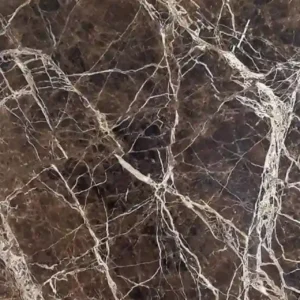
Marble slab cost breaks down into far more variables than most buyers anticipate — and the ones that matter most rarely appear on a price sheet. The quarry origin, block yield percentage, vein consistency, and surface finish all interact to determine what you’ll actually pay per square foot, and understanding each one helps you compare quotes accurately. You’ll also find that slabs from the same named variety can differ by 40–60% in price depending on book-match quality and slab thickness, which means comparing marble slab cost figures without knowing these details is essentially meaningless.
Marble Slab Price Ranges by Grade and Variety
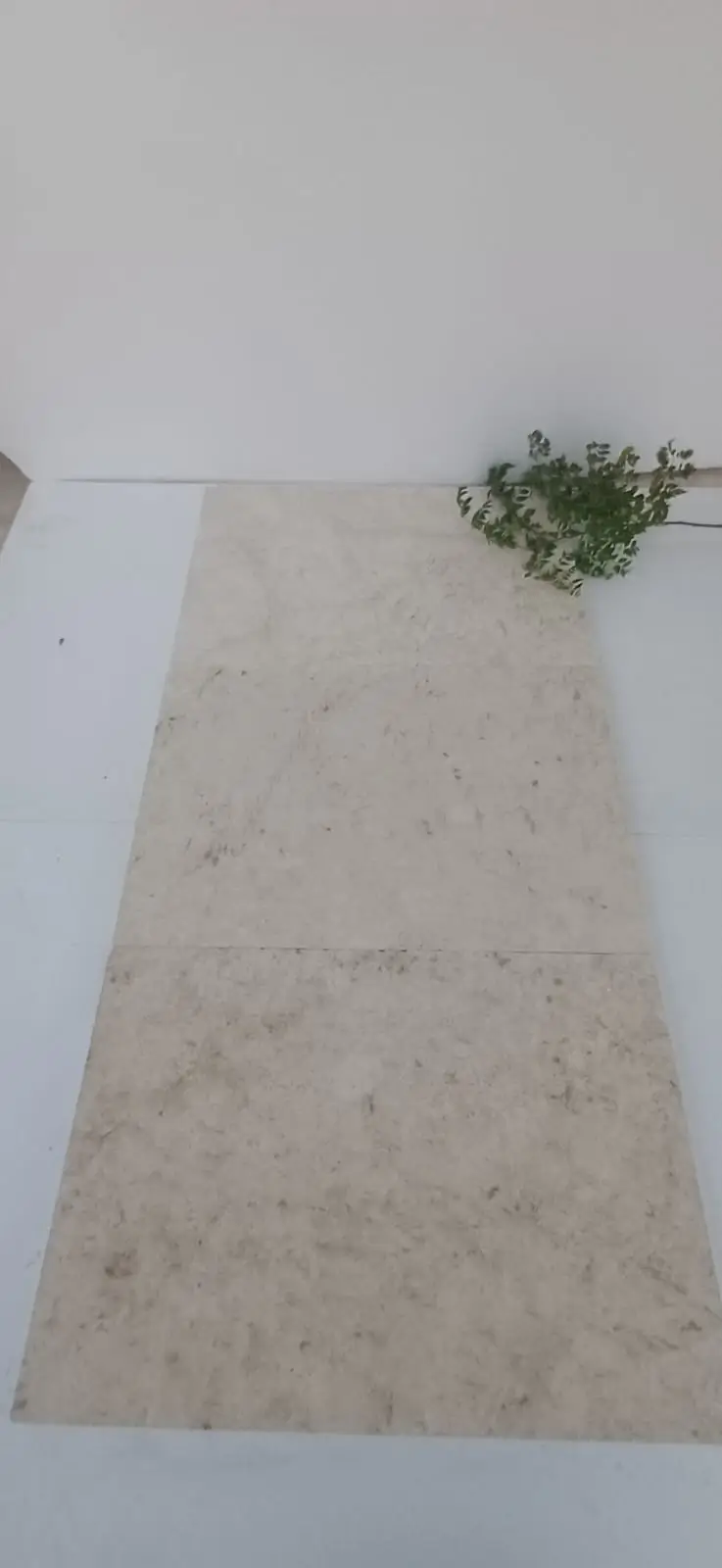
The marble slab cost spectrum runs from roughly $40 per square foot on the low end to well above $250 per square foot for premium book-matched material in rare varieties. Here’s how the tiers typically break out in the current supply environment:
- Entry-level commercial marble (Carrara C, Bianco Ordinario): $40–$70/sq ft — adequate veining, moderate porosity, sourced from high-yield quarry sections
- Mid-grade material (Calacatta Classico, Statuario Standard): $80–$140/sq ft — tighter vein contrast, lower absorption rates, more consistent slab-to-slab matching
- Premium and book-matched slabs (Calacatta Gold, Arabescato Corchia): $150–$200/sq ft — dramatic veining, carefully selected quarry blocks, paired slabs with verified match
- Ultra-premium and rare varieties (Paonazzo, Calacatta Macchia Vecchia): $200–$260+/sq ft — extremely low quarry availability, exceptional veining, museum-grade consistency
These ranges reflect fabricated slab pricing before installation labor, edge profiling, or adhesive systems are added. Your total project cost will run 30–50% higher once those elements are included, depending on edge complexity and substrate conditions.
Thickness and Its Effect on Price
Slab thickness is one of the most underappreciated cost drivers in marble specification. The standard residential thickness runs at 3/4 inch (20mm), while 1-1/4 inch (30mm) slabs command a premium that typically ranges from 25–40% above the same variety in 20mm. For countertop applications, 30mm is often the preferred specification because it eliminates the need for a substrate buildup layer, but your structural support requirements need to be confirmed before specifying it — the additional dead load is meaningful on cantilevered sections.
According to Natural Stone Institute marble grades and technical specifications, slab thickness tolerances and flexural strength vary meaningfully by variety, which directly affects which applications are structurally appropriate for a given marble type. Thinner slabs in lower-strength varieties aren’t a cost-saving measure — they’re a liability in high-stress applications like kitchen islands or heavily trafficked flooring.
Finish Selection and Cost Implications
The surface finish you specify affects both price and long-term performance. Polished finishes typically add $5–$12/sq ft over honed equivalents at the fabrication stage, but the downstream maintenance equation often favors honed in demanding environments. Here’s what each finish means for your project budget and performance expectations:
- Polished: highest initial cost, maximum visual impact, shows scratches and etching more readily, requires more frequent maintenance in active use areas
- Honed (matte): slightly lower fabrication cost, more forgiving surface for daily use, etching is less visible, preferred for flooring and high-contact surfaces
- Leathered/brushed: mid-range cost, textured surface adds grip and hides minor surface wear, popular in contemporary kitchen specifications
- Sandblasted or antiqued: higher fabrication cost due to additional processing steps, creates a more aged aesthetic, slightly more UV-stable in exterior applications
For exterior installations that receive direct sun exposure, finish selection carries additional weight. UV radiation doesn’t degrade marble chemically the way it affects some synthetic materials, but prolonged UV and light exposure does accelerate surface oxidation and micro-crystal loosening in polished finishes. A honed or leathered finish in exterior sun-exposed settings will retain its intended appearance longer than polished marble, which loses its reflective depth as surface micro-crystals are abraded by UV-driven thermal cycling. Factor a biennial sealing schedule into your total cost of ownership regardless of finish type — this is non-negotiable for exterior marble.
The Difference Between Marble and Granite in Cost and Performance
Understanding the difference between marble and granite helps you make an informed specification decision rather than a purely aesthetic one. Granite typically prices between $35–$100/sq ft fabricated, placing it below mid-grade marble in most cases — but the performance gap is more complex than the price gap suggests.
- Marble (metamorphic, calcium carbonate base): softer at 3–4 on the Mohs scale, acid-sensitive, higher absorption without sealing, superior translucency and veining aesthetics
- Granite (igneous, silicate base): harder at 6–7 Mohs, significantly more acid-resistant, lower absorption rate, less visual drama but stronger in abrasion resistance
- Marble scratch threshold: meaningful in kitchen countertop applications where acidic foods, knives, and abrasive cleaning are routine
- Granite cost advantage: most granite varieties offer comparable aesthetics at 30–50% lower fabricated cost than premium marble equivalents
The specification decision ultimately comes down to your use case. Marble delivers aesthetic performance that granite cannot replicate — the translucent depth of Calacatta or Statuario material is a function of its calcium carbonate crystalline structure, not a finish that can be applied to another material. However, for high-use commercial environments or outdoor hardscape where abrasion and acid exposure are constants, granite’s durability profile makes the cost differential straightforward to justify in the other direction. According to ASTM C503 marble dimension stone specification, marble building stone is classified by absorption, density, and modulus of rupture — all metrics where granite holds a measurable edge for demanding applications. The difference between marble and granite in these structural ratings is relevant well beyond aesthetics when specifying for exterior or commercial use.
Sourcing and Supply Chain Cost Factors
Marble slab cost doesn’t freeze at the quarry — it compounds through every step of the supply chain before it reaches your project. Block extraction, primary sawing, surface finishing, quality grading, container packing, port clearance, domestic trucking, and warehouse handling all add to the final price you see on a quote. Understanding where margin is built into the chain helps you ask better questions when comparing suppliers.
At Citadel Stone, we inspect slabs during intake at our warehouse to verify grade consistency, thickness tolerance, and surface finish accuracy before material ships to your project. This step matters more than most buyers realize — a slab graded as Calacatta Gold at the European supplier but arriving with visible shading inconsistencies or thickness variation outside ±1/8 inch tolerance needs to be flagged before fabrication, not after. Our technical team advises reviewing actual slab photos and, where possible, visiting a showroom or warehouse to hand-select material for premium applications. Browse our marble slab inventory to see current stock grades and available varieties before committing to a project specification.
Lead times also carry real cost implications. Imported marble on a direct-order basis typically runs 10–16 weeks from quarry booking to domestic delivery. Warehouse-stocked domestic inventory — including material held in distribution facilities accessible by truck — can compress that timeline significantly, which matters when your general contractor has a hard installation date tied to a finish schedule. Factor sourcing lead time into your overall project cost, because schedule delays in stone delivery are rarely absorbed without contractor premium charges.
UV Exposure, Sealing Schedules, and Long-Term Appearance
Exterior marble applications bring a set of cost considerations that interior projects don’t face. UV exposure doesn’t cause the same acute degradation in marble that it does in polymer-based materials, but it does drive surface oxidation in iron-bearing varieties — a process that produces the yellowing or orange toning you sometimes see in white marble that has been in direct sun for several years without maintenance.
- Carrara and Calacatta varieties with low iron content: more UV-stable, slower oxidation timeline, more suitable for long-term exterior use
- Statuario and some Italian whites with higher iron content: more susceptible to UV-driven yellowing without impregnating sealer protection
- Sealing schedule for exterior marble: minimum annually in high-UV environments, biannually in moderate UV exposure zones — skipping cycles accelerates both staining and oxidation
- Penetrating impregnating sealers: the correct product for UV-exposed marble — surface topical sealers trap moisture and actually accelerate breakdown
- Finish durability under UV: honed and leathered finishes resist UV-driven micro-crystal surface loss better than high-polished equivalents
Budget $0.50–$1.50/sq ft per sealing cycle for professional application of a quality impregnating sealer on exterior marble. Over a 20-year period, that’s a maintenance cost line that belongs in your total cost of ownership calculation alongside the initial marble slab cost. Ignoring it doesn’t eliminate the cost — it just converts it into a premature replacement cost instead.
Fabrication and Edge Profiling Costs
Raw slab pricing is only the starting point. Fabrication — the cutting, edge profiling, sink cutout, and surface polishing performed by the fabricator — typically adds $35–$75/sq ft to the total marble slab cost depending on project complexity and your fabrication market. Edge profiles alone range from a simple eased edge at $10–$15 per linear foot to a full ogee or waterfall mitered edge at $25–$45 per linear foot. These aren’t cosmetic line items — they’re labor-intensive processes on a material that requires diamond tooling and careful water-cooling to avoid micro-fractures at cut edges.
Sink cutouts, cooktop cutouts, and seam placement decisions all add to fabrication time and, therefore, cost. You’ll want to resolve your layout — including seam location relative to veining — before fabrication begins, because repositioning a seam after template is a costly revision. The fabricator’s ability to book-match veining across seams is also a skill variable, not a given. Ask specifically about the fabricator’s experience with the variety you’ve specified — Calacatta with dramatic diagonal veining is not the same fabrication challenge as a consistent Carrara C.
Marble Slab Cost: Countertops vs. Flooring Applications
The same marble variety prices differently depending on its application, and the cost gap between countertop and flooring specifications is driven by slab utilization efficiency and installation labor.
- Countertop applications: higher waste factor due to complex cuts around sinks, cooktops, and backsplash returns — typically plan for 15–25% overage on slab quantity
- Flooring applications: more efficient slab utilization on large open runs, but substrate preparation and leveling requirements add to total installed cost
- Large-format flooring slabs: 60×120 inch and 48×96 inch formats reduce grout joint frequency and create a more continuous aesthetic — but require flatter substrates and often waterjet cutting for accurate sizing
- Countertop thickness premium: 30mm countertop material runs 25–40% higher per slab than 20mm flooring-grade material in the same variety
- Installation labor delta: countertop installation typically runs $15–$30/sq ft in labor; floor marble installation runs $8–$18/sq ft depending on layout complexity and substrate condition
According to marble geological formation and characteristics, the metamorphic crystalline structure of marble creates its characteristic translucency and veining — properties that also make it more susceptible to surface micro-fracturing during cutting if tooling speeds are not properly managed. This is a fabrication quality variable that directly affects your finished cost, since poorly executed cuts require edge rework or, in worst cases, slab replacement.
Getting Your Complete Marble Slab Cost Specification Right
Marble slab cost is a multi-layered calculation — quarry grade, slab thickness, finish type, fabrication complexity, sealing requirements, and supply chain logistics all contribute to the number you’ll actually spend. Getting that number right at the specification stage, rather than discovering it through change orders and substitutions mid-project, is the difference between a project that comes in on budget and one that doesn’t. As you build out your complete specification, the texture and visual character of the material you choose matters as much as the cost-per-square-foot figure — how marble texture influences interior design is worth reviewing before you finalize your variety selection. Stone for nationwide projects, Citadel Stone ships marble slabs with lead times averaging two to three weeks.
Related reading: Granite Curb Installation Problems and Fixes · Marble Slab Buying Guide: What to Know · calacatta marble selection.