Why Base Preparation Defines Your Results
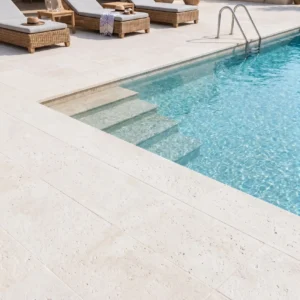
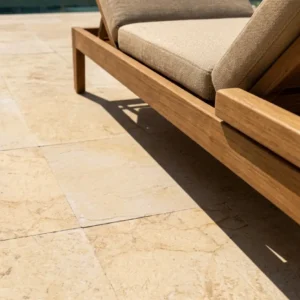
Decomposed granite front yard ideas live or die by what happens below the surface — a 4-inch DG layer on uncompacted or improperly graded subgrade will fail within two heavy rain seasons regardless of how well the visible design is executed. Your base isn’t just a foundation — it’s the drainage engine that keeps the entire surface functional. Compact to at least 95% Proctor density using a vibratory plate compactor, and verify subgrade slope before any material goes in: a minimum 1–2% grade away from structures is non-negotiable.
Decomposed Granite Front Yard Design Styles Worth Considering
The range of decomposed granite front yard ideas available to you is broader than most homeowners realize at the planning stage. DG isn’t a single aesthetic — it adapts to formal, naturalistic, and contemporary schemes with equal credibility. The key is understanding which design approach suits your architecture and how each one influences your material specification decisions.
- Formal gravel garden: DG contained by crisp steel or concrete edging, paired with clipped low-water shrubs and geometric planting beds — requires stabilized DG binder to hold tight edges under foot traffic
- Desert naturalistic: irregular DG fields flowing between boulders and ornamental grasses, with no rigid perimeter — raw, unstabilized DG works well here where wind and sheet flow are managed by plant mass
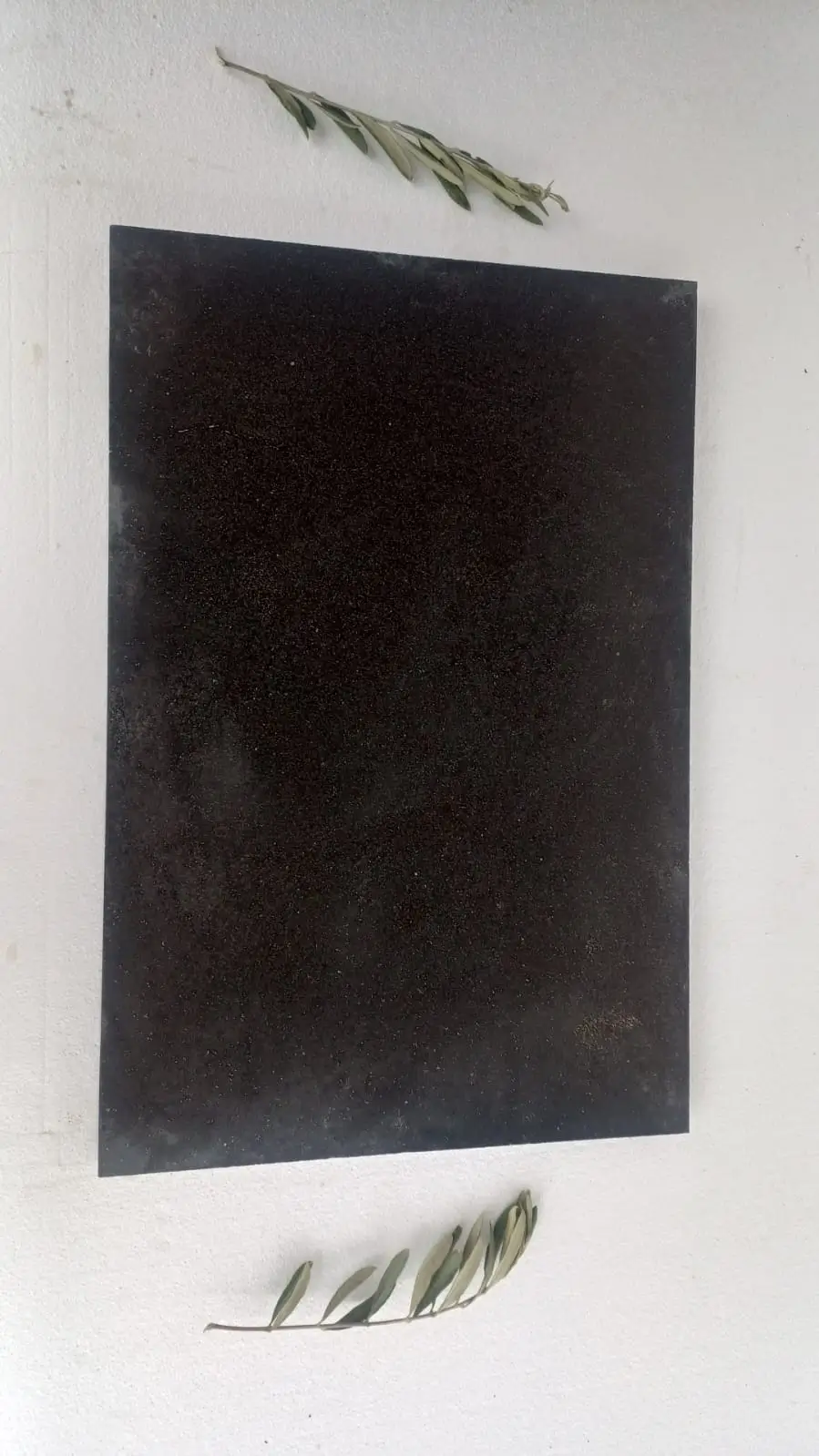
- Modern minimalist: large-format natural stone accent pavers set flush into a DG field, creating a clean grid of hardscape against the loose aggregate ground plane
- Cottage front garden: DG pathways winding through planted beds, with stepping stones and low border edging — medium grind (3/8-inch minus) gives the softest visual texture for this style
- Xeriscape structured: DG as the dominant permeable surface with defined zones for canopy trees, perennial clusters, and boulder groupings — your layout plan should prioritize tree root zones with deeper DG depth to 4 inches
Choosing the Right DG Grade and Texture
Your design style directly influences which DG grade you should specify. Decomposed granite comes in three practical grades for residential front yards, and each behaves differently underfoot, under rainfall, and against adjacent paving materials. Most suppliers grade by particle size — fine (1/4-inch minus), medium (3/8-inch minus), and coarse (3/4-inch minus) — and the choice affects compaction, dust, and runoff characteristics in ways that matter for front yard applications.
Fine-grind DG compacts most firmly and produces a near-surface appearance close to packed sand. It’s the right call for high-traffic entry paths where you want a stable surface without full stabilizer treatment. The trade-off is that fine DG generates more surface dust and can track into the entry significantly more than coarser grades. Medium 3/8-inch minus is the workhorse specification for most decomposed granite front yard landscaping — it balances compactibility with drainage rate and produces enough particle interlock to resist scattering underfoot. Coarse 3/4-inch minus is primarily a decorative mulch-replacement grade — it doesn’t compact well enough for walkable surfaces but excels as a top-dressing between established plants.
- Fine (1/4-inch minus): highest compaction, lowest drainage rate, most dust generation — best for primary entry paths
- Medium (3/8-inch minus): optimal balance for front yards with mixed foot traffic and planted areas
- Coarse (3/4-inch minus): purely decorative, excellent drainage, avoid on any surface that receives regular foot traffic
- Stabilized DG (polymer-bound): adds 15–20% material cost but virtually eliminates tracking, rutting, and washout on sloped entries
Drainage and Water Management for DG Front Yards
Here’s what most planning guides skip over entirely: decomposed granite is permeable only to the degree your base allows it to drain. A 4-inch DG layer sitting on compacted native clay will behave like an impermeable surface during heavy rainfall — water ponds on top, the fines migrate downward, and you end up with a rutted mess within a season. Your base preparation must include a permeable sub-base layer of 3/4-inch clean crushed aggregate, minimum 3 inches deep on clay-heavy soils, to intercept and redirect water laterally.
Rainfall intensity varies enormously across different parts of the country — from monsoon-pattern heavy pulses in late summer to prolonged moderate rain in high-precipitation seasons — and your drainage design needs to account for peak flow, not average flow. According to ASLA permeable surface design guidance, permeable aggregate surfaces significantly reduce stormwater runoff volume when the sub-base is properly designed for local soil infiltration rates. Size your perimeter drainage outlet — whether a French drain, channel drain, or daylight outlet — for the highest rainfall intensity your yard is realistically likely to see. A 1% over-design on drainage capacity costs almost nothing compared to repairing a washed-out DG front yard after a single significant storm event.
- Clay soils: mandatory 3-inch clean crushed aggregate sub-base plus 4-inch DG layer — do not reduce sub-base depth
- Sandy loam soils: 2-inch aggregate sub-base is typically sufficient, DG layer 3–4 inches
- Sloped sites (grade >5%): stabilized DG is non-negotiable, add check dams at 10-foot intervals on steep runs
- Flat sites with poor infiltration: install perimeter French drain before any DG placement
- High seasonal rainfall areas: increase edging height to 3–4 inches above finish DG grade to prevent washout at borders
Pairing Natural Stone Accents with Decomposed Granite
The design ideas that read best in finished DG front yards almost always involve a secondary hardscape element — and natural stone is the material that integrates with DG most convincingly. The contrast between a loose aggregate ground plane and a solid stone accent creates visual hierarchy that makes the yard feel designed rather than simply graveled. Your stone selection here matters more than most designers acknowledge upfront.
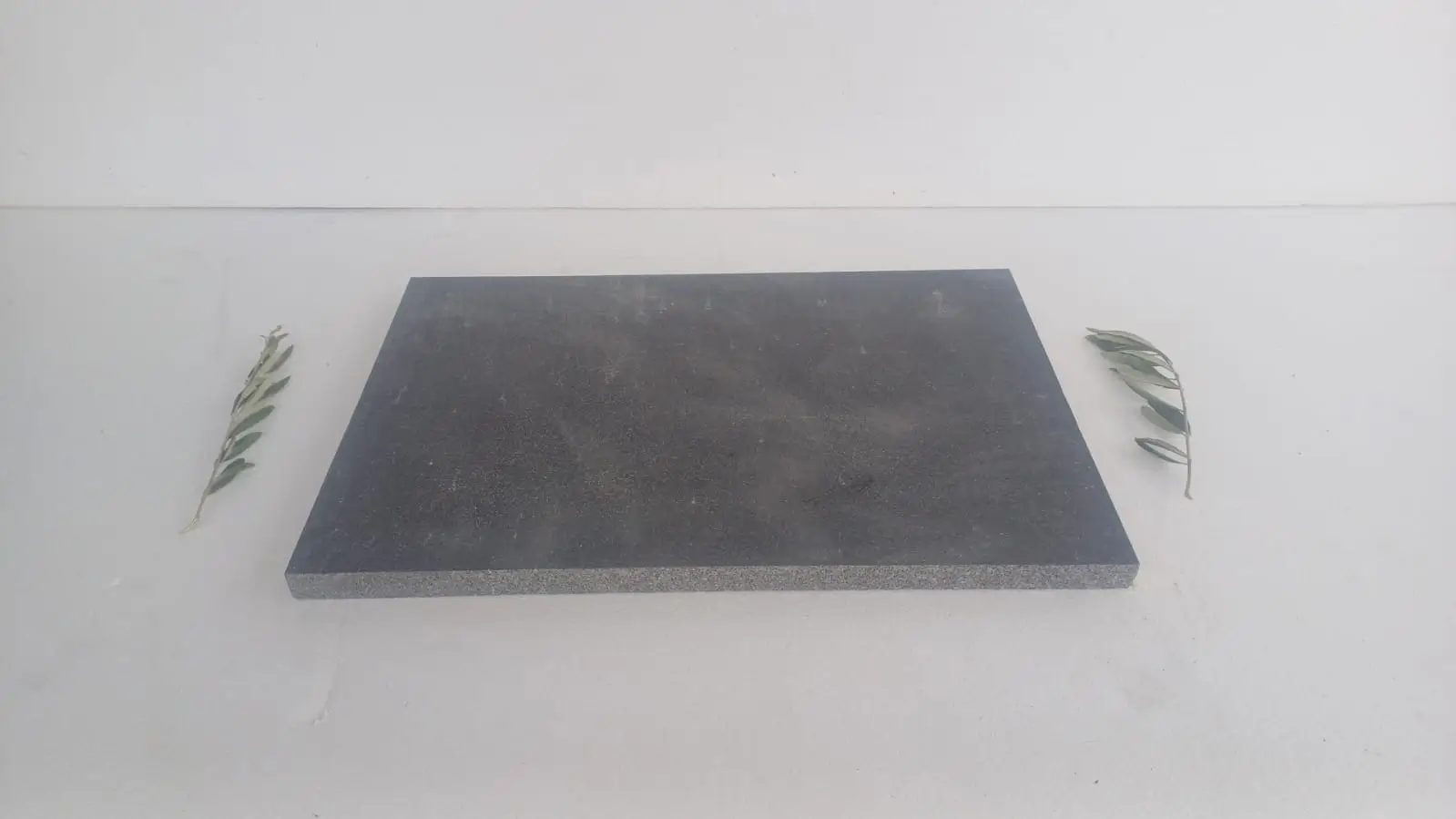
Natural stone pavers set flush into a DG field work best at nominal 2-inch thickness, set on a compacted aggregate bed that brings their top surface 1/4 inch above the surrounding DG finish grade. This slight reveal prevents DG from migrating onto the stone surface during rain events. Granite in grey or buff tones reads as contemporary; irregular flagstone in tan or brown tones reinforces the naturalistic DG aesthetic. For Citadel Stone yard stone products, the range of granite and natural stone accents that complement DG installations spans both formal and organic design styles, giving you material options that work at scale for residential front yards. Border edging in natural stone — whether a single course of cobble or a cut granite curb — does double duty as both aesthetic anchor and erosion control at the DG perimeter.
Edging Systems That Actually Hold DG in Place
The number of otherwise well-designed DG front yards that fail because of undersized edging is significant. DG migrates — onto sidewalks, into planted beds, across driveways — and the edging system you choose determines how much maintenance you’ll spend redirecting it back. This is a detail worth specifying correctly at the outset rather than correcting after the first season.
Steel edging at 3/16-inch thickness and 4-inch depth is the industry standard for DG containment in front yard applications. It holds a crisp line, resists the lateral pressure of moist DG, and weathers to a dark patina that disappears visually against the ground plane. Aluminum edging at the same dimensions is acceptable in low-traffic applications but will deflect over time under foot traffic at corners. Plastic edging — the kind sold at big-box stores — is not a viable specification for DG: it flexes under DG hydrostatic pressure during wet periods and allows consistent migration at joints. The NSI granite specifications and applications guidance reinforces that edge restraint quality directly determines the longevity of any aggregate-adjacent stone installation, a principle that applies equally to DG borders and natural stone paver fields.
- Steel edging (3/16-inch, 4-inch depth): best specification for all DG front yard types
- Concrete mow-edge border: appropriate where DG meets lawn, creates positive drainage direction
- Natural stone cobble border: aesthetically strongest option — set cobbles in a mortar bed for permanent containment
- Plastic edging: not recommended for DG — flexes under lateral pressure and fails at joints
- Aluminum edging: acceptable for curved decorative borders on low-traffic areas only
Weed Control Decisions Under Decomposed Granite
Your weed barrier specification under DG is one of the more consequential early decisions in any decomposed granite front yard landscaping project, and the conventional wisdom here is genuinely counterproductive. Most guides recommend standard non-woven landscape fabric under DG — it’s the wrong specification and here’s why it fails. Non-woven fabric allows DG fines to migrate down through its pores over 2–3 years, embedding the fabric permanently into the base while the surface loses its depth and becomes thin and prone to weed penetration from above.
The correct approach depends on what you’re trying to achieve. For purely decorative DG areas with no foot traffic, a woven geotextile at 4–6 oz/sq yd performs better because it resists fine migration while maintaining drainage. For walkable DG surfaces, skip the fabric entirely — a properly compacted base at the correct depth combined with pre-emergent herbicide application manages weed pressure more effectively than a fabric layer that will eventually create a false bottom and degrade your surface grade. The USGS dimension stone production and use data confirms that aggregate surfaces with well-compacted bases consistently outperform fabric-lined installations in long-term grade stability.
- High-traffic DG paths: no fabric — compacted base plus pre-emergent herbicide on 6-month cycle
- Decorative DG beds: woven geotextile only, minimum 4 oz/sq yd, never non-woven landscape fabric
- Transition zones between DG and planted areas: overlap geotextile under edging by 6 inches minimum to prevent weed infiltration at the seam
Planning Your Project and Material Quantities
Most first-time DG projects over-order or under-order because the coverage math seems simpler than it is. A standard 3-inch compacted DG depth requires approximately 1.5 tons per 100 square feet — but that figure assumes medium-grade DG at typical bulk density and 15% compaction reduction. Coarser grades compact less and require more volume to reach the same finished depth. Your project quantity calculation should use actual bulk density from your supplier’s material data sheet, not generic coverage estimates.
Lead times from warehouse inventory for bagged and bulk DG run 1–5 business days for standard grades. Stabilized DG with polymer binder is a specialty product that some suppliers stock only seasonally — verify warehouse availability before your installation window, especially for spring and fall project timelines when decomposed granite front yard landscaping demand peaks. Citadel Stone maintains consistent inventory of granite-family aggregate products and can confirm current stock before you finalize your delivery schedule, which prevents the common project-delay scenario of a compacted base sitting exposed while you wait for material. Your truck access constraints at the delivery site matter too — bulk DG arrives by the ton on a standard flatbed or dump truck, and narrow residential drives sometimes require smaller load splits that affect per-ton pricing.
Getting Your Decomposed Granite Front Yard Project Right
Pulling together the best decomposed granite front yard ideas into a finished project that performs for the long term comes down to executing a clear sequence: assess your drainage condition first, specify your DG grade to match your design style and traffic load, select edging that actually contains the material, and integrate natural stone accents that give the yard visual structure. Skip any of those steps and you’ll be making corrections within two seasons rather than enjoying a low-maintenance yard. The material itself is forgiving and genuinely durable when you’ve done the preparation work correctly — budget 3–4 inches of compacted DG depth as your baseline and build from there based on site-specific factors.
Your front yard project will also benefit from reviewing how adjacent hardscape performs under similar conditions. Planning a connected driveway in the same material? common DG driveway issues and fixes covers the specific problem patterns that driveway installations face and how to address them before they develop. Designers pairing ornamental grasses with stone borders often source complementary granite accents from Citadel Stone to give decomposed granite yards a more structured finish.
Related reading: Black Granite Stone Outdoor Use: Heat and Fading Facts · how to choose landscaping granite · dg decomposed granite.