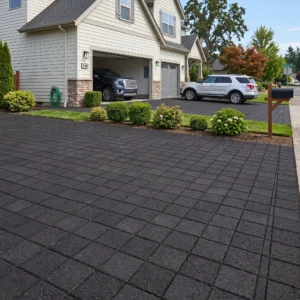
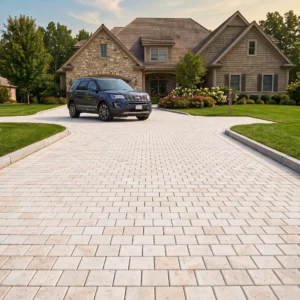
Not all types of patio stones perform the same under load, and the gap between a 12-year installation and a 25-year one usually comes down to decisions made before a single stone is set. The material you choose affects joint stability, base depth requirements, drainage geometry, and — in many jurisdictions — whether your installation meets local structural code minimums for hardscape. Thickness tolerances, compressive strength ratings, and surface finish all interact in ways that generic buying guides rarely explain with enough precision to matter in the field. This guide cuts through that gap and gives you the specification detail you actually need.
What Defines Patio Stone Performance
Compressive strength is the number that separates decorative surface stone from load-bearing patio material. You’re looking for a minimum of 7,500 PSI for a residential foot-traffic patio, and 11,000 PSI or higher if wheeled loads — carts, grills on casters, power equipment — will regularly cross the surface. The Natural Stone Institute’s outdoor stone variety guidance confirms that igneous and dense sedimentary stones consistently outperform softer calcium-based options under repeated point loading. That doesn’t mean limestone or travertine is off the table — it means you need to spec the right thickness and base configuration to compensate.
Porosity is the second axis. A high-absorption stone (above 5% water absorption by weight) in a freeze-thaw region demands a sealed surface and a positive-drainage base or you’ll face spalling within three to five winters. Dense stones like granite and basalt absorb less than 0.5%, which eliminates that risk almost entirely but introduces different trade-offs around thermal mass and surface temperature.
- Compressive strength minimum: 7,500 PSI for foot traffic, 11,000 PSI for wheeled loads
- Water absorption: below 0.5% for freeze-thaw climates, up to 3–5% acceptable in dry regions with proper sealing
- Flexural strength: critical for cantilevered installations or large-format slabs (12×24 and above)
- Surface coefficient of friction (COF): 0.6 minimum for dry conditions, 0.8+ recommended for wet or shaded exposures
- Thickness: 1.25 inches minimum for pedestrian use, 2 inches for heavy residential loads
Granite: The High-Durability Standard
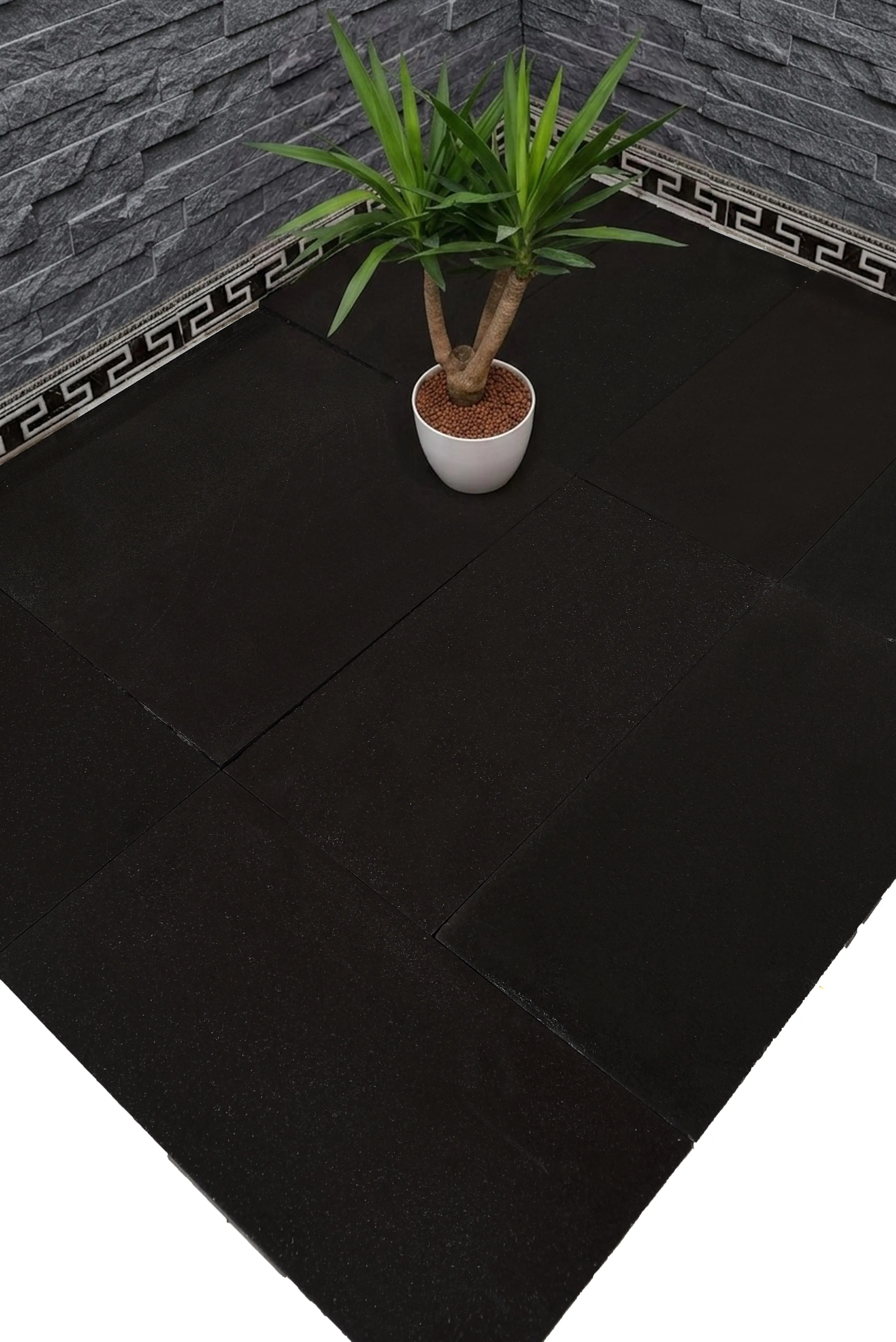
Granite sits at the top of the performance hierarchy for types of patio stones — and not without reason. Its interlocking crystalline structure delivers compressive strengths routinely exceeding 19,000 PSI, and its near-zero porosity means it’s essentially highly resistant to freeze-thaw damage without any sealing at all. Natural stone patio pavers in granite can run for 30-plus years with nothing more than an occasional pressure wash and a biennial pH-neutral cleaning.
The trade-off is thermal mass. Granite absorbs and holds heat aggressively — dark-toned varieties can reach surface temperatures 30–40°F above ambient air temperature during peak sun exposure. For covered patio applications or north-facing installations, that’s a non-issue. For sun-drenched open terraces where barefoot traffic is the norm, factor that into your finish and color selection. Light grey and salt-and-pepper granites stay meaningfully cooler than charcoal and black variants.
- Compressive strength: 15,000–25,000 PSI depending on quarry source
- Water absorption: typically below 0.4% — no sealing required for most climates
- Ideal thickness for patio use: 1.25 to 1.5 inches in a mortared system, 2 inches for sand-set
- Finish options: flamed (highest slip resistance), honed (moderate), polished (not recommended for outdoor use)
- Color stability: excellent — UV exposure does not materially affect granite surface tone
Granite patio stones are particularly well-suited to high-traffic zones that connect interior and exterior spaces. The material handles wheeled loads, foot traffic, and heavy planters without joint displacement — provided the base is compacted to 95% Proctor density and aggregate depth is appropriate for local frost line depth.
Limestone: The Aesthetic Workhorse
Limestone is probably the most specified natural stone for residential and commercial patios across the country, and the range within that single category is wider than most buyers realise. Dense, tight-grained limestone from certain quarries can push 12,000 PSI — while softer, more porous varieties from other formations sit closer to 4,000 PSI. Treating limestone as a monolithic category is the single most common specification error in the category.
Dense limestone at 1.5 inches in a sand-set system with a 4-to-6-inch compacted aggregate base performs extremely well for residential patios in most structural conditions. The surface stays noticeably cooler than granite or basalt under direct sun because its lighter calcium carbonate composition reflects a higher percentage of solar radiation. That’s a genuine thermal performance advantage worth noting for south-facing outdoor rooms. The USGS dimension stone production data consistently ranks limestone among the highest-volume natural stone materials used in construction, which tracks with its versatility across climate zones and architectural styles.
- Compressive strength range: 4,000–14,000 PSI — always verify specific quarry data before specifying
- Water absorption: 3–8% in softer varieties, under 2% in dense grades
- Sealing: mandatory in freeze-thaw regions, recommended everywhere for stain resistance
- Surface finish: honed is the standard for outdoor use — tumbled edges reduce trip-hazard risk at joints
- Thermal performance: significantly cooler surface than granite or basalt in equivalent sun exposure
When sourcing stones for outdoor patio use in limestone, verify that the supplier provides quarry-specific technical data sheets — not just generic limestone specs. At Citadel Stone, we pull technical data from each quarry source and make that documentation available before order confirmation, because the variance between quarry grades genuinely matters at specification stage.
Travertine: Texture, Drainage, and Trade-Offs
Travertine’s vascular pore structure — the network of natural voids that gives it its distinctive surface texture — is simultaneously its greatest performance asset and its most misunderstood liability. Those pores create natural micro-drainage channels that reduce standing water on the surface, which is why travertine has been specified for outdoor installations in hot, humid regions for centuries. The surface stays relatively cool under solar load because air circulating through the pore network interrupts the heat-sink effect you get with denser stones.
The liability side of the ledger: unfilled travertine in a patio setting will collect organic debris in those voids over time. Leaf tannins, algae, and moisture accumulation in partially shaded sections create staining and biological growth that’s genuinely difficult to remediate without acid washing — which itself requires careful neutralization to avoid damaging the stone. Filled-and-honed travertine addresses this by sealing the voids with grout or resin during processing, but you sacrifice some of the natural drainage benefit. For outdoor patio applications in areas with significant leaf drop or overhead tree coverage, filled travertine with a penetrating sealer every two years is the right call.
- Surface temperature: measurably lower than dense igneous alternatives — a genuine barefoot-comfort advantage
- Pore structure: unfilled provides micro-drainage, filled provides stain resistance — choose based on site context
- Compressive strength: 3,500–8,000 PSI — not suitable for vehicular loads at standard patio thickness
- Standard patio thickness: 1.25 inches (filled) to 1.5 inches (unfilled) in a sand-set system
- Sealing frequency: every 18–24 months in outdoor exposure to maintain stain resistance
Bluestone: The Dense, Dependable Mid-Range Option
Bluestone occupies a practical sweet spot in the best patio stones hierarchy — dense enough to handle freeze-thaw cycling without aggressive sealing protocols, workable enough to cut cleanly into large-format slabs, and available in a finish range from natural cleft (the highest slip resistance) to thermal and honed. Its compressive strength typically falls between 10,000 and 15,000 PSI, which puts it comfortably above the threshold for heavy residential use including wheeled loads.
The natural cleft finish on bluestone gives you a COF that exceeds 0.8 in wet conditions — comfortably above the threshold most jurisdictions require for commercial outdoor surfaces. That’s a specification advantage worth documenting if you’re working on a project where the inspector will want slip resistance verification. Honed bluestone is beautiful in covered outdoor dining areas, but its smoother face offers less grip when wet, so verify the wet DCOF test report before specifying it for an open, rain-exposed patio.
- Compressive strength: 10,000–15,000 PSI depending on formation and quarry
- Natural cleft finish COF: 0.8+ wet — suitable for open outdoor exposure
- Honed finish COF: approximately 0.5 wet — appropriate for covered patios only
- Water absorption: 1–3% — penetrating sealer recommended but not mandatory in most climates
- Large-format availability: 24×24 and 24×36 slabs are commonly available and structurally sound at 1.5-inch thickness
Flagstone: Irregular Character, Specific Base Requirements
Flagstone is a category, not a specific material — and that distinction matters enormously when specifying patio stones types for outdoor use. The term encompasses quartzite, sandstone, slate, and certain limestones cut or split into irregular-shaped pieces for random-pattern patio installation. The performance characteristics vary dramatically by underlying material. Quartzite flagstone at 1.5 inches in a mortar-set system is a legitimate 30-year installation. Soft sandstone flagstone in a sand-set system in a freeze-thaw climate is a 7-to-10-year installation at best.
The irregular joint geometry of a flagstone patio also creates base preparation challenges that regular-format stone doesn’t. Your mortar or gravel bed has to accommodate varying stone thickness across each piece — good flagstone from a reputable supplier holds thickness variation to ±0.25 inches, but lower-grade material can vary by 0.5 inches or more within the same pallet. That variation requires either a deeper mortar bed with more adjustment time per piece, or a dry-set system with additional sand topping to account for the differential. Factor an additional 15–20% labor cost over regular-format paving when budgeting flagstone patio work.
- Material options under the flagstone label: quartzite, sandstone, slate, and certain limestone grades
- Thickness variation: ±0.25 inches from quality suppliers, up to ±0.5 inches in lower grades
- Mortar-set system: recommended for freeze-thaw regions and for flagstone above 18 inches in any dimension
- Sand-set system: acceptable for quartzite and hard limestone flagstone in temperate climates with good drainage
- Joint treatment: polymeric sand or mortar — avoid standard sand in flagstone applications due to organic debris infiltration in irregular joints
Exploring the natural stone options at Citadel Stone gives you a side-by-side view of flagstone, granite, limestone, and bluestone in the same product range — which is genuinely useful when comparing thickness tolerances and surface finish options before committing to a specification.
Basalt: The Dense, Dark Performer
Basalt is the underspecified option in the types of patio stones conversation — and it deserves more attention than it typically gets in residential project specifications. Its volcanic origin produces an extremely fine-grained structure with compressive strengths typically exceeding 25,000 PSI and water absorption rates below 0.5%. That combination makes it one of the most durable natural patio stones available, with no practical upper limit on service life in freeze-thaw climates when properly installed.
The thermal mass behavior is the key trade-off to understand. Basalt holds heat more aggressively than almost any other patio stone — dark honed basalt in full sun exposure can reach surface temperatures that make barefoot use genuinely uncomfortable in summer. For architectural patios with covered pergola structures, outdoor kitchens, or installations where aesthetics and structural durability take priority over midday thermal comfort, basalt is a compelling specification. For an open south-facing terrace designed for summer barefoot lounging, the thermal mass is a meaningful limitation. According to USGS basalt volcanic rock data, basalt’s dense mineral composition gives it exceptional abrasion resistance — a performance factor that matters significantly on high-traffic patio entries and transition zones.
- Compressive strength: typically 20,000–30,000 PSI — among the highest of any natural patio stone
- Water absorption: below 0.5% — sealing is optional rather than required
- Surface finish options: honed (smooth, slightly reflective), bush-hammered (textured, excellent slip resistance)
- Thermal mass: high — plan finish and orientation carefully for open sunny installations
- Color range: charcoal to blue-black — consistent across quarry batches
Building Codes and Structural Requirements for Patio Stone
Local building codes affect patio stone specification more than most buyers realize — and the requirements vary meaningfully across jurisdictions. In frost-affected regions, the International Residential Code sets minimum base depths at 4 inches of compacted aggregate above undisturbed subgrade, but many local amendments push that to 6 or 8 inches to account for frost line depth. Verify your local frost line and confirm the required base depth with your building department before specifying base materials, because getting this wrong means the entire installation heaves and has to be reset.
Seismic zones add another layer. In regions with moderate-to-high seismic activity, mortared patio stone installations over concrete slabs need flexible sealant joints rather than rigid grout at perimeter edges — the differential movement between the stone field and adjacent structure during seismic events will crack a fully rigid assembly. Many jurisdictions now require a minimum ⅜-inch flexible joint every 8 feet in mortared outdoor stone applications. Edge restraint requirements also appear in local codes for sand-set patio installations — most jurisdictions require a mechanical edge restraint system (concrete haunch, steel edging, or equivalent) to prevent lateral creep, particularly on slopes exceeding 2% grade.
- Frost line compliance: verify local frost depth and minimum base depth requirements before ordering base materials
- Edge restraint: required by code in most jurisdictions for sand-set installations on slopes above 2% grade
- Seismic joint requirements: flexible sealant joints at perimeter in moderate-to-high seismic zones
- ADA compliance: surface COF of 0.6 minimum dry and 0.8 wet for any publicly accessible patio or walkway
- Drainage slope: most codes require a minimum 1.5% grade away from structures — verify this is achievable with your selected stone thickness before final specification
The ASLA outdoor patio stone material selection guidance also addresses permeable surface requirements that some municipalities now mandate for hardscape above certain square footage thresholds. If your project is in a municipality with stormwater management ordinances, check whether permeable paving — open-jointed or porous stone — is required before finalizing your joint treatment specification.
Base Preparation and Stone Thickness: What the Numbers Mean
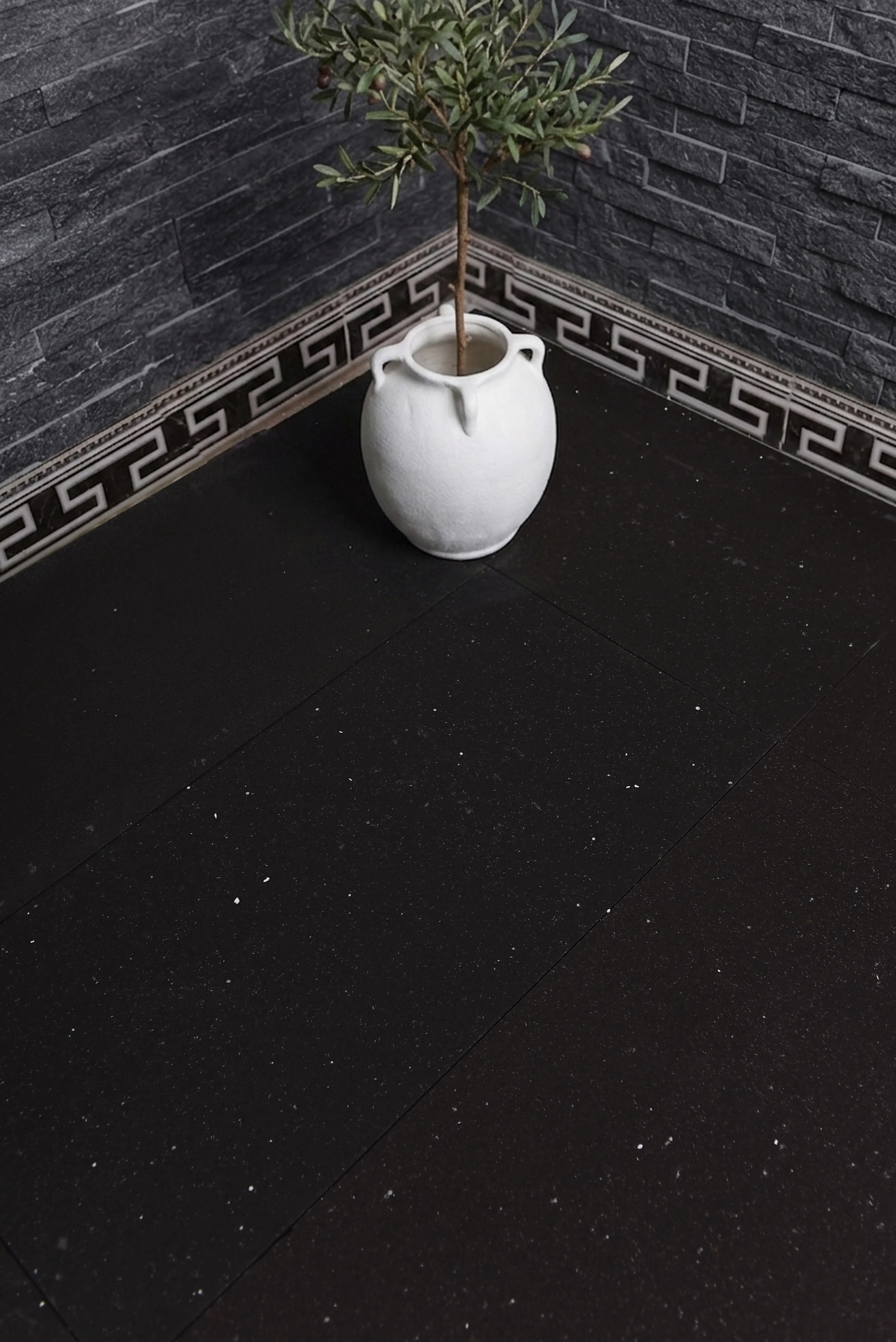
Base preparation decisions carry more weight than the stone selection itself in terms of long-term installation stability. A premium granite patio stone set on an inadequately compacted base will fail in five years. A mid-range limestone slab set on a properly engineered base will still be performing in twenty. The base is where you spend the money that doesn’t show in photographs but does show in decades of service life.
Compacted aggregate base depth should be calculated based on three variables: anticipated load, soil bearing capacity, and local frost line depth. For standard residential patio use (foot traffic, patio furniture, occasional wheeled grill), 4 inches of compacted crushed stone base over geotextile fabric is the functional minimum in non-frost areas. In freeze-thaw regions, 6 to 8 inches of compacted aggregate is the working standard, and many experienced installers push to 10 inches in heavy clay soils. The aggregate should compact to 95% Proctor density — field-verified with a plate compactor, not estimated by eye.
- Standard residential base: 4 inches compacted aggregate in non-frost zones, 6–8 inches in freeze-thaw regions
- Heavy clay soils: add a geotextile separator layer and consider 10 inches of aggregate depth
- Sand-set bedding layer: 1 inch of coarse concrete sand (ASTM C33) screeded level over compacted aggregate
- Mortar-set system: requires a concrete slab subbase — minimum 4 inches, reinforced with mesh or rebar
- Stone thickness: 1.25 inches for light residential, 1.5–2 inches for heavy residential, 2+ inches for commercial applications
Types of patio stones at 2-inch thickness in a sand-set system on a properly compacted base can handle point loads equivalent to a loaded hand truck or garden tractor — comfortably above what most residential patios ever experience. Going thinner than 1.25 inches in a sand-set system introduces flexural failure risk in large-format stones (18×18 and above) when those stones bridge a soft spot in the bedding layer. That failure mode — a crack appearing 6 to 18 months post-installation — is almost always a stone thickness or bedding-layer issue, not a material quality issue.
Choosing the Best Patio Stones for Specific Applications
The best patio stones for a covered outdoor dining room are not the same as the best patio stones for a poolside terrace or a high-traffic patio entry — and treating them as interchangeable is how projects end up with slip-resistance problems, thermal comfort issues, or maintenance burdens the client didn’t anticipate. Match material selection to the specific functional demands of each zone within the project.
For high-traffic transition zones and entries, the priority is abrasion resistance and slip resistance. Flamed granite and bush-hammered basalt both deliver COF values above 0.8 wet and resist the surface wear that appears on softer stones after years of concentrated foot traffic. For dining and seating areas with minimal movement, there is more latitude to prioritize aesthetics — honed limestone, filled travertine, and natural cleft bluestone all perform well in lower-intensity zones. For pool-adjacent patios where barefoot comfort and wet-surface safety are both priorities, textured travertine or thermally finished limestone are the practical standards.
- High-traffic entries: flamed granite or bush-hammered basalt — COF above 0.8 wet, high abrasion resistance
- Dining and seating zones: honed limestone, filled travertine, or honed bluestone (covered installations)
- Pool-adjacent areas: textured travertine (unfilled) or thermal-finish limestone — cool surface, adequate slip resistance
- Large open sun terraces: light-toned limestone or bluestone — thermal performance advantage over dark igneous stones
- Freeze-thaw climates: granite, quartzite flagstone, or dense bluestone — low absorption prevents frost damage
Stones for outdoor patio use in high-humidity or heavily shaded environments need additional consideration for biological growth. Dark, porous stones in perpetually shaded sites will develop algae and moss growth that requires regular cleaning. Specifying a lithofluate-type biocide treatment annually, combined with a penetrating hydrophobic sealer, addresses this — but factor that maintenance requirement into the client conversation before specification is finalized.
Ordering, Logistics, and Lead Times
Project timeline management starts with understanding the supply chain for natural stone. Standard dimensional stone — granite, limestone, and bluestone in common sizes — typically ships from warehouse stock with lead times of one to two weeks for most national delivery points. Custom-cut large-format slabs, non-standard thicknesses, or specialty materials like certain basalt or quartzite grades may require four to six weeks if they’re not stocked domestically and need to move through import logistics.
Truck access conditions at the delivery site are a practical constraint worth documenting early. A flatbed truck delivering pallet quantities of 2-inch granite patio stone requires a hardened surface for safe off-loading — soft soil or steep grades create real handling risks. Citadel Stone’s logistics team coordinates delivery scheduling based on site access conditions, which is worth a conversation before your order ships if the site presents any access constraints. Checking warehouse inventory levels before confirming project timelines also matters more than most buyers realize — stock depletion on a specific stone color or format mid-project forces either a material switch or a supply delay that pushes completion dates.
- Standard stock items: 1–2 week delivery lead time in most cases
- Custom cuts or specialty formats: 4–6 weeks depending on quarry origin and import schedule
- Pallet quantities: verify truck access and off-loading conditions before scheduling delivery
- Overage allowance: order 8–10% above measured area to account for cuts, breakage, and future repairs
- Color matching: order the full project quantity from a single warehouse batch — color variation between batches is real and can be visible in installed stone
Getting Your Patio Stone Specification Right
Narrowing down the types of patio stones that fit your specific project comes down to a layered decision: compressive strength and thickness for structural requirements, absorption and sealing needs for climate and maintenance expectations, surface finish for slip resistance and thermal comfort, and then aesthetics within that filtered set. That sequence produces specifications that hold up — skipping to the aesthetic decision first and working backwards is where most patio stone selection problems originate.
If you want to see installation fundamentals alongside the material selection process, laying paving stones correctly covers the base preparation and setting sequence that makes the material choices above actually deliver their rated performance. The material and the installation method are inseparable — even the best patio stones underperform on a compromised base. When selecting between porous and dense stone types, Citadel Stone’s range lets buyers evaluate slip resistance and thermal mass side by side.