

What Grey Stones Bring to a Landscape
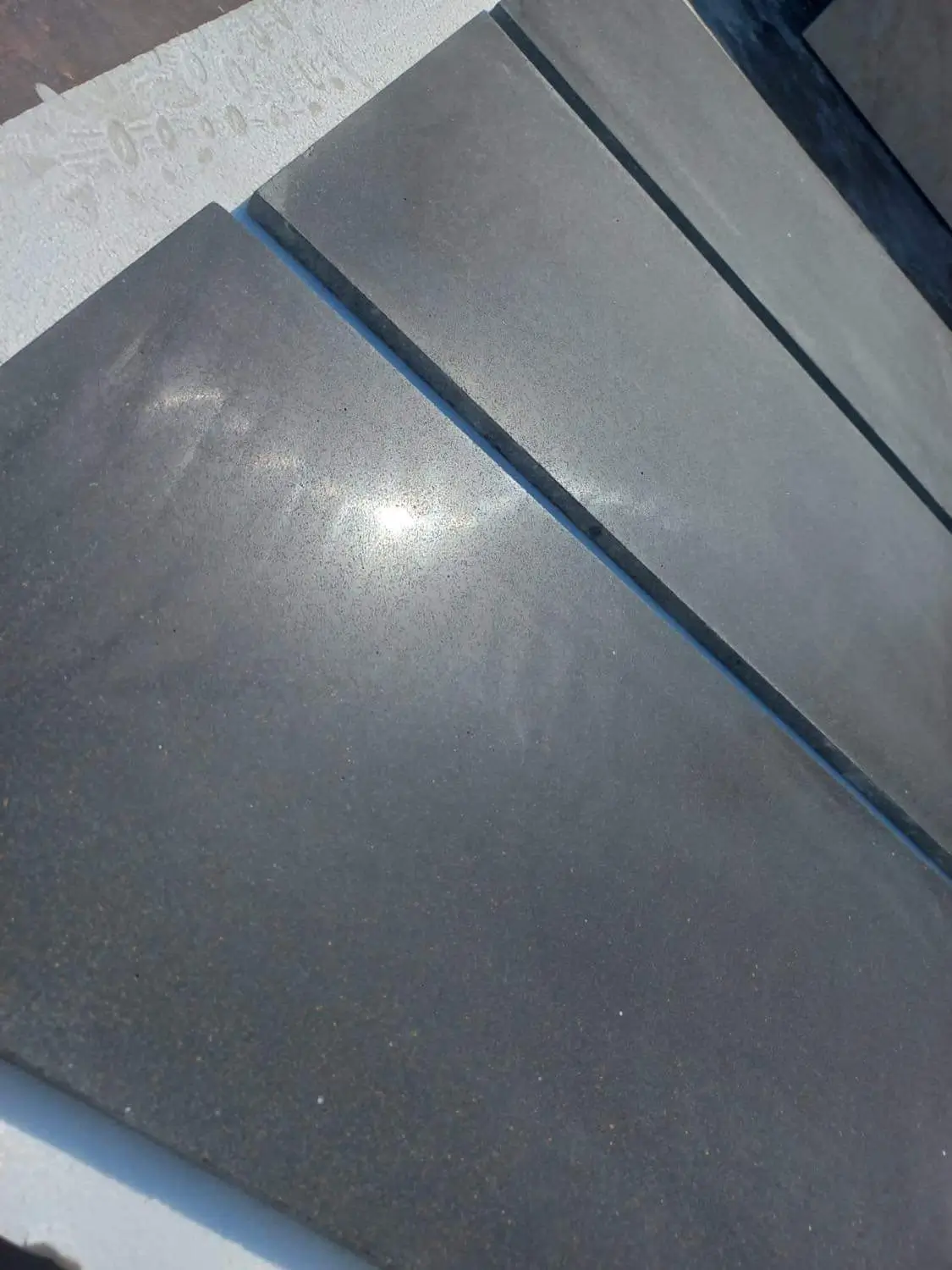
Grey stones for landscaping offer something most materials simply can’t replicate — a neutral, grounding palette that holds its visual weight across every planting scheme, hardscape finish, and architectural style. The colour range within grey natural stone is broader than most people anticipate: you’ll find blue-grey basalt with near-metallic undertones, warm dove-grey limestone that softens in afternoon light, and deep charcoal flagstone that reads almost graphite in certain exposures. That variation is what makes thoughtful material selection so critical before you commit to a single format or finish.
Format Picks That Define the Look
The format you choose — slab, paver, cobble, or flagstone — shapes the design outcome just as much as the stone type itself. Large-format grey limestone slabs create a seamless, contemporary feel in open garden spaces, while tumbled grey cobblestones shift the atmosphere toward an informal, cottage-garden character. Your stone format selection also sets the visual rhythm of the space: regular-coursed pavers read as structured and deliberate; irregular flagstone lays down a more naturalistic, ground-plane texture that complements soft planting.
- Large-format slabs (600mm × 600mm and above) work best in open, geometric layouts where grout lines read as intentional design elements
- Tumbled cobblestones suit pathway borders and accent bands — their rounded profile contrasts well against cut-edge planting beds
- Grey flagstone in irregular shapes fits naturalistic gardens where straight lines would feel out of place
- Grey stone pavers in modular sizes (400mm × 400mm or 600mm × 300mm) give you the flexibility to mix coursing patterns without dramatic cost impact
Grey Limestone and Basalt: The Two Workhorses
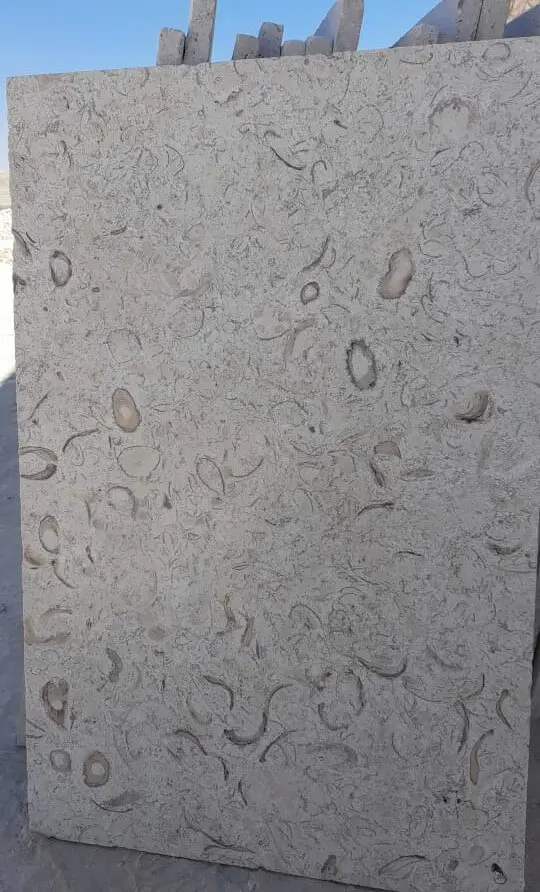
Within the grey stone family, limestone and basalt are the formats specifiers reach for most often — and for good reason. Grey limestone offers a softer, more porous surface that responds well to honed and bush-hammered finishes, while basalt brings a denser, harder face suited to high-traffic areas. According to Natural Stone Institute stone variety specifications, each stone type carries distinct porosity and absorption characteristics that directly influence maintenance requirements and long-term performance. Understanding those differences upfront saves you from premature surface degradation or sealing failures down the line.
Grey limestone pavers in a honed finish stay cooler underfoot than comparable dark igneous alternatives, which matters in exposed garden beds and patio areas that receive prolonged direct sun. Basalt, on the other hand, delivers compressive strength well above 15,000 PSI in most quarry-sourced stock, making it the right call for driveways, feature walls, or any surface carrying repeated point loads. Matching your stone to the performance envelope of the application — not just the colour — is where design inspiration meets real-world durability.
Front Yard Design with Grey and White Stone
One of the most requested combinations in residential landscape design right now involves white rock front yard landscaping set against grey stone pathways or feature borders. The contrast works because white aggregate or white limestone chips reflect light and open up tighter front yard spaces visually, while the grey stone hardscape anchors the scheme with structural weight. This pairing shows up repeatedly in drought-tolerant garden designs, where planting is sparse and the stone itself carries most of the visual load.
Front yard landscaping with white rock alongside grey pavers also carries practical advantages. White decorative rock reflects solar radiation effectively, reducing surface heat accumulation in exposed planting beds — a genuine benefit in hot, dry climates where plant establishment is difficult. Your grey stone border or pathway provides definition without competing with the white ground cover for visual dominance. The result is a palette with tonal contrast that reads clearly at street scale, which matters for kerb appeal regardless of property size.
- Use grey stone pavers to define the primary path from street to entry — white rock infill between beds adds brightness without cluttering the main line of travel
- Grey cobblestone edging separates white rock ground cover from lawn panels cleanly, eliminating the need for plastic or metal borders
- A grey stone landing at the front entry grounds the white palette — keep it at least 1.2m × 1.2m so it reads as an arrival point, not just a stepping stone
Stone Landscape Design Principles That Hold Across Styles
Stone landscape design succeeds when the material selection is driven by the spatial logic of the garden rather than by trends. Grey stones for landscaping work in contemporary minimalist gardens because their neutrality doesn’t compete with clean lines or architectural planting. They work equally well in naturalistic designs because grey is the colour of weathered rock — it belongs in a landscape the way few manufactured materials ever do. Your design brief should identify which reading you want before you specify a finish or format.
Finish selection determines surface character more than stone colour does. A polished grey limestone reads luxurious and urban; a bush-hammered version of the same stone reads rugged and tactile. Sandblasted finishes on grey basalt introduce a matte quality that photographs neutrally and blends into planting without drawing attention. The American Society of Landscape Architects hardscape guidance consistently emphasises matching surface texture to use context — a principle that holds whether the project is a residential terrace or a large-scale commercial garden.
Budgeting for Grey Stone: What Sourcing Decisions Actually Cost You
Here’s what most landscape designers don’t account for early enough: the delivered cost of grey stones for landscaping varies significantly based on freight distance from the nearest warehouse, not just the unit price per square foot. If your project is within efficient truck range of a stocked national supplier, your material-to-labor cost ratio stays manageable. Push that freight distance out to a remote site and your cost per installed square foot can climb 20–35% before a single paver is placed.
At Citadel Stone, we see this play out across national project inquiries regularly — buyers who focus on stone unit price and overlook the logistics component often face budget overruns at the delivery stage. Checking warehouse stock levels before finalising your stone selection is worth the five-minute phone call. Verified availability against your project timeline keeps your schedule intact and your contingency budget where it belongs. According to USGS dimension stone production and use data, natural stone freight logistics represent a meaningful share of total project cost in dimension stone supply chains — a factor that’s easy to underestimate at specification time.
You should also compare our neutral-tone landscape stone formats against your design drawings before you price labor — stone format complexity has a direct multiplier effect on installation time, and your contractor’s labor rate applied over a complex flagstone lay versus a modular paver grid can shift total project cost by more than the material difference between stone types.
Thickness and Base Preparation: Getting Grey Stone Pavers Right
Grey stone pavers for pedestrian use typically spec at 30mm nominal thickness for standard foot traffic, stepping up to 40–50mm for areas receiving occasional vehicular access or heavy load. What field experience confirms — and what product sheets rarely state clearly — is that base preparation contributes more to long-term performance than stone thickness alone. A 40mm grey basalt paver on a poorly compacted sub-base will rock, settle, and crack joint sand within two seasons. The same paver on a properly graded, compacted aggregate base with correct drainage fall will outlast the planting around it by decades.
- Minimum 100mm compacted aggregate base for pedestrian grey stone paving — increase to 150mm where soil is clay-heavy or drainage is poor
- Maintain a 1.5–2% drainage fall across the paved area — grey stone’s natural surface variation can mask pooling until efflorescence or algae makes it visible
- Joint sand must be properly compacted and sealed on grey limestone to prevent wash-out, which causes differential settlement and lippage over time
- Expansion joints at 4–5 metre intervals prevent thermal movement from telegraphing through the stone — skip them and grey stone pavers will find their own relief through cracking
Maintenance: Realistic Expectations for Grey Natural Stone
Grey natural stone is genuinely low-maintenance compared to lighter stones, partly because its tonal range absorbs minor soiling and algae development without the same visual impact that white or cream stones suffer. That said, sealing is worth the investment on grey limestone pavers in shaded or wet-exposure positions. Biennial application of a penetrating impregnator — not a topical coating — keeps the stone protected without altering its surface character or creating a glossy film that reads as artificial outdoors.
Basalt and harder grey stones in high-traffic positions require less maintenance intervention, but you should inspect joint integrity annually. Joint sand migration is the first sign of sub-base movement, and catching it early avoids the more significant repair of relaying a section. The Natural Stone Institute variety specifications provide maintenance guidance by stone type — cross-referencing your specific material’s absorption class with your site’s exposure conditions gives you a defensible maintenance schedule rather than a generic one.
Before You Specify Grey Stones for Landscaping
Your final material decision for grey stones for landscaping should run through three quick checks: format fit against the design intent, stone type against the performance requirements of the application, and delivered cost against your project budget with freight accounted for. Most specification errors trace back to one of those three being skipped. Citadel Stone maintains national warehouse inventory that keeps lead times predictable — typically one to two weeks for stocked formats — which means you don’t need to build a six-week import buffer into your project schedule.
As you develop your stone specification, it’s also worth considering how raised or stacked stone elements interact with your grey paving palette. Complementary wall features in matching or tonal stone extend the design language vertically and add structure to flat garden compositions. For guidance on incorporating stone into vertical landscape features, landscaping wall stone design covers how natural stone performs in raised and retained applications. Grey stone from Citadel Stone reflects less heat than dark rock, keeping planting beds cooler in bright afternoon sun.
Related reading: Rock Garden Landscaping Ideas: Design and Build Tips · Hardscape vs Softscape: Balancing Stone and Plants · Small Rocks vs Fake Rocks: Which Belongs Outside?.