What the Comparison Actually Reveals
The small rocks vs fake rocks debate sounds simple until you’re standing on a job site realizing that one material shifts with freeze-thaw cycles and the other delaminates under hail impact. Your choice here isn’t aesthetic — it’s structural, and it affects how your landscape performs over a decade rather than a season. Natural stone used in landscape applications carries genuine mineralogical density and load-bearing integrity that polyurethane or fiberglass replicas cannot replicate at any price point. The performance gap becomes especially visible in regions with severe storm cycles, strong wind events, and heavy precipitation.
What Defines Natural Small Rocks
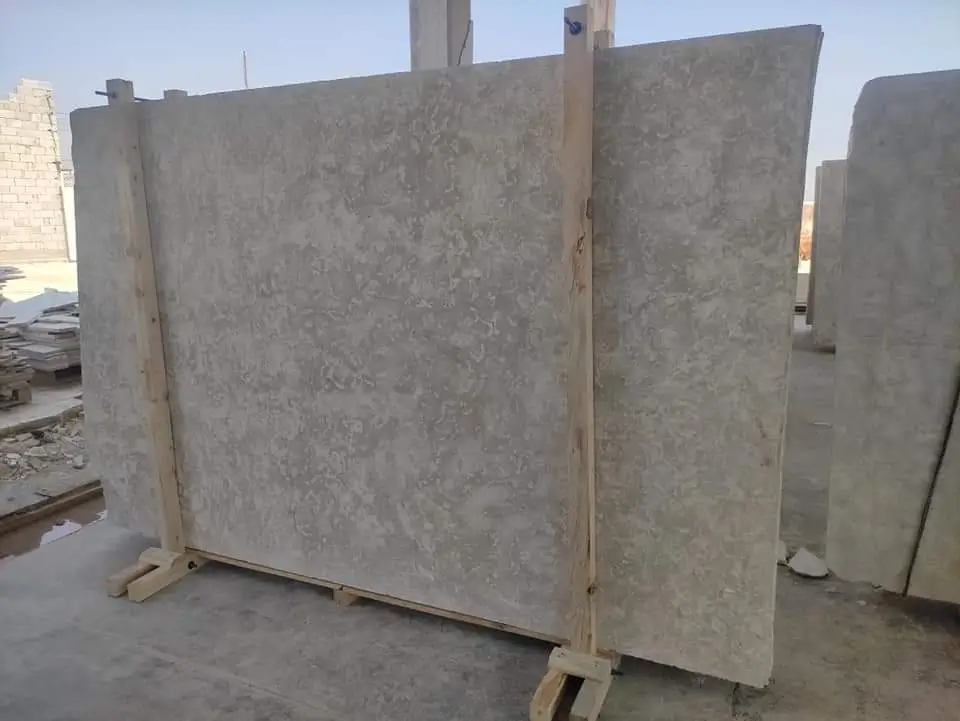
Natural small rocks for landscaping are quarried, crushed, or river-tumbled fragments of authentic mineral material — limestone, basalt, granite, or quartz — processed to consistent size ranges and sold by volume or weight. Their density typically falls between 150 and 175 pounds per cubic foot depending on stone type, which is what gives them their ground-holding stability. You’re not buying a surface coating or a shell — you’re buying the actual geological material that formed over millions of years under compressive force.
The porosity of natural stone varies by type and directly affects drainage performance. Crushed limestone, for instance, contains calcium carbonate that grades cleanly and compacts without becoming hydrophobic. According to USGS geological data on limestone composition, its carbonate matrix gives it excellent load distribution properties across varied soil bases — a critical consideration when specifying material beneath heavy garden features or adjacent to retaining walls.
- Compressive strength typically ranges from 8,000 to 25,000 PSI depending on stone variety
- Material density provides natural wind resistance — stones stay in place under sustained gusts
- Colour variation is inherent and doesn’t fade because pigment is mineralogical, not applied
- Surface texture remains consistent through freeze-thaw cycles and UV exposure
- Compatible with permeable drainage systems and natural soil ecosystems
What Fake Rocks Are Actually Made Of
Most decorative fake rocks for landscaping are manufactured from polyurethane foam, fibreglass-reinforced resin, or concrete composites moulded into boulder or pebble shapes. The better-grade products use a fibreglass shell with pigmented gel coat for UV resistance, but even those carry a finite colour lifespan. Entry-level versions are hollow polyurethane with a painted exterior, and that’s where the seam and fade problems originate — the pigment layer is separate from the structural layer, and once UV degradation begins, the two stop performing as a unit.
From a structural standpoint, the hollow core design is the fundamental weakness. You get a lightweight object that looks like a rock but doesn’t behave like one when mechanical stress is applied. Wind loading during storm events can shift or overturn lightweight faux boulders entirely, especially when they’re used as standalone accent pieces without anchoring. Hail impact leaves permanent dents in softer foam-core units, and high-velocity wind-driven rain infiltrates seam joints in ways that accelerate internal deterioration from the inside out.
- Hollow polyurethane cores weigh as little as 3–8 pounds regardless of exterior size
- Gel coat finishes typically show UV-related colour shift within 3–5 years of installation
- Seam joints between moulded halves create structural failure points under impact
- Fibreglass versions offer better durability but cost 4–6 times more than foam alternatives
- No soil integration — faux rocks sit on top of grade rather than within it
Performance Under Wind and Storm Conditions
Here’s what most landscape specifications overlook: the small rocks vs fake rocks comparison shifts dramatically when severe weather enters the equation. Natural stones weighing even 1–3 pounds per unit collectively create interlocking mass that resists wind displacement. A properly graded and compacted bed of small white stones for landscaping, for example, will remain stable under sustained wind speeds that would scatter lightweight synthetic alternatives. The aggregate-to-aggregate friction at contact points creates system-level stability that no hollow moulded product can duplicate.
Fake rocks used as accent boulders present a specific storm risk that’s often underestimated. During high-wind events, an unanchored 15-pound hollow fibreglass boulder becomes a projectile — it has enough surface area to catch wind efficiently but not enough mass to resist displacement. Natural stone simply doesn’t move at wind speeds that send lightweight synthetic objects airborne, which is why natural small rocks for landscaping remain the preferred specification for exposed sites and properties in severe storm corridors.
- Wind loads above 45 mph can displace hollow faux boulders weighing under 20 pounds
- Natural aggregate beds develop inter-particle friction that increases with compaction depth
- Edge restraint for natural stone beds can be achieved with solid kerb stone or landscape steel — synthetic rocks offer no edge restraint benefit
- Hail impact leaves permanent deformation in foam-core faux rock surfaces but leaves natural stone largely unaffected
- Wind-driven rain infiltrating moulded seam joints accelerates faux rock degradation by 30–40% compared to sheltered installations
Durability Over Time: Honest Trade-Offs
Natural stone doesn’t degrade in the way synthetic materials do. It weathers — meaning surface texture changes subtly, mineral colouring deepens or lightens through patination, and edges round slightly over years of seasonal movement. That’s not failure; that’s what stone does, and most design professionals consider it an asset rather than a liability. You can expect legitimate 20-plus-year performance from properly installed natural small rocks for landscaping without replacement, only occasional redistribution and top-dressing.
Faux rocks, even the fibreglass-grade versions, follow a different trajectory. The surface starts degrading around year three in high-UV environments, with gel coat chalking being the first visible sign. By year seven to ten, colour mismatch between weathered and sheltered surfaces becomes visible even from a distance. Seam lines that were nearly invisible at installation become pronounced as the two halves of the moulded shell expand and contract at slightly different rates. The Natural Stone Institute’s stone variety specifications consistently document multi-decade performance timelines for natural stone products that synthetic materials simply cannot match.
Where Fake Rocks Actually Work
Honest specification work means acknowledging that fake rocks do have a functional role — it’s just narrower than their marketing suggests. The primary use case where synthetic landscape rocks genuinely earn their place is utility concealment. Hiding a utility access panel, a hose connection point, or a sump pump clean-out with a hollow faux boulder is a legitimate application because the rock isn’t load-bearing, isn’t subject to pedestrian traffic, and doesn’t need to integrate with the surrounding ground plane. In that concealment role, lightweight and easy repositioning are genuine advantages.
The problem arises when fake rocks for landscaping are specified for decorative ground coverage, edging definition, or mulch-replacement roles — applications where natural stone performs demonstrably better over the project lifecycle. For those broader landscape applications, exploring small decorative stone at Citadel Stone will give you access to material options that actually improve with time rather than deteriorating through it.
Installation Requirements Compared
The installation process differs significantly depending on which material you’re specifying. Natural small rocks require a prepared sub-base — typically 4 inches of compacted gravel beneath a weed-barrier membrane before the decorative layer is applied. The depth of your decorative layer matters: less than 2 inches produces a thin, patchy appearance and allows weed pressure to disturb the surface; 3 to 4 inches provides genuine weed suppression and a finished look that reads as intentional rather than marginal.
Small white stones for landscaping in particular require attention to contamination management. Light-coloured natural stone picks up soil tracking from foot traffic and requires periodic rinsing to maintain visual clarity. That’s not a defect — it’s a maintenance consideration you should communicate to clients upfront. Faux rock installation, conversely, requires anchoring hardware in any application where wind exposure is a factor. The ASLA guidance on permeable hardscape material selection reinforces the importance of mass and density in landscape material specifications for long-term stability.
- Natural stone sub-base: minimum 4 inches compacted gravel, weed barrier, 3–4 inch decorative layer
- Faux rock anchoring: ground stakes or adhesive pads required in exposed locations
- Natural stone maintenance: periodic rinsing, redistribution every 3–5 years, top-dressing as needed
- Faux rock maintenance: surface cleaning, UV protectant application annually, seam inspection after storm events
- Delivery logistics differ — natural stone ships by weight and requires truck access to the installation site
Cost Analysis Across the Project Lifecycle
The upfront cost comparison between small rocks vs fake rocks favours synthetic products in most categories — a hollow faux boulder runs $30–$120 retail, while an equivalent volume of natural stone runs higher per piece in larger sizes. That framing misrepresents the actual cost comparison, however. The relevant unit is cost-per-year of functional performance, and when you run that calculation across a ten-year window, natural stone consistently outperforms synthetic alternatives because it doesn’t require replacement.
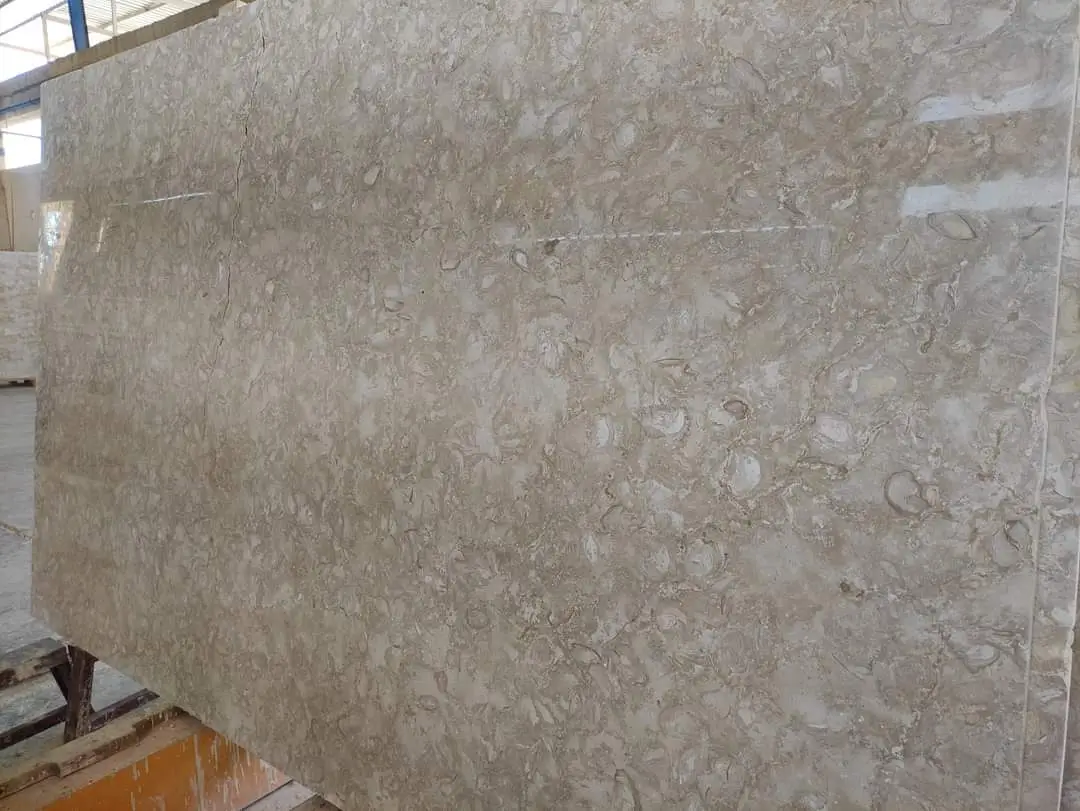
Natural decorative stone sourced through a direct supplier like Citadel Stone ships from warehouse inventory, which reduces lead times and avoids the 6–8 week import cycles that affect many landscape stone categories. Your truck access logistics matter here — natural stone is sold by weight, and delivery vehicles need appropriate site access. Confirming truck clearance during the planning phase prevents last-minute adjustments that add cost and delay your project timeline. At Citadel Stone, we recommend confirming warehouse availability for your chosen stone variety before committing to a project start date, particularly for larger volumes where allocation can vary.
- Natural stone: higher initial cost, negligible replacement cost over 20+ years
- Faux rock: lower initial cost, replacement cycles every 7–12 years depending on quality grade
- Installation labour cost for natural stone is generally lower because no anchoring hardware is required
- Faux rock concealment applications: cost-effective for targeted utility hiding where no alternatives exist
- Total lifecycle cost advantage for natural stone becomes significant beyond year five of service
Final Recommendations for Small Rocks vs Fake Rocks
The small rocks vs fake rocks decision comes down to intended function and time horizon. For any application involving ground coverage, drainage integration, edge definition, or visual mass — natural stone is the correct specification. Its density, mineralogical colour stability, and compatibility with permeable drainage make it the professional-grade choice for landscape beds, pathways, and feature areas. For narrow utility-concealment applications where repositionability is required, synthetic options serve their limited purpose. Extending either material beyond its genuine functional range is where specification errors originate.
You’ll also want to think through the broader landscape material mix your project requires. Natural stone ground cover integrates naturally with planted areas, retaining elements, and hardscape surfaces in ways that synthetic products disrupt visually over time. If your project includes both softscape and hardscape elements, reviewing how to balance hardscape and softscape integration will help you spec the right stone volumes for each application zone. Natural small stone sourced through Citadel Stone weathers gradually and blends into the landscape, while faux rock tends to fade and show seams within a few seasons.
Related reading: how to install rock landscape edging · flat stone for landscaping guide · rock garden landscaping ideas.