Why Travertine Works So Well in Showers
Travertine’s calcium carbonate matrix gives it a natural warmth that ceramic simply can’t replicate — and that warmth translates directly into shower tile ideas that feel considered rather than assembled. The material’s open-pore structure keeps surface temperatures moderate even when the room heats up, and the cross-cut or vein-cut orientation of each tile determines how dramatically the veining flows across your wall plane. That single decision — cross-cut versus vein-cut — shapes the entire visual character of the space before grout color or format even enters the conversation.
Your specification needs to account for fill grade as well. Filled and honed travertine closes those natural voids with a grout-matched compound, giving you a smooth, continuous surface that’s far easier to maintain in a wet environment. Unfilled travertine looks stunning in dry applications, but in a shower, those voids trap soap residue within weeks. Filled is the professional recommendation for any wet-wall application.
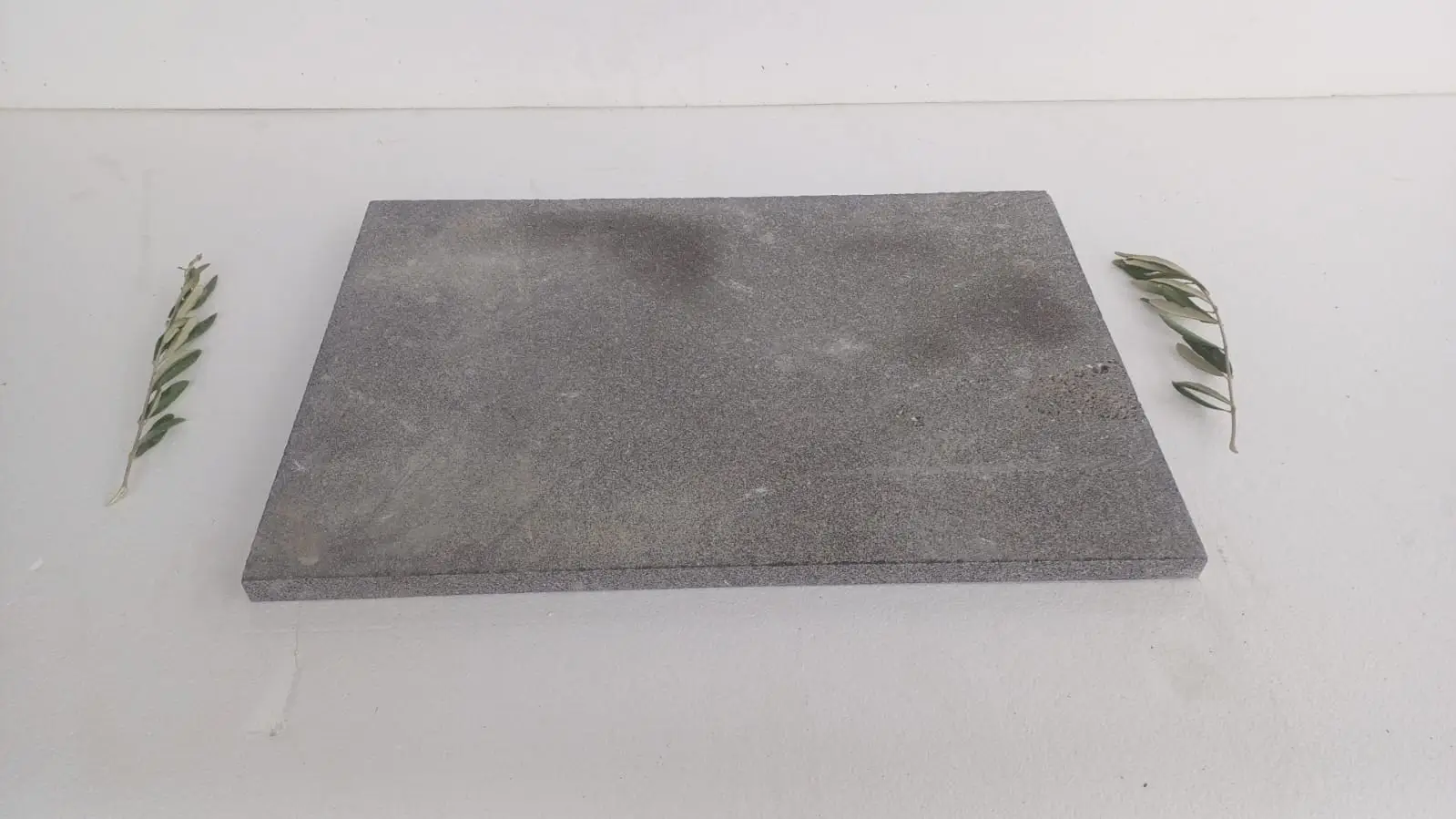
Idea 1: Classic Ivory Field Tile from Floor to Ceiling
The floor-to-ceiling travertine shower remains the most requested design we see across project types, and for good reason — it erases the visual boundary between floor and wall, making even a standard 36-by-48-inch shower feel expansive. You’ll want to specify a 12×24 or 18×18 format in a honed finish for the walls, keeping the surface matte enough to minimize water-spot visibility between cleanings. Running the tile vertically on walls against a horizontal floor pattern creates directional tension that reads as intentional design rather than default layout.
- Specify filled and honed finish for all wall surfaces to simplify ongoing maintenance
- Use a matching grout color — typically an ivory or bone tone — to keep joints visually recessive
- Confirm your stone supplier can deliver matching dye lots from the same warehouse batch for consistency across the full installation
- Allow 10–15% overage when ordering to account for field cuts at niches and transitions
Idea 2: Travertine Accent Niches and Recessed Shelving
Niches built from the same travertine as your field tile create a seamless, monolithic look — but the detailing inside the niche is where most installations either succeed or fall apart. The back wall of a niche needs a minimum 1/8-inch slope toward the drain lip to prevent standing water. Cut your travertine to mitre or butt-join at niche corners, and make sure every cut edge is sealed before it goes in — raw travertine edges absorb moisture along the grain and can start showing efflorescence within a season if left untreated.
For a more textural variation, consider specifying a tumbled travertine insert on the niche back wall while keeping honed field tile on the surrounding surfaces. The contrast in finish reads as deliberate layering. According to Natural Stone Institute travertine properties and outdoor suitability, travertine’s interconnected pore structure benefits significantly from penetrating sealer application prior to grouting — a step that’s especially critical at raw cut edges exposed inside niches and shelving recesses.
Idea 3: Large-Format Travertine Slabs for a Seamless Look
Large-format shower tile ideas in the 24×48 or 24×24 range have moved from high-end custom work into mainstream residential specifications, and travertine handles this format exceptionally well because its natural veining provides built-in visual continuity across wide expanses. The installation challenge with large-format stone isn’t the tile itself — it’s achieving full-coverage mortar contact. You need a minimum 95% mortar contact on wet-area walls, which means back-buttering every tile in addition to combing the substrate. Miss that step and hollow spots develop, creating micro-movement that eventually cracks grout lines.
Your substrate also needs to be flat to within 1/8 inch over 10 feet for large-format work. Any deviation beyond that will cause lippage that’s visible under raking shower light. A self-leveling underlayment pour over cement board is the most reliable way to hit that tolerance consistently. Travertine’s weight in the 24×48 format — typically 8–10 lbs per square foot — also means your tile backer needs to be mechanically fastened, not just adhered.
Idea 4: Book-Matched Travertine Walls
Book-matching — mirroring adjacent slabs so the veining reflects across a seam — is the shower detail that photographs best and impresses most on site. The technique requires you to specify matched pairs from the same quarry block, which means working with a supplier who has the warehouse inventory to pull consecutive slabs from the same lot. At Citadel Stone, we source travertine in matched slab sets specifically to support book-matched shower and feature wall applications, which removes the guesswork of trying to visually match tiles from separate production runs.
The practical challenge is layout planning. You need to dry-lay the full wall sequence on the warehouse floor before any tile is cut, confirming the mirror relationship works at your specific wall dimensions. Build in a 2-inch trim allowance on every matched edge — the outermost 1–2 inches of a slab often carry less distinct veining, and trimming to the live vein produces a sharper reflection. Seal the matched surfaces before installation, as the exposed cut faces are the most absorption-prone part of the tile.
Idea 5: Travertine Mosaic or Pebble Shower Floor
The shower floor tile specification is where many designers default to ceramic mosaic and leave performance on the table. Travertine mosaic — typically 1×1 or 2×2 tumbled on mesh backing — gives you superior grip from the tumbled texture while keeping the material palette unified with your wall tile. The ASTM C1527 travertine dimension stone standard establishes absorption and strength benchmarks that tumbled travertine mosaic consistently meets for wet-floor applications when properly sealed.
- Tumbled travertine mosaic provides a naturally textured surface that meets wet-area slip resistance requirements without added grit coatings
- Specify a shower floor tile format no larger than 4×4 inches to allow adequate grout joint density for slope drainage compliance
- Apply two coats of penetrating sealer before grouting, then a third coat after — the porous tumbled surface absorbs sealer faster than honed tile
- Use unsanded grout at joints under 1/8 inch; sanded grout at wider joints to prevent cracking on mosaic work
Idea 6: Mixed-Finish Travertine for Textural Contrast
Combining honed, brushed, and tumbled finishes within the same travertine palette is one of the more sophisticated shower tile ideas available in natural stone — and it’s more forgiving to execute than it appears. The visual logic is straightforward: use a consistent color body across all finishes and let surface texture do the design work. Honed for large wall fields, brushed for feature strips or horizontal banding, tumbled for the floor. The variation in light reflectance between finishes creates depth that a single-finish installation simply can’t achieve.
Your grout color needs to work across all three surface textures, which means doing a physical sample test before committing. A grout that reads neutral against honed travertine can read too warm or too cool against a tumbled surface in the same shower. Do your sample board under the actual shower lighting conditions — LED color temperature shifts how travertine undertones read significantly. For our light ivory travertine tile, a warm grey or natural bone grout tends to perform most consistently across finish variations in both natural and artificial light.
Idea 7: Travertine Shower with Curbless Entry and Linear Drain
The curbless travertine shower is the specification that demands the most structural planning but delivers the cleanest result. Your floor needs a consistent 1/4-inch-per-foot slope toward the linear drain, which means setting your tile in a mortar bed rather than directly over cement board — a mud bed gives you the gradual slope control that thin-set alone can’t provide. Travertine’s weight and thermal behavior work in your favor here: the material’s low thermal expansion coefficient means you get stable, tight joint lines even with temperature cycling from hot showers in cool ambient conditions.
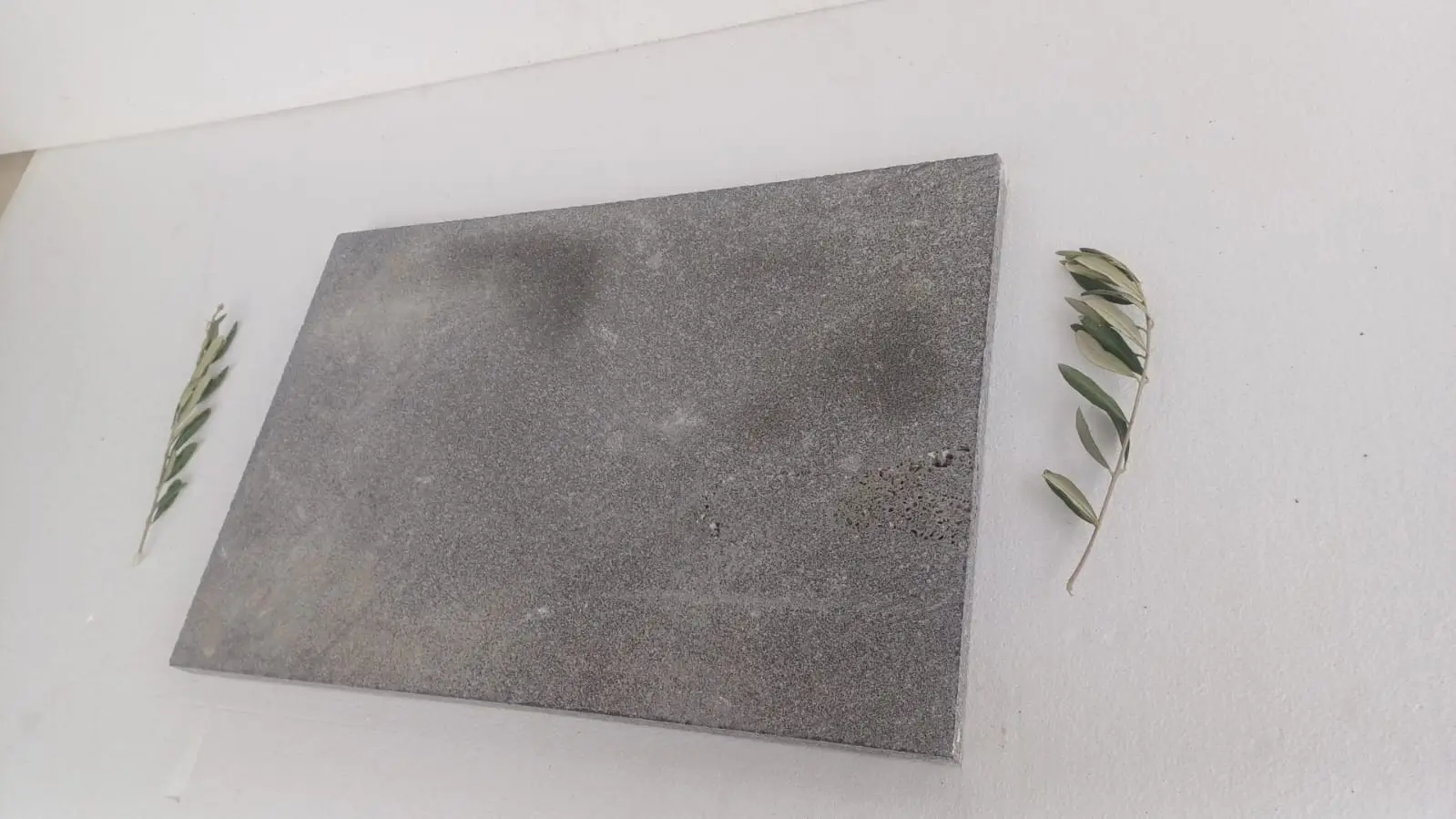
Curbless designs also expose more tile to direct spray and standing water, which makes sealing frequency critical. Plan for an initial two-coat penetrating sealer before use, then annual reapplication in high-use showers. The TCNA natural stone tile installation standards outline waterproofing membrane requirements for curbless shower systems — a liquid-applied membrane over the full shower pan, extending 6 inches up the walls at all transitions, is non-negotiable before any stone goes down. UV exposure from skylights or solar tubes in open shower designs can gradually lighten lighter travertine tones over years of direct exposure; an impregnating sealer with UV-inhibiting properties adds a meaningful layer of protection in these installations.
UV Exposure and Finish Longevity in Travertine Showers
Travertine showers that receive direct sunlight through windows or skylights face a slow but measurable color shift over time — the calcium carbonate matrix is mildly photosensitive, and prolonged UV exposure can cause surface oxidation that lightens or slightly yellows ivory and walnut tones. This isn’t a structural issue, but it does affect long-term appearance retention. Your sealing schedule is the primary management tool: a quality impregnating sealer with UV-blocking chemistry creates a molecular barrier that slows oxidation at the surface level without altering the stone’s natural appearance or breathability.
- In showers with natural light exposure, reseal every 12 months rather than the standard 18–24 month schedule for shaded installations
- Honed and brushed finishes show UV-related color shift less visibly than polished surfaces, which can develop a patchy sheen as the top layer reacts to light
- Test your sealer with a water-bead test annually — if water absorbs within 30 seconds rather than beading, the sealer needs refreshing
- Tumbled travertine shower floor tile benefits from UV-resistant sealer as much as wall tile, especially near entry thresholds with exterior light exposure
What Matters Most in Travertine Shower Tile Ideas
The strongest travertine shower tile ideas share a common foundation: filled stone, proper substrate preparation, full-coverage mortar contact, and a consistent sealing program. Design decisions — format, finish, pattern, book-matching — sit on top of that foundation, and they’re only as good as the specification beneath them. Confirm your tile grade is filled and honed before walls go up, verify your mortar contact after the first few tiles to catch voids early, and plan your sealing schedule before the project closes out rather than after the first maintenance issue appears.
As you think through related stone applications beyond the shower, travertine’s versatility extends to kitchen backsplash tile ideas and complementary flooring throughout the home — the same material logic applies in those contexts. For additional guidance on keeping natural stone in peak condition, travertine care and maintenance covers the full maintenance cycle in detail. Stone for nationwide projects at Citadel Stone includes slip-textured finishes selected for wet shower floors as well as walls.
Related reading: ivory travertine pool deck guide · ivory travertine sealing problems · ivory travertine french pattern layout.