What the Split Face Finish Actually Means for Your Project
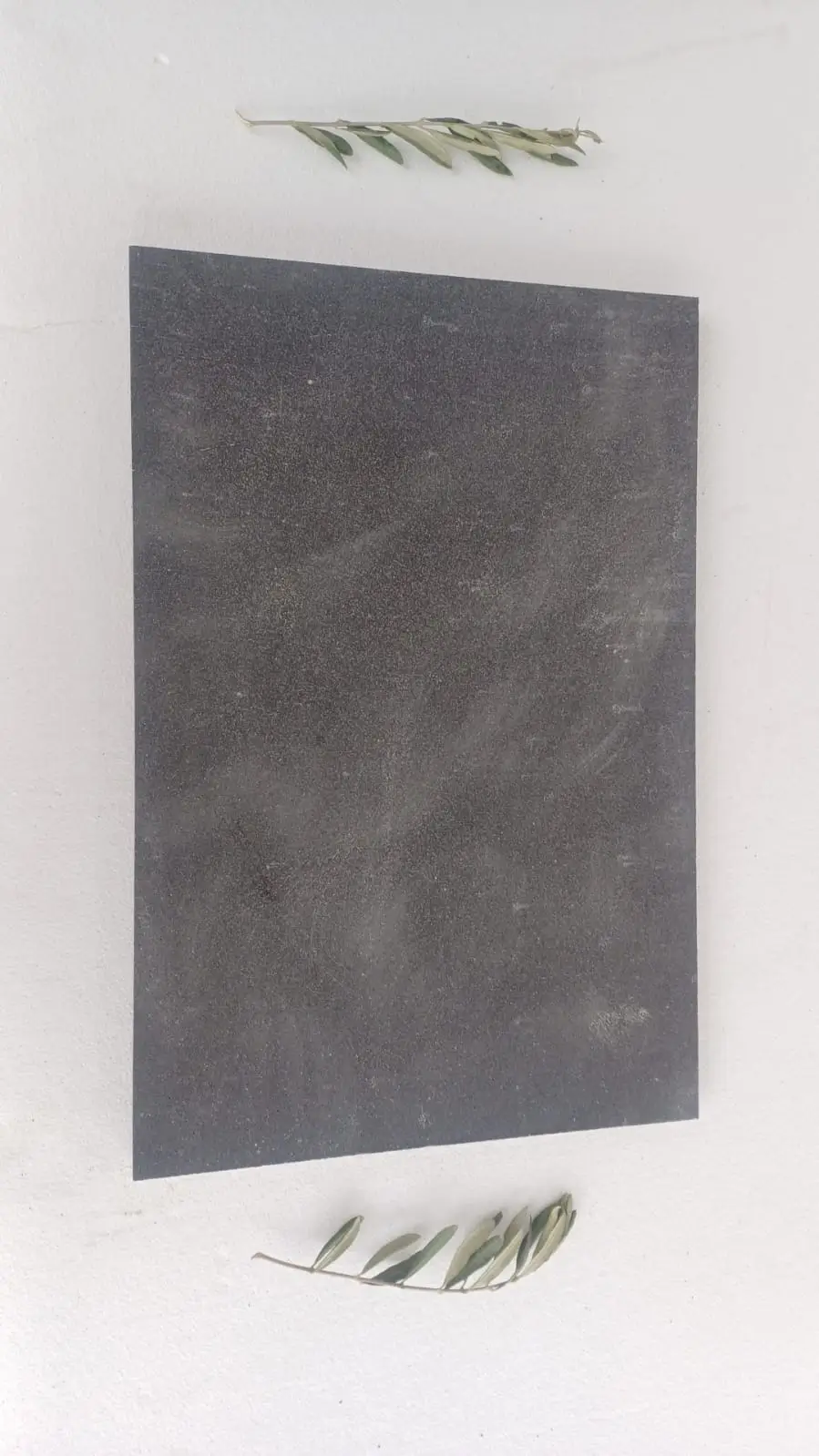
Ivory split face travertine surprises specifiers who expect a uniform surface — the split face process cleaves the stone along its natural bedding planes, exposing a genuinely three-dimensional texture that no machine can replicate. That texture depth varies from roughly 10mm to 25mm peak-to-valley across a single tile face, which changes how the material behaves in both wet and dry conditions. Understanding that variance upfront is the difference between a feature wall that looks intentional and one that reads as uneven.
The split face technique also exposes the raw mineral matrix of the travertine — the void pockets, crystalline calcite veins, and iron oxide banding that give light ivory travertine its characteristic warmth. You’re not looking at a cut or honed surface; you’re looking at the stone’s interior geology laid bare. That distinction matters for sealing protocols and for setting expectations with clients before a single tile is installed.
Surface Options and Why They Matter Beyond Aesthetics
Split face travertine isn’t a single product — it exists across a meaningful range of surface expressions, and your selection shapes acoustic performance, grout requirements, and long-term maintenance equally as much as it shapes the visual result. The three categories worth understanding in depth are standard split face, bush-hammered split face, and tumbled-edge split face mosaic formats.
- Standard split face panels deliver the sharpest relief profile — ideal for interior feature walls, fireplace surrounds, and exterior cladding where shadow depth is the design goal
- Bush-hammered variants follow the split with mechanical texturing that softens peaks and creates a more consistent depth range — useful when you need the rustic aesthetic but require flatter contact zones for adhesive coverage
- Tumbled-edge mosaic formats in ivory split face travertine introduce a secondary texture at the tile perimeter, blending the raw split face interior with a worn, rounded edge — a combination that reads distinctly Mediterranean in character
- Linear mosaic formats (typically 1×2 or 1×4 finger mosaics) break the same split face surface into smaller linear units, giving you tighter pattern control on curved or non-planar surfaces
The decision between these formats should follow your adhesive specification as much as your aesthetic intent. Standard split face panels in large format — commonly 12×24 or 6×24 nominal — require back-buttering to full coverage because the uneven rear face creates irregular contact. Skipping that step is the single fastest path to hollow spots and eventual delamination, regardless of how premium the adhesive is.
Tone Variation and How to Grade Ivory Travertine Correctly
Light ivory travertine is quarried across several active deposits, and the tone range within a single lot can shift more than most designers anticipate. The ivory spectrum runs from a pale cream with almost no warm undertone to a saturated golden-buff that reads more amber in direct light. Grading this material before it ships is non-negotiable if your project has strict color consistency requirements.
At Citadel Stone, we inspect split face travertine lots under controlled lighting conditions before they leave the warehouse — specifically looking at iron oxide concentration, vein density, and fill color consistency across the batch. Those three variables drive most of the tone shift you’ll encounter between cartons from different quarry runs. Requesting a physical sample from the actual production batch — not a reference sample — is always worth the lead time it adds.
- Premium ivory grade: tightly controlled cream-to-pale-gold range, low void density, consistent fill color — appropriate for hospitality and high-end residential where color uniformity is a specification requirement
- Select grade: broader ivory range with moderate vein variation — the most commercially available and cost-effective tier for residential feature walls and landscaping applications
- Commercial grade: full natural tone range including warmer amber and beige tones, higher void density — suitable for large exterior cladding projects where natural variation reads as intentional character
The fill material inside the natural voids is equally worth examining. Most light ivory travertine arrives with grout-fill or resin-fill in the face voids. Grout-fill reads more rustic and allows minor void re-expression over time; resin-fill is more stable in wet environments but can yellow under prolonged UV if the resin grade isn’t UV-stabilised. Specify which fill type you need before the order ships — changing it after delivery isn’t an option.
Installation Substrate and Adhesive Requirements for Split Face Panels
The irregular rear geometry of ivory split face travertine panels demands a polymer-modified, non-sag tile adhesive rated for natural stone. Standard grey cement adhesive without polymer modification creates two problems simultaneously — insufficient bond strength to the uneven contact surface and potential alkali migration that stains light ivory travertine from behind. Both issues are avoidable with the right mortar specification, but neither is repairable once the tiles are set.
For interior vertical applications, your substrate flatness tolerance tightens compared to floor tile work. TCNA installation standards for natural stone wall tile specify a maximum substrate variation of 1/8 inch in 10 feet — but split face panels with deep relief profiles amplify any substrate bow visually, so targeting 1/16 inch in 10 feet delivers noticeably better results on feature walls with raking light. Per TCNA natural stone tile installation guidance, wall substrate preparation is the most frequently under-specified variable in natural stone cladding failures.
- Substrate options in order of preference: cement board over steel framing, concrete masonry unit, existing concrete — all require mechanical fastening, not adhesive-only attachment, for panels exceeding 15 lbs per square foot
- Drywall substrates are acceptable for interior dry zones only — never in bathrooms, wet rooms, or areas subject to steam exposure
- Exterior applications require a moisture barrier and weep screed system behind the cladding — travertine’s natural porosity makes moisture management behind the tile layer as important as the tile itself
- Back-buttering is mandatory — apply adhesive to both the substrate and the tile back, and work in small sections to prevent adhesive skinning before tile placement
Sealing Protocols for Light Ivory Travertine Split Face
Sealing light ivory travertine presents a genuine technical challenge that darker travertine doesn’t share — every sealer choice is visible. Topical sealers that produce any wet look or sheen on a dark stone become a gloss anomaly on pale ivory, and the split face texture amplifies that unevenness because the peaks and valleys absorb sealer at different rates. The professional default for ivory split face travertine is an impregnating (penetrating) sealer with zero sheen rating.
Penetrating sealers work within the pore structure of the travertine rather than sitting on the surface, which means they don’t alter the split face texture or the natural matte surface character. According to Natural Stone Institute travertine properties and outdoor suitability, travertine’s calcium carbonate matrix is highly reactive to acidic cleaners and benefits substantially from a quality penetrating sealer that stabilises the pore structure against moisture and contaminant ingress. For ivory tones specifically, using a color-neutral sealer — not a “color enhancing” formulation — preserves the natural tone without deepening it.
- Apply sealer only after the tile adhesive has fully cured — minimum 28 days for cement-based mortars — premature sealing traps off-gassing moisture in the void structure
- Two thin coats outperform one heavy application — allow full penetration and surface dry between coats
- Interior feature walls in dry environments: reseal every 3–5 years under normal maintenance cycles
- Bathroom or wet room applications: reseal annually, and perform a water-bead test every 6 months to track sealer depletion
- Exterior cladding in freeze-thaw regions: reseal annually before the first frost cycle — moisture trapped in unsealed travertine expands during freezing and can fracture the fill material in surface voids
One field detail that’s easy to miss: clean the tile surface before sealing with a pH-neutral stone cleaner, not a general-purpose bathroom or tile cleaner. Acid-based tile cleaners — including many grout haze removers — etch calcium carbonate stone on contact, permanently dulling the surface on the exposed mineral faces of the split face texture. That damage can’t be reversed without regrinding, which destroys the split face profile entirely.
Landscape Integration and Design Context for Ivory Split Face
Mediterranean ivory travertine’s warm, earthy palette integrates into a wider range of landscape design contexts than its classical origins suggest. The textured face creates strong shadow lines that shift through the day, making it a dynamic design element in spaces that receive directional sunlight — south-facing walls, poolside feature walls, and exterior entertainment areas where the stone is lit both naturally and artificially.
For modern minimalist landscapes, ivory split face travertine works most effectively as a single-material feature plane — one prominent wall or water feature face — rather than as a comprehensive cladding material. The texture’s inherent visual complexity needs restraint in composition: pair it with smooth concrete, still water, or clipped evergreen hedging to let the stone’s relief profile read clearly without competing elements. In contrast, for Mediterranean-inspired or traditional courtyard designs, the same material reads as part of a coherent material vocabulary when used alongside terracotta, wrought iron, and warm-toned planting. For bathroom tile ideas that extend the same design language indoors, the split face format used as an accent wall behind a freestanding bath carries the exterior landscape aesthetic inside without requiring a full material change.
Desert xeriscaping and dry garden landscapes benefit from ivory split face travertine’s neutral warmth — it reads harmoniously against grey-green succulents, dry-stacked stone, and raked gravel, and its natural tone doesn’t compete with drought-tolerant planting palettes the way cooler grey stones can. Tropical planting schemes need more care: the textured surface can collect fallen leaf debris in the deeper relief pockets, particularly in high-rainfall environments where organic matter accumulates faster. In those contexts, bush-hammered split face — with its tighter relief profile — is the practical choice over deep-relief standard split face.
Thickness, Format, and Weight Considerations Before You Specify
Ivory split face travertine is produced in two primary thickness categories, and the choice between them is a structural specification decision, not purely an aesthetic one. Mosaic formats (typically mounted on mesh backing) run 10–15mm thick and are appropriate for interior vertical applications only. Panel formats for wall cladding run 20–30mm nominal thickness, which is necessary for exterior durability but significantly changes the weight load on your substrate and framing system.
You’ll need to calculate face weight before specifying panel formats for any framed wall assembly. A 25mm ivory split face travertine panel at approximately 2.7 g/cm³ density generates roughly 17–18 lbs per square foot of installed weight — well above the 15 lb threshold where adhesive-only systems are inadequate and mechanical anchoring becomes mandatory. This calculation should happen at the design stage, not during site preparation. Our technical team at Citadel Stone can provide face weight calculations for specific formats before your order ships, which simplifies the structural coordination with your architect or engineer.
- Mesh-backed mosaic formats (10–15mm): interior vertical only, standard wall adhesive systems, suitable for bathroom accent walls and fireplace surrounds in residential applications
- 20mm panel format: the most versatile specification — appropriate for interior and protected exterior vertical applications, lighter framing systems handle it with proper anchor spacing
- 25–30mm panel format: exterior cladding standard, requires engineering review for framed substrates, dimensionally more stable across temperature cycling than thinner panels
- Always verify the actual as-delivered thickness against nominal — natural split processes create real thickness variation of ±3–5mm per panel, which affects adhesive bed depth calculations
Ordering, Logistics, and Lead Time Planning
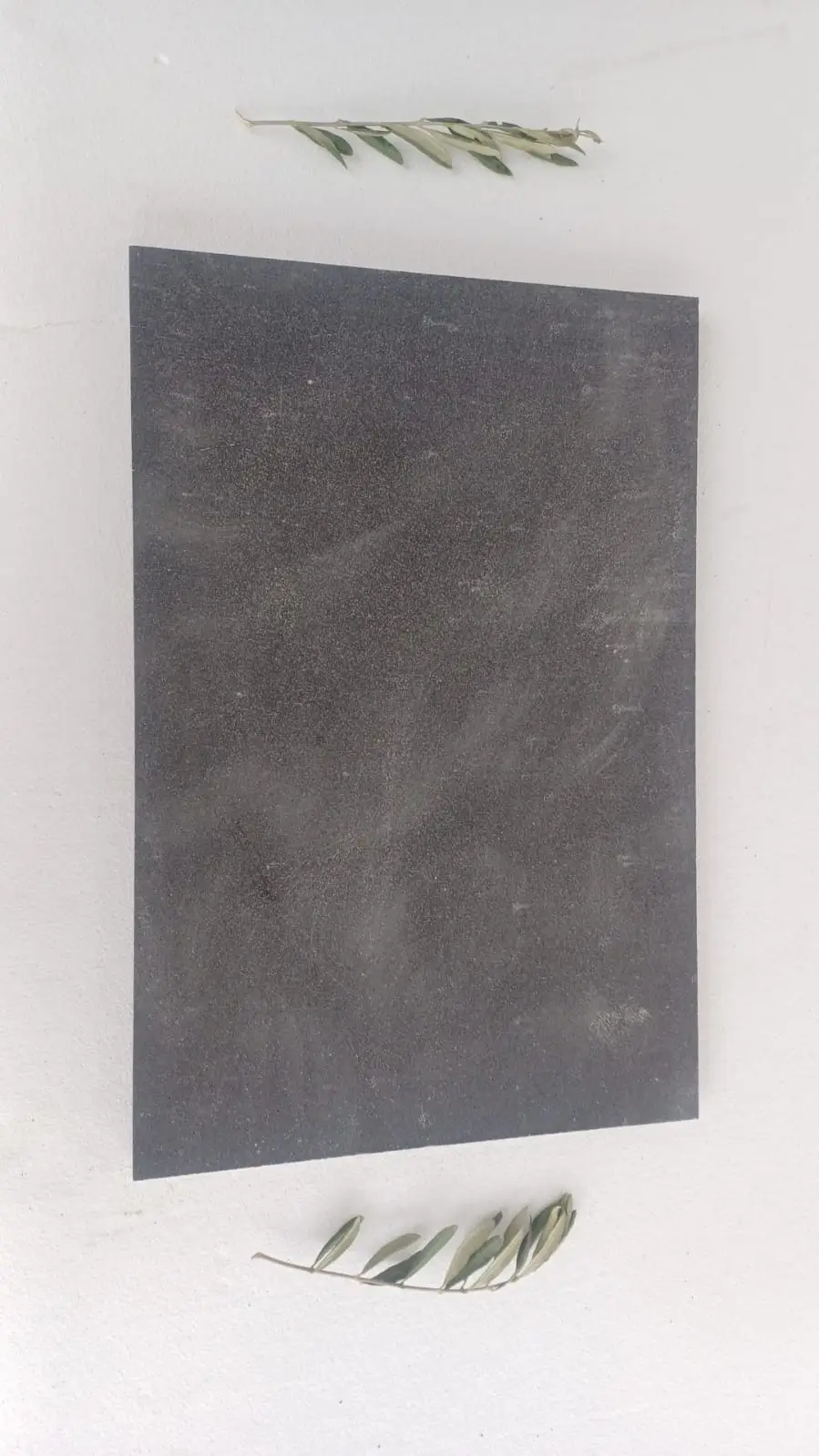
Split face travertine panel formats ship on pallets with foam interleaving to protect the exposed texture faces — and the delivery logistics for this material differ from standard tile orders in ways that matter for your project schedule. The panels’ irregular surface geometry means they can’t be stacked face-to-back without protection, which increases pallet cube and weight compared to equivalent square footage of honed tile. Your truck access constraints matter here: a full pallet of 25mm ivory split face travertine panels can exceed 2,200 lbs, and liftgate service is typically required for residential or tight commercial sites.
Citadel Stone maintains warehouse inventory of core ivory split face travertine formats, which keeps lead times for standard orders in the 1–2 week range from order confirmation to truck dispatch. Custom lot orders — where you’re matching a specific tone batch or ordering a non-standard format — typically run 4–6 weeks from production. That window matters for phased projects where the feature wall installation follows structural completion: order confirmation should happen at the same time as your tile adhesive and anchor hardware procurement, not after the substrate is ready and waiting.
- Order a minimum 10% overage on ivory split face travertine — the split face process creates a higher proportion of edge-damaged tiles than honed formats, and matching a specific lot for repairs after installation is difficult once the original batch ships
- Inspect cartons for transit damage before the truck leaves your site — filing a damage claim after the driver departs is significantly more complex than documenting it at delivery
- Store panels flat in a dry location, not standing upright — vertical storage of large split face panels under their own weight can cause hairline fracturing at thin void intersections
- Acclimate panels to the installation environment for 24–48 hours before setting, particularly for interior climate-controlled spaces where temperature differential from warehouse storage is significant
For larger projects, coordinate with our team about warehouse allocation — high-volume orders during peak construction seasons benefit from a confirmed hold on specific lot numbers to ensure tone consistency across deliveries that arrive in multiple truck loads.
Common Specification Mistakes That Experienced Installers Avoid
The most persistent specification error with ivory split face travertine isn’t a material mistake — it’s a grout choice. Dark charcoal or graphite grouts are sometimes specified to create contrast with the ivory panel face, but that combination produces a visual effect where every joint line competes for attention with the texture itself. The grout lines start reading as a grid overlay rather than the stone reading as a continuous surface. Off-white, pale buff, or warm grey grouts — matched to the recessed zones of the tile face rather than the peaks — let the split face texture dominate the composition as intended.
The second recurring mistake involves ASTM C1527 travertine dimension stone specifications for absorption testing. Installers sometimes assume that because travertine is a relatively soft stone, it’s inherently permeable and forgiving of moisture exposure without sealing. The reality is more nuanced — the fill material in the surface voids has a different absorption rate from the surrounding calcium carbonate matrix, and differential absorption between these two zones is what drives staining patterns and sealer failure. Treating them as a single uniform substrate leads to under-application in the dense matrix zones and over-saturation at the fill material, neither of which produces optimal sealer performance.
- Avoid acid-based cleaners at every stage — during installation, during grout cleanup, and in ongoing maintenance
- Don’t rely on manufacturer’s technical data sheets alone for adhesive coverage rates on split face panels — back-buttering adds 15–25% adhesive consumption over standard tile applications and should be in your material quantity estimate
- Exterior applications: never seal over damp panels — moisture sealed inside the stone accelerates carbonation of calcium carbonate and causes surface efflorescence that reads as white haze on the ivory face
- Specify expansion joints at all changes of plane, at intervals no greater than 12 feet on continuous exterior cladding runs, and at all transitions between dissimilar substrates — travertine’s thermal expansion coefficient (approximately 8 × 10⁻⁶ per °C) demands proper movement accommodation, particularly on dark-colored or west-facing walls with high thermal load
One final detail worth building into your pre-installation checklist: verify that the USGS data on limestone and travertine mineral formation aligns with what your lot documentation shows for density classification. Travertine from different quarry strata has meaningfully different density and absorption characteristics — specifying a sealer or adhesive system calibrated for the correct density class of your specific ivory split face travertine lot prevents the mismatch failures that are frustratingly common when generic travertine specs are applied without material verification.
Getting Your Ivory Split Face Travertine Specification Right
Your specification for ivory split face travertine comes together correctly when the surface option, thickness, grout selection, sealing protocol, and substrate preparation method are decided as an integrated system rather than as independent choices made at separate project stages. The material rewards that level of specification discipline with installations that hold their visual character and structural integrity for decades — the warm, crystalline texture of split face travertine doesn’t diminish with age the way applied finishes do; it becomes more characterful. Getting the fit-out details right at the outset is what separates a feature wall that looks better at year ten than it did at installation from one that requires remediation within three years. As you evaluate your material options further, how travertine compares to ceramic tile is worth reviewing before your final specification decision, particularly if ceramic remains on your shortlist for wet room or bathroom tile ideas where each material’s real-world performance characteristics diverge significantly. You can review the full surface format and tone range of our ivory split face travertine directly on our product pages to match specific lot characteristics against your project requirements before ordering. Sourced from select natural stone quarries worldwide, Citadel Stone offers split face travertine known for warm ivory tones on feature walls.
Related reading: ivory travertine pool deck guide · Ivory Travertine Sealing Problems and How to Fix Them · french pattern ivory travertine.