

What Makes Crushed Limestone Actually Work for Walkways
Crushed limestone walkway ideas succeed or fail based on three material behaviors most guides skip entirely: compaction rate, surface crust formation, and drainage response to base grading. Limestone compacts differently from gravel, develops a surface crust as fines bind together under foot traffic, and drains at a rate that depends heavily on how you grade the base. Get those three things right and you’ve got a walkway that outperforms almost anything in its price category for 15 to 20 years.
Crushed Limestone Walkway Ideas That Deliver Real Results
The best crushed limestone walkway ideas aren’t purely aesthetic — they solve a problem while looking good. Here are distinct design approaches worth considering for your project:
- Defined channel paths with steel or aluminum edging on both sides — keeps the material contained and creates a clean, intentional line through a garden bed or yard
- Decomposed limestone blended with coarser angular crushed material for a surface that packs tight but still drains freely — ideal for longer paths with gentle grades
- Stepping stone hybrid designs where flat natural stone pieces are set flush into a limestone base, giving barefoot-friendly surfaces at entry and transition points
- Double-layer systems with a coarser #57 crushed stone base below compacted limestone screenings — this separation dramatically extends the walkway’s surface life
- Bordered pathways using limestone cobblestone or natural stone edging that complements the crushed fill — the contrast in texture adds visual weight without hard landscaping costs
Each of these approaches handles differently during installation, and your soil type matters more than most guides acknowledge. Clay-heavy subsoils demand deeper bases and steeper cross-slopes. Sandy or loam soils are more forgiving but still need compaction in lifts.
Choosing the Right Material Grade for Your Path
The spec that most homeowners overlook is gradation — the mix of particle sizes within the crushed limestone. A well-graded material ranging from coarse particles down to fine dust compacts into a semi-rigid surface that resists rutting. A single-size product stays loose, which feels pleasant underfoot but migrates out of bounds fast and needs constant top-dressing.
For a crushed limestone walkway in residential settings, a 3/4-inch minus (also written as 3/4-inch crusher run) hits the right balance. The fines lock the larger particles together once compacted, and a plate compactor run over two 2-inch lifts will give you a surface firm enough to roll a wheelbarrow across without sinking. Screenings alone — the fine-only material — pack hard but shed under heavy rain if your drainage slope isn’t precise.
- 3/4-inch minus crusher run: best all-around for general walkway use
- Limestone screenings (fines only): good for top-dressing over compacted base, not ideal as the sole material
- 1.5-inch crusher run: better suited for driveways or wide access paths, too coarse for comfortable walking
- Decomposed limestone: excellent self-binding surface but needs a contained edging system to prevent spread
According to Natural Stone Institute limestone technical specifications, the open-pore structure and calcium carbonate composition of limestone gives it natural binding properties that synthetic aggregates can’t replicate — a key reason crusher run limestone outperforms plain gravel in compacted-path applications.
Base Preparation: The Step That Determines Your Walkway’s Lifespan
Your surface material gets all the attention, but your base is what sets the performance ceiling. A properly prepared base for a crushed limestone walkway starts with excavation — 6 to 8 inches deep for residential foot-traffic paths, deeper in freeze-thaw regions where ground heave is a seasonal reality. Frost line depth varies widely across the country, and your local building department will have the specific depth requirement that applies to your site; in some northern zones that’s 36 to 48 inches for structural elements, though pedestrian paths with flexible aggregate construction handle frost movement more forgivingly than rigid paving.
- Excavate to at least 6 inches below finished grade for light residential foot traffic
- Add a 4-inch layer of compacted #57 crushed stone as a drainage sublayer
- Install landscape fabric between the sublayer and the crusher run surface layer — this stops fines from migrating down while allowing water to pass
- Compact each lift separately — never try to compact more than 2.5 inches at a time
- Establish a 2% cross-slope minimum to shed surface water laterally off the path
The USGS data on limestone’s composition confirms its high calcium carbonate content, which contributes to its natural cementing behavior when fines are present — but that binding only works if the base is stable. A soft or poorly drained sub-base will undo the surface’s binding properties within one or two wet seasons.
Edging Systems That Actually Hold the Material In
The single most common failure point in crushed limestone walkway design isn’t the surface material — it’s inadequate edge containment. Limestone fines migrate outward under foot traffic, and without rigid edging, your crisp path width becomes a spreading gravel field within a few seasons.
Steel edging at 3/16-inch thickness, staked every 24 inches, is the professional standard for paths under 4 feet wide. For wider paths or paths adjacent to planting beds where a more natural aesthetic fits, natural limestone cobblestone set in a concrete haunch on the outer edge provides a durable border that also complements the surface material. For any crushed limestone walkway, the edging material you choose shapes the entire visual character of the path — Citadel Stone walkway stone options include compatible border stones that coordinate with the crushed fill.
- Steel edging: durable, low-profile, suits modern or minimal aesthetics
- Natural stone cobblestone borders: traditional look, high durability, requires concrete haunch for stability
- Timber edging: lower cost but requires replacement every 8 to 12 years depending on moisture exposure
- Concrete mow strip: clean edge for lawn-adjacent paths, locks material in permanently
Incorporating Pavers Into a Limestone Path Design
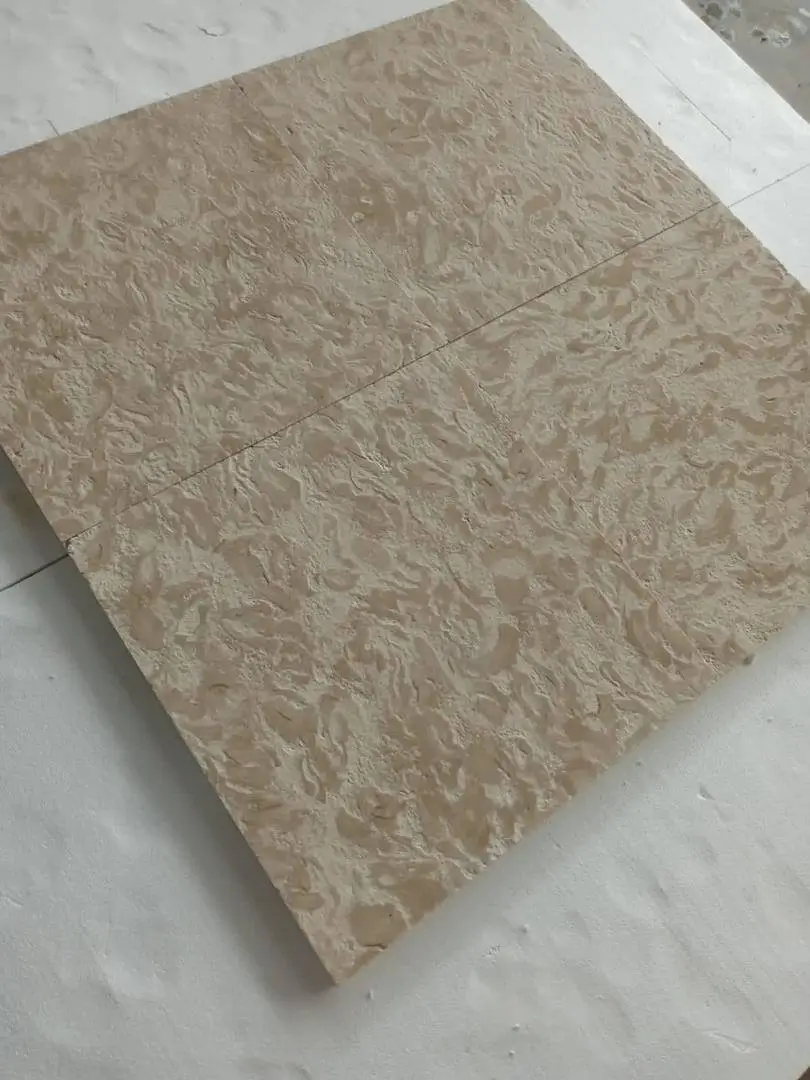
A travertine paver walkway insert within a crushed limestone base is a design approach that punches well above its material cost. The travertine panels — typically set at landing points, transitions, or threshold areas — give you a refined, stable surface where foot traffic concentrates, while the limestone fill handles the linear stretches between. The contrast in texture reads visually as a deliberate design choice rather than a budget compromise.
Setting travertine pavers into a compacted limestone path requires a sand-set base at consistent depth so the paver surface finishes flush with the surrounding crushed material. A 1-inch bedding layer of coarse concrete sand under the paver, with the pavers set at the same grade as the compacted limestone surface, gives you a seamless visual transition. According to USGS data on limestone and calcium carbonate stone formation, both travertine and crushed limestone share a calcium carbonate base, which means their thermal expansion rates are closely matched — an underappreciated detail that keeps paver inserts stable through seasonal temperature swings.
Paver Stone Walkway DIY: What You Can Do and Where to Get Help
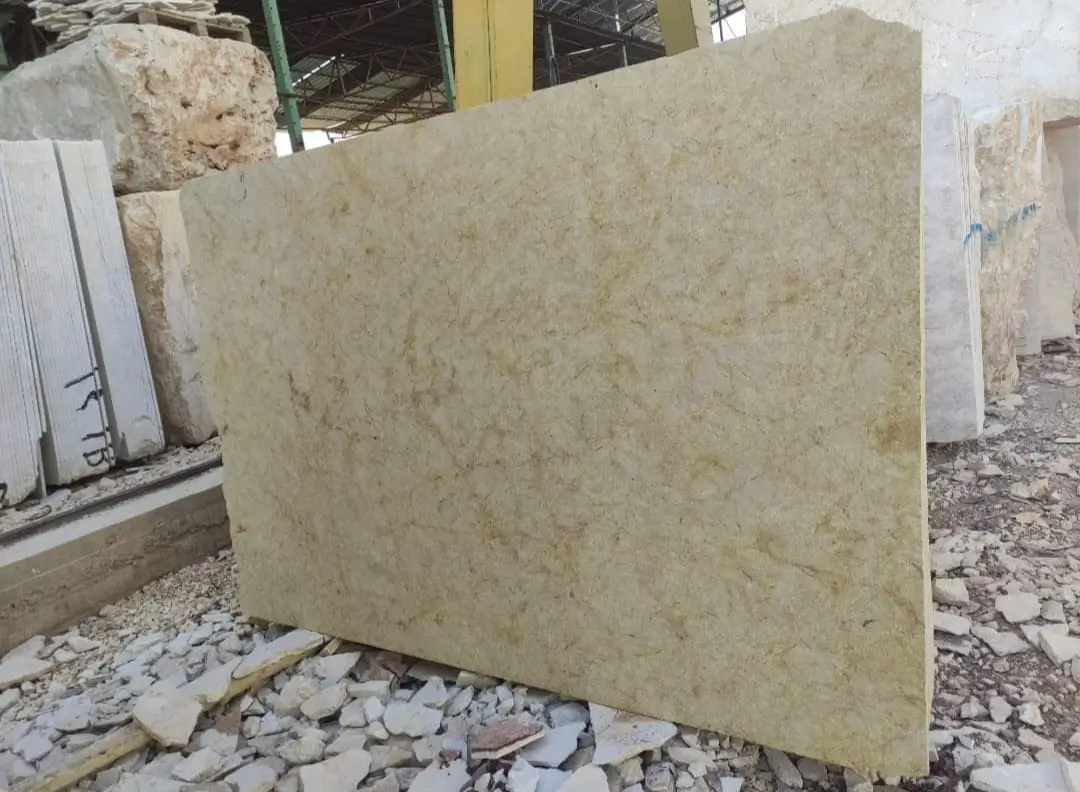
A paver stone walkway diy project is achievable for a capable homeowner — but the margin for error in base preparation is smaller than most guides suggest. The compaction step is where DIY installations most commonly fail. Renting a plate compactor is non-negotiable; hand-tamping produces uneven density that shows up as soft spots within the first season. Two passes with a plate compactor at 90 degrees to each other on each lift gives you uniform density across the path width.
- Rent a plate compactor — don’t substitute a hand tamper for this step
- Check for level and cross-slope after every compaction pass, not just at the end
- Order 10 to 15% more material than your calculated volume — compaction reduces apparent volume
- Plan your truck delivery access before finalizing your layout — a loaded truck on a soft lawn causes significant damage; schedule delivery to a hard surface or driveway area and wheelbarrow the material from there
- Confirm your local building code requirements before starting — some jurisdictions require permits for hardscape paths above a certain square footage or within certain setbacks
Citadel Stone maintains warehouse stock ready for nationwide dispatch, which typically reduces lead times to one to two weeks — a meaningful advantage when your project has a weather-dependent installation window.
Code and Structural Factors Worth Knowing Before You Spec
Building codes rarely regulate residential pedestrian paths with the same intensity as driveways or structural hardscape, but there are standards that affect your specification. ADA accessibility guidelines apply if the path connects to a public entrance or is part of a commercial or multi-family property — specifically, surface firmness and stability requirements limit how loose your surface material can be. ADA walkway surface and accessibility standards specify that surfaces must be stable, firm, and slip-resistant, which means a well-compacted crusher run limestone qualifies but loosely laid screenings may not.
Edge restraint requirements also vary — some local codes mandate concrete haunches on edging systems adjacent to public rights-of-way. In freeze-thaw regions, the base depth requirements increase, and in high-seismic zones, flexible aggregate paths are actually preferred over rigid paving because they tolerate ground movement without cracking. Check your local jurisdiction’s requirements before finalizing your base depth specification; it’s a 20-minute conversation with your building department that can save you from having to rebuild.
Before You Specify a Crushed Limestone Walkway
A well-executed crushed limestone walkway starts with material decisions that go deeper than color and texture. Gradation, base depth, compaction method, edging system, and drainage slope all interact — get one wrong and the others can’t compensate. The good news is that this design approach is more forgiving than rigid paving when those variables are close but not perfect; the material’s natural binding properties cover a range of minor inconsistencies that would cause visible distress in a concrete or paver installation. As you finalize your path dimensions and material volumes, it’s worth considering how a complementary stone base layer ties into your broader hardscape plan — crushed limestone as a paver base covers how this material performs when used beneath rigid paving elsewhere on your property. Edging choice has a significant impact on how long a crushed limestone walkway holds its shape, and Citadel Stone’s material team regularly advises on compatible border options.
Related reading: cost of limestone driveway · What Size Limestone Is Best for a Driveway? · crushed limestone driveway installation.