

Where the Real Differences Lie
The sandstone vs limestone decision trips up more specifiers than almost any other paving comparison — not because the materials are similar, but because their differences show up in ways that don’t appear on a product sheet. Sandstone’s granular, silica-cemented structure gives it a naturally textured surface and warm tonal range, while limestone’s calcium carbonate matrix produces a denser, more uniform face that takes honed and polished finishes well. Both are sedimentary stones, but their performance diverges significantly once you look at absorption rates, surface hardness, and long-term UV response. Understanding those divergences before you commit to a full order is what separates a specification that performs over 25 years from one that starts showing regret within five.
Material Composition and Structural Characteristics
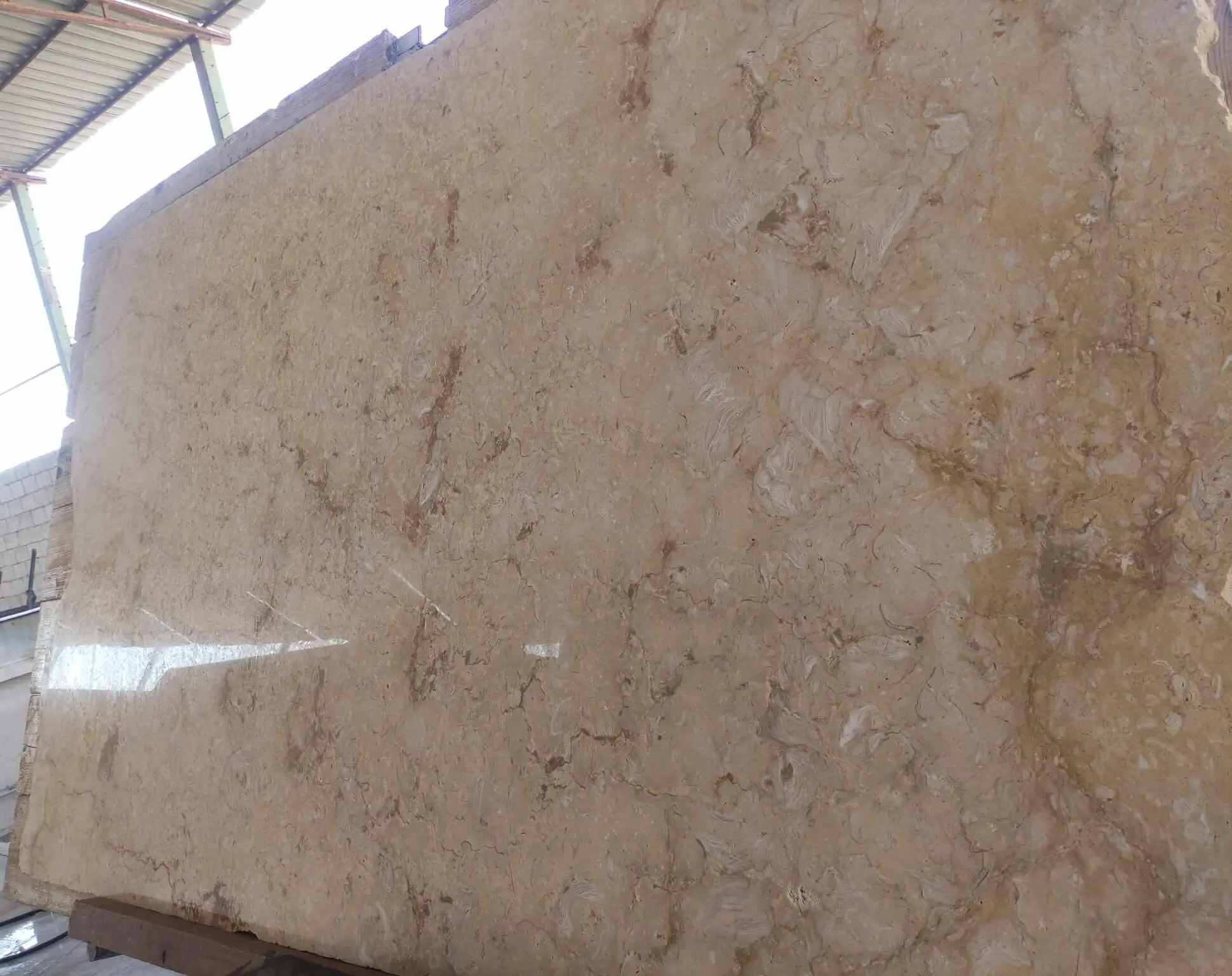
Sandstone forms through the compaction and cementation of sand-sized mineral grains — predominantly quartz — bound together by silica, calcium carbonate, or iron oxide. That binding agent matters enormously. Iron oxide-cemented sandstone produces the warm ochres and reds, but it also introduces the variable you need to watch most: differential weathering at the grain-to-cement interface. Limestone, by contrast, forms from accumulated marine sediment — shell fragments, coral, and calcium carbonate precipitate — compressed over millions of years into a denser, more homogeneous matrix.
Compressive strength tells part of the story. Quality sandstone pavers typically range from 6,000 to 10,000 PSI depending on cementation quality, while dense limestone can reach 12,000 to 20,000 PSI. According to Natural Stone Institute limestone technical specifications, high-density limestone outperforms many sandstone varieties in load-bearing applications where compressive cycling is a factor. For pedestrian paving this gap matters less, but for driveways or heavy-use commercial terraces the limestone advantage becomes specification-relevant.
- Sandstone density typically ranges 2.0–2.5 g/cm³ depending on grain packing and cementation type
- Limestone density ranges 2.3–2.7 g/cm³, with denser varieties offering superior freeze-thaw resistance
- Sandstone’s open grain structure creates natural micro-drainage but also increases absorption
- Limestone’s tighter matrix resists surface abrasion better under high foot traffic volumes
Absorption, Porosity and Sealing Requirements
Your sealing programme is largely determined by absorption rate — and this is where sandstone vs limestone diverges most sharply in practical maintenance terms. Sandstone typically shows water absorption between 5% and 12% by weight, depending on grade and quarry origin. Limestone generally runs 2% to 8%, with denser varieties sitting below 3%. That gap means sandstone demands a more aggressive initial sealing protocol and a tighter resealing schedule.
For sandstone pavers in exposed outdoor applications, plan on a penetrating impregnator applied in two coats prior to grouting, followed by resealing every 12 to 18 months. Limestone slabs for patio installations can typically stretch to 24-month resealing cycles when the initial application is done correctly — two coats of a solvent-based impregnating sealer, applied on a dry surface with ambient temperature above 50°F. Rushing that initial seal is the single most common reason for premature staining on both materials. According to USGS limestone composition and construction data, the calcium carbonate matrix in limestone also makes it reactive to acidic cleaning agents — something sandstone handles better due to its silica-dominant structure.
- Test absorption before sealing — drop water on the surface; if it absorbs in under 60 seconds, the stone is porous enough to warrant immediate treatment
- Sandstone benefits from a colour-enhancing sealer if you want to deepen the natural warm tones on installation day
- Limestone responds better to clear impregnators that preserve the natural finish variation
- Both materials require a fully cured, dry substrate — moisture trapped under the sealer causes whitish haze that is difficult to reverse
UV Exposure and Long-Term Colour Stability
Sun-exposed paving takes a different kind of toll than most installers account for at specification time. UV degradation doesn’t damage the structural integrity of sandstone or limestone directly — but it fundamentally changes how these materials look over 10 to 15 years, and that gap between expected and actual appearance is one of the most common client complaints in outdoor stone installations. Sandstone’s iron oxide pigments are particularly susceptible to UV-driven oxidation. The warm reds and ambers that make sandstone pavers so visually appealing when newly installed tend to bleach toward muted golds and pale taupes under prolonged sun exposure. This isn’t a defect — it’s a well-documented material characteristic — but it needs to be in your specification conversation before selection, not after installation.
Limestone behaves differently under UV exposure. Its calcium carbonate matrix doesn’t contain the iron-based pigments that oxidise under sunlight, so colour shift is generally more subtle — a gradual lightening rather than a tonal transformation. Grey and cream limestone used in sun-dominated applications consistently shows better long-term appearance retention in terms of colour consistency. For sandstone pavers in high-sun installations, specifying a UV-stabilised penetrating sealer — not just a standard impregnator — adds meaningful protection. These products contain UV inhibitors that slow photochemical oxidation at the surface level. Reapplication every 12 months in intense-sun environments is the realistic schedule.
- Honed finishes on limestone retain appearance better than polished in outdoor UV conditions — polished surfaces show etching and surface dulling more visibly
- Sandstone with a natural split or rough-sawn finish tends to handle UV weathering more gracefully than sawn-smooth sandstone, because surface variation masks tonal shift
- In south-facing installations that receive 8+ hours of daily direct sun, factor UV sealer cost into your 5-year maintenance budget for both materials
- Test a sample slab in full sun for 30 days before final selection if UV colour stability is a critical project requirement
Slip Resistance and Finish Selection
The finish you specify determines slip resistance more than the material itself — and this is a point that gets glossed over in most sandstone vs limestone comparisons. Both materials can be dangerously smooth or comfortably grippy depending on how they leave the fabrication facility. For outdoor applications where wet conditions are a routine factor, your finish selection is a safety specification decision, not just an aesthetic one.
Sandstone’s naturally granular surface gives it an inherent texture advantage in its natural split or rough-sawn state. The grain-level relief provides meaningful friction even when wet, making it a strong candidate for pool surrounds, garden walkways, and terrace areas in exposed positions. Limestone in its natural or honed state performs adequately for pedestrian use, but polished limestone in wet conditions can post Dynamic Coefficient of Friction (DCOF) values below the 0.42 minimum threshold for wet outdoor surfaces. For limestone slabs for patio projects in covered or partially shaded areas where wet conditions are occasional, honed finishes at 400-grit typically deliver acceptable traction. For fully exposed installations, brushed or flamed limestone finishes are the safer specification. Per ASTM stone and slip resistance testing standards, verifying DCOF values from your supplier before finalising finish specification is a step that protects both the installation and the specifier.
Thickness, Base Preparation and Installation Variables
Your aggregate base depth needs to match the loading scenario, not just the material. For sandstone vs limestone paving in residential pedestrian applications, 20mm nominal thickness slabs perform reliably on a 100mm compacted aggregate base with a 25–40mm mortar bed. Step up to 30mm thickness for driveways or areas receiving light vehicle use — both materials have the compressive capacity, but the additional thickness reduces flexural stress at slab mid-span, which is where failures initiate.
The detail that separates long-term performance from premature cracking is joint spacing management. Thermal expansion coefficients for sandstone and limestone are similar — both in the range of 5 to 9 × 10⁻⁶ per °C — but limestone’s denser matrix makes it marginally less forgiving when joint fill is neglected. For large-format applications (600mm × 900mm and above), specify movement joints every 4 to 5 metres in both directions, filled with a flexible polyurethane sealant rather than rigid grout. This detail is frequently omitted on smaller residential projects and it’s the primary origin of edge spalling within 3 to 5 years. At Citadel Stone, we recommend confirming slab thickness and base specification with your installer before dispatch — the variables interact in ways that aren’t always obvious from material specs alone.
- Clay-dominant subsoils require geotextile membrane below the aggregate base to prevent upward migration that compromises compaction
- Sandstone pavers are more susceptible to staining from iron-rich soil contact through capillary action — a damp-proof membrane between subbase and bedding layer adds long-term protection
- Limestone’s higher density means 30mm slabs are noticeably heavier per piece — factor this into your truck delivery access and site-handling logistics
- Mortar bed consistency is critical for large-format slabs in both materials — voids under the slab create point-load stress concentration at unsupported edges
Ordering, Logistics and Project Planning
Project timelines depend as much on material availability as on installation scheduling, and sandstone vs limestone paving choices carry different supply-chain implications. Limestone is generally held in deeper warehouse stock by major suppliers given the breadth of applications it serves — from paving and pool coping through to wall cladding and interior flooring. Sandstone availability varies more by colour and finish, with certain warm-toned varieties running on tighter inventory cycles.
Plan your material order 3 to 4 weeks ahead of installation start, and always order 10% over the calculated coverage area for cuts, breakage, and future repairs. Warehouse lead times for in-stock material typically run 3 to 7 business days for truck delivery to most regions, but specialty sizes or less common finishes may require 3 to 4 weeks if they’re not held in stock. For a detailed comparison of stone formats and how they translate across application types, Citadel Stone stone comparison provides specification-level detail that’s worth reviewing before you finalise material selection. Citadel Stone carries national warehouse inventory across both sandstone and limestone ranges, which helps reduce the lead-time variability that affects projects with tight installation windows.
Cost Comparison and Value Over Time
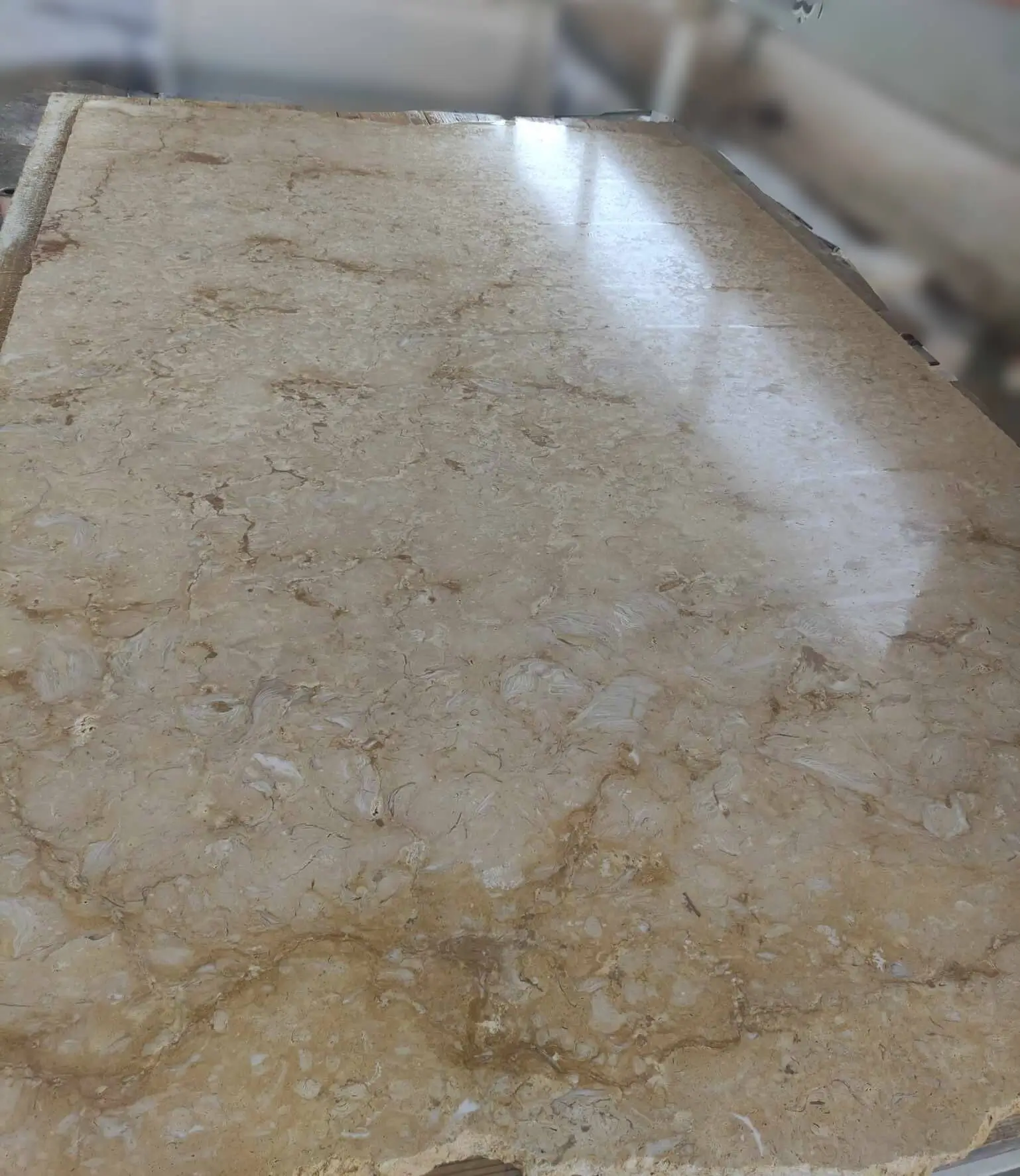
Material cost per square foot is only part of the value equation for sandstone vs limestone paving — maintenance costs over a 10 to 20-year horizon often flip the comparison. Sandstone typically runs slightly lower in upfront material cost for standard residential grades, but the more frequent sealing schedule and greater susceptibility to staining add real dollars over time. Dense limestone carries a modest premium at purchase but rewards you with lower ongoing maintenance requirements and better structural longevity in high-use applications.
The limestone cliff association — that sense of geological permanence — translates meaningfully into performance data. Dense limestone installed correctly on a proper base, sealed on schedule, and maintained with pH-neutral cleaners consistently delivers 25 to 35-year service life in residential outdoor applications. Comparable sandstone installations in identical conditions typically perform to 15 to 25 years before resurfacing or replacement becomes the more economical option. That gap narrows in low-traffic garden settings and widens considerably in commercial or high-footfall environments. Factor the full lifecycle cost, not just the per-square-foot purchase price, into your material selection framework.
Making the Right Sandstone vs Limestone Call
Both materials earn their place in serious paving specifications — sandstone for its warmth, natural texture, and inherent slip resistance, limestone for its structural density, finish versatility, and long-term appearance stability. The sandstone vs limestone decision ultimately comes down to your specific performance requirements: loading conditions, UV exposure intensity, maintenance commitment, and the finish aesthetic your project demands. Get those parameters defined clearly before material selection, and the right choice becomes straightforward rather than a compromise. For projects where the limestone format and finish options need closer examination, limestone slab formats and finish options covers how different cuts and surface treatments affect performance across a range of outdoor applications — worth reviewing before you finalise your specification. Paving sourced from internationally sourced quarries lets buyers weigh sandstone’s texture against limestone’s smoother finish before committing to a full order.
Related reading: how to identify limestone · how to remove limestone stains · large limestone planters guide.