What Finish and Format Tell You Before You Buy
Finish selection and wall geometry determine whether a large limestone planters guide is worth following — because those two variables, not size or price, separate a planter that performs for thirty years from one that chips, stains, or cracks within three seasons. The difference between a successful specification and a costly replacement traces back to decisions that manufacturers rarely highlight on a product page, and most buyers don’t anticipate until the wrong piece arrives on a truck. This guide walks you through the variables that actually drive long-term performance, starting with format and finish — the decisions that compound over time in ways that are difficult and expensive to reverse.
Your finish choice affects more than appearance. Honed limestone holds moisture differently than bush-hammered or tumbled surfaces, and that difference compounds over time in any environment where planters cycle between wet and dry conditions. Understanding the full implications of each format — before you order — saves you from costly replacements and mid-project redesigns.
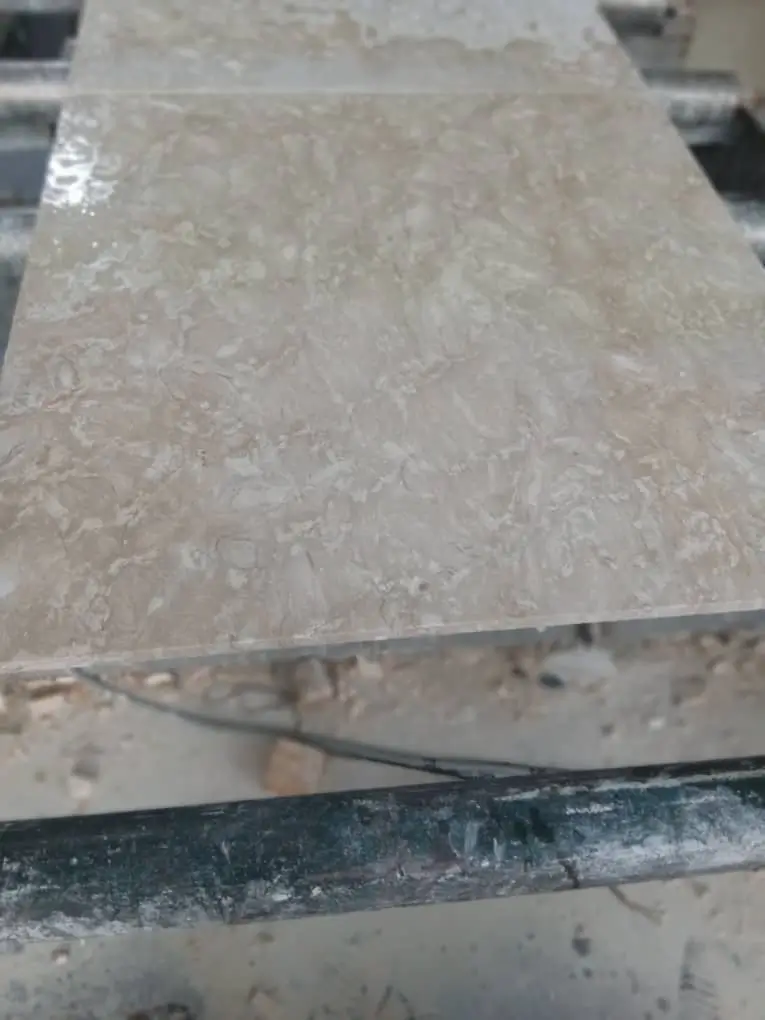
Limestone Planter Formats: Rectangular, Trough, and Circular Compared
The format of a limestone pot or planter determines how weight distributes, how soil pressure acts against the walls, and how drainage can be engineered into the base. Each format carries genuine trade-offs that matter at scale.
- Rectangular planters concentrate stress at corners — wall thickness at those junction points needs to be at least 20% greater than flat panel sections to resist cracking from soil expansion during wet cycles
- Trough formats distribute load more evenly along the long axis but are vulnerable to lateral bending if base drainage is blocked and hydrostatic pressure builds internally
- Circular or cylindrical formats are mechanically the most efficient — compression distributes evenly around the circumference — but they’re heavier per volume and harder to reposition once planted
- Tapered formats (wider at the top) allow soil removal without damage to roots or walls, making them the practical choice for seasonal replanting programs
- Square formats with chamfered corners balance aesthetics with structural integrity better than sharp-cornered designs at the same wall thickness
Specifying the right format for your application isn’t an aesthetic decision alone. Your site conditions — surface type, drainage access, wind exposure — should drive format selection just as much as visual preference.
Wall Thickness: The Specification Most Buyers Underestimate
For large limestone planters, wall thickness is the single most consequential structural variable, and it’s routinely under-specified. A nominal 40-inch planter with 1.5-inch walls will perform very differently from the same exterior dimension with 2.5-inch walls — the thicker piece resists soil pressure, root expansion, and impact forces far more reliably.
The minimum wall thickness for a large limestone planter exceeding 24 inches in any dimension should be 2 inches. For pieces above 36 inches, 2.5 to 3 inches is the defensible specification range. According to NSI limestone technical properties, limestone’s compressive strength typically ranges from 4,000 to 20,000 PSI depending on density and formation, but tensile strength is considerably lower — which is exactly where thin-walled planters fail under outward soil pressure.
- Thin walls (under 1.75 inches) are most vulnerable to freeze-thaw cycles in regions where temperatures drop below 32°F — moisture absorbed into the stone expands on freezing and the wall faces spalling from the inside
- Thicker walls add substantial weight — a 36-inch rectangular planter in 2.5-inch wall limestone can exceed 280 lbs empty — factor this into rooftop, balcony, and deck load calculations before ordering
- Wall thickness also affects heat transfer into the root zone — thicker limestone walls buffer temperature swings, protecting roots from extreme thermal cycling in exposed positions
Finish Selection and Its Real Performance Implications
The finish applied to a large limestone planter affects absorption rate, surface durability, maintenance frequency, and how the piece weathers over time. This isn’t just a texture conversation — it’s a performance specification decision.
Honed limestone presents a smooth, matte surface that’s visually refined but more absorbent than mechanically worked finishes. It picks up biological growth — algae, moss, lichen — faster in shaded or humid positions, and staining from fertilisers or mineral-rich irrigation water is more visible on its flat surface. The USGS limestone composition data confirms that calcium carbonate matrices are inherently porous, with absorption rates varying significantly by formation density — a factor that directly affects how quickly a honed surface accepts staining agents.
- Bush-hammered finishes create a textured, dimpled surface that hides minor staining, resists surface moss adhesion better than honed, and provides tactile interest without requiring additional sealing frequency
- Tumbled finishes give aged, worn edges that suit traditional garden aesthetics — the micro-fractures in tumbled edges can be a weakness in impact-prone locations but add character in sheltered courtyard settings
- Sandblasted surfaces offer good slip resistance on rims and ledges and weather more uniformly than honed alternatives
- Polished limestone is rarely appropriate for outdoor planters — it shows water marks, algae adhesion, and UV fading rapidly in exposed conditions
- Split-face or rock-faced finishes are the most rugged option for high-exposure, unsheltered positions — the irregular surface doesn’t telegraph wear and ages gracefully
Your sealing programme needs to match the finish. Honed surfaces should be sealed with a penetrating impregnator rated for calcium carbonate stones, reapplied every 18 to 24 months. Textured finishes can extend that cycle to 30 to 36 months because surface absorption is more distributed and slower.
Drainage Engineering: Why Most Planter Failures Start at the Base
You can specify perfect wall thickness and the right finish and still end up with a failed limestone pot if drainage isn’t engineered correctly. Standing water inside a limestone planter causes hydrostatic pressure against the walls, accelerates biological growth in the lower interior zone, and — in cooler conditions — creates the freeze-thaw expansion cycle that cracks bases and wall bases from the inside out.
Every large limestone planter should have a minimum of one drainage hole per 12 inches of base dimension, with a minimum diameter of 1.5 inches. For planters on solid surfaces like pavers or concrete, you’ll need to elevate the base on feet or pads — even 0.5 inches of clearance prevents the capillary wicking that saturates the base zone and migrates moisture into the lower wall sections.
- Drainage holes positioned at the very centre of the base are less effective than holes positioned at the perimeter or at two opposing points — the perimeter positioning allows gravity to clear water without the soil column blocking drainage at centre
- Use a layer of coarse grit or pea gravel at the base of the planting cavity — at least 3 to 4 inches deep — before adding growing medium; this separates the saturated lower zone from the root mass
- Avoid placing saucers under large limestone planters for extended periods — they trap moisture and accelerate base deterioration through sustained contact saturation
- For planters on rooftops or decks, verify that drainage from the planter base can exit without pooling on the structural surface below — standing water beneath a 200-lb stone planter compounds structural loading issues
Wind Loads, Storm Resistance, and Placement Strategy
Large limestone planters have mass working in their favour during wind events, but that doesn’t make them immune to storm-related damage or displacement. The risk calculus changes significantly depending on the planter’s position, format, and whether it’s planted or empty.
An empty large limestone pot is considerably more vulnerable to tipping than a fully planted one — soil mass lowers the centre of gravity and increases resistance to lateral wind loads. A 40-inch rectangular planter with 2.5-inch walls might weigh 240 lbs empty but over 450 lbs when fully planted, more than doubling its tip-resistance factor. That’s a meaningful difference in a high-wind event, and it’s why some specifiers choose to partially fill planters with clean aggregate before soil placement on exposed terraces and rooftop gardens.
- Tall, narrow planter formats have a higher centre of gravity and are more susceptible to tipping under lateral wind force — limit height-to-base ratios to a maximum of 1.5:1 in unsheltered positions
- Grouping planters in clusters improves wind resistance for individual units — adjacent pieces create mutual wind deflection and reduce lateral load on any single planter
- Hail impact on limestone planters can cause surface spalling on thin-walled or honed-finish pieces — bush-hammered and split-face finishes resist surface impact damage better because the texture absorbs energy rather than transmitting it through a flat face
- Wind-driven rain penetrates any exposed joint between planter sections in multi-piece compositions — specify a flexible stone-compatible sealant at all assembly joints to prevent internal saturation from lateral moisture entry
- For planters positioned on elevated decks or balconies, anchor brackets or hidden mechanical restraints are worth specifying on any piece exceeding 200 lbs empty — storm events generate lateral forces that even heavy planters may not resist without fixed anchoring
The impact resistance of limestone itself is moderate — it’s neither brittle like marble nor as impact-tough as granite. Edges and corners of large planters are the most vulnerable to chipping from windborne debris or contact during repositioning. Specifying a chamfered or bullnosed edge profile adds material depth at those high-risk zones and reduces the clean-fracture risk from point impacts.
Sizing Your Planter to the Plant, Not the Space
Most buyers approach sizing by matching the planter to the visual scale of its surroundings. That’s a valid aesthetic consideration, but it should come second to matching the limestone planter large enough to support root volume without compromising wall integrity or drainage geometry.
A general sizing rule for trees and large shrubs: the planter’s internal diameter or width should be at least 18 to 24 inches greater than the root ball diameter at installation. This allows adequate growing medium for the first 3 to 5 years without requiring immediate repotting — which is a significant undertaking with a 300-lb limestone vessel. For ornamental grasses and perennials, a 12-inch internal surplus is sufficient.
- Depth matters as much as width — for tap-rooted species, a minimum internal depth of 20 inches prevents root compaction that stresses both the plant and the planter walls through outward root pressure
- Oversizing a planter for small plants creates a drainage problem — excess soil volume retains moisture the small root mass can’t absorb, leading to waterlogging and wall saturation
- The relationship between planter depth and wall height affects visual proportion — a planter that’s 36 inches wide but only 14 inches tall looks mismatched with tall specimen plants and tends to collect debris at the shallow rim
For large limestone planters used in commercial settings — hotel entrances, retail frontages, civic spaces — internal volume requirements are typically determined by the landscape architect’s planting specification, and the limestone fabrication is then built to match. In residential settings, you have more flexibility, but the same root-volume calculation applies.
Sealing, Staining, and a Realistic Maintenance Schedule
Limestone is a calcium carbonate material with inherent porosity, and outdoor planters face a particularly aggressive staining environment — fertiliser salts, iron from water supplies, biological growth from damp soil contact, and airborne organic material all work simultaneously on the stone surface. Your maintenance schedule needs to reflect that reality, not the optimistic intervals printed on a sealant label.
For honed or lightly textured limestone planters in exposed positions, a penetrating impregnator applied at installation and then annually for the first two years creates a durable baseline. After that initial period, a biennial reapplication is usually sufficient if the stone hasn’t been exposed to sustained saturation events. According to Britannica’s limestone characteristics overview, the calcium carbonate matrix is reactive to acids — including common fertiliser compounds — which means organic staining from irrigation isn’t just surface-level; it can etch the matrix if left unsealed.
- Efflorescence — white mineral deposits on the exterior surface — appears commonly in the first 12 to 18 months as free lime migrates through the stone; it’s cosmetically unwanted but structurally harmless, and a light wash with diluted white vinegar removes it without damaging the seal
- Iron staining from corroded drainage hardware or iron-rich water is the most stubborn stain type on limestone — specify stainless steel or plastic drainage hardware from the start to prevent the problem rather than treating it
- Moss and algae establish most aggressively on north-facing or heavily shaded planter surfaces — a biocide treatment in early spring and autumn prevents establishment without requiring pressure washing that can damage sealant layers
- Never use acidic cleaners on limestone surfaces — muriatic acid, vinegar at full strength, or citrus-based cleaners will etch the surface and accelerate porosity regardless of the sealant layer
Maintaining your large limestone planter’s surface is a manageable commitment — typically 2 to 3 hours per piece per year — but it requires the right products and the right timing. You can explore specific approaches in our guide to removing common limestone surface stains, which covers the most frequent stain types encountered in outdoor planter applications.
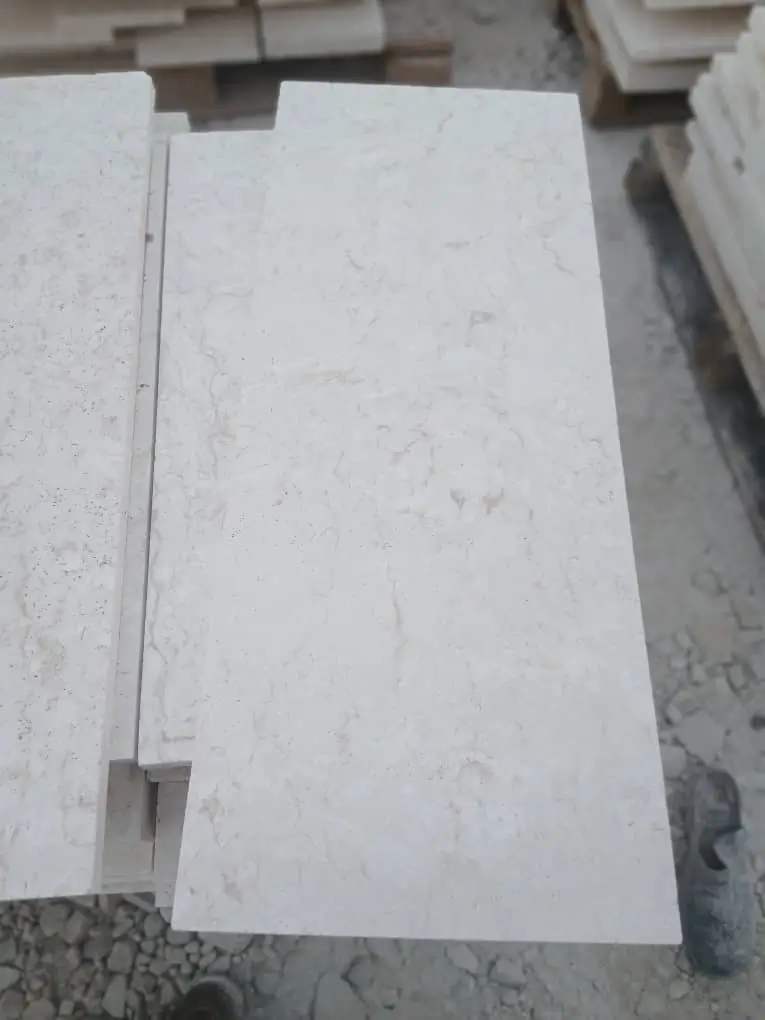
Ordering, Delivery Logistics, and What to Verify Before You Commit
Large limestone planters are heavy freight, and the logistics of delivery deserve as much planning as the specification itself. A 36-inch planter can weigh 250 to 400 lbs depending on wall thickness and formation density — that’s not a piece you lift off a truck by hand, and it’s not a piece you want arriving without a plan for final placement.
Confirm truck access to your delivery point before ordering. Flatbed delivery for large stone pieces typically requires a vehicle with lift-gate capability, and some sites — gated residential entries, underground car parks, rooftop installations — require coordination with a crane or materials lift well in advance. Citadel Stone ships large limestone planters with protective skid packaging, and our warehouse team can advise on vehicle size requirements and off-loading options for your specific site before dispatch.
- Verify warehouse stock availability before committing to a planting schedule — large format limestone pieces are not always held in high volume, and lead times from warehouse to delivery can range from 1 to 3 weeks depending on quantity and current stock levels
- Inspect every piece at delivery before the truck leaves — check rim edges, base corners, and drainage holes for shipping damage, and document anything with photographs before signing off
- For multi-piece orders, request that pieces be individually wrapped and banded — limestone corners and rims are most vulnerable during transit when adjacent pieces are in contact
- Large limestone pots delivered on pallets should not be lifted from the pallet using straps around the rim — this concentrates load on the narrowest section of the wall; use a timber cradle or purpose-built lifting frame that supports the base
For commercial projects with specific programme dates, confirm lead times and warehouse availability at least 6 to 8 weeks ahead of your installation window. Citadel Stone limestone pots and planters are held in a range of standard sizes ready for fast dispatch, but custom dimensions and bespoke finish combinations require additional fabrication time that needs to be factored into your programme early.
Parting Guidance for Large Limestone Planter Buyers
A large limestone planter represents a genuine long-term investment in a site’s character, and the decisions that determine whether it performs for 10 years or 35 come down to specification precision, not price point. Your finish should match the exposure level and maintenance commitment you can realistically sustain. Your wall thickness should exceed the minimum, not meet it. Your drainage strategy should be engineered, not assumed. And your delivery logistics should be planned before the order is placed, not the morning the truck arrives.
The limestone planter large enough to make a genuine landscape statement carries enough mass to demand respect in every phase — specification, delivery, placement, and seasonal care. Getting those phases right in sequence is the practical difference between a piece that enhances a space for decades and one that requires intervention within the first few years. Citadel Stone’s large limestone planters are selected with wall thickness in mind, as thinner-walled pieces are more vulnerable to freeze-thaw expansion in colder climates.
Related reading: travertine slab · limestone type of rock · how to identify limestone.