

What the Decision Actually Comes Down To
The faux stone vs real stone debate gets oversimplified constantly — most comparisons stop at cost per square foot and move on. What they miss is the structural reality that shapes every other decision: how the substrate handles the weight, how the building code classifies the assembly, and how the material behaves at the bond line over time. These aren’t abstract concerns. They determine whether your specification holds up at inspection, let alone over a 20-year horizon.
Real stone veneer typically runs between 12 and 25 pounds per square foot depending on thickness, while manufactured faux stone panels land in the 8–14 lb/sq ft range. That gap matters enormously on timber-framed interior accent walls, second-floor applications, and retrofit projects where the structural engineer’s load calculations are already tight. Your choice between these two materials often gets made at the engineering desk before a single product is selected.
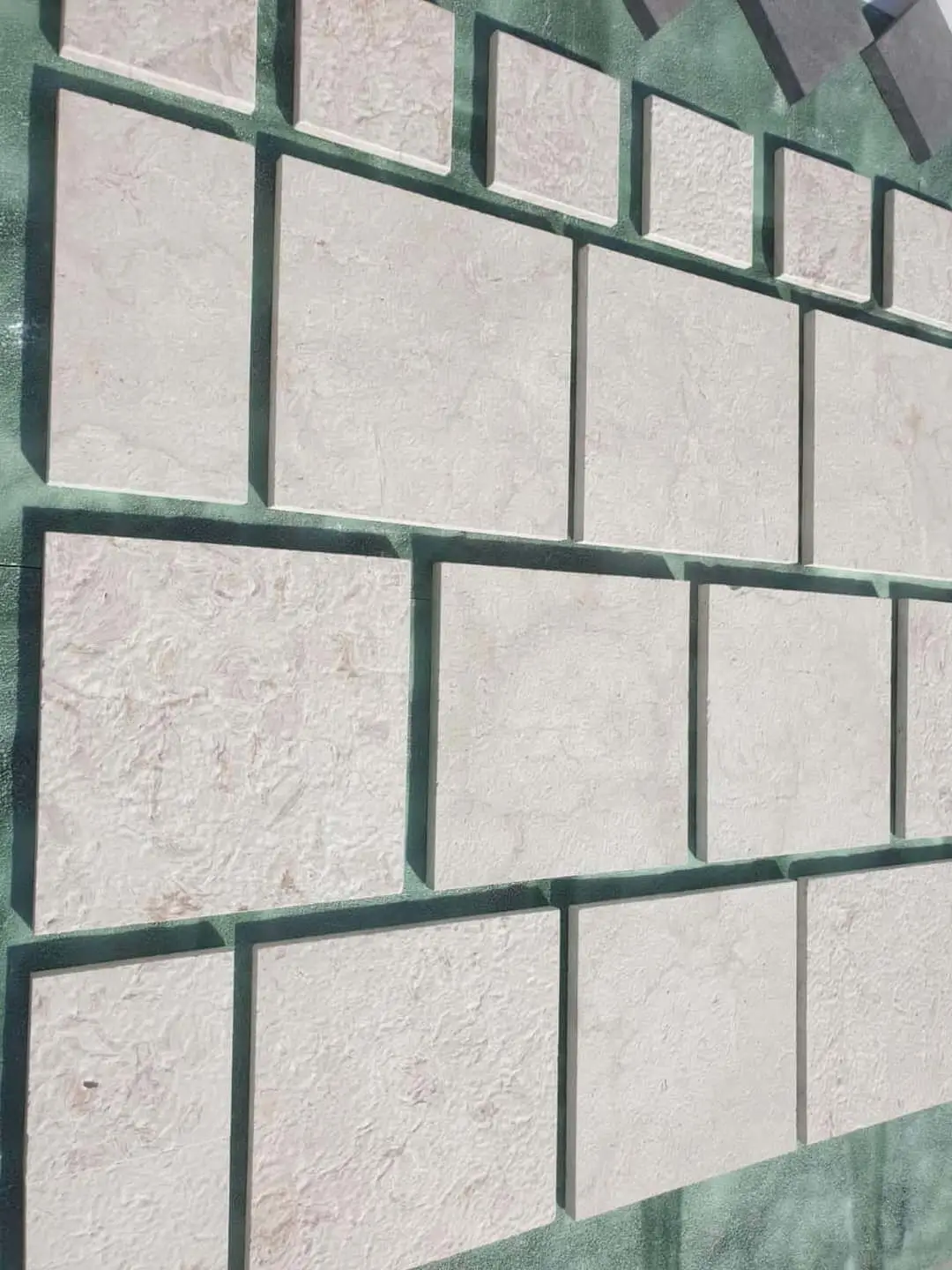
Understanding What Faux Stone Actually Is
Faux stone is a manufactured product — typically a portland cement-based composite cast in molds taken from real stone surfaces, sometimes reinforced with aggregates or glass fiber. Quality varies considerably across faux stone manufacturers, and that variation directly affects how the product performs at the surface, at the joint, and under UV exposure. The good ones replicate texture convincingly. The weaker ones chalk, fade, and telegraph their seams within five to seven years.
The manufacturing process matters more than most buyers realise. High-density faux stone cast with iron oxide pigments embedded throughout the material will hold color longer than surface-painted products — you’re not just buying appearance, you’re buying pigment depth. Ask your supplier for cross-section samples and compare cut faces, not just surface finish. If the color stops at 3mm, that’s a warning sign for any exterior application exposed to abrasion or impact.
- Cast faux stone uses molds from genuine quarried stone, giving it realistic texture variation
- Pigmentation depth determines whether color survives surface weathering over 10–15 years
- Glass fiber reinforcement improves flexural strength but can delaminate in freeze-thaw regions if moisture infiltrates during installation
- Panel systems with integrated attachment clips differ from mortar-applied units — the installation method affects which substrates are code-compliant
- Absorption rates in lower-quality faux stone can exceed 13%, creating spalling risk wherever standing water or ice forms at the face
What Real Stone Brings That Faux Cannot Replicate
The performance characteristics of genuine quarried stone extend well beyond aesthetics. Natural stone facade materials carry compressive strengths that faux composites simply don’t reach — limestone veneer typically tests between 4,000 and 8,000 PSI depending on formation density, while most faux stone composites fall in the 2,500–4,000 PSI range. In high-traffic wall base applications or exterior facades exposed to physical impact, that gap translates directly into chip resistance and long-term surface integrity.
Thermal mass is another dimension that gets overlooked in quick comparisons. Real stone absorbs and releases heat slowly, which moderates surface temperature swings on exterior walls in hot, dry climates. Faux stone, with its lower density and higher air content, doesn’t hold thermal mass the same way. For passive performance in climate-responsive building envelopes, genuine stone contributes measurably — faux does not. According to Natural Stone Institute stone variety specifications, the structural and thermal characteristics of natural stone vary meaningfully by rock type, and those differences carry real consequences for specification decisions.
- Natural stone veneer in the 3/4-inch to 1-1/4-inch thickness range delivers dimensional stability that resists impact chipping
- Real stone does not fade — its color is mineralogical, not applied, so UV exposure over decades changes surface patina rather than bleaching pigment
- Genuine stone supports biophilic design intent more authentically, which matters on high-end residential and hospitality projects where authenticity is part of the brief
- Resale appraisals tend to assign higher material value to natural stone installations than to faux alternatives
For projects specifying natural stone facade cladding, Natural Stone Institute veneer installation and wall stone guidance provides technical detail on anchoring systems, substrate requirements, and moisture management behind the cladding — all of which affect long-term performance in ways that unit cost comparisons don’t capture.
Building Code and Structural Considerations
Here’s where faux stone vs real stone stops being a preference conversation and becomes a compliance conversation. IBC Chapter 21 governs masonry and veneer assemblies, and the classification of your wall system — anchored veneer vs adhered veneer — determines what substrate preparation, fastener schedules, and inspection requirements apply. Natural stone thin veneer adhered to a scratch coat and lath is a different code assembly than a faux panel mechanically clipped to sheathing. Get the classification wrong in your spec and you’ll be addressing it at rough inspection, not at closeout.
Seismic zones add another layer. In high-seismic regions, anchored stone veneer requires engineered tie schedules that account for out-of-plane forces. Faux stone panels, being lighter, face lower seismic demand — but the attachment system still needs to be engineered, not assumed. Load-bearing capacity of the substrate wall often becomes the constraint before material weight does. Your structural engineer needs to sign off on both options in seismic-design categories C through F — this is not optional.
- IBC Section 1405 covers adhered masonry veneer requirements including maximum unit weight and bond strength testing
- Frost line depth affects exterior wall base detailing — wherever freeze-thaw cycling occurs, moisture management behind any cladding system is critical
- Timber-framed walls in residential construction typically have defined shear capacity limits — adding stone veneer mass changes the lateral load distribution that the shear panels need to handle
- Fire-resistance ratings for exterior cladding assemblies differ between natural stone, faux composite panels, and fiber cement backer — verify your assembly rating against code requirements for your occupancy type
- Local amendments to the IBC vary by jurisdiction — some municipalities require additional testing or third-party inspection for stone veneer assemblies exceeding certain heights
For the full regulatory framework governing masonry and veneer installation, IBC Chapter 21 masonry and veneer building code requirements is the definitive reference, and cross-referencing your local adopted code version against it is a necessary step before finalising any specification.
Installation Complexity and Trade Skill Requirements
Faux stone panel systems are genuinely easier to install — that’s a real advantage, not marketing language. A competent tile setter or skilled general contractor can handle most faux stone manufacturers’ panel systems with standard tools and a weekend of product familiarisation. The clip-and-mortar systems on the better products are forgiving, and callbacks from incorrect installation are relatively rare when the manufacturer’s substrate prep requirements are followed.
Real stone veneer is a different conversation. Mortar bedding depth, scratch coat cure time, and back-buttering technique all require either a mason or an experienced tile contractor with stone experience specifically. Uniform coverage behind the stone face matters more than most installers appreciate — voids in the mortar bed create moisture pockets that cycle through freeze and thaw, and you’ll see the surface consequences within three to five years in cold climates. Installer selection is as important as material selection when specifying genuine stone.
- Faux stone panel systems typically require 1/2-inch cement board or equivalent — drywall is not an acceptable substrate for exterior or wet-area applications
- Natural stone veneer requires a properly cured scratch coat at 28-day strength before bonding — rushing this step is the leading cause of delamination failures
- Cutting faux stone with standard diamond blades creates clean edges; cutting natural stone at corners requires water-cooled saws and careful edge dressing to prevent face spalling
- Faux stone manufacturers typically publish substrate requirements and warranty conditions that tie product performance to specific installation methods — deviating from these voids coverage
Durability and Long-Term Maintenance
The durability story for faux stone vs real stone over a 25-year horizon is more nuanced than the upfront cost comparison suggests. Real stone, properly installed, is genuinely low maintenance — it doesn’t fade, it doesn’t delaminate, and the primary maintenance task is periodic repointing of mortar joints and resealing on porous stone types. Budget for resealing every 5–7 years on exterior limestone veneer and you’re essentially ahead of most faux alternatives on a lifecycle cost basis.
Faux stone, depending on product quality, requires more active attention. Surface sealers on faux products typically need renewal every 3–5 years to maintain weather resistance and color integrity. The mortar joints on faux stone accumulate efflorescence and staining more visibly than on natural stone because the color contrast between a chalky efflorescence deposit and a uniform manufactured face is sharper than against the natural variation in real stone. This is the kind of detail that only becomes apparent after five years of actual field observation.
- Real stone does not need painting or surface recoating — its maintenance is structural, not cosmetic
- Faux stone with deep-body pigment holds color better than surface-coated alternatives but still degrades under prolonged UV exposure in south-facing high-altitude applications
- Natural stone veneer joints, when pointed with the correct mortar type, achieve service lives exceeding 30 years without replacement
- Replacing damaged faux stone panels mid-installation requires matching dye lots — a challenge if the original product has been discontinued, which happens frequently in the manufactured stone market
- Real stone can be cleaned with standard masonry cleaners without risk of surface degradation — faux stone requires product-specific cleaners to avoid surface etching
Cost Comparison Beyond the Unit Price
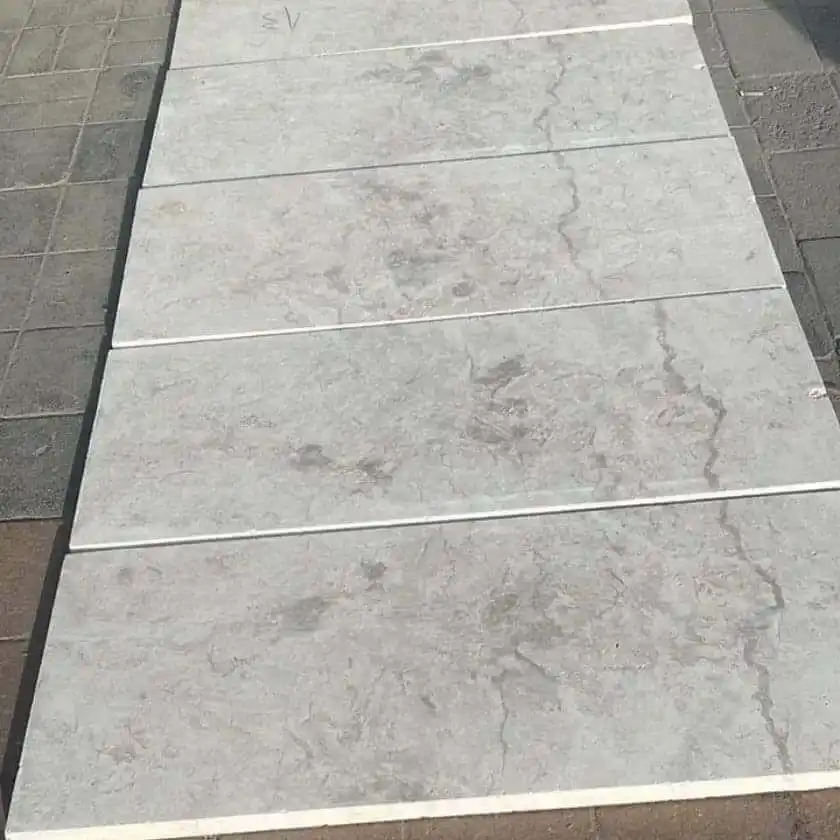
The installed cost comparison between faux stone vs real stone looks different depending on which costs you include. Faux stone generally runs 20–40% lower on material cost per square foot, and installation labour is typically 15–25% cheaper due to faster panel placement. On a straightforward 200 sq ft interior accent wall, that’s a real and meaningful savings. On a complex exterior facade with coursed detailing, reveals, and custom corner units, the labour gap narrows because even faux stone requires careful layout and time-consuming corner work.
Real stone veneer carries a higher upfront number, but the lifecycle math shifts over time. Replacement cycles, recoating costs, and the difficulty of matching discontinued faux stone products in partial repairs all add to the total cost of ownership for manufactured alternatives. For clients planning to hold a property for 15-plus years, genuine stone’s lower maintenance trajectory frequently makes it the more economical choice when running a proper 20-year NPV analysis.
Citadel Stone maintains national warehouse inventory across stone veneer thicknesses from 3/4 inch through 1-1/4 inch, which typically brings lead times to 1–2 weeks — significantly faster than the 6–8 week import cycle that delays many natural stone projects. Explore the full range of Citadel Stone natural stone facade materials to compare thickness options, surface finishes, and material availability before committing to a specification.
Where Faux Stone Genuinely Wins
There are applications where faux stone is objectively the right answer, and being clear about that is more useful than an unconditional preference for real stone. Interior accent walls on upper floors of timber-framed residential construction are one example — where structural load is the binding constraint and aesthetic authenticity is secondary, a high-quality faux stone panel system is a completely defensible specification choice.
Budget-constrained retail buildouts and commercial tenant improvements are another clear fit. The speed of installation, the reduced substrate preparation requirements, and the lower material cost combine to meet project timelines and budgets that genuine stone simply can’t hit. On projects where the wall will be refitted within 10 years anyway, the durability advantage of real stone is irrelevant — the economics unambiguously favour the faux option.
- Faux stone is appropriate where weight limits make real stone structurally non-viable without costly reinforcement
- DIY installations on residential interior projects are far more achievable with faux panel systems than with mortar-set stone veneer
- Short-lifecycle commercial interiors where 7–10 year performance is sufficient benefit from faux stone’s lower installed cost without sacrificing the period they need
- Vertical fireplace surrounds on timber-framed walls — where both heat proximity and weight are concerns — are well-suited to faux stone with proper fire-rating verification
Making the Right Call on Faux Stone vs Real Stone
Getting the faux stone vs real stone decision right requires looking past the surface comparison and into the structural, code, and lifecycle realities of your specific project. The material decision and the structural decision are inseparable — and that means your architect, structural engineer, and stone supplier need to be talking to each other before the spec is finalised. At Citadel Stone, we work through these questions with clients regularly, reviewing load constraints, substrate conditions, and code requirements to arrive at a specification that actually performs.
Delivery logistics also deserve attention earlier than most clients expect. Truck scheduling for stone veneer — whether natural or faux — affects staging sequencing on tight sites, and coordinating warehouse dispatch with your installation window prevents the costly delay of having crews ready without material. Beyond the facade decision itself, stone specification extends into interior applications as well. If you’re working through related material choices, choosing stone slabs for countertops and vanities covers the selection criteria for interior stone surfaces in detail worth reviewing alongside your facade decisions.
Weight load limits on timber-framed accent walls are a practical constraint where Citadel Stone helps clients determine whether thin natural veneer or faux panels are structurally appropriate.
Related reading: manufactured vs natural stone veneer · engineered vs natural stone · sintered stone vs quartz.