

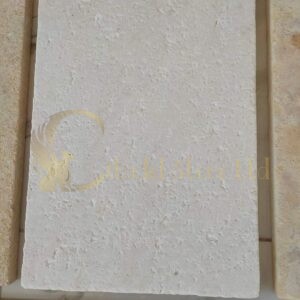

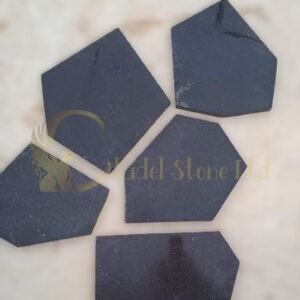
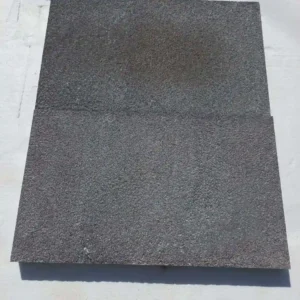
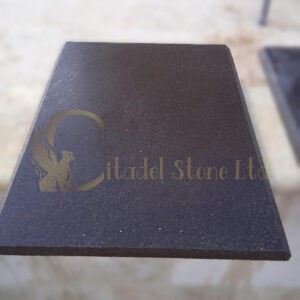
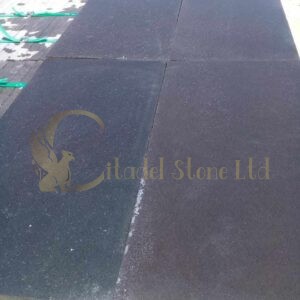

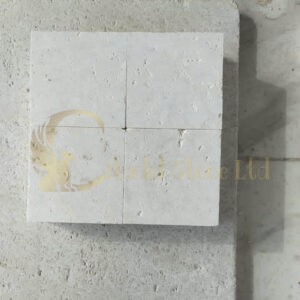
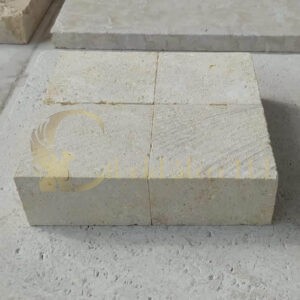
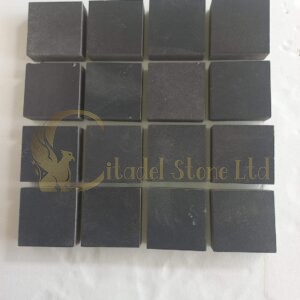
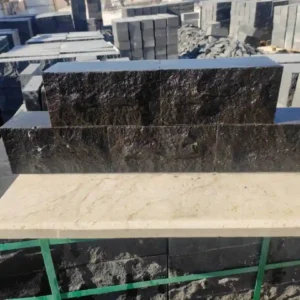
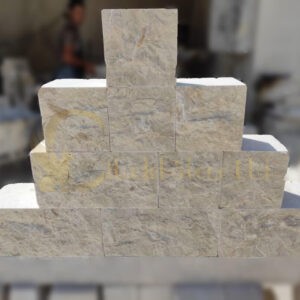
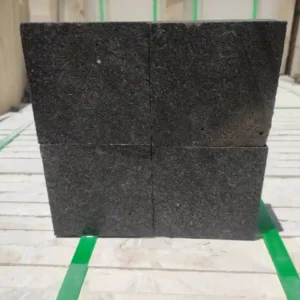
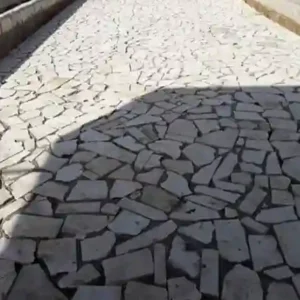

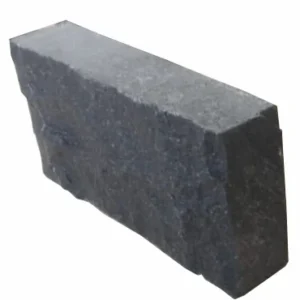
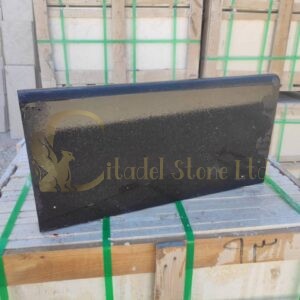
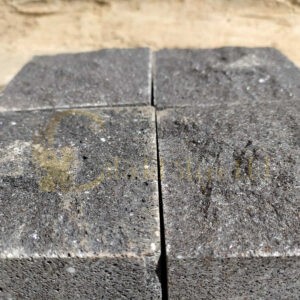
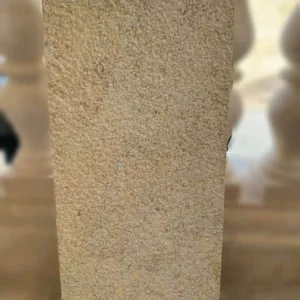
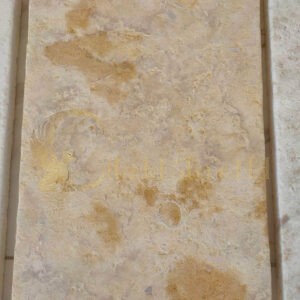
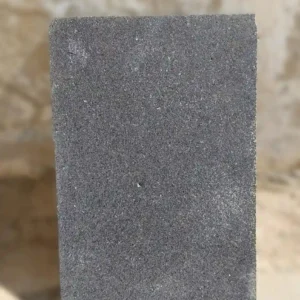
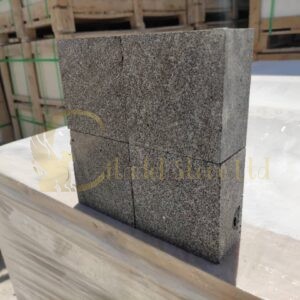
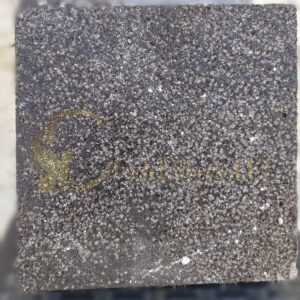
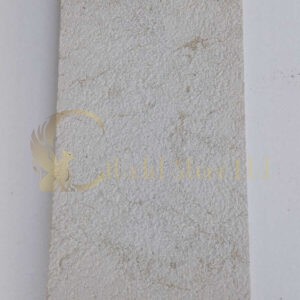
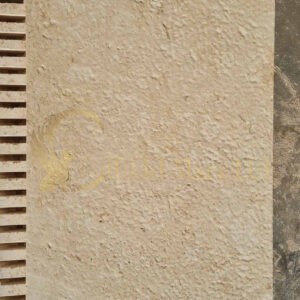
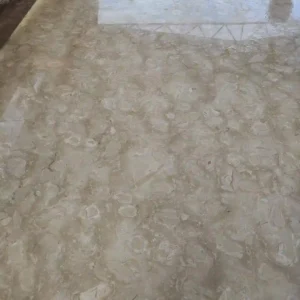
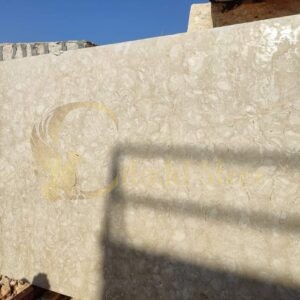
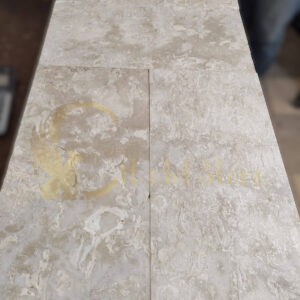
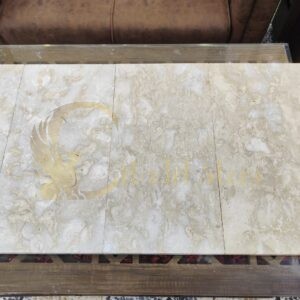
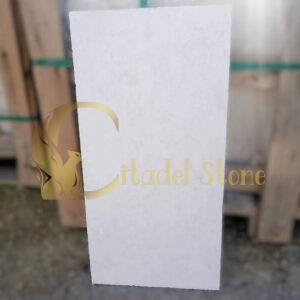

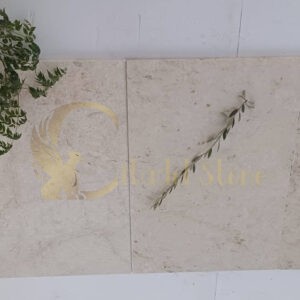

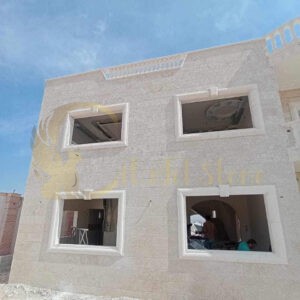
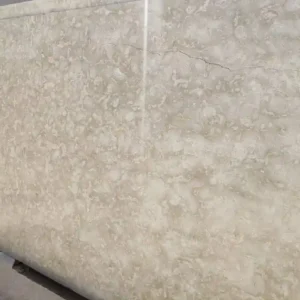

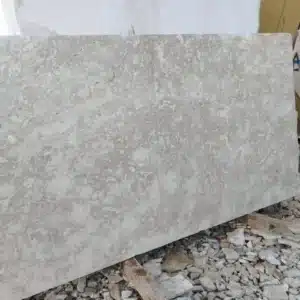

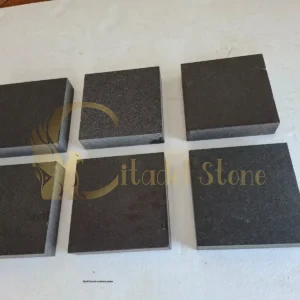
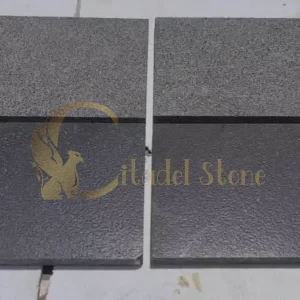
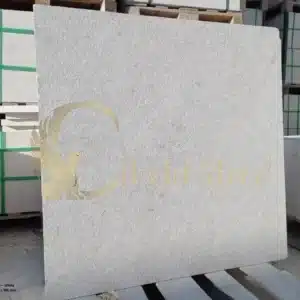


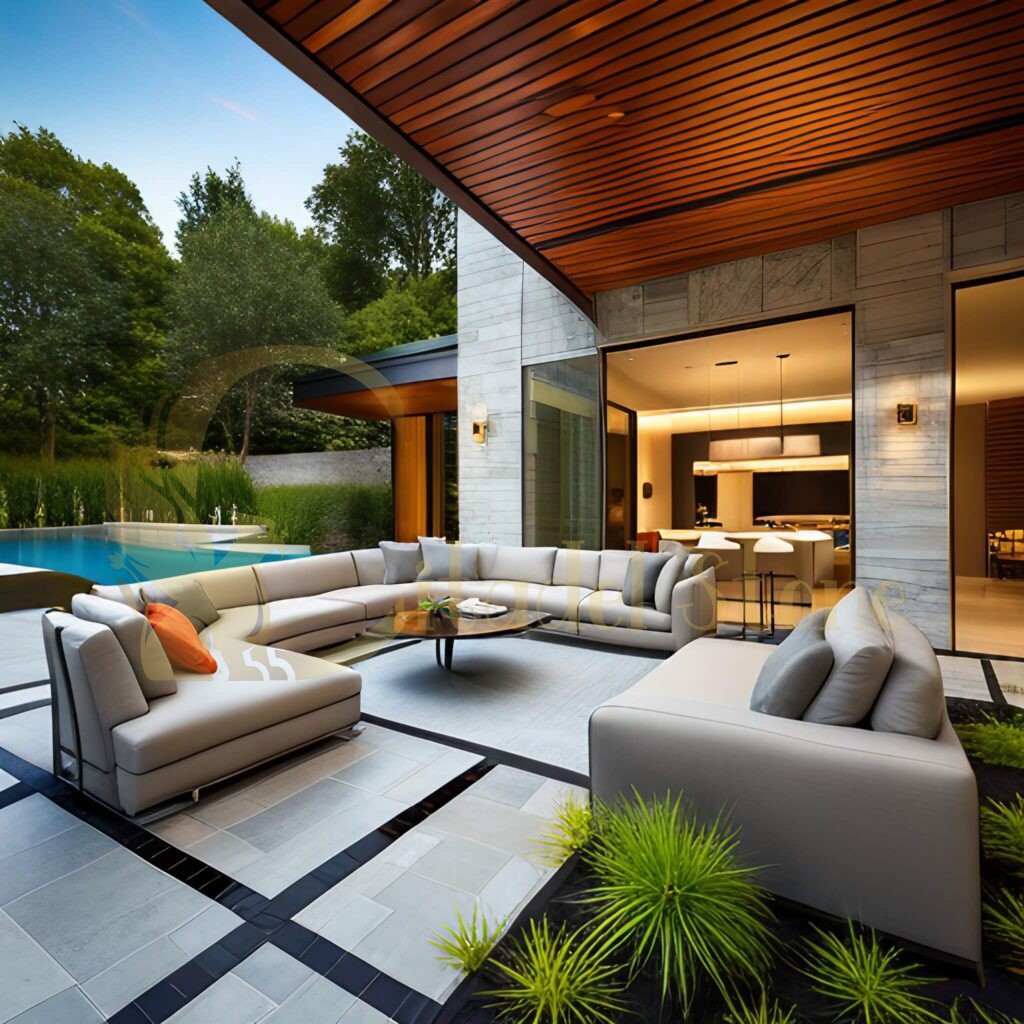
When you’re selecting travertine wall tile in Arizona, you’ll face unique challenges that don’t exist in other regions. The state’s extreme temperature swings, intense UV exposure, and low humidity create demanding conditions for natural stone installations. Citadel Stone travertine products deliver proven performance across Arizona’s diverse climate zones, from Phoenix’s scorching summers to Flagstaff’s freeze-thaw cycles. You need to understand how Citadel’s material specifications, finish options, and installation requirements align with your specific project parameters before finalizing specifications.
The porosity characteristics of natural travertine wall tile in Arizona installations directly affect long-term performance. Citadel Stone’s travertine typically exhibits interconnected pore structures with absorption rates between 2-5%, depending on density grade and finish treatment. You’ll find this porosity beneficial for vapor transmission in exterior applications, but it requires appropriate sealing protocols to prevent moisture infiltration and efflorescence. Arizona’s arid climate minimizes freeze-thaw risks in most regions, though elevation matters significantly.
Material Characteristics for Arizona Climate
Natural stone travertine wall tile in Arizona must withstand thermal cycling that exceeds 60°F daily variation during summer months. Citadel Stone’s travertine demonstrates thermal expansion coefficients around 0.0000044 inches per inch per degree Fahrenheit, requiring proper joint spacing to accommodate movement. You’ll need expansion joints every 12-15 feet for large-format installations, with joint width matching TCNA guidelines for anticipated temperature ranges.
The UV stability of travertine wall tiles in Arizona remains excellent compared to synthetic alternatives. Citadel Stone’s natural coloration won’t fade or discolor under intense solar radiation, though you should expect some surface patina development over the first 18-24 months of exposure. This weathering actually enhances the authentic stone appearance most designers seek. The surface temperature of silver travertine wall tile in Arizona can reach 140-150°F during peak summer sun, making material selection critical for touch-contact surfaces near pools or entry areas.
- Compressive strength exceeding 6,500 PSI for Citadel Stone travertine ensures structural integrity in load-bearing applications
- Water absorption rates between 2-5% require sealing every 18-24 months in exterior installations
- Thermal mass properties help moderate interior temperature swings when used on feature walls
- Surface hardness on Mohs scale ranges from 3-4, suitable for vertical applications but requiring care during installation
- Density variations within individual slabs affect absorption and appearance consistency
Finish Selection and Performance Implications
Your finish choice fundamentally alters how travertine stone wall tiles in Arizona perform in specific applications. Citadel Stone offers honed, polished, and tumbled finishes, each with distinct maintenance and aesthetic characteristics. Honed finishes provide a matte appearance with minimal reflectivity, ideal for reducing glare in high-light conditions common throughout Arizona. The surface porosity remains more open than polished options, requiring more frequent sealing but offering superior slip resistance for shower applications.
Polished white travertine wall tiles in Arizona create dramatic reflective surfaces that maximize natural light in interior spaces. The closed surface structure reduces absorption rates to the lower end of the 2-5% range, extending sealing intervals. However, you’ll notice that polished finishes show water spots and fingerprints more readily than honed alternatives. The reflectivity can become problematic in west-facing applications where afternoon sun creates intense glare.
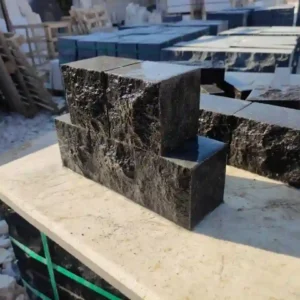
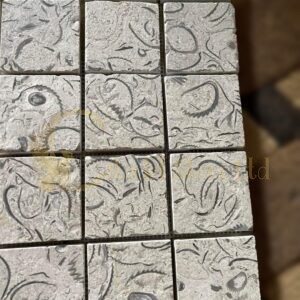
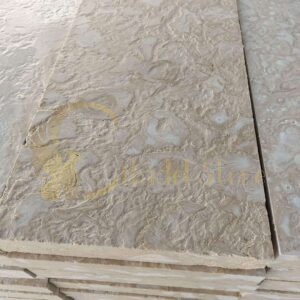
Tumbled finishes on Citadel Stone travertine provide an aged, textured appearance particularly popular for feature walls and exterior applications. The irregular surface hides minor installation imperfections better than flat finishes, offering more forgiving installation tolerances. You should expect higher initial absorption rates with tumbled surfaces, necessitating more thorough sealing protocols before grouting. The depth variation in tumbled finishes typically ranges from 1/8 to 1/4 inch, affecting substrate requirements and setting material calculations.
Color Selection for Arizona Environments
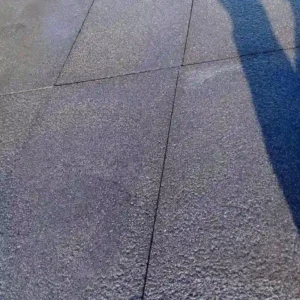
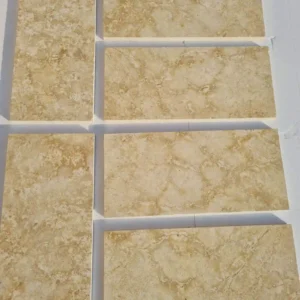
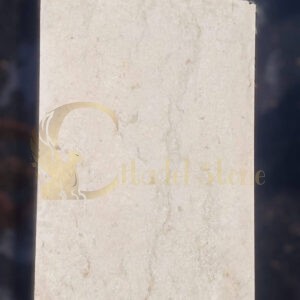
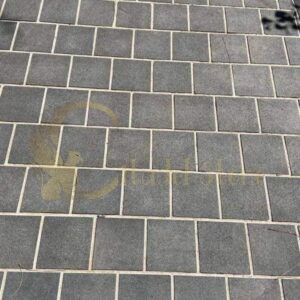
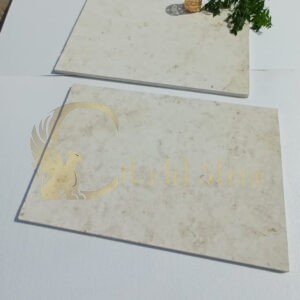
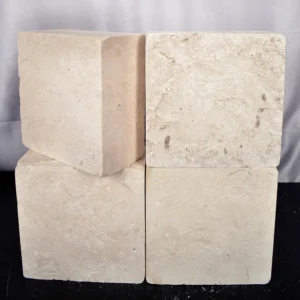
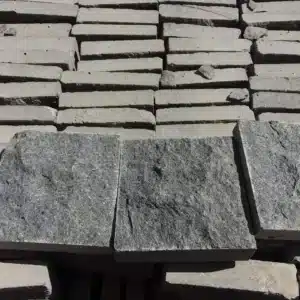
Grey travertine wall tiles in Arizona offer thermal advantages in exterior applications where heat gain concerns drive material decisions. Lighter colors reflect 60-70% of solar radiation compared to 20-30% for darker stones, reducing surface temperatures by 15-25°F during peak exposure. Citadel Stone’s ivory travertine subway tile in Arizona provides classic aesthetics while maintaining cooler surface temperatures, making it ideal for exterior wall cladding near outdoor living spaces.
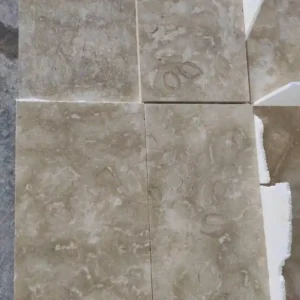
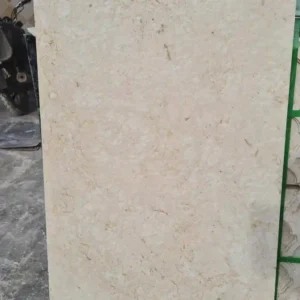
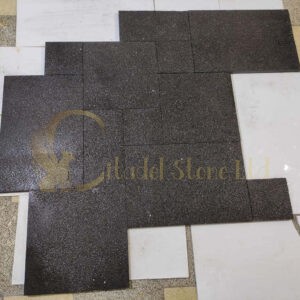
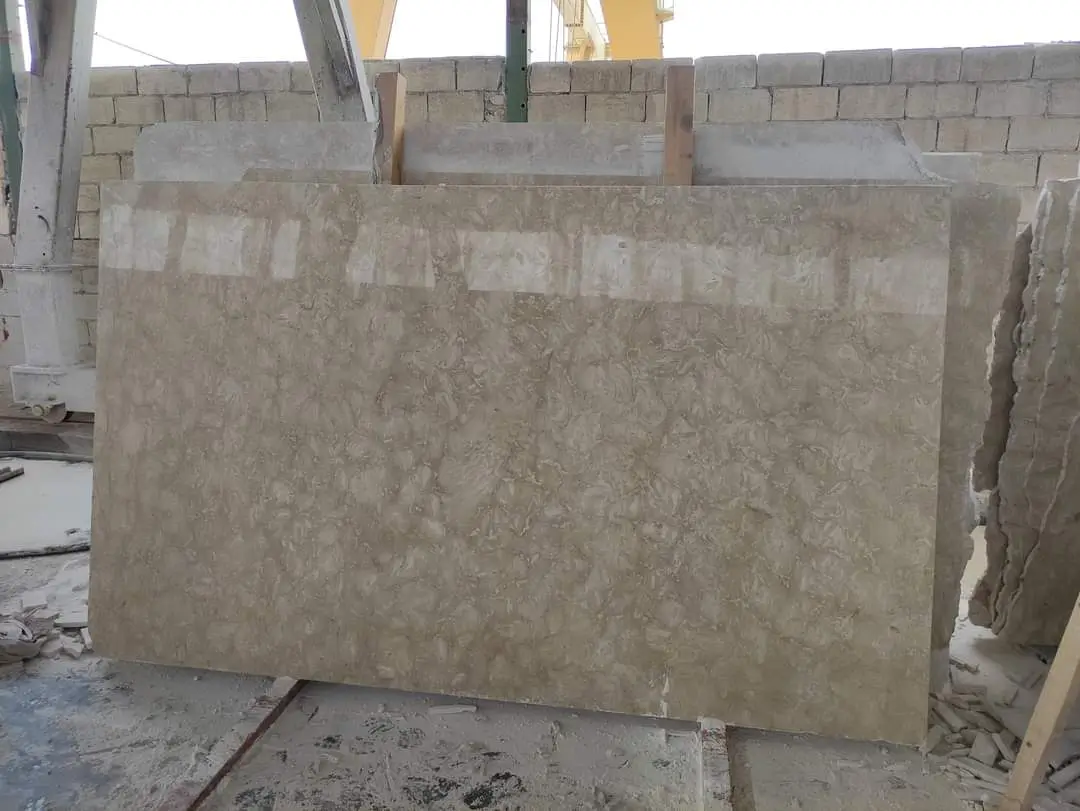
The natural color variation within travertine wall stone in Arizona installations should be anticipated and specified appropriately. Citadel Stone batches travertine by color classification, but you’ll still encounter variation within individual pallets ranging from subtle to moderate. This inherent variation creates visual interest in large wall installations, though it requires careful layout planning during installation. You can minimize jarring transitions by dry-laying tiles before setting and distributing color ranges evenly across the wall plane.
- Silver travertine wall cladding in Arizona provides neutral tones that complement desert landscape palettes
- Warm ivory tones create inviting interior atmospheres while maintaining light-reflective properties
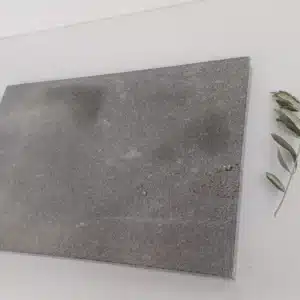
- Cooler grey variations work well in contemporary design schemes with metal and glass accents
- Blended color pallets require additional sorting time during installation, affecting labor costs by 10-15%
- Color consistency improves when sourcing from single quarry lots through Citadel Stone’s inventory management
Substrate Preparation Requirements
Your substrate preparation determines long-term adhesion success more than any other installation variable. Travertine exterior wall tiles in Arizona require rigid backing systems that prevent differential movement between the stone and supporting structure. Citadel Stone recommends cement backer board over exterior-grade plywood for most applications, with minimum 1/2-inch thickness for tiles up to 12 inches and 5/8-inch for larger formats. The substrate must achieve flatness within 1/8 inch over 10 feet to prevent lippage and ensure proper mortar coverage.
Exterior installations of travertine stone wall cladding in Arizona demand waterproofing protocols that extend beyond standard interior practices. You’ll need to apply sheet membrane or liquid-applied waterproofing behind the backer board, with particular attention to inside corners, penetrations, and termination points. The membrane must extend at least 6 inches beyond the tile field at all edges to prevent water intrusion at vulnerable transitions. Arizona’s intense UV exposure degrades exposed membranes rapidly, so you should protect all flashings and terminations with appropriate metal trim or cladding extensions.
The mortar bed thickness for travertine wall and floor tiles in Arizona installations typically ranges from 3/16 to 1/2 inch, depending on tile size and substrate flatness. Citadel Stone’s travertine works best with medium-bed mortars formulated for natural stone, avoiding high-alkalinity products that can cause discoloration through the stone’s porous structure. You should verify 95% mortar coverage on the tile back for exterior applications, reducing to 80% for protected interior installations. Insufficient coverage creates voids where moisture can accumulate, leading to efflorescence or delamination failures within the first two years.
Installation Techniques for Field Applications
When you’re installing natural stone travertine wall tile in Arizona, the ambient temperature at time of installation affects mortar curing and adhesion development. You should avoid installation when substrate temperatures fall below 40°F or exceed 100°F, conditions that occur regularly in Arizona’s temperature extremes. Winter morning installations in Flagstaff and summer afternoon work in Phoenix both present challenges requiring climate control or scheduling adjustments. Citadel Stone materials perform optimally when installed within ANSI A108 temperature guidelines, typically 50-90°F.
The trowel notch size and pattern directly influence mortar coverage and bond strength. For travertine wall cladding tiles in Arizona up to 8 inches, you’ll use a 1/4 x 3/8-inch square-notch trowel with proper directional application. Larger formats require 1/2 x 1/2-inch notches or larger, with back-buttering recommended for tiles exceeding 15 inches in any dimension. The comb direction should run perpendicular to the tile’s long dimension to facilitate air escape during setting. You’ll achieve better coverage by applying consistent trowel pressure and maintaining consistent notch depth throughout the installation.
- Joint width for travertine on walls in Arizona should maintain minimum 1/8-inch spacing for standard tiles
- Large-format installations benefit from 3/16-inch joints to accommodate size variation and prevent lippage
- Grout selection should favor epoxy products for wet areas and sanded cementitious grouts for dry applications
- Clean tile faces within 20 minutes of grouting to prevent haze development on porous travertine surfaces
- Allow 72-hour minimum cure time before applying sealer to Citadel Stone travertine installations
Sealing Protocols and Maintenance Cycles
You’ll need to establish sealing schedules based on exposure conditions and traffic patterns specific to your Arizona location. Citadel Stone travertine exterior wall cladding in Arizona requires more frequent sealing than interior applications due to UV exposure, temperature cycling, and occasional monsoon moisture. Penetrating sealers provide the best performance for natural stone, avoiding surface-film products that trap moisture and create delamination risks. The initial seal should occur 72 hours after grouting, with a second coat applied 4-6 hours after the first coat achieves proper penetration.
The sealer longevity on ivory travertine subway tile in Arizona varies from 12-24 months depending on exposure severity. You can test sealer effectiveness by applying water droplets to the surface—proper sealing causes beading and slow absorption over 5-10 minutes. When water soaks in immediately, resealing becomes necessary to prevent staining and moisture infiltration. Some professionals find that maintaining detailed service records helps predict optimal resealing intervals for specific installations, typically settling into 18-month cycles for exterior work and 24-36 month cycles for interior applications.
Daily maintenance of travertine walls living room in Arizona installations requires only dry dust mopping or occasional damp cleaning with pH-neutral stone cleaners. You should avoid acidic cleaners including vinegar, lemon-based products, and most general-purpose household cleaners that etch travertine’s calcium carbonate composition. The etching appears as dull spots that require professional honing to restore finish uniformity. For our natural stone wall tiles AZ, Citadel Stone recommends specific maintenance products that preserve sealer integrity while effectively removing Arizona’s dust and mineral deposits.
Structural Considerations for Load-Bearing Applications
Your structural assessment must account for the dead load that travertine accent wall in Arizona installations add to the building envelope. Citadel Stone travertine typically weighs 165-175 pounds per cubic foot, translating to approximately 11-12 pounds per square foot for standard 3/4-inch thick tiles. When you factor in mortar, backer board, and furring systems, total assembly weight can reach 18-22 pounds per square foot. Existing wall structures may require reinforcement to safely support these loads, particularly in retrofit applications where original design didn’t anticipate stone cladding.
The attachment system for travertine exterior wall in Arizona installations varies based on building height, wind exposure, and substrate type. Mechanical anchoring systems using stainless steel clips or rails provide superior performance in high-wind zones and on buildings exceeding two stories. Adhesive-only installations work adequately for single-story protected applications with proper substrate preparation. You’ll find that combination systems using both adhesive and mechanical fasteners offer optimal redundancy for critical applications where failure consequences justify additional installation cost.
- Wind load calculations for Arizona’s high-desert regions must account for sustained winds exceeding 30 mph
- Seismic considerations in some Arizona zones require flexible joint details at building movement planes
- Thermal expansion joints should align with building expansion joints to maintain movement continuity
- Fastener corrosion resistance becomes critical in areas with irrigation overspray or fountain proximity
- Stainless steel Type 316 fasteners provide superior longevity compared to Type 304 in Arizona’s environment
Common Specification Errors and Corrections
Most specification failures with travertine feature wall in Arizona projects stem from inadequate detail at transitions and terminations. You’ll encounter problems at inside corners where two planes meet, at top-of-wall terminations exposed to weather, and at base conditions where the stone meets dissimilar materials. Citadel Stone installations require metal trim pieces at these vulnerable locations, specified with adequate overlap and proper sealant joints. The trim gauge should match the exposure severity—24-gauge minimum for protected areas, 22-gauge for moderate exposure, and 20-gauge for severe wind-driven rain zones.
Another frequent error involves underestimating the importance of movement accommodation in large travertine stone wall in Arizona installations. When you exceed 12-15 feet in any direction without soft joints, the accumulated thermal expansion can exceed mortar’s elastic capacity, resulting in cracking or delamination. The soft joints require backing rod and appropriate sealant, not grout, to maintain flexibility throughout seasonal cycles. You should detail these joints to align with building control joints and occur at logical visual breaks in the wall pattern.
Water management details often receive insufficient attention in specifications for travertine retaining wall in Arizona applications. While Arizona’s low precipitation reduces water-related failures compared to humid climates, the intense monsoon events that do occur can overwhelm inadequate drainage systems. You need to provide weep holes at 32-48 inch spacing horizontally and at the base of all drainage planes. The weep system must connect to a drainage mat behind the stone, creating a continuous path for moisture escape. Blocking these paths with mortar during installation represents one of the most common field errors that leads to efflorescence and staining issues.
Cost Factors and Value Engineering
When you’re evaluating travertine wall tiles in Arizona for project specifications, material cost represents only 40-50% of total installed expense. Citadel Stone’s travertine pricing typically ranges from $8-18 per square foot depending on grade, finish, and format, with field tiles at the lower end and large-format or specialty pieces commanding premium pricing. You’ll find that installation labor adds $12-25 per square foot depending on complexity, site access, and local labor rates. Arizona’s major metropolitan markets generally see higher labor costs than rural areas, with Phoenix and Scottsdale installations running 15-20% above state averages.
The value engineering process for travertine wall in Arizona projects should focus on format and finish selections rather than quality reductions. Citadel Stone offers multiple grades within each color family, allowing you to match budget constraints while maintaining performance standards. Standard honed finishes cost less than tumbled or polished alternatives, potentially saving 20-30% on material cost without sacrificing durability. You can achieve additional savings by selecting modular sizes that minimize cutting waste and reduce installation time.
- Larger format tiles reduce grout joint quantity, lowering both material and labor costs for grout installation
- Standard thickness tiles at 3/4 inch cost less than thin-format 3/8-inch versions despite the reduced material volume
- Coordinating travertine cladding in Arizona delivery schedules with installation progress minimizes storage costs and damage risk
- Bulk purchasing from Citadel Stone warehouse inventory provides better pricing than special-order materials
- Pre-sealed tiles from the factory add cost but reduce field labor and ensure consistent sealer application
Citadel Stone — Premier Source for travertine exterior wall cladding in Arizona — Regional Specifications
Citadel Stone’s expertise with travertine exterior wall cladding in Arizona stems from understanding how regional climate variations affect material performance and installation protocols. When you’re specifying Citadel Stone products across Arizona’s diverse geographic zones, you need conditional guidance that accounts for elevation, precipitation patterns, and temperature extremes. The following city-specific insights reflect how Citadel Stone would approach typical projects in Arizona’s major markets, providing hypothetical specification frameworks based on regional conditions.
These recommendations represent Citadel Stone’s advisory approach for travertine exterior wall cladding in Arizona, not documentation of completed installations. You’ll find this guidance valuable when adapting general travertine specifications to location-specific requirements throughout the state. Citadel Stone maintains warehouse inventory suitable for rapid deployment to these markets, with technical support available for project-specific consultation.
Phoenix Desert Heat
For Phoenix installations, Citadel Stone would emphasize silver travertine cladding in Arizona that maximizes solar reflectivity while withstanding sustained temperatures exceeding 110°F for months at a time. You’ll want to specify lighter color options with honed or tumbled finishes that reduce glare in the intense Arizona sun. The low humidity in Phoenix minimizes efflorescence risks, but proper sealing remains critical for monsoon season moisture protection. Expansion joint spacing should account for temperature swings exceeding 70°F between night and day during summer months. Citadel Stone’s travertine performs reliably in Phoenix’s demanding conditions when installation follows thermal movement protocols.
Tucson Specifications
Tucson projects benefit from Citadel Stone’s natural travertine wall tile in Arizona with similar thermal considerations to Phoenix but typically 5-10°F cooler summer peaks. You should account for slightly higher monsoon precipitation in specification documents, requiring more robust waterproofing details behind exterior cladding. The desert modern aesthetic prevalent in Tucson architecture pairs well with Citadel Stone’s natural color variations in grey and ivory tones. Installation scheduling should avoid June through August when afternoon thunderstorms complicate exterior work. Citadel Stone would recommend sealing protocols matching Phoenix requirements, with annual inspection cycles to address any weather-related maintenance needs.
Scottsdale Luxury Applications
When you’re working on Scottsdale projects, Citadel Stone would suggest premium-grade travertine feature wall in Arizona applications where aesthetic quality drives material selection. The luxury residential and hospitality market in Scottsdale typically specifies larger formats with book-matched or vein-matched layouts requiring careful material selection at the warehouse. You’ll find that polished finishes remain popular for interior features despite higher maintenance requirements, while exterior applications favor honed surfaces. Climate considerations mirror Phoenix specifications with emphasis on thermal performance. Citadel Stone’s ability to provide consistent color lots becomes particularly valuable in Scottsdale’s high-end market where material continuity affects project success.
Flagstaff Freeze-Thaw
Flagstaff represents Arizona’s most challenging environment for travertine stone wall tiles in Arizona, requiring freeze-thaw resistant specifications uncommon in the state’s desert regions. Citadel Stone would recommend dense, low-absorption travertine grades with absorption rates below 3% for exterior applications at this elevation. You need to specify freeze-thaw testing compliance per ASTM C1026 for materials destined to Flagstaff installations. Joint sealants must maintain flexibility at temperatures below 0°F, requiring silicone or polyurethane products rather than acrylic alternatives. The winter moisture exposure from snow accumulation demands more frequent sealing cycles than desert installations, typically annual inspection with resealing every 12-18 months. Citadel Stone maintains inventory appropriate for Flagstaff’s requirements with technical data supporting cold-climate performance.
Sedona Aesthetic Integration
Sedona’s dramatic red rock landscape creates unique aesthetic considerations for travertine accent wall in Arizona installations. Citadel Stone would recommend warm ivory and beige tones that complement rather than compete with the natural surroundings while providing desired contrast to the dominant red geology. You’ll find that tumbled finishes align well with Sedona’s rustic luxury design vernacular. The moderate elevation around 4,500 feet creates climate conditions between desert valleys and Flagstaff’s high country, requiring occasional freeze-thaw consideration without extreme cold specifications. Building codes in Sedona emphasize natural material compatibility, making Citadel Stone’s travertine an appropriate specification that meets both performance and aesthetic objectives.
Yuma Extreme Conditions
Yuma represents Arizona’s hottest market, where summer temperatures routinely exceed 115°F and travertine walls living room in Arizona specifications must account for extreme thermal stress. Citadel Stone would emphasize white travertine wall tiles in Arizona for maximum solar reflectance in this environment where heat mitigation drives every material decision. You should specify increased expansion joint frequency and width compared to other Arizona markets, with joints every 10-12 feet rather than standard 15-foot spacing. The very low humidity simplifies moisture management but intensifies UV exposure effects. Installation scheduling becomes critical in Yuma, with summer work limited to early morning hours when substrate temperatures remain below 100°F. Citadel Stone’s technical team would provide detailed thermal movement calculations specific to Yuma’s temperature extremes for projects in this demanding climate zone.
Long-Term Performance Expectations
Your realistic performance expectations for travertine stone wall cladding in Arizona should account for natural material aging that differs from manufactured products. Citadel Stone travertine develops character over time through subtle surface weathering that many designers consider aesthetically beneficial. You’ll observe minimal color shift, though surface texture may smooth slightly in high-contact areas and roughen in areas exposed to wind-blown sand. These changes typically stabilize within 2-3 years of installation, after which appearance remains relatively constant with proper maintenance.
The structural integrity of properly installed Citadel Stone travertine exterior wall tiles in Arizona should extend beyond 50 years in most applications. You can expect some natural fissure expansion in tiles with prominent veining, though this rarely compromises structural performance. Grout joints represent the most likely maintenance requirement, potentially requiring regrouting every 15-20 years in exterior applications exposed to thermal cycling. Interior installations require significantly less maintenance intervention over equivalent time periods.
- Sealer reapplication intervals stabilize at 18-24 months after initial break-in period
- Grout color may shift slightly over time due to differential weathering and cleaning practices
- Minor edge chipping can occur in high-impact areas, typically not affecting overall wall integrity
- Efflorescence may appear intermittently during first year as residual salts migrate, then cease as moisture cycles complete
- Citadel Stone’s travertine maintains thermal properties throughout service life without performance degradation
Professional Specification Checklist
When you’re preparing comprehensive specifications for grey travertine wall tiles in Arizona projects, your documents should address material, installation, and maintenance parameters with sufficient detail to ensure successful execution. Citadel Stone recommends including the following elements in specification sections to minimize interpretation errors and field conflicts. You’ll find that thorough upfront documentation reduces change orders and accelerates installation progress by eliminating ambiguity.
- Material grade designation with acceptable color variation range and finish specification
- Tile format and thickness requirements with dimensional tolerances per ANSI A137.1
- Substrate preparation requirements including flatness tolerances and waterproofing details
- Mortar type and coverage requirements with specific product references or performance criteria
- Joint width and grout type specifications with color selection and sealer compatibility
- Expansion joint locations and sealant specifications with movement capability requirements
- Sealing protocol including product type, application timing, and coverage rates
- Quality control procedures for material inspection, installation progress verification, and final acceptance
- Maintenance requirements and recommended cleaning products for long-term care
- Warranty expectations for both material performance and installation workmanship
Your specification should also address logistics factors including material delivery schedules, storage requirements, and waste factor allowances. Citadel Stone typically recommends 10-15% overage for standard installations, increasing to 20-25% for diagonal layouts or complex patterns. The storage location should provide protection from weather exposure and potential damage from other trades, with truck access adequate for delivery vehicle maneuvering and forklift operation if required for large orders.
Final Considerations
Professional specification of travertine wall tile in Arizona requires balancing aesthetic objectives with performance requirements specific to the state’s challenging climate zones. Citadel Stone’s comprehensive product line and regional expertise provide the foundation for successful installations across Arizona’s diverse applications. You’ll achieve optimal results by selecting appropriate grades and finishes for specific exposure conditions, following proven installation protocols, and maintaining realistic expectations about natural stone’s inherent characteristics.
The decision to specify Citadel Stone products reflects a commitment to authentic materials that improve rather than degrade over time with proper maintenance. When you’re evaluating alternatives, consider total lifecycle value rather than initial cost alone. Natural stone’s durability and timeless aesthetic typically provide superior long-term value compared to manufactured alternatives requiring replacement within 15-20 years. For related design and material considerations, explore Various finishes including honed polished tumbled travertine options to understand coordinated floor and wall applications. Arizona homeowners choose Citadel Stone for natural travertine wall tile in Arizona that showcases authentic stone beauty.