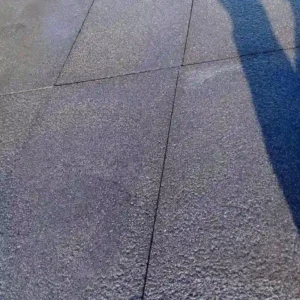
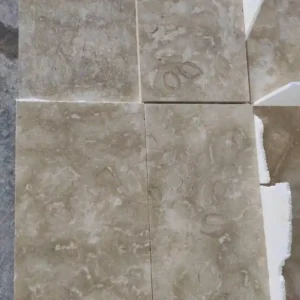

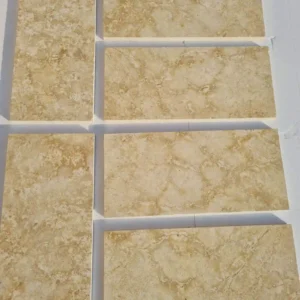

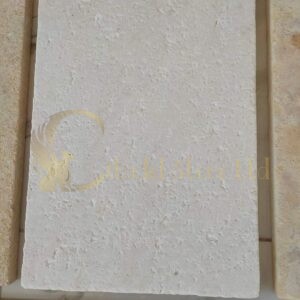

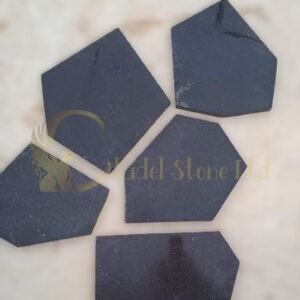
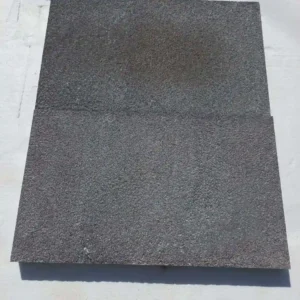
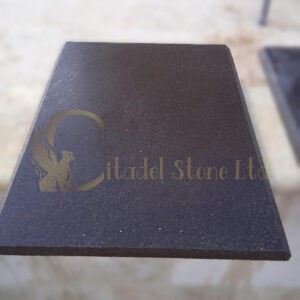
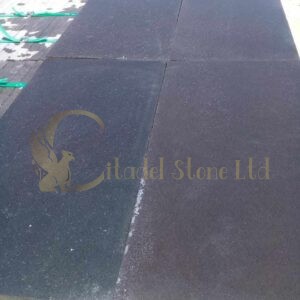

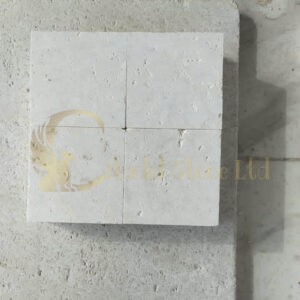
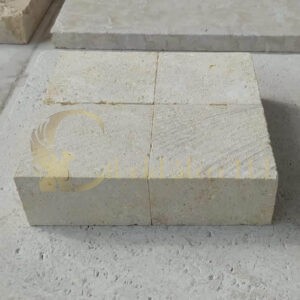
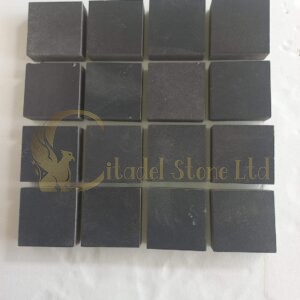
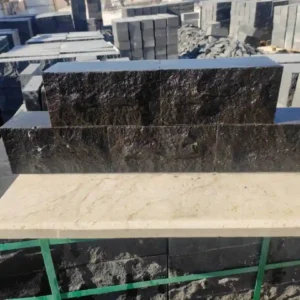
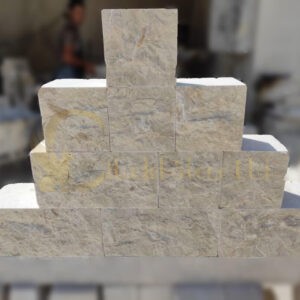
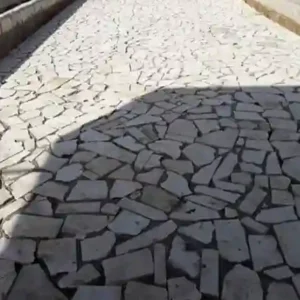
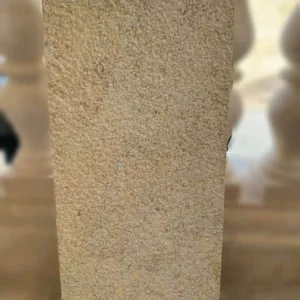
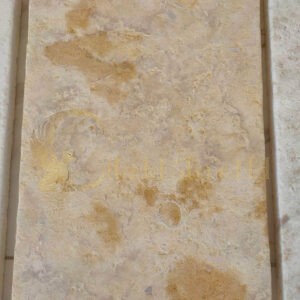
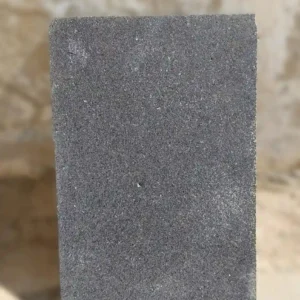
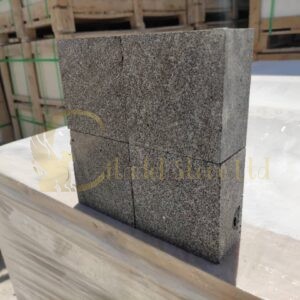
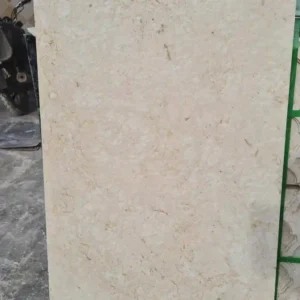
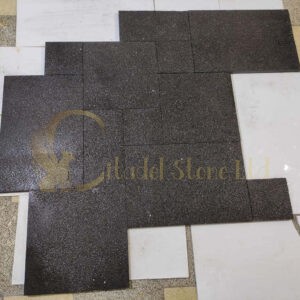
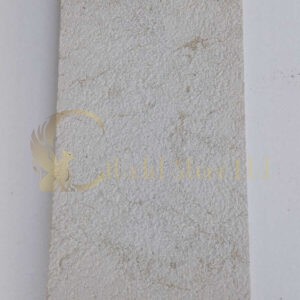
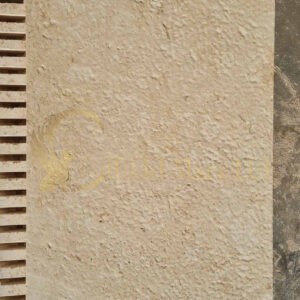
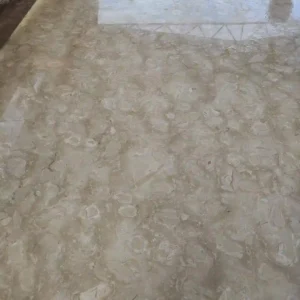
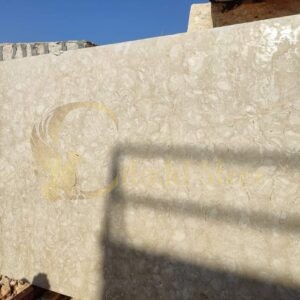
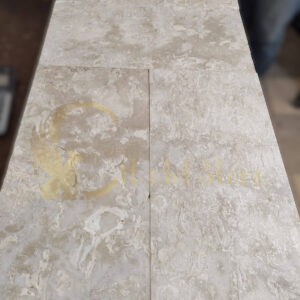
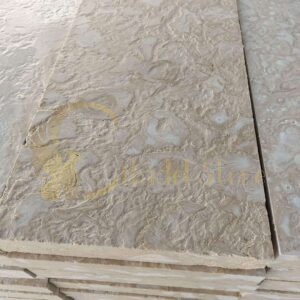
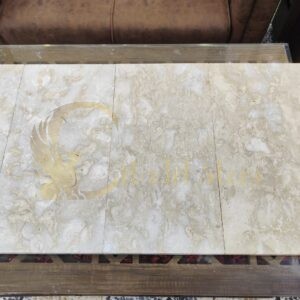
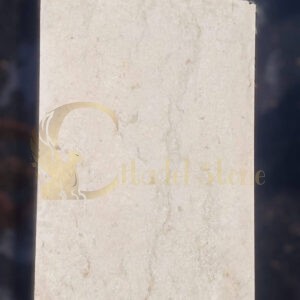
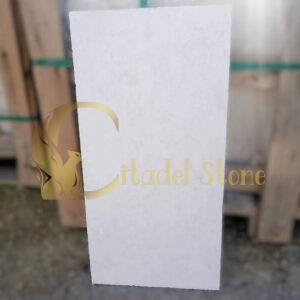
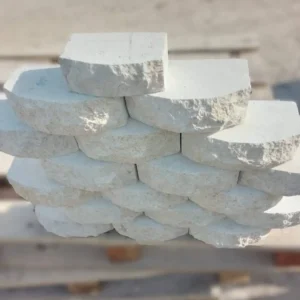
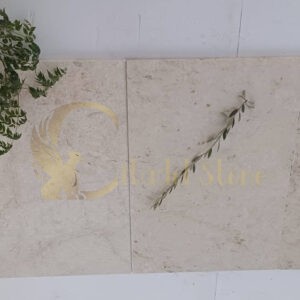

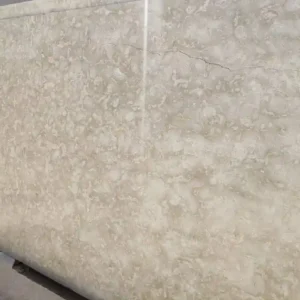
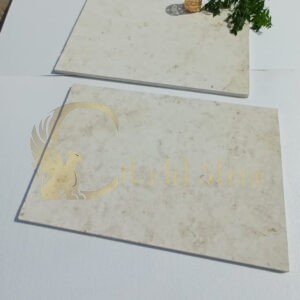




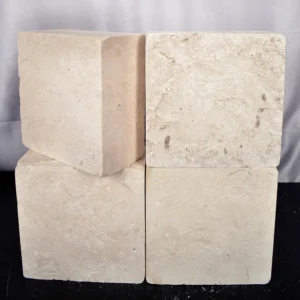
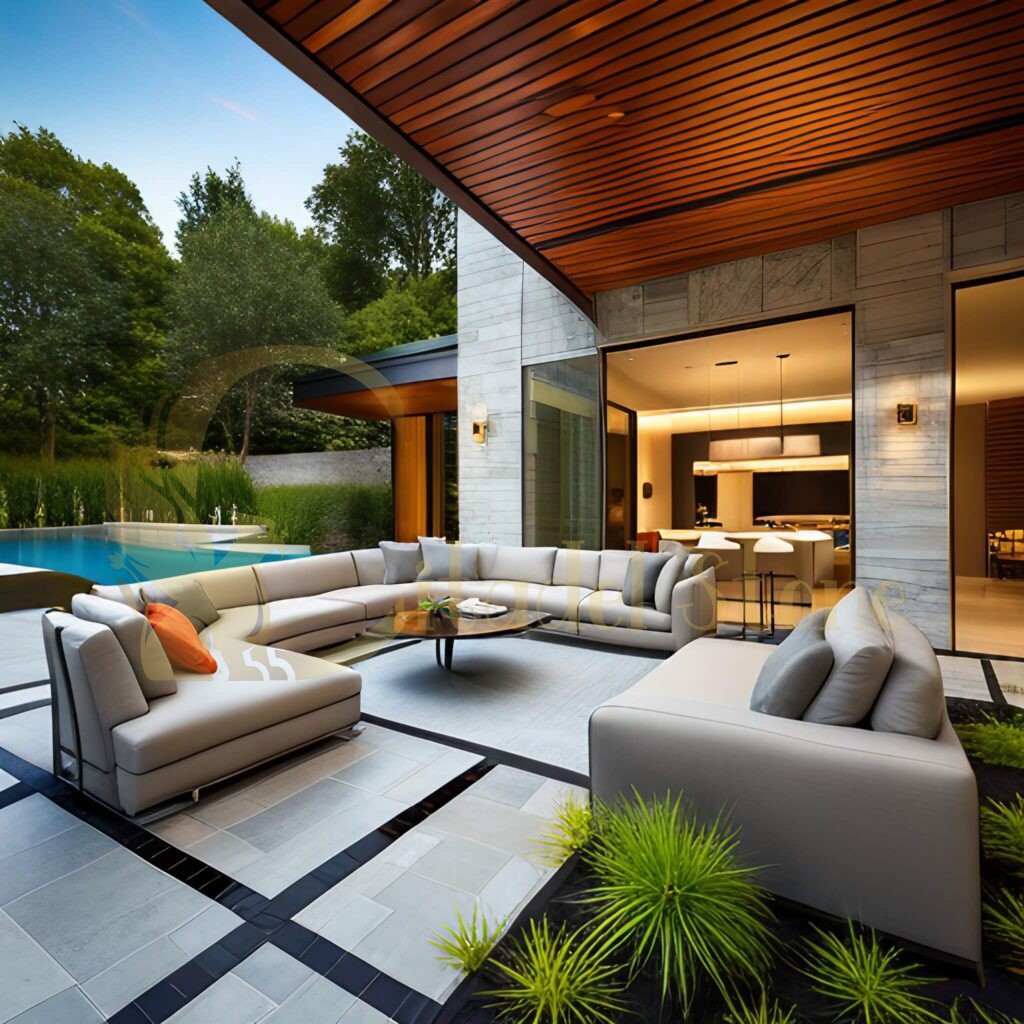
When you’re specifying flooring for Arizona projects, you’ll quickly discover that 16×16 travertine tile in Arizona offers a unique combination of thermal performance and aesthetic versatility that few materials can match. Citadel Stone’s selection addresses the extreme temperature swings and intense UV exposure characteristic of desert climates. You’re looking at a material that won’t store heat the way porcelain or concrete does, which matters significantly for outdoor applications where surface temperatures can easily exceed 140°F on summer afternoons.
The reality is that most specifiers underestimate how much thermal behavior affects usability. Citadel Stone’s 16×16 travertine tile in Arizona installations demonstrate superior heat management because travertine’s cellular structure allows air circulation within the stone matrix. You’ll find surface temperatures typically run 15-25°F cooler than comparable concrete pavers under identical sun exposure. That translates to walkable surfaces during peak heat hours—a critical factor for pool decks, patios, and commercial plazas where barefoot traffic is common.
Material Characteristics That Matter
Understanding what makes Citadel Stone’s 16 inch travertine tile perform in Arizona climates requires looking beyond surface appearance. The stone’s porosity sits in the 2-5% range for most commercial-grade selections, providing enough absorbency for natural cooling while maintaining structural integrity. You’re working with calcium carbonate formations that exhibit compressive strengths exceeding 6,000 PSI when properly selected and installed.
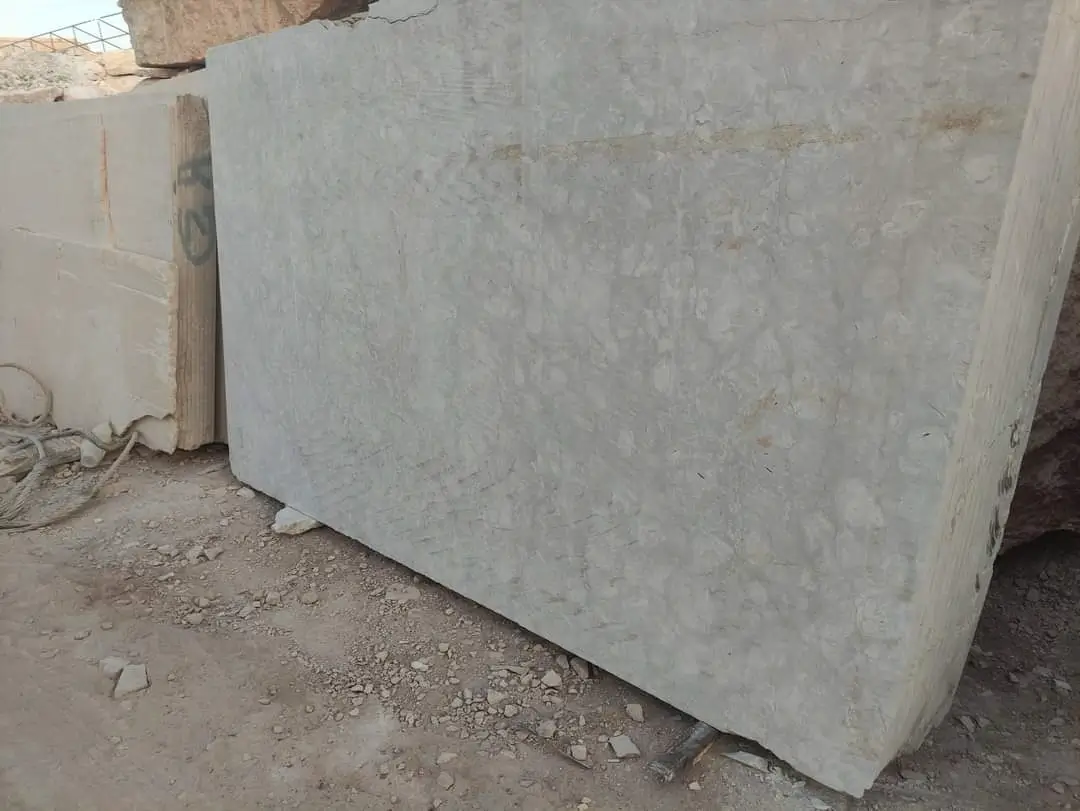
The thermal coefficient of expansion for travertine averages approximately 0.0000044 inches per inch per degree Fahrenheit—substantially lower than granite or marble. What this means for your Arizona projects is reduced joint movement and fewer stress fractures during temperature cycling. Citadel Stone materials withstand the daily 40-50°F temperature differentials common in Phoenix and Tucson without the cracking issues you’d see with denser stone types.
- Water absorption rates between 2-5% allow evaporative cooling without compromising freeze-thaw resistance in northern Arizona elevations
- Surface hardness ratings of 3-4 on Mohs scale provide adequate scratch resistance for residential applications while remaining softer than concrete for comfortable barefoot walking
- Natural color variation within each tile creates visual interest without requiring perfect color matching during installation
- Tumbled and honed finishes from Citadel Stone offer DCOF ratings between 0.50-0.65, meeting most exterior slip resistance requirements
Arizona Climate Considerations
Your material selection needs to account for Arizona’s dual climate zones. The low desert regions where Phoenix, Scottsdale, and Yuma sit experience minimal freeze-thaw cycling but brutal UV exposure and sustained high temperatures. You’ll specify differently for Flagstaff or Sedona projects where winter temperatures regularly drop below freezing and snow accumulation occurs.
Citadel Stone’s 16×16 travertine tile in Arizona performs reliably across both zones when you match finish and density to location. For low desert installations, you’re prioritizing thermal reflectivity and heat dissipation. The lighter tones—ivories, beiges, and warm grays—reflect 50-65% of solar radiation compared to darker stone options that absorb 70-80%. That difference directly impacts surface walkability during summer months.
For northern Arizona elevations above 5,000 feet, you’ll want to verify water absorption rates stay below 3% to ensure adequate freeze-thaw durability. The same cellular structure that provides cooling in Phoenix becomes a liability in Flagstaff if moisture penetrates and freezes. Citadel’s technical team can provide absorption data for specific material lots, which you should review before finalizing specifications for mountain region projects.
UV Stability and Color Retention
The intense Arizona sun delivers UV radiation levels that degrade many materials within 3-5 years. Citadel Stone’s natural travertine maintains color stability because the pigmentation derives from mineral content throughout the stone matrix, not surface treatments. You won’t see the fading common with stained concrete or the chalking that affects some composite pavers.
Field observations show Citadel Stone installations maintaining color consistency for 10-15 years with minimal maintenance. The natural variation within travertine means slight weathering actually enhances the aged patina most clients prefer. You should set realistic expectations with owners that some color evolution occurs—typically a subtle lightening as surface calcium carbonate weathers—but the overall appearance remains stable.
Specification Criteria for Professional Results
When you’re writing specifications for 16 inch travertine tile in Arizona, you need to address thickness, finish, edge treatment, and grading. Citadel Stone stocks these tiles in 1.25-inch and 1.5-inch thicknesses for most applications. You’ll specify the thinner profile for pedestrian areas over properly prepared bases and upgrade to 1.5-inch for light vehicular traffic or installations where base conditions aren’t optimal.
- Minimum 1.25-inch thickness for standard residential patios and pool decks with 6-inch compacted aggregate base
- 1.5-inch thickness required for driveways, fire truck access routes, or any vehicular loading scenarios
- Tumbled edges reduce chipping visibility and create a more forgiving installation tolerance compared to sawn edges
- Premium grade selection limits voids and ensures 95% of tile surfaces meet dimensional tolerances within 1/8 inch
The finish selection directly affects slip resistance and thermal performance. Citadel Stone offers honed, tumbled, and brushed finishes for their 16×16 travertine tile in Arizona inventory. Honed surfaces provide a smooth, matte appearance with DCOF values around 0.52—acceptable for most dry applications but borderline for pool decks. Tumbled finishes increase surface texture, raising slip resistance to 0.60-0.65 range while creating the weathered aesthetic many designers prefer.
For comprehensive guidance on Citadel Stone’s travertine sizing options and regional performance data, review Citadel Stone 16×16 Travertine Tile AZ before finalizing your specifications. The dimensional consistency in 16×16 format reduces cutting requirements compared to larger formats, which matters when you’re trying to control field labor costs.
Installation Requirements That Prevent Failures
You’ll eliminate 80% of potential problems by specifying proper base preparation from the outset. Citadel Stone’s 16 inch travertine tile requires a minimum 6-inch compacted aggregate base for pedestrian applications in stable soil conditions. You’re looking at 8-10 inches for vehicular areas or expansive clay soils common throughout the Phoenix metro area.
The base material should be Class II road base or equivalent, compacted to 95% modified Proctor density in 2-inch lifts. You need a 1-inch bedding layer of coarse sand or fine crusher fines—not masonry sand, which migrates too easily. Joint spacing between tiles should maintain 1/8 to 3/16 inch consistency, filled with polymeric sand that resists washout during monsoon season.
Substrate Preparation Details
Don’t make the common mistake of assuming existing hardscape can serve as base for Citadel Stone installations. You need to evaluate substrate stability, drainage characteristics, and compaction quality. Existing concrete slabs work as bases only if they’re structurally sound, properly sloped for drainage, and free from settlement cracks. Even then, you’ll need a bond-breaking layer between concrete and travertine to accommodate differential movement.
- Verify minimum 2% slope for drainage in all exterior installations using Citadel Stone products
- Install geotextile fabric beneath aggregate base in areas with poor soil conditions or high groundwater
- Compact base in lifts no thicker than 2 inches to achieve required density throughout the profile
- Test compaction with nuclear density gauge or plate load testing on commercial projects exceeding 1,000 square feet
Edge restraint prevents lateral creep that leads to joint opening and surface irregularities. You’ll specify soldier course installations, concrete curbs, or aluminum edge restraints depending on project aesthetics and budget. Citadel Stone materials perform best with positive edge confinement on all perimeter edges—half-measures here lead to maintenance calls within the first year.
Thermal Performance Data
The cooling effect of Citadel Stone’s travertine becomes quantifiable when you measure surface temperatures under controlled conditions. Independent testing shows light-colored travertine surfaces reaching 115-125°F in direct afternoon sun when ambient air temperatures hit 110°F. Compare that to concrete at 145-155°F or darker stone exceeding 160°F under identical exposure.
This performance difference results from travertine’s lower thermal mass and higher reflectivity. The material doesn’t store heat the way dense concrete does, so it cools rapidly once sun exposure ends. You’ll find Citadel Stone installations comfortable to walk on within 15-20 minutes after sunset, while concrete remains uncomfortably hot for hours.
The cellular structure within travertine allows minimal air movement through interconnected pores, creating convective cooling that further reduces surface temperature. This natural ventilation doesn’t compromise structural integrity because the cells don’t penetrate through the tile thickness—they’re distributed throughout the matrix in isolated pockets typically 1-3mm in diameter.
Comparative Analysis with Alternative Materials
When clients question whether Citadel Stone’s 16×16 travertine tile justifies the investment compared to concrete pavers or porcelain, you need data to support your recommendation. Material costs for premium travertine run approximately 20-35% higher than standard concrete pavers, but the lifecycle value proposition shifts dramatically when you factor in thermal comfort and aesthetic longevity.
- Concrete pavers require surface sealers every 2-3 years to maintain appearance and prevent efflorescence, adding ongoing maintenance costs
- Porcelain tiles deliver excellent dimensional consistency but lack the thermal comfort and natural variation that travertine provides
- Flagstone offers similar natural beauty but comes with significantly higher material costs and more complex installation requirements
- Citadel Stone travertine strikes the balance between performance, aesthetics, and cost-effectiveness for most Arizona applications
Common Specification Mistakes to Avoid
You’ll prevent expensive callbacks by anticipating the installation errors that plague travertine projects. The most frequent mistake involves inadequate joint material selection. Standard masonry sand washes out during Arizona’s intense monsoon storms, leaving open joints that allow base migration and tile movement. You need polymeric sand specifically formulated for wide joint applications, applied according to manufacturer protocols.
Another common oversight involves failing to specify proper drainage behind retaining walls or raised planters adjacent to Citadel Stone installations. Water that accumulates behind these structures migrates laterally, saturating the base material and causing settlement. Your specifications should include weep holes, drainage composite, or French drains to intercept this moisture before it reaches the paver base.
Sealer selection represents the third major specification error. Many installers default to high-gloss acrylic sealers that create slippery surfaces and require frequent reapplication. Citadel Stone recommends penetrating sealers for most Arizona applications—they enhance color without creating surface film and don’t require removal before reapplication. You’ll specify breathable sealers that don’t trap moisture within the stone, which matters in northern Arizona where freeze-thaw can cause spalling.
Edge Treatment Considerations
The exposed edges of Citadel Stone installations deserve specific attention in your specifications. Tumbled edges handle minor chipping better than sawn edges, making them more forgiving during installation and more durable long-term. You’re working with a relatively soft stone that can chip if installers aren’t careful with handling and cutting.
For steps and pool coping applications using 16 inch travertine tile in Arizona, you’ll want to detail bullnose or chamfer profiles that eliminate sharp 90-degree edges. These profiles reduce injury risk and improve visual appeal. Citadel’s warehouse stocks some pre-fabricated edge profiles, or you can specify field fabrication using diamond tooling—just account for additional labor costs and skilled installer requirements.
Maintenance Expectations and Long-Term Performance
Setting realistic maintenance expectations prevents owner dissatisfaction down the road. Citadel Stone’s 16×16 travertine tile in Arizona requires periodic cleaning and occasional sealing, but it’s far from high-maintenance compared to alternatives. You’ll advise clients to expect annual or bi-annual cleaning with pH-neutral stone cleaners and sealer reapplication every 3-5 years depending on traffic and exposure.
The natural voids characteristic of travertine may require filling during installation or as part of ongoing maintenance. Citadel Stone materials typically arrive with voids partially filled, but surface wear can expose additional pores over time. This isn’t a defect—it’s inherent to travertine’s geological formation. You can specify void-filling as part of initial installation or leave natural for a more rustic appearance, depending on project aesthetics.
- Annual pressure washing removes accumulated dust and organic debris without damaging stone surface
- Penetrating sealers maintain protection for 3-5 years in typical Arizona conditions before requiring reapplication
- Polymeric joint sand may need spot repairs in high-traffic areas every 2-3 years
- Citadel Stone materials develop natural patina over time that most owners find aesthetically desirable
The monsoon season presents specific maintenance considerations. Arizona’s summer storms deliver intense rainfall that can wash out improperly installed joint material and expose base aggregate. Your specifications should detail proper polymeric sand installation procedures, including multiple passes with compaction and misting to achieve full activation. This prevents the erosion issues that lead to premature joint failure.
Cost Considerations and Budget Planning
When you’re developing project budgets, Citadel Stone’s 16 inch travertine tile in Arizona installations typically cost $18-28 per square foot installed, depending on site conditions, project size, and finish selection. That price includes material, base preparation, installation labor, and joint filling. You’re looking at the lower end of that range for large-format projects with simple layouts and good site access, while complex patterns or difficult access pushes costs toward the upper range.
Material costs alone run $8-14 per square foot for premium-grade tiles from Citadel Stone, with tumbled finishes commanding a 15-20% premium over honed surfaces. You’ll need to factor in 5-8% waste for cutting and breakage on most projects—more if the design includes complex patterns or numerous angles. The truck delivery charges from Citadel’s warehouse vary with project location but typically add $200-500 for Phoenix metro deliveries.
Base preparation represents 30-40% of total installation cost, which catches many owners off-guard. You can’t skimp here without compromising long-term performance. Proper excavation, aggregate placement, and compaction require both equipment and skilled labor. For projects requiring removal of existing hardscape, add $3-6 per square foot for demo and disposal before base prep even begins.
Regional Product Performance Across Arizona
Citadel Stone’s expertise in Arizona markets means you’re getting materials selected specifically for regional performance requirements. The 16×16 travertine tile stocked in their warehouse undergoes quality verification for density, absorption rates, and dimensional consistency. You’re not specifying commodity imports with inconsistent characteristics—these materials meet predictable performance standards verified before delivery to your job site.
The low desert regions benefit from Citadel Stone’s lighter color selections that maximize solar reflectivity. Phoenix, Scottsdale, and Yuma projects perform best with ivory, beige, and light gray tones that stay cooler underfoot. The higher elevations around Flagstaff and Sedona allow more color flexibility since thermal comfort matters less when ambient temperatures rarely exceed 90°F, but you’ll prioritize lower absorption rates for freeze-thaw durability.
For additional insights into Citadel Stone’s natural stone options suited to Arizona’s varied climate zones, explore Premium natural stone flooring options for Arizona climates when developing comprehensive material specifications. The regional performance data helps you match product characteristics to specific project requirements rather than relying on generic manufacturer recommendations.
Citadel Stone Selection Guidance — 16 Travertine Tile in Arizona
When specifying Citadel Stone’s 16 travertine tile in Arizona projects, you’ll want to consider how regional conditions shape material performance and installation approaches. This guidance represents how Citadel Stone would approach hypothetical projects across diverse Arizona markets, drawing on our understanding of local climate patterns, soil conditions, and design preferences. You’re working with a material that adapts well to desert environments when properly specified and installed.
Citadel Stone’s approach emphasizes matching tile finish, thickness, and color to specific project requirements rather than offering one-size-fits-all recommendations. You’ll find that installations in low desert regions prioritize thermal management, while mountain projects focus on freeze-thaw durability. The key is understanding which performance characteristics matter most for your specific location and application.
Phoenix Thermal Priorities
For Phoenix area projects, you’d prioritize Citadel Stone’s lightest travertine colors to maximize heat reflectivity. The tumbled finish would provide adequate slip resistance while maintaining the cooling properties essential for pool decks and outdoor living spaces. You’d typically recommend 1.25-inch thickness for residential applications, with base preparation accounting for the valley’s caliche layers that require mechanical excavation. Joint spacing would stay consistent at 3/16 inch to accommodate thermal movement during summer temperature extremes. Citadel Stone materials in ivory and light beige tones perform exceptionally well here, maintaining surface temperatures 20-25°F below concrete alternatives during peak afternoon heat.
Tucson Desert Installations
Tucson’s slightly higher elevation and marginally lower summer temperatures would still require the same thermal management strategies as Phoenix projects. Citadel Stone would recommend similar color selections—light tones that reflect solar radiation effectively. You’d account for the region’s distinct soil characteristics, which often include more decomposed granite than Phoenix’s caliche-heavy profiles. This typically means better natural drainage but potentially more base movement if compaction isn’t adequate. The 16×16 format works particularly well for Tucson’s prevalent southwestern architectural styles, providing appropriate scale without overwhelming smaller courtyard spaces common in the area’s residential design.
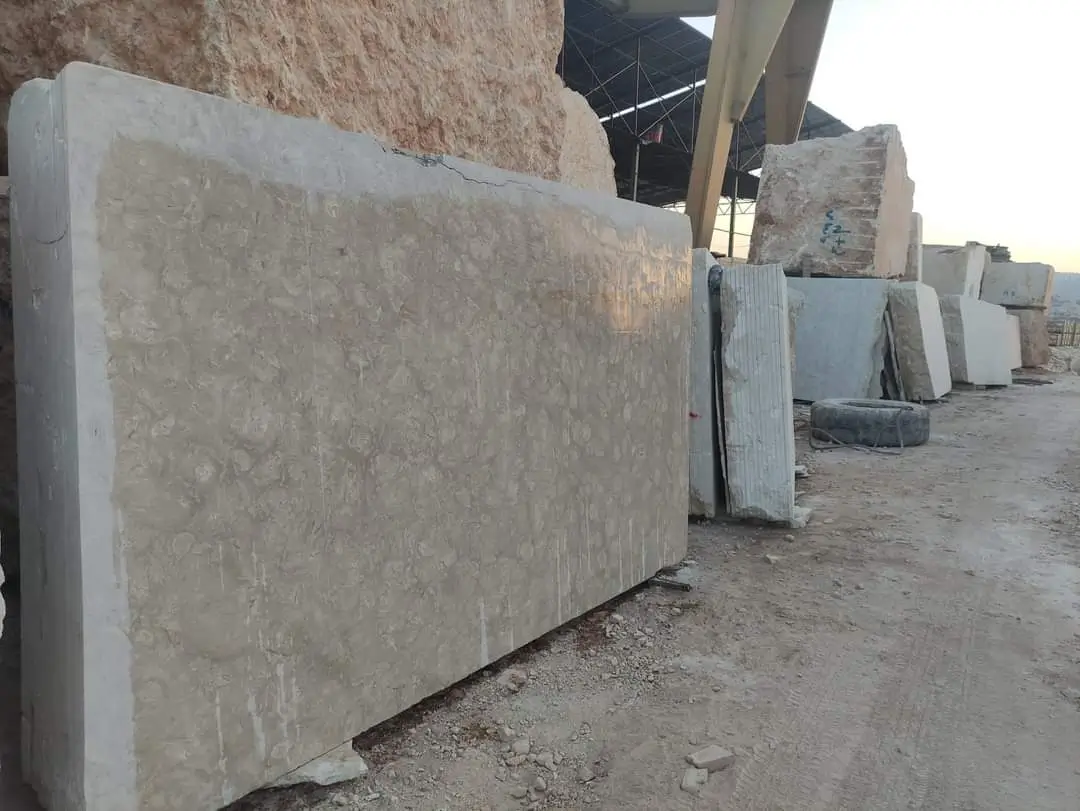
Scottsdale Luxury Applications
For Scottsdale’s high-end residential market, Citadel Stone would emphasize the premium aesthetic qualities of travertine alongside its functional benefits. You’d likely specify tumbled finishes for their sophisticated, aged appearance that complements the area’s resort-style architecture. Color selection would trend toward warmer beiges and creams that coordinate with the earth-tone palettes prevalent in Scottsdale design. Installation specifications would need to account for the area’s demanding quality standards—you’d detail precise grading requirements, joint consistency tolerances, and finishing procedures that meet expectations for luxury projects. The material cost premium compared to concrete pavers proves easier to justify given typical project budgets in this market.
Flagstaff Mountain Durability
Flagstaff applications require different specification priorities focused on freeze-thaw performance. Citadel Stone would recommend verifying water absorption rates below 3% for any tiles destined for this elevation. You’d specify 1.5-inch thickness more frequently here to provide additional durability margins against freeze-thaw cycling that occurs 80-100 times annually at this elevation. Color selection opens up to include darker tones since thermal comfort matters less when summer temperatures rarely exceed 85°F. Base preparation would need to account for frost depth, requiring aggregate bases extending 24-30 inches to prevent frost heave. The monsoon season delivers more precipitation here than in Phoenix, so drainage specifications become more critical to long-term performance.
Sedona Aesthetic Integration
For Sedona projects, you’d focus on color coordination with the area’s distinctive red rock formations. Citadel Stone offers warmer travertine tones—golds, tans, and russets—that harmonize with the natural environment rather than competing with it. The region’s tourism-focused commercial applications would benefit from travertine’s natural slip resistance and comfortable walking surface for high pedestrian traffic. You’d specify similar freeze-thaw protections as Flagstaff given the 4,500-foot elevation, though temperature extremes moderate somewhat compared to the higher elevation city. The material’s natural variation complements Sedona’s emphasis on organic, nature-integrated design approaches.
Yuma Extreme Heat Performance
Yuma represents Arizona’s most extreme thermal environment, with summer temperatures consistently exceeding Phoenix by 5-8°F. Citadel Stone would emphasize the absolute lightest color options available for this market—bright ivories and whites that maximize solar reflectivity. You’d recommend tumbled finishes despite the slight cost premium because the enhanced cooling from increased surface area justifies the investment in this climate. Base preparation would account for Yuma’s sandy soils and high water tables in some areas, potentially requiring additional base depth or stabilization measures. The 16 inch travertine tile in Arizona performs well here specifically because of its superior thermal characteristics—alternative materials simply become too hot for practical use during June through September.
Final Guidance
Your success specifying Citadel Stone’s travertine products depends on matching material characteristics to project-specific requirements rather than applying generic recommendations. You’ve seen how thermal performance, absorption rates, finish selection, and base preparation all interact to determine long-term satisfaction. The 16×16 format delivers practical advantages in installation efficiency and visual scale that work across residential and commercial applications throughout Arizona.
When you’re developing specifications, prioritize the factors that matter most for your specific project location and use case. Don’t sacrifice base preparation quality to meet budget targets—that decision leads to callbacks and reputation damage that far exceed any initial savings. Citadel Stone provides the technical support and material consistency you need to deliver projects that perform as specified. Homeowners in Phoenix discover that Citadel Stone’s 16 inch travertine tile remains cool underfoot even during scorching Arizona summers, making it ideal for outdoor patios.