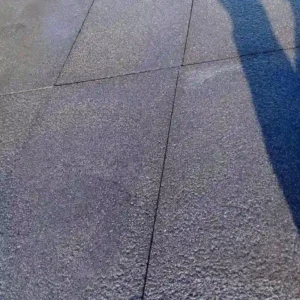
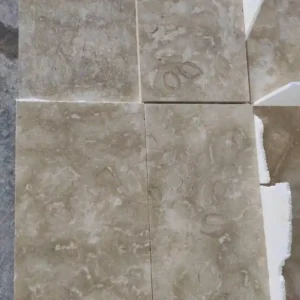

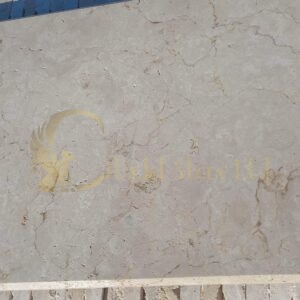
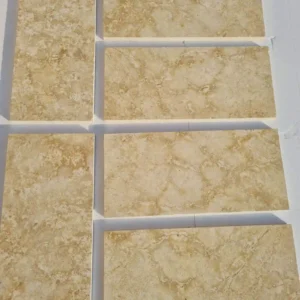

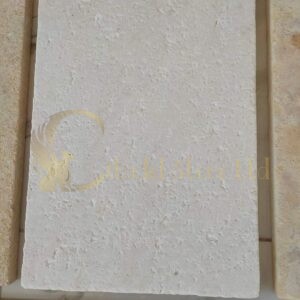

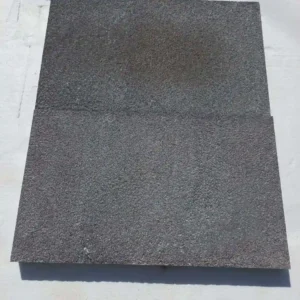
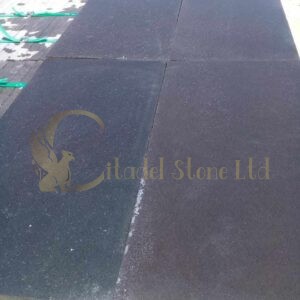

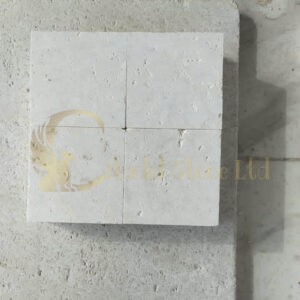
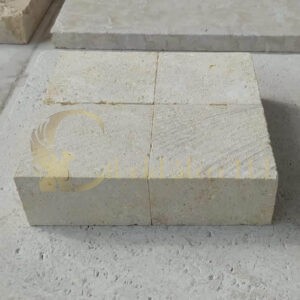
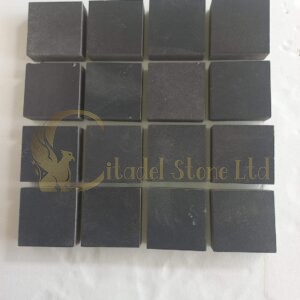
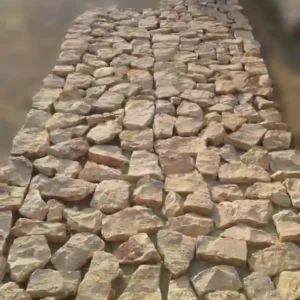
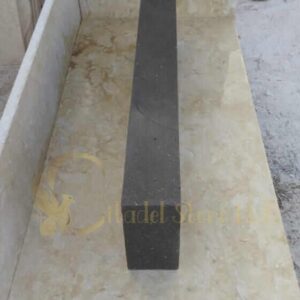
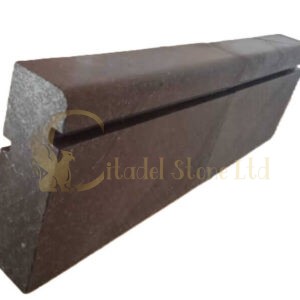
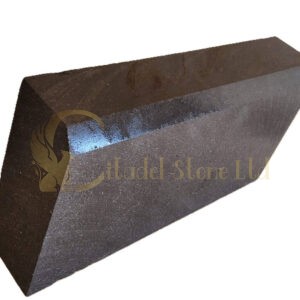
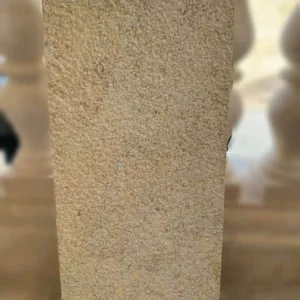
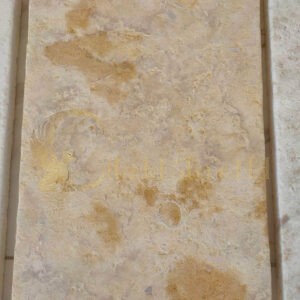
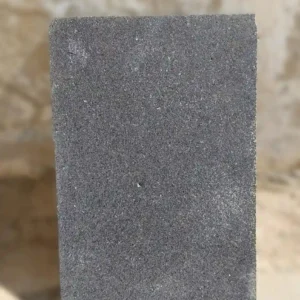
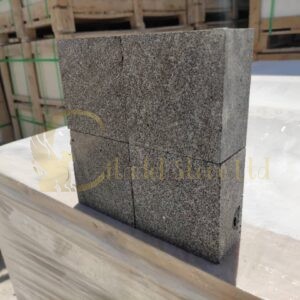
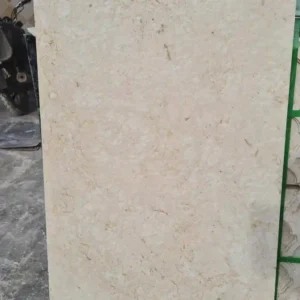
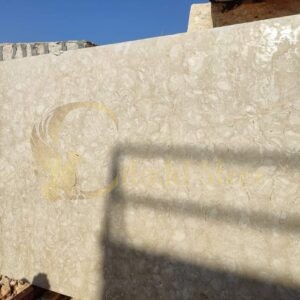
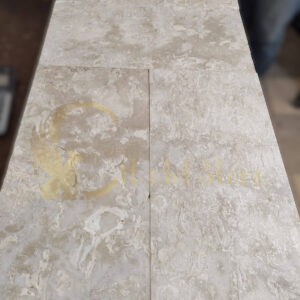
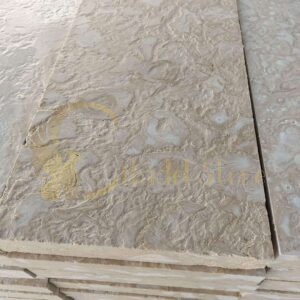
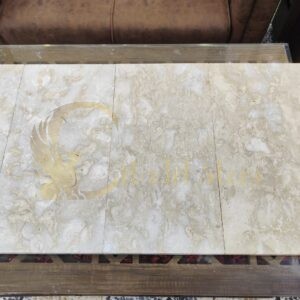
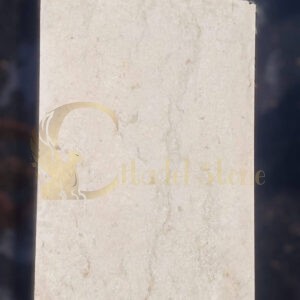
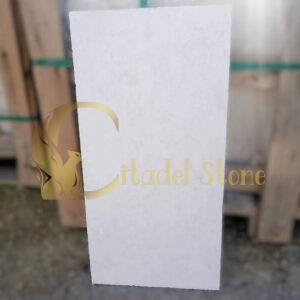
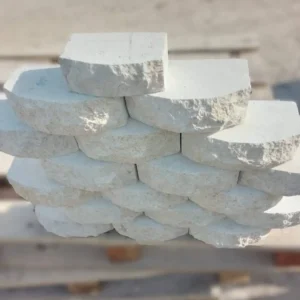
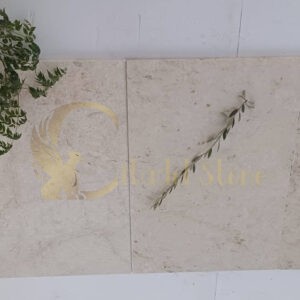

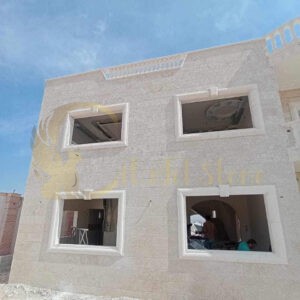
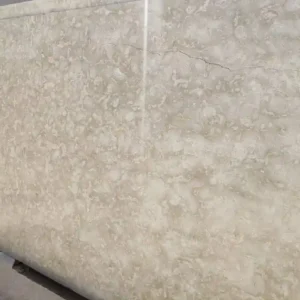
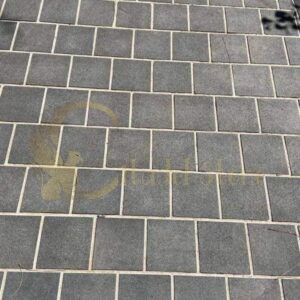
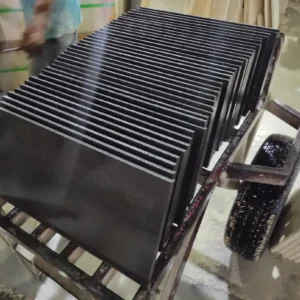
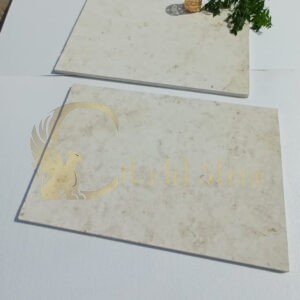
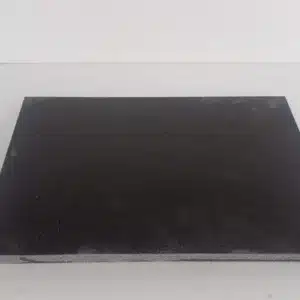
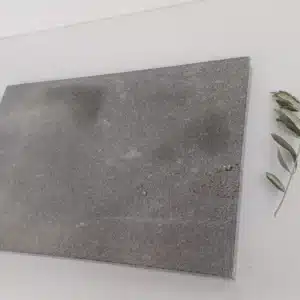
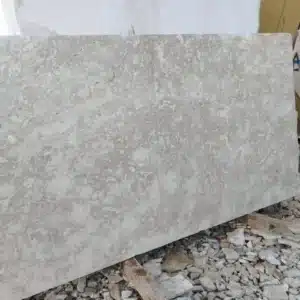

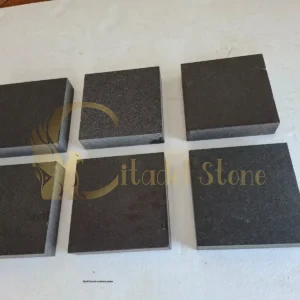

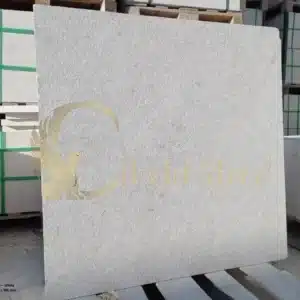


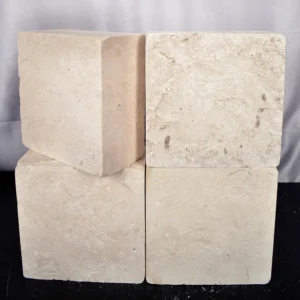
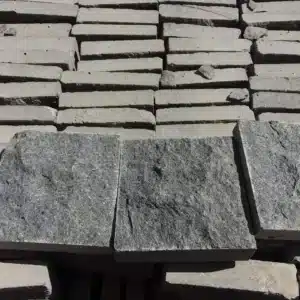
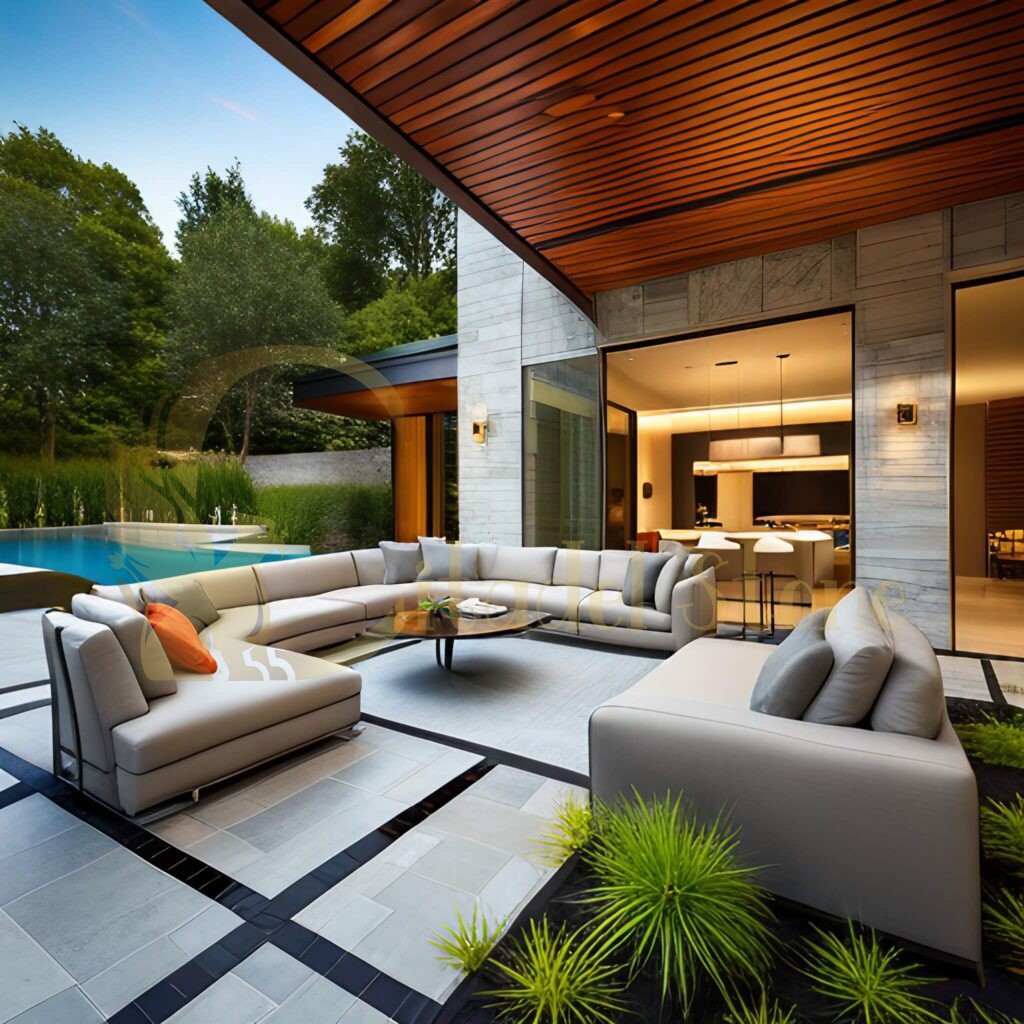
When you’re specifying 24×24 limestone pavers in Arizona, you’re making a decision that affects project performance for decades. Citadel Stone’s large-format limestone pavers deliver the thermal management and durability your desert projects demand, but you’ll need to understand the specific performance characteristics that make these materials succeed in extreme Southwest conditions. Here’s what really matters for your specification.
The 24-inch square format offers distinct advantages in Arizona’s climate. You’ll see fewer joints per square foot compared to smaller pavers, which means reduced maintenance and better visual continuity across large installations. Citadel Stone’s 24×24 limestone pavers in Arizona perform exceptionally well because limestone’s natural thermal properties—specifically its relatively low coefficient of thermal expansion around 0.0000044 per degree Fahrenheit—minimize the stress-related failures common with other materials in 120°F summer heat.
Thermal Performance in Desert Installations
You’re dealing with surface temperatures that regularly exceed 150°F on Arizona hardscapes during summer months. Citadel Stone limestone pavers respond to this challenge better than many alternatives because of their mineralogical composition. The calcium carbonate structure absorbs and dissipates heat more gradually than granite or concrete, which means your walking surfaces stay cooler and thermal shock risks decrease significantly.
Here’s what you need to account for in your thermal calculations. A 24×24 limestone paver can experience temperature differentials of 80-100°F between its sun-exposed top surface and its shaded underside during peak afternoon heat. That gradient creates internal stress, but limestone’s moderate hardness—typically 3-4 on Mohs scale—allows slight elastic deformation without fracturing. You’ll want to specify joint widths of at least 3/8 inch for 24×24 limestone pavers in Arizona to accommodate this movement.
- Light-colored limestone reflects 50-65% of solar radiation, reducing surface temperatures by 15-25°F compared to darker stone
- Thermal expansion joints should be incorporated every 20 feet in both directions for large installations
- Citadel Stone recommends polymeric sand joints rather than rigid mortared joints for better thermal movement accommodation
- Orient pavers with natural bedding planes parallel to the surface to maximize thermal stress distribution
Base Preparation Requirements
Don’t underestimate base prep—it’s where most Arizona paver failures originate. You need a minimum 6-inch compacted crushed aggregate base for pedestrian applications using Citadel Stone’s 24×24 limestone pavers, and that increases to 8-10 inches for vehicular traffic areas. The base must achieve 95% compaction to prevent differential settling that will crack your large-format pavers within the first year.
Arizona’s caliche layer complicates base preparation in many locations. You’ll encounter this cemented calcium carbonate hardpan 6-24 inches below grade in Phoenix, Tucson, and most valley locations. When caliche is present, you have two options: excavate through it completely, or cap it with geotextile fabric and build your base above it. Excavating through caliche adds significant cost but provides superior long-term stability for Citadel Stone installations. For detailed comparison of format options, see our 24-inch square limestone pavers alongside metric alternatives to determine the best specification for your project scope.
- Use open-graded crushed stone rather than dense-graded materials for better drainage in monsoon conditions
- Specify 1-2% cross-slope on the finished paver surface to prevent water pooling
- Install edge restraints rated for soil pressures exceeding 3,000 PSF in Arizona’s expansive clay soils
- Consider geogrid reinforcement in the base course for projects over 5,000 square feet
Material Selection Considerations
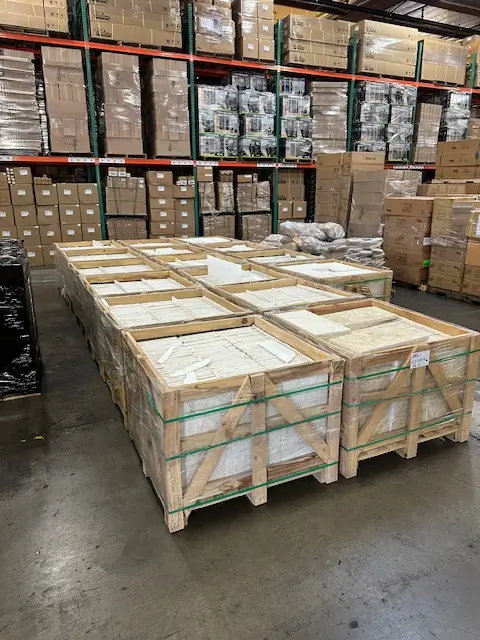
Not all limestone performs identically in Arizona conditions. You’ll want to specify materials with water absorption rates below 3% by weight, which indicates lower porosity and better freeze-thaw resistance for high-elevation Arizona installations like Flagstaff and Sedona. Citadel Stone’s 24×24 limestone pavers typically achieve absorption rates of 1.5-2.8%, making them suitable for both low and high desert applications throughout the state.
The finish you select significantly impacts performance. Thermal finish (flamed) surfaces provide DCOF slip resistance values above 0.60, which meets ADA requirements for exterior pedestrian surfaces and pool deck applications. Honed finishes drop to 0.40-0.50 DCOF, acceptable for covered patios but marginal for pool surrounds. Polished finishes fall below 0.35 DCOF when wet and shouldn’t be specified for any exterior Arizona application where monsoon rains create slip hazards.
Consider color stability under Arizona’s intense UV exposure. Lighter limestone colors—creams, tans, and pale grays—maintain their appearance better than darker selections that can fade 10-20% within five years. Citadel Stone’s lighter 24×24 limestone pavers in Arizona resist this UV degradation because their natural pigmentation comes from stable mineral compounds rather than organic materials that photodegrade.
Installation Best Practices
Here’s where field reality differs from textbook procedures. You should schedule Citadel Stone paver installation during Arizona’s cooler months—November through March—when temperatures stay below 85°F. Installing during summer heat accelerates setting bed material curing and makes achieving consistent joint widths nearly impossible as materials expand during the work day.
- Set pavers on a 1-inch thick bedding layer of coarse sand or fine crushed stone, not mortar
- Maintain consistent 3/8-inch to 1/2-inch joint widths using temporary spacers throughout installation
- Compact installed pavers using a plate compactor with protective rubber pad to prevent surface damage
- Allow 48 hours for bedding material settlement before applying joint stabilization products
- Apply penetrating sealer within 30 days of installation to protect against efflorescence in Arizona’s mineral-rich soils
One critical factor that often surprises specifiers: 24×24 limestone pavers in Arizona require more careful handling than smaller formats. The larger surface area makes them prone to corner chipping during installation. Citadel Stone recommends specifying 10% material overage for projects using pavers 24 inches or larger to account for installation breakage and future replacement needs.
Metric Format Alternatives
You’ll encounter international projects requiring metric sizing. Citadel Stone’s 400 x 400 limestone pavers in Arizona provide the closest metric equivalent to 24×24-inch imperial pavers, measuring approximately 15.75 inches square. This slight size difference affects layout calculations and joint spacing patterns, so verify which measurement system your project documents specify before ordering.
The 600 x 600 limestone pavers in Arizona offer a larger format at approximately 23.6 inches square—nearly identical to 24-inch pavers but with metric manufacturing tolerances. These work well when you’re coordinating with international design teams or matching existing metric-dimensioned hardscape elements. Citadel’s warehouse stocks both imperial and metric formats to accommodate either specification approach.
For elongated applications, 600×900 limestone slabs in Arizona and the equivalent 900×600 limestone slabs in Arizona provide rectangular formats measuring roughly 23.6 by 35.4 inches. You’ll use these for running bond patterns or to create visual directionality in pedestrian corridors. The longer dimension requires additional base preparation attention to prevent cantilever stress at paver edges.
Common Specification Errors
Most specifiers overlook joint stabilization requirements in their documents. You need to explicitly specify polymeric sand or equivalent joint stabilization that resists Arizona’s monsoon washout while allowing thermal movement. Standard masonry sand washes out during heavy summer rains, creating trip hazards and accelerating paver shifting.
Don’t make the mistake of specifying mortar-set installation for large-format limestone pavers in desert climates. Mortar rigidity prevents the micro-movements that accommodate thermal expansion, leading to surface crazing, corner spalling, and eventual delamination. Citadel Stone installations using sand-set methods with polymeric joint stabilization dramatically outperform mortar-set applications in Arizona conditions.
- Failing to specify sealer type and application timing leads to inconsistent efflorescence control
- Omitting edge restraint specifications results in perimeter pavers shifting outward within months
- Not addressing irrigation system coordination causes water damage to paver edges and base erosion
- Inadequate compaction specifications in project documents lead to premature settling failures
Maintenance Requirements
You should set realistic maintenance expectations with your clients. Citadel Stone’s 24×24 limestone pavers in Arizona require annual resealing in high-traffic areas and resealing every 2-3 years in moderate-use applications. Arizona’s alkaline soil conditions and mineral-heavy irrigation water accelerate sealer breakdown, so this maintenance cycle can’t be extended without visible performance degradation.
Efflorescence appears on 30-40% of limestone installations in Arizona within the first year, regardless of manufacturer or installation quality. This white mineral deposit results from water-soluble salts migrating to the surface as moisture evaporates. The good news: it’s cosmetic, not structural, and diminishes after the first monsoon season as salts leach out. You can specify acidic cleaners for accelerated removal, but natural weathering typically resolves the issue within 12-18 months.
Watch for joint degradation in years three to five. Polymeric sand joints eventually break down under UV exposure and thermal cycling. You’ll need to remove deteriorated joint material and reinstall fresh stabilization to maintain interlock between pavers. This maintenance represents a predictable cost that should be included in lifecycle analysis when comparing Citadel Stone limestone to alternative paving materials.
Cost and Performance Trade-offs
Here’s the reality of 24×24 limestone paver costs in Arizona markets. You’re looking at material costs of $8-$14 per square foot for Citadel Stone’s premium limestone pavers, varying with color selection and finish type. Installation adds another $6-$10 per square foot for professional sand-set applications with proper base preparation. That total project cost of $14-$24 per square foot positions limestone in the upper-middle range of natural stone paving options.
The cost premium over concrete pavers—typically $4-$8 per square foot—delivers measurable performance advantages in Arizona. Limestone’s lower surface temperature, superior aesthetic aging, and 50+ year service life justify the initial investment for most commercial and high-end residential applications. You’ll also see reduced maintenance costs compared to concrete pavers, which require more frequent sealing and joint maintenance in desert conditions.
Material availability affects project timelines and costs. Citadel Stone maintains Arizona warehouse inventory of popular limestone colors and formats, but specialty colors or custom finishes may require 8-12 week lead times. Factor this into your project schedule, especially for large installations exceeding 10,000 square feet where material quantities strain typical stock levels.
Citadel Stone Pavers in Arizona — Specification Guide for Desert Installations
When you’re selecting Citadel Stone’s 24×24 limestone pavers for Arizona projects, you need region-specific guidance that accounts for elevation differences, microclimate variations, and local soil conditions. This section provides hypothetical specification recommendations Citadel Stone would offer for installations across different Arizona cities, demonstrating how our expertise adapts limestone paver applications to match local environmental factors.
Desert limestone installations require conditional planning based on each city’s unique climate profile. Citadel Stone’s regional experience with 24×24 limestone pavers in Arizona helps you anticipate performance variables before they become field problems. The following city-specific guidance illustrates how we would approach projects throughout the state, adjusting specifications to optimize material performance in each location’s specific conditions.
Phoenix Valley Applications
You’ll face extreme heat and caliche soil challenges in Phoenix installations. Citadel Stone would recommend light-colored limestone finishes to minimize surface temperatures, which regularly hit 165°F on darker materials during July and August. Base preparation requires excavating through caliche layers 12-18 inches deep in most valley locations. Joint spacing should increase to 1/2 inch for large-format pavers to accommodate the 50°F daily temperature swings common in Phoenix. Polymeric joint stabilization becomes essential given the monsoon intensity Phoenix experiences July through September. Plan for truck delivery complications during peak heat months when material temperature affects handling.
Tucson Climate Factors
Tucson’s slightly higher elevation and increased rainfall compared to Phoenix affects Citadel Stone limestone paver specifications. You’d want to emphasize drainage provisions more heavily, specifying 2% minimum cross-slope and open-graded base materials that handle the heavier monsoon precipitation Tucson receives. Citadel Stone’s 24×24 limestone pavers perform well in Tucson’s temperature range, which averages 5-8°F cooler than Phoenix, reducing thermal stress. The rocky native soils provide better bearing capacity than Phoenix’s valley fill, potentially allowing reduced base thickness in some applications. Sealer selection should account for Tucson’s higher organic load from vegetation that can stain limestone surfaces.
Scottsdale Luxury Specifications
Scottsdale projects typically demand premium aesthetics alongside performance. Citadel Stone would specify honed or leather finishes on 24×24 limestone pavers in Arizona for the refined appearance high-end Scottsdale clients expect. Edge details become more important—you’d incorporate bullnose or chamfered edges at pool coping, steps, and feature borders rather than standard cut edges. Color consistency matters more in luxury applications, so material would be drawn from single production runs to minimize variation. Warehouse inventory planning becomes critical for large Scottsdale estates where 15,000-25,000 square foot installations aren’t uncommon. Truck access to gated hillside properties requires advance coordination.
Flagstaff Freeze-Thaw Considerations
Flagstaff’s 7,000-foot elevation introduces freeze-thaw cycles absent in Arizona’s desert valleys. Citadel Stone would specify 24×24 limestone pavers in Arizona with maximum 2% water absorption for Flagstaff applications to prevent ice expansion damage. You’d need 10-inch minimum base depth to reach below the frost line, and joint specifications would call for flexible polymeric products rather than rigid stabilization. Sealer application becomes more critical—penetrating sealers with freeze-thaw protection should be applied before Flagstaff’s winter season. The cooler climate reduces thermal expansion concerns, allowing tighter joint spacing of 3/8 inch compared to valley installations. Snow removal procedures need documentation to prevent mechanical damage from plows.
Sedona Red Rock Aesthetic
Sedona projects often require color coordination with the iconic red rock formations. Citadel Stone would recommend warm-toned limestone pavers—tans, buffs, and subtle ochres—that complement rather than compete with the natural landscape. The city’s design review standards affect material specifications, so you’d need to verify that 24×24 limestone pavers meet Sedona’s aesthetic guidelines before finalizing selections. Elevation at 4,500 feet creates moderate freeze-thaw exposure requiring similar precautions as Flagstaff but less extreme. Tourist-area commercial installations need higher slip resistance specifications given the pedestrian traffic volume. Citadel’s warehouse can coordinate delivery timing around Sedona’s peak tourist seasons when truck access becomes constrained.
Yuma Extreme Heat Performance
Yuma represents Arizona’s most extreme heat conditions, with summer temperatures averaging 5-10°F hotter than Phoenix. Citadel Stone’s 24×24 limestone pavers in Arizona perform well here, but you’d specify exclusively light colors to keep surface temperatures manageable. The low 3-inch annual rainfall in Yuma reduces drainage concerns, but when rain does occur, the hard desert pavement causes rapid runoff that can undermine paver edges. You’d want to specify reinforced perimeter edge restraints and potentially concrete edge courses in commercial applications. Dust control during installation becomes more critical in Yuma’s arid conditions. Joint stabilization should use products rated for extreme heat exposure exceeding 150°F to prevent premature breakdown.
Long-term Performance Monitoring
You should establish performance monitoring protocols for large Citadel Stone installations. Schedule inspections at 6 months, 18 months, and annually thereafter to identify developing issues before they require major remediation. Watch for these early warning signs: joint material deterioration, individual paver rocking indicating base settlement, efflorescence reappearance after initial cleaning, and edge paver displacement.
Thermal cracking typically appears in years two through four if thermal expansion provisions were inadequate. You’ll see hairline cracks radiating from corners or running across paver faces parallel to the shortest dimension. This indicates that thermal stress exceeded the limestone’s tensile strength—a specification error, not a material defect. Citadel Stone’s technical team can evaluate crack patterns to determine whether remediation requires full replacement or strategic joint expansion.
Surface wear patterns become visible in high-traffic areas after three to five years. Limestone’s relative softness compared to granite means you’ll see subtle surface smoothing in commercial installations with heavy pedestrian traffic. This wear is gradual and actually improves slip resistance slightly over time. If you’re seeing accelerated wear with surface pitting or spalling, it indicates either inadequate material density or chemical attack from improper cleaning products.
Procurement and Project Logistics
Here’s what affects your project timeline. Citadel Stone’s Arizona warehouse stocks standard 24×24 limestone pavers in popular colors with typical lead times of 2-4 weeks from order to delivery. Custom colors, specialty finishes, or metric formats like 400 x 400 limestone pavers in Arizona may extend that to 8-12 weeks depending on production schedules and import logistics for certain stone varieties.
Truck delivery logistics require advance planning. A typical 2,000-square-foot installation using Citadel Stone’s 24×24 pavers requires approximately 16,000 pounds of material—a full truck load for residential deliveries or partial load for commercial projects. You’ll need to confirm job site access for trucks exceeding 35 feet in length and 12 feet in height. Schedule deliveries for early morning in summer months to avoid peak heat that affects material handling.
- Verify warehouse inventory 4-6 weeks before needed installation date to avoid project delays
- Plan material storage on site with shade protection to prevent excessive heating before installation
- Coordinate delivery timing with base preparation completion to minimize double-handling
- Arrange for forklift or pallet jack access if delivery includes palletized material exceeding 2,000 pounds per pallet
Project Success Factors
Professional installation makes or breaks 24×24 limestone paver performance in Arizona. You need installers with specific large-format natural stone experience, not just general hardscape contractors. Citadel Stone can provide installer references with documented Arizona limestone experience if your project team lacks this background. The technical requirements for base preparation, thermal expansion accommodation, and proper setting procedures differ significantly from concrete paver installation methods.
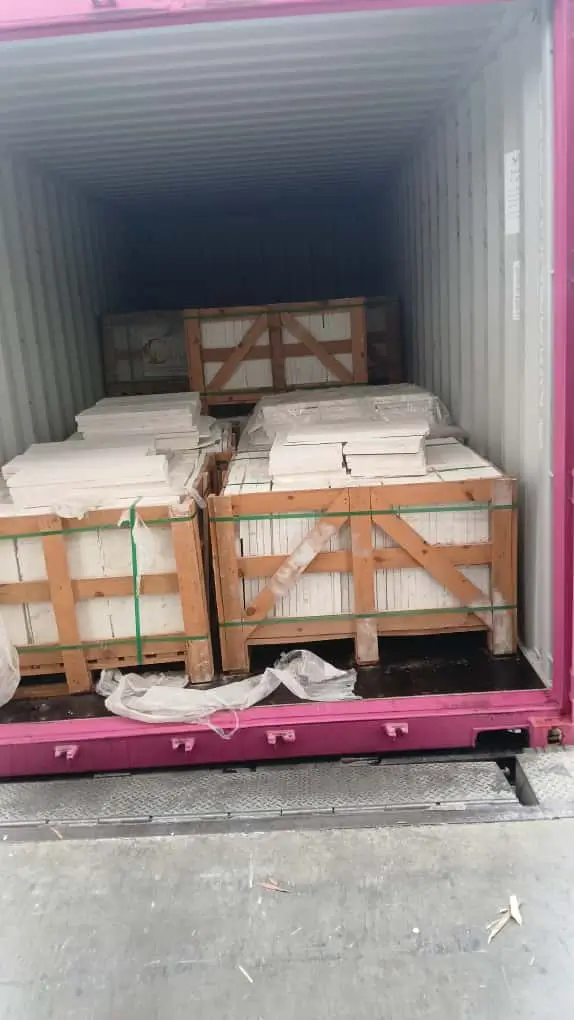
Material inspection on delivery prevents field problems. You should verify that delivered pavers match approved samples for color, finish, and dimensional consistency. Citadel Stone’s 24×24 limestone pavers typically ship with individual pallet tags identifying production lots, which helps track material if color consistency questions arise during installation. Reject any pavers showing pre-existing cracks, significant chips exceeding 1/2 inch, or surface defects affecting more than 5% of face area.
Documentation protects all parties. Your specification should include detailed installation drawings showing joint patterns, expansion joint locations, edge restraint details, and drainage provisions. Include material data sheets for Citadel Stone pavers, base materials, bedding sand, joint stabilization products, and sealers. This documentation becomes essential if performance questions emerge during the warranty period. For additional guidance on material selection and regional installation practices, review Durable exterior limestone paving solutions for Arizona climates before finalizing your project documents. Commercial projects specify Citadel Stone’s metric 400 x 400 limestone pavers in Arizona for international design standard compliance.