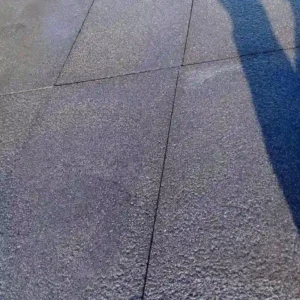
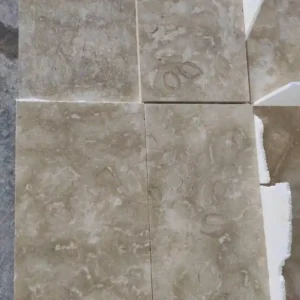
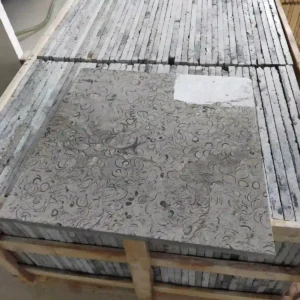
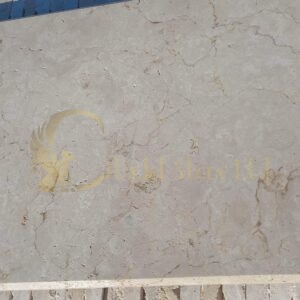
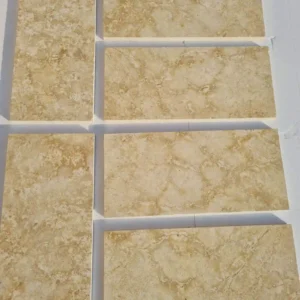
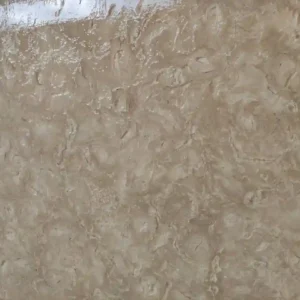
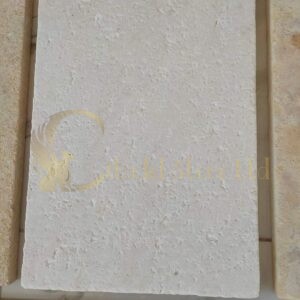
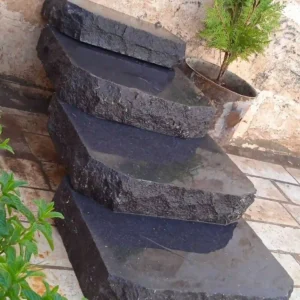
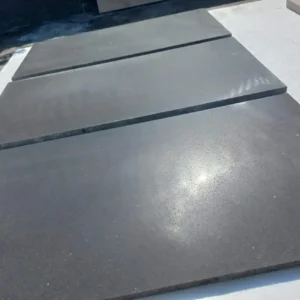
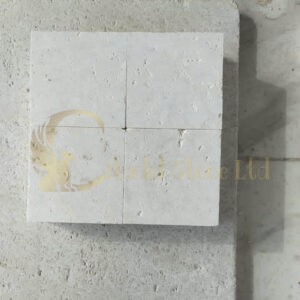
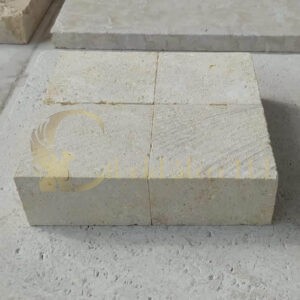
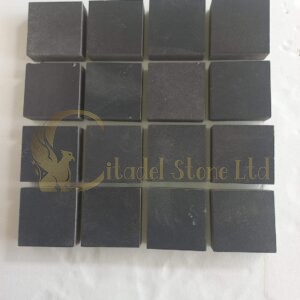
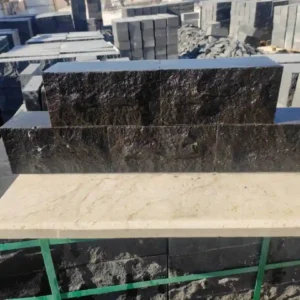
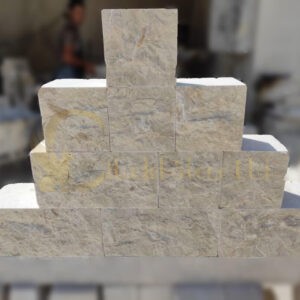
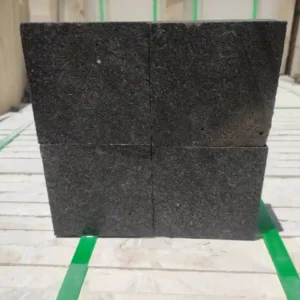
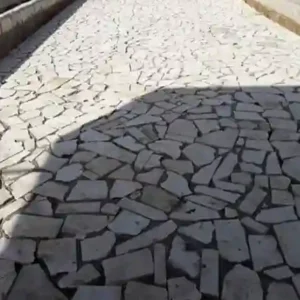
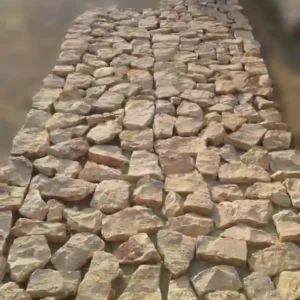
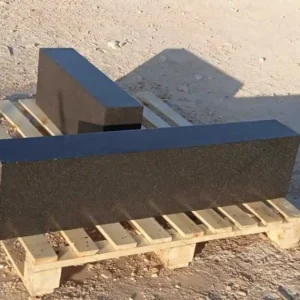
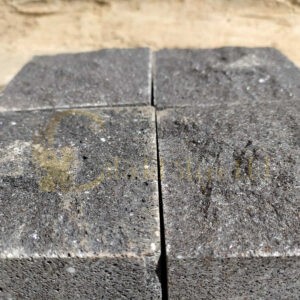
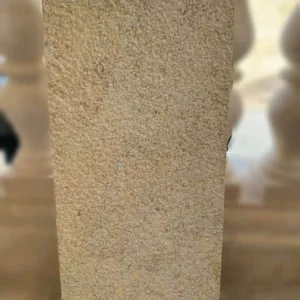
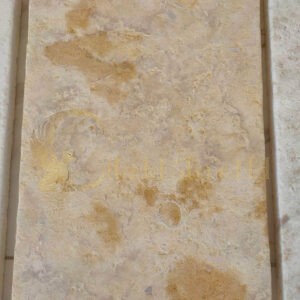
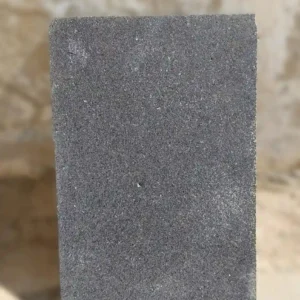
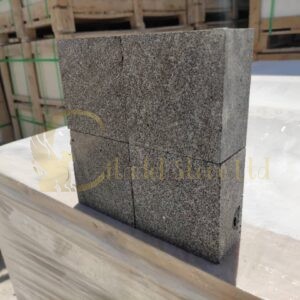
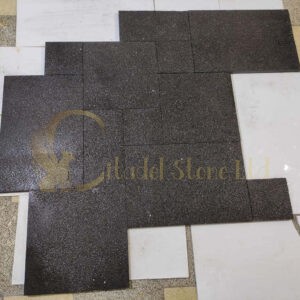
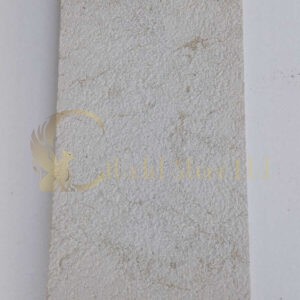
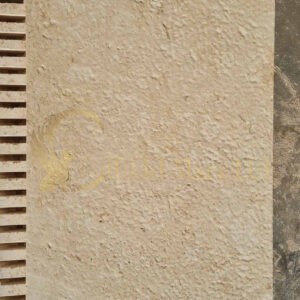
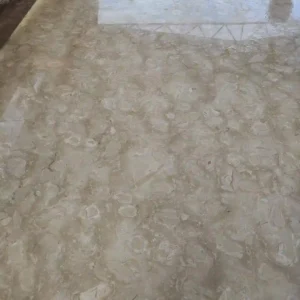
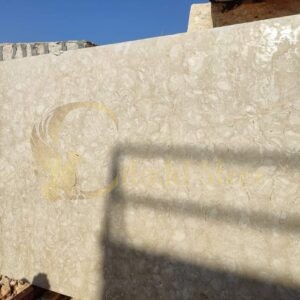
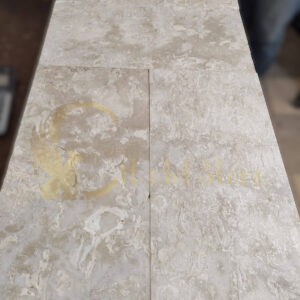
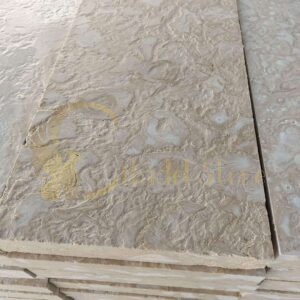
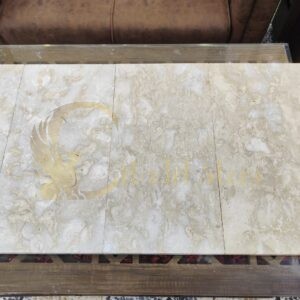
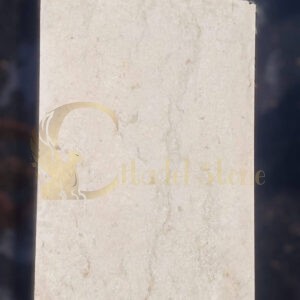
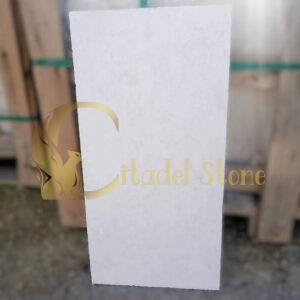
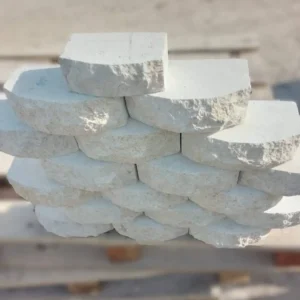
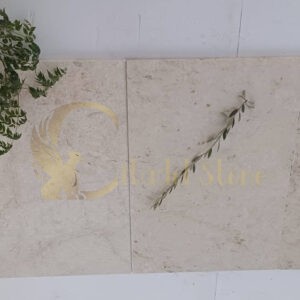

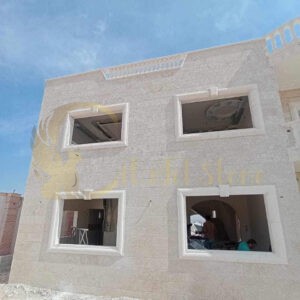
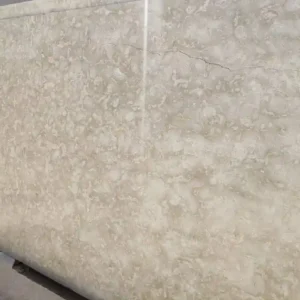
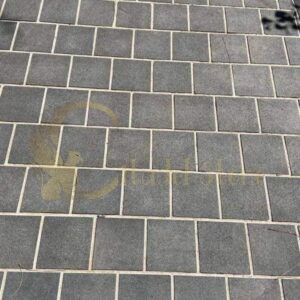

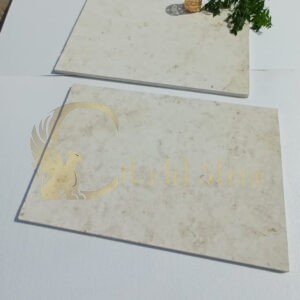
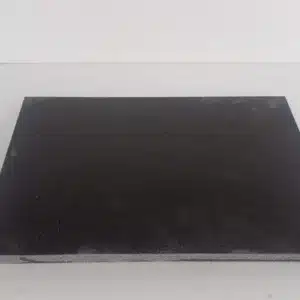
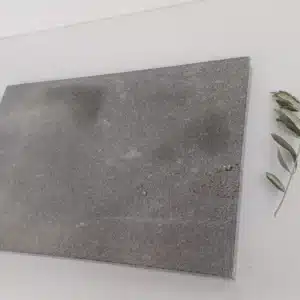
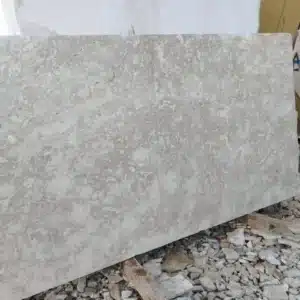


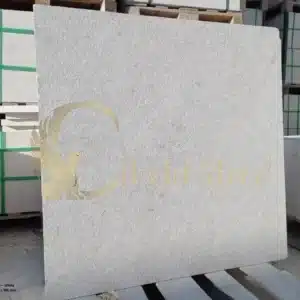
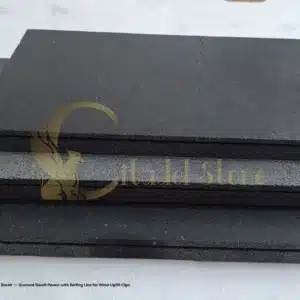

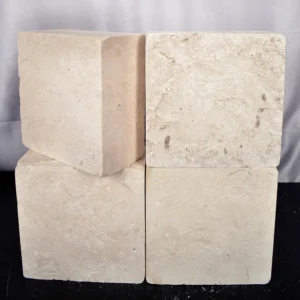
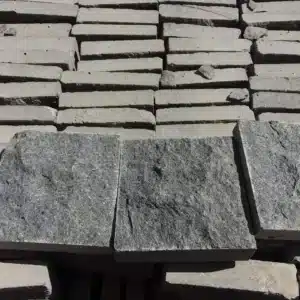
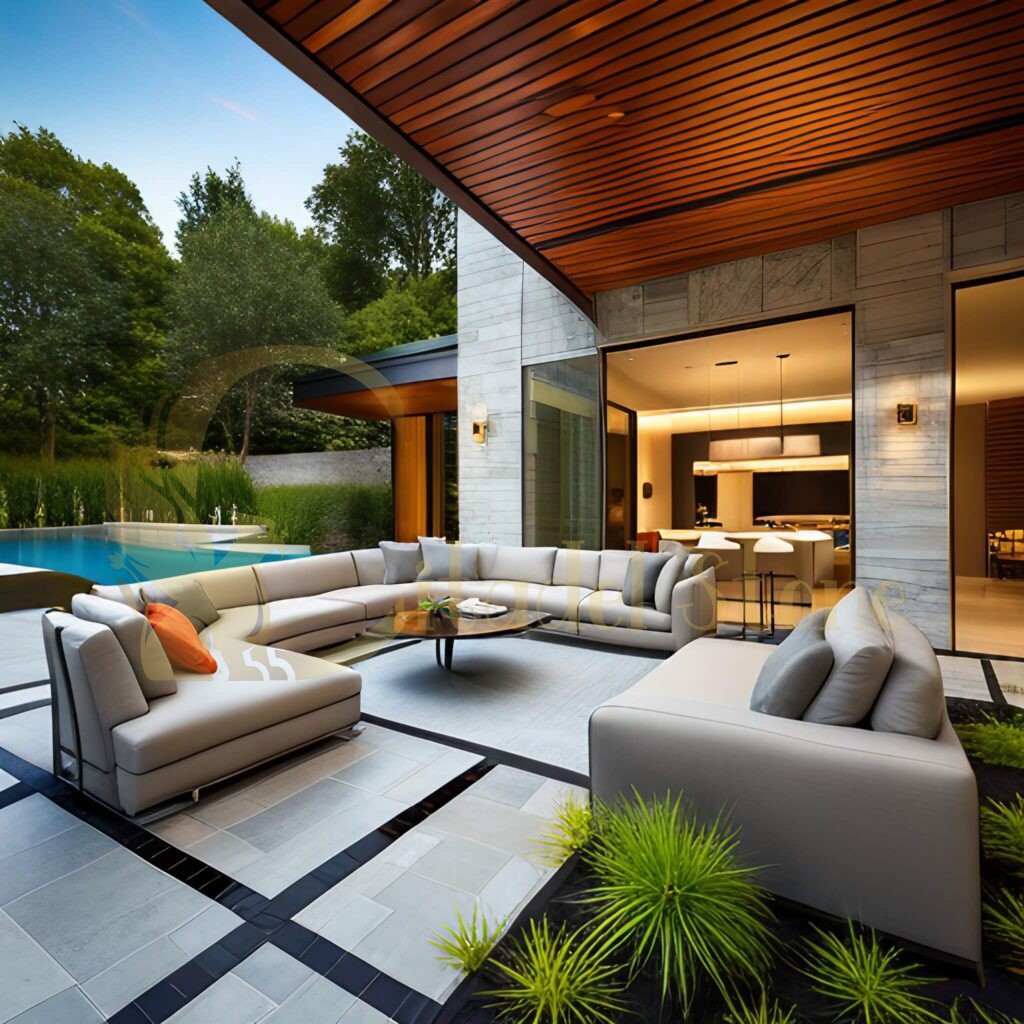
When you’re specifying natural limestone paving in Arizona, you’re choosing a material that performs exceptionally well in one of the harshest climates in North America. Citadel Stone’s premium limestone products deliver the durability and aesthetic quality your Arizona projects demand, whether you’re working on a Scottsdale resort pool deck or a Flagstaff commercial plaza. The key is understanding how desert conditions—extreme heat, intense UV exposure, and dramatic temperature swings—affect limestone performance over time.
Here’s what makes natural limestone paving in Arizona a smart specification choice: the material’s thermal properties naturally resist heat absorption better than many alternatives. You’ll find that Citadel Stone limestone reflects 60-70% of solar radiation, keeping surface temperatures 15-25°F cooler than darker stone options. That’s not just comfort—it’s a critical safety factor for barefoot traffic around pools and outdoor dining areas.
The reality is that not all limestone performs equally in Arizona’s climate. You need to consider porosity, mineral composition, and surface finish when selecting from Citadel Stone’s inventory. Denser limestone varieties with lower water absorption rates—typically under 3% by weight—will outlast more porous alternatives in Arizona’s freeze-thaw cycles at higher elevations and resist the staining that monsoon season can bring to Phoenix and Tucson installations.
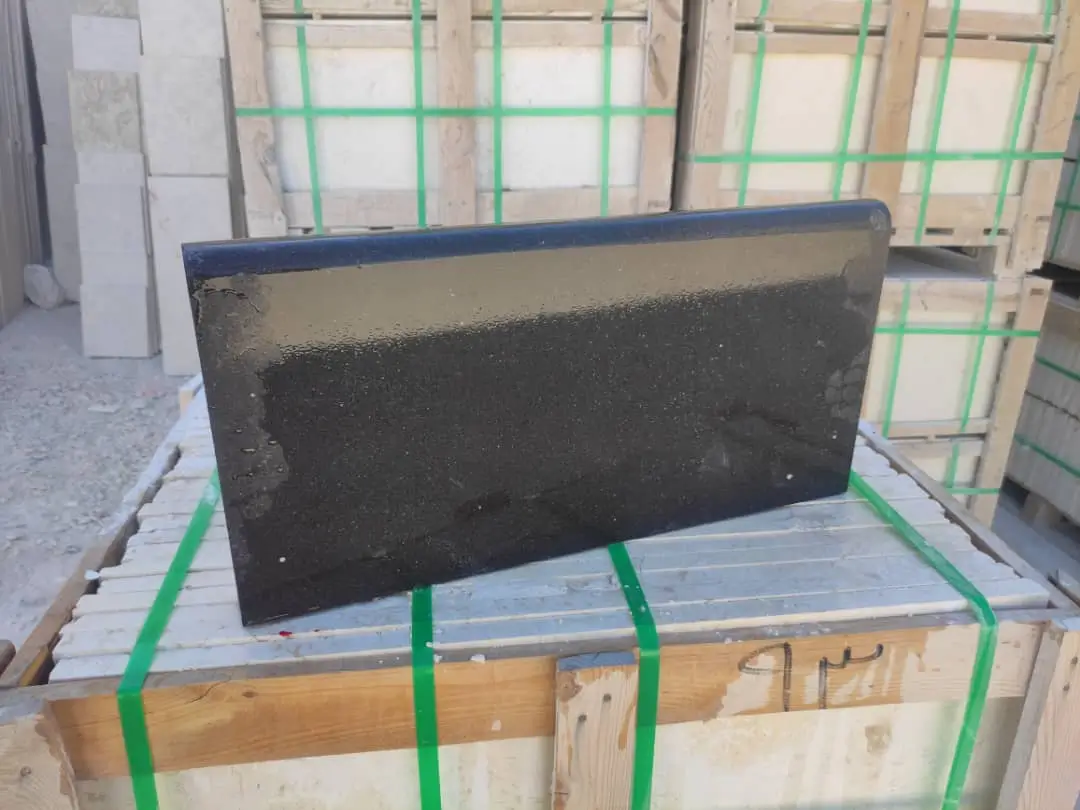
Thermal Performance in Desert Climates
You’ll appreciate how Citadel Stone’s natural limestone slabs in Arizona manage heat differently than engineered pavers or concrete. The material’s crystalline structure and light coloration work together to minimize heat retention. When surface temperatures in Phoenix hit 115°F, external limestone paving in Arizona from Citadel Stone typically reaches 135-145°F, while comparable concrete or darker stone can exceed 165°F.
This thermal behavior comes down to limestone’s specific heat capacity and albedo effect. The stone absorbs thermal energy slowly and releases it gradually after sunset, creating more comfortable evening conditions. For commercial applications where daytime foot traffic is unavoidable, you’ll want to specify honed or tumbled finishes from Citadel’s warehouse inventory—these textures maintain slip resistance while maximizing solar reflectance.
- Light-colored limestone for pavers in Arizona reduces urban heat island effect by 20-30% compared to traditional hardscaping
- Thermal expansion coefficient of approximately 0.0000044 inches per inch per degree Fahrenheit requires joint spacing every 12-15 feet
- Evening surface temperatures drop 30-40°F faster than concrete alternatives, improving outdoor space usability
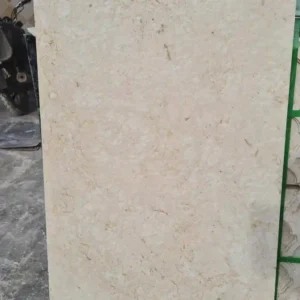
- Citadel Stone’s seagrass limestone slab in Arizona varieties maintain cooler surface temperatures due to their pale cream coloration
Material Selection Criteria for Arizona Projects
The limestone you specify from Citadel Stone needs to match your project’s exposure conditions and performance requirements. Worn limestone paving in Arizona works beautifully for residential applications where character and texture matter, but you’ll need denser, more uniform material for commercial installations with heavy foot traffic. Here’s where understanding the trade-offs becomes critical.
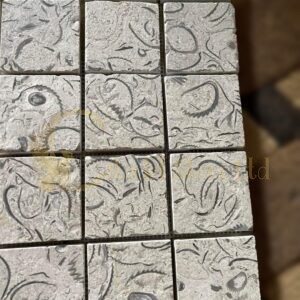
Porosity is your primary concern. Citadel Stone’s fossil limestone slabs in Arizona typically exhibit water absorption rates between 2-4%, which determines freeze-thaw durability at elevations above 5,000 feet. If you’re working in Flagstaff or Sedona, verify that your limestone selection has been tested to ASTM C1028 standards for wet slip resistance and ASTM C880 for flexural strength under freeze-thaw conditions.
Don’t overlook the mineral composition variations in natural limestone. Calcite-rich varieties from Citadel Stone demonstrate better acid resistance than dolomitic limestone, which matters when you’re dealing with pool chemicals or acidic desert dust. You’ll want to request petrographic analysis data from the Citadel warehouse if your project involves chemical exposure or requires specific hardness ratings above 3 on the Mohs scale.
Finish Options and Performance Trade-offs
The surface finish you specify dramatically affects both aesthetics and functionality. Citadel Stone offers exterior limestone paving in Arizona with several finish options, each with distinct performance characteristics. A flamed or thermal finish provides excellent slip resistance—typically achieving DCOF ratings above 0.60—but creates a rougher texture that some clients find less desirable for barefoot areas.
- Honed finishes deliver smooth aesthetics while maintaining DCOF ratings around 0.50-0.55, suitable for most outdoor applications
- Tumbled edges on worn grey limestone paving in Arizona create authentic aged appearance while improving slip resistance
- Polished finishes drop slip resistance below code requirements for exterior use and aren’t recommended for Arizona outdoor applications
- Brushed finishes balance texture and smoothness, working well for Citadel Stone commercial installations
Installation Requirements for Arizona Conditions
You can’t treat Arizona installations like temperate climate projects. The substrate preparation and setting bed specifications need to account for soil expansion, extreme heat during installation, and the dramatic temperature differentials between day and night. Citadel Stone’s outdoor limestone slabs in Arizona require a minimum 6-inch compacted aggregate base for pedestrian applications, increasing to 8-10 inches for vehicular traffic or areas with expansive clay soils.
Pay particular attention to your setting bed composition. A standard mortar bed works in many climates, but Arizona’s heat requires modified thin-set with polymer additives that maintain flexibility. You’ll find that installations using rigid mortar beds often develop cracks within 18-24 months as the substrate moves with seasonal moisture changes. For large-format natural limestone slabs in Arizona exceeding 24 inches, consider a decoupling membrane between the mortar bed and substrate.
Joint spacing becomes critical in desert installations. You need expansion joints every 12-15 feet to accommodate thermal movement, and your joint compound must remain flexible across a temperature range from 20°F winter nights in Flagstaff to 120°F summer days in Yuma. Most specifiers make the mistake of using standard grout—you’ll want a urethane-based joint sealant that won’t crack or discolor under UV exposure.
Substrate Considerations and Common Mistakes
The biggest installation failures with limestone slate slabs in Arizona come from inadequate substrate preparation. Native caliche soil expands and contracts dramatically with moisture changes, and you can’t simply place limestone directly over compacted dirt. At minimum, your specification should require geotextile fabric over the subgrade, followed by crushed aggregate in 2-inch lifts, each compacted to 95% modified Proctor density.
- Verify truck access to the installation site before committing to large-format slabs that require specialized handling equipment
- Schedule installation during cooler months when possible; summer heat exceeding 105°F complicates mortar curing and installer comfort
- Don’t specify mechanical installation methods during peak heat—adhesive properties change above 95°F ambient temperature
- Consider temporary shading for fresh installations; direct sun exposure during initial cure can compromise bond strength
For projects requiring precise elevations or drainage slopes, you’ll need to account for the thickness variations inherent in natural stone. Citadel Stone’s limestone slates in Arizona typically vary ±3/8 inch in thickness, which affects your setting bed depth calculations. When working with worn limestone paving in Arizona that emphasizes rustic character, these variations contribute to the aesthetic, but they require skilled installers who can adjust bed depth on the fly.
Performance and Longevity in Arizona Climate
Here’s what you need to know about long-term performance: properly specified and installed external limestone paving in Arizona from Citadel Stone typically delivers 25-40 years of service life before requiring significant restoration. That lifespan depends heavily on initial material selection, installation quality, and maintenance practices. The primary performance issues you’ll encounter involve surface erosion from wind-blown sand, efflorescence from subsurface moisture, and occasional spalling at high elevations.
UV exposure in Arizona is among the most intense in North America, and limestone responds by developing a natural patina over time. You’ll see subtle color shifts during the first 12-18 months as the surface oxidizes and weathers. For our natural limestone slab collection, this weathering creates the authentic character many architects prefer, but clients need realistic expectations about color consistency.
The material’s performance in thermal cycling is generally excellent. Citadel Stone limestone expands and contracts predictably with temperature changes, and the stone doesn’t develop the surface crazing or micro-cracking you sometimes see with manufactured pavers. What you do need to watch for is moisture penetration at joints—Arizona’s intense monsoons can drive water into improperly sealed joints, leading to subsurface erosion of the setting bed over time.
Maintenance Expectations and Requirements
Don’t promise maintenance-free performance—that’s not realistic for any natural stone installation. You should plan for annual cleaning and periodic sealing to maintain appearance and protect against staining. Citadel Stone’s fossil limestone slabs in Arizona benefit from penetrating sealers applied every 2-3 years, depending on traffic levels and exposure conditions. Higher porosity stones like seagrass limestone slab in Arizona varieties may require more frequent sealing in areas prone to organic staining.
- Annual pressure washing removes accumulated dust and organic material but shouldn’t exceed 1,500 PSI to avoid surface erosion
- Alkaline cleaners work better than acidic products for Arizona limestone, avoiding the etching that acid-based cleaners cause
- Reseal joints every 3-5 years as UV exposure breaks down urethane sealants over time
- Address efflorescence promptly with appropriate cleaners before mineral deposits become embedded in the stone surface
Cost and Performance Analysis
You’re looking at material costs ranging from $8-18 per square foot for Citadel Stone’s natural limestone paving in Arizona, with installed costs typically reaching $25-40 per square foot depending on project complexity, site access, and finish specifications. That’s a premium over concrete pavers or porcelain tile, but the performance characteristics and aesthetic quality justify the investment for many applications.
The real cost consideration isn’t just initial material expense—it’s lifecycle value. When you factor in the 25-40 year service life, minimal maintenance requirements, and the material’s ability to be restored rather than replaced, the cost per year of service becomes competitive with alternatives that require replacement every 10-15 years. For high-visibility commercial applications in Scottsdale or Sedona, the aesthetic value of natural limestone slabs in Arizona delivers marketing benefits that manufactured products can’t match.
Procurement timing affects your budget too. Citadel Stone maintains warehouse inventory of popular limestone varieties, but specialty finishes or large-format slabs may require 8-12 weeks lead time. You’ll want to verify availability early in your specification process to avoid project delays or forced material substitutions that compromise design intent.
Regional Application Considerations Across Arizona
Arizona’s dramatic elevation and climate variations mean you can’t specify the same limestone solution for every location. What works perfectly for a Phoenix pool deck may fail prematurely in a Flagstaff courtyard. You need to match Citadel Stone material characteristics to specific regional conditions, considering factors like freeze-thaw cycles, monsoon intensity, and temperature extremes.
Higher elevation installations above 5,000 feet require limestone with lower porosity and verified freeze-thaw durability. You’ll want water absorption rates below 2% by weight and ASTM C666 testing documentation showing minimal strength loss after 300 freeze-thaw cycles. Citadel’s denser limestone varieties meet these requirements, while more porous seagrass options perform better in low-elevation desert applications where freeze-thaw isn’t a concern.
Southern Arizona locations from Tucson to Yuma experience more intense heat and less freeze-thaw risk, allowing you to prioritize thermal performance and aesthetics over cold weather durability. You can specify lighter colors and more textured finishes from Citadel Stone’s inventory without worrying about moisture penetration causing winter damage. The trade-off is increased attention to heat management and slip resistance in areas with swimming pools or water features.
Specification Language and Documentation
Your specification needs precise language to ensure you get the Citadel Stone material you’re expecting. Generic language like “provide limestone paving” opens the door to substitutions that don’t meet your performance requirements. Instead, specify material characteristics: “Provide natural limestone paving with maximum 3% water absorption per ASTM C97, minimum compressive strength 8,000 PSI per ASTM C170, and honed finish with DCOF rating minimum 0.50 per ASTM C1028.”
Include mockup requirements in your specification documents. For projects exceeding 1,000 square feet of exterior limestone paving in Arizona, require a 4×6-foot installed mockup showing finish, joint width, color range, and thickness variation. This mockup becomes your quality control standard and prevents disputes about acceptable appearance. The mockup cost—typically $800-1,500—is minimal insurance against installation problems on larger projects.
- Reference Citadel Stone specifically as the source for approved materials to maintain quality control
- Specify acceptable color variation range using physical samples or high-resolution photography
- Include thickness tolerance requirements: typically ±3/8 inch for natural cleft, ±1/8 inch for sawn surfaces
- Require ASTM testing documentation for water absorption, flexural strength, and abrasion resistance
- Detail joint width requirements: minimum 3/8 inch for irregular edges, 1/4 inch for sawn edges
Citadel Stone’s Approach to Natural Limestone Paving in Arizona—Regional Specification Guidance
This section provides hypothetical guidance for how Citadel Stone would approach external limestone paving in Arizona projects across different cities throughout the state. These recommendations reflect the regional expertise and material knowledge that Citadel Stone brings to Arizona installations, demonstrating how climate variations and local conditions affect limestone specification decisions. While these represent typical approaches rather than completed projects, they illustrate the specification considerations that drive successful outcomes in Arizona’s diverse climatic zones.
Phoenix Metropolitan Considerations
For Phoenix installations, you’d prioritize thermal management above all else. Citadel Stone would typically recommend light-colored limestone varieties—worn grey limestone paving in Arizona or pale seagrass limestone—that maintain surface temperatures 20-30°F cooler than darker alternatives. The extreme summer heat lasting 6-7 months annually demands materials that won’t become dangerously hot for barefoot traffic. You’d specify honed finishes for pool decks and tumbled edges for pedestrian hardscaping, balancing slip resistance with comfort. Joint spacing would need to accommodate thermal expansion across a 90°F seasonal temperature range, requiring expansion joints every 12-15 feet with urethane sealants rated for 150°F+ service temperatures.
Tucson Desert Applications
Tucson projects would benefit from Citadel Stone’s fossil limestone slabs in Arizona, which handle the monsoon season’s intense but brief rainfall events effectively. You’d want to verify that substrate drainage can handle 2-3 inches of rain in under an hour—a common summer occurrence. The specification would include a minimum 2% slope away from structures and French drains at low points to prevent standing water. Citadel would recommend limestone with 2-3% water absorption rates that shed moisture quickly while resisting the organic staining that algae growth can cause during humid monsoon periods. The intense UV exposure requires premium penetrating sealers reapplied every 24-36 months.
Scottsdale Luxury Installations
High-end Scottsdale residential and resort projects would showcase Citadel Stone’s premium natural limestone slabs in Arizona with custom finishes and large-format slabs. You’d specify 24×36-inch or larger slabs with hand-finished edges to create the upscale aesthetic these projects demand. The material selection would emphasize consistent color and minimal veining variation, sourced from specific quarry blocks that Citadel’s warehouse inventory tracks for continuity on phased projects. Installation would require polymer-modified thin-set and decoupling membranes to protect the investment against substrate movement. Given the visibility of these installations, you’d include more frequent maintenance protocols—quarterly cleaning and annual sealing—in your specifications.
Flagstaff Cold Climate Performance
At 7,000 feet elevation, Flagstaff installations face freeze-thaw cycles that low-desert locations never experience. Citadel Stone would specify only the densest limestone varieties with verified ASTM C666 freeze-thaw durability and water absorption below 2%. You’d avoid worn limestone paving in Arizona styles with deep texture that could trap moisture, instead selecting tight-grained limestone slate slabs in Arizona with minimal surface irregularity. The substrate would require deeper aggregate bases—10-12 inches—to prevent frost heaving, and joints would need flexible sealants that remain pliable to -20°F. Snow removal compatibility becomes important; you’d specify limestone hard enough to resist damage from metal shovels and chemical deicers, recommending calcium magnesium acetate rather than rock salt for winter maintenance.
Sedona Aesthetic Integration
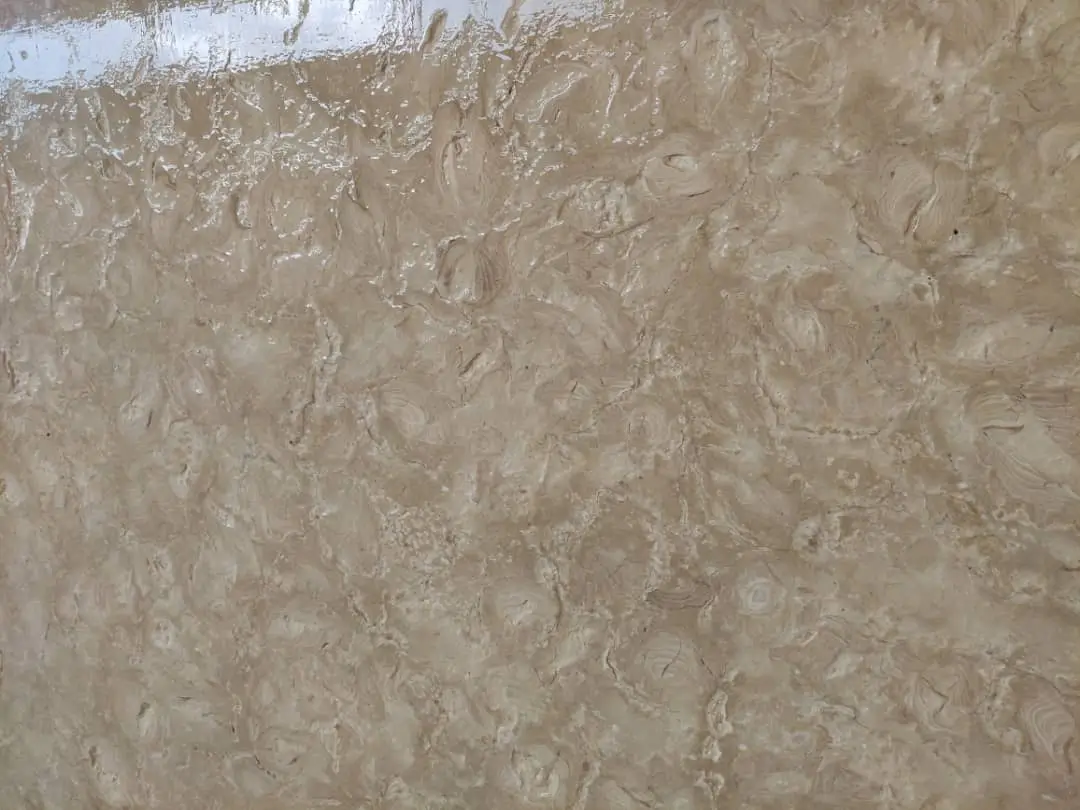
Sedona’s stunning red rock landscape creates unique aesthetic expectations for Citadel Stone installations. You’d select warm-toned limestone that complements rather than competes with the natural environment—perhaps fossil limestone with subtle beige and tan variations. The specification would emphasize irregular edges and natural cleft surfaces that echo the surrounding geology. Given Sedona’s 4,500-foot elevation, you’d need freeze-thaw resistant materials but not to Flagstaff’s extreme standards. Tourist traffic in commercial areas requires slip resistance ratings above 0.55 DCOF, suggesting lightly textured finishes. The truck access challenges in Sedona’s hillside locations would factor into your material selection, potentially limiting slab sizes to what standard delivery vehicles can navigate.
Yuma Extreme Heat Solutions
As one of the hottest cities in North America, Yuma pushes limestone thermal performance to the limit. Citadel Stone would specify the lightest-colored natural limestone paving in Arizona available—pale cream seagrass or white fossil varieties—to maximize solar reflectance. Surface temperatures exceeding 150°F are common without proper material selection, making color choice critical for usability. You’d want to verify warehouse stock levels of these lighter colors before project commitment, as demand exceeds supply during peak construction season. The lack of freeze-thaw concerns allows you to prioritize thermal performance and aesthetics exclusively. Joint details would accommodate extreme thermal expansion—potentially 15-20% more movement than Phoenix installations—requiring wider joints or more frequent expansion joint placement at 10-12 foot intervals.
Comparing Limestone to Alternative Paving Materials
You’ll inevitably compare Citadel Stone’s natural limestone paving in Arizona to concrete pavers, porcelain tile, and travertine. Each alternative has distinct advantages and limitations that affect your specification decision. Concrete pavers cost less initially—$4-8 per square foot installed—but lack the thermal performance and authentic appearance of natural stone. They also tend to fade significantly under Arizona’s UV exposure, requiring replacement or refinishing within 10-15 years.
Porcelain tile offers excellent color consistency and low maintenance, but the material’s thermal properties are problematic in Arizona. Surface temperatures can exceed those of natural limestone by 10-15°F, and the material lacks the natural texture variations that create visual interest in outdoor spaces. Installation costs are comparable to limestone, but you lose the authentic character that many architects prefer for high-end projects.
Travertine is the closest natural stone alternative to limestone, sharing similar thermal properties and appearance. The key difference is porosity—travertine typically absorbs 2-4 times more water than dense limestone, making it more susceptible to staining and requiring more aggressive sealing schedules. For Arizona applications, Citadel Stone’s limestone selections generally outperform travertine in longevity and maintenance requirements, though travertine’s distinctive appearance suits some design aesthetics better.
Essential Takeaways
When you specify natural limestone paving in Arizona, you’re making a long-term investment in material performance and aesthetic quality. The key to success lies in matching Citadel Stone’s material characteristics to your project’s specific climate conditions, exposure factors, and functional requirements. Don’t treat this as a generic specification—Arizona’s climate demands thoughtful material selection that accounts for thermal performance, porosity, and finish characteristics.
Your installation quality matters as much as material selection. Even the best limestone from Citadel Stone will fail prematurely with inadequate substrate preparation or improper setting methods. Verify that your installers understand desert climate requirements and have experience with natural stone in Arizona conditions. The additional cost of experienced labor—typically 15-20% more than generic paver installers—pays dividends in long-term performance.
Plan for lifecycle maintenance from the start. Include sealing schedules, cleaning protocols, and joint maintenance in your project documentation and client communications. For guidance on complementary applications, review Natural stone edging solutions for Arizona desert landscaping to complete your hardscape specification. Landscape architects specify Citadel Stone’s premium natural limestone slabs in Arizona for estate hardscaping projects.