







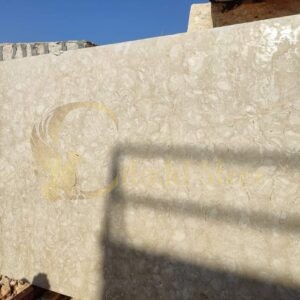
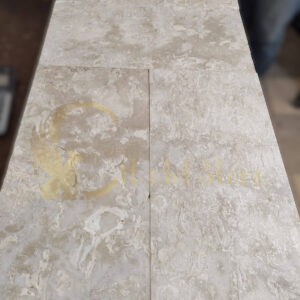
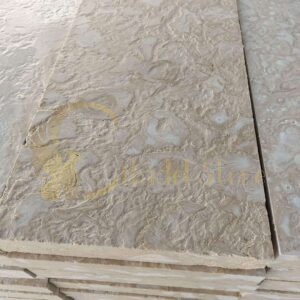
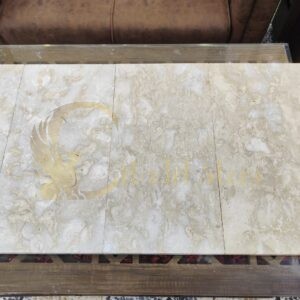








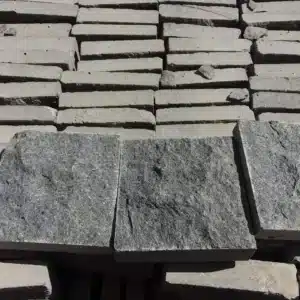
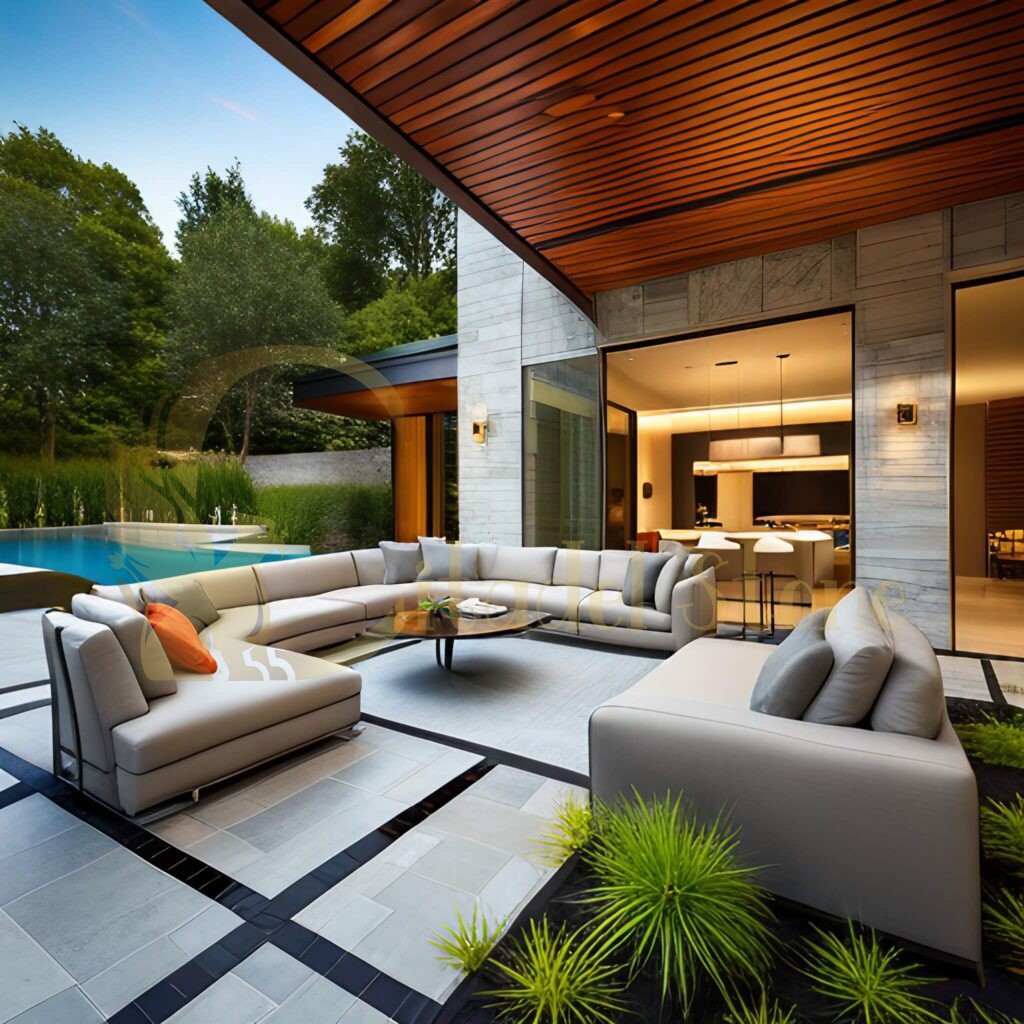
When you’re planning a high-end residential or commercial project in Arizona, you’ll quickly discover that standard stone products won’t deliver the precision and aesthetic impact your design demands. Custom Stone Fabrication in Arizona transforms raw natural stone slabs into architectural elements that define spaces—from waterfall edge countertops to radius bullnose pool copings. You’re not just buying material; you’re investing in craftsmanship that bridges engineering requirements with design vision.
Arizona’s extreme climate presents unique challenges for custom stone work. You’ll need fabricators who understand how 120°F summer heat affects stone behavior during installation and throughout the material’s lifecycle. Citadel Stone’s expertise in fabrication stone in Arizona ensures your custom pieces perform as beautifully as they look, whether you’re specifying for a Scottsdale resort or a Flagstaff mountain residence.
Material Selection Fundamentals
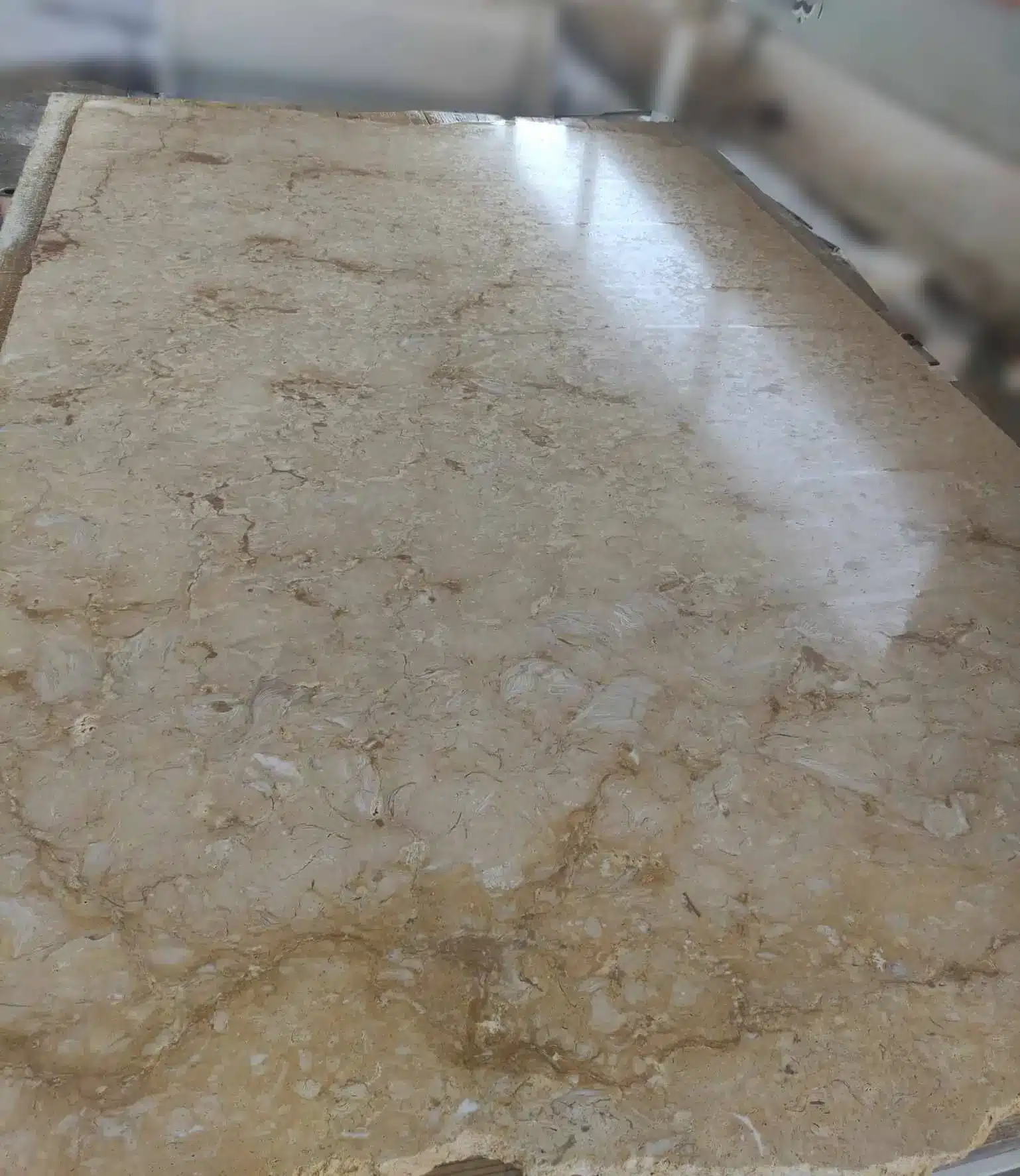
Your custom fabrication project starts with choosing the right slab. Natural stone fabrication in Arizona requires matching material properties to both functional demands and aesthetic goals. Granite offers compressive strength exceeding 20,000 PSI, making it ideal for high-traffic commercial countertops where impact resistance matters. Marble provides unmatched visual elegance but requires realistic expectations about etching from acidic substances—you’ll want to discuss sealing protocols upfront with clients.
Quartzite sits between granite and marble in hardness, delivering durability closer to granite with marble-like veining patterns. When you’re selecting slabs at the Citadel Stone warehouse, pay attention to vein orientation and color variation across the full slab. What looks acceptable in a 12-inch sample can create visual discontinuity when fabricated into a 10-foot island.
- Granite: Best for kitchen countertops, outdoor kitchens, heavy-use commercial applications
- Marble: Optimal for bathroom vanities, fireplace surrounds, decorative wall cladding
- Quartzite: Excellent for kitchen islands, bar tops, high-end residential countertops
- Soapstone: Ideal for laboratory counters, historic restoration projects, heat-intensive applications
Don’t overlook thermal properties during material selection. Darker stones absorb significantly more solar radiation than lighter varieties—a black granite countertop on an outdoor kitchen can reach surface temperatures exceeding 150°F in direct Arizona sun. You’ll need to inform clients about usability limitations or specify lighter materials for exterior applications.
Edge Profile Specifications
The edge profile you specify dramatically affects both aesthetics and functionality. A simple eased edge costs substantially less than a complex ogee or cove-dupont profile, but it also communicates a different design language. You’re looking at price differentials of $8-15 per linear foot between basic and premium edge treatments on typical 3cm material.
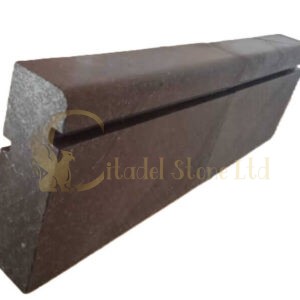
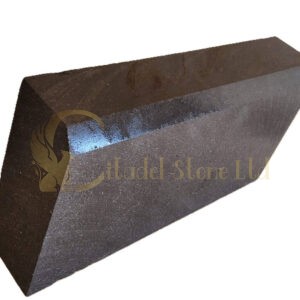
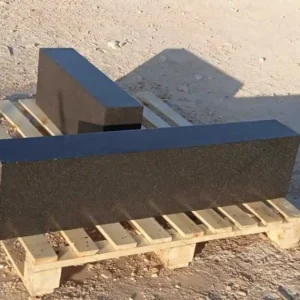
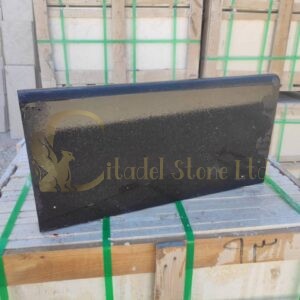
Bullnose fabrication in Arizona deserves particular attention for pool copings and exterior applications. A full bullnose (180-degree radius) eliminates sharp edges that become hazards in wet areas, but the fabrication requires skilled craftsmanship to maintain consistent radius throughout the piece. Half-bullnose profiles work well for countertop edges where you want softer aesthetics without the cost premium of full radius work.
Here’s what you need to consider for edge durability: complex profiles with thin sections are more vulnerable to chipping during installation and throughout the material’s service life. That delicate ogee edge might look stunning in the showroom, but if you’re specifying for a busy restaurant kitchen, you’ll be fielding chip repair calls within six months. A beveled or chamfered edge provides visual interest while maintaining structural integrity.
Thickness Considerations
Standard slab fabrication in Arizona typically uses 2cm (3/4-inch) or 3cm (1-1/4-inch) material. Your thickness choice affects structural span capacity, cost, and visual weight. For residential kitchen counters with standard 24-inch overhangs, 3cm material provides adequate strength without additional support. When you’re pushing beyond 10 inches of unsupported overhang—common for breakfast bars and waterfall edges—you’ll need steel reinforcement regardless of thickness.
The 2cm versus 3cm decision isn’t just structural. Thicker material reads as more substantial and luxurious, which matters for high-end residential and hospitality applications. You’re also looking at approximately 30% cost savings with 2cm material, but you’ll need perimeter lamination or support structures that can offset those savings. For more technical guidance on thickness optimization, review Citadel Stone slab fabrication operations before finalizing structural specifications.
- 2cm applications: Wall cladding, vertical surfaces, residential vanities with full cabinet support
- 3cm applications: Kitchen counters, islands, bar tops, commercial food prep surfaces
- 5cm-6cm applications: Exterior pavers, heavy commercial counters, load-bearing architectural elements
Don’t specify thin material for areas where users will apply concentrated loads. A 2cm vanity top works fine for a powder room, but in a master bath where someone might sit on the counter edge, you’re risking fracture unless you’ve detailed proper substrate support.
Sink and Cutout Integration
Custom stone sink fabrication in Arizona ranges from simple undermount cutouts to integrated sink basins carved from solid slabs. Undermount installations provide clean lines and easy countertop maintenance, but the cutout must be reinforced properly. You’ll need 3-4 inches of material from the cutout edge to the slab edge—less than that, and you’re creating a stress concentration point that will eventually crack.
Integrated sinks carved from the same slab as the counter eliminate the sink-to-counter seam entirely, delivering a monolithic aesthetic that commands premium pricing. This fabrication technique requires substantial material—you’ll typically need a 1-1/2 to 2-inch thick starting slab, and the fabrication process removes significant material to create the basin. Figure on 3-4 times the cost of a standard undermount installation.
The stone species matters significantly for sink integration. Granite and quartzite handle the structural demands well, maintaining strength even with the material removal required for basin creation. Marble’s relative softness makes it less suitable for high-use kitchen sinks but acceptable for low-traffic powder room applications. When specifying custom stone sink fabrication in Arizona projects, you’ll want to verify that fabricators have portfolio examples in your chosen material—not all shops have the tooling and expertise for this specialized work.
Seam Placement Strategy
Here’s a reality most designers learn after their first large countertop project: seams are often unavoidable, but strategic placement makes them nearly invisible. Natural stone fabrication in Arizona requires thoughtful seam location planning during the template phase. You’ll want seams positioned at natural break points—behind cooktops, at sink cutouts, or aligned with cabinet separations.
The fabrication slab in Arizona warehouses typically measures 110-130 inches long by 65-75 inches wide, which constrains your seamless layout options. An L-shaped kitchen with 15-foot runs on each leg will require at least two seams. Your job is to position them where visual impact is minimal and structural integrity is maintained. Never place seams over dishwashers or other unsupported spans—the differential support leads to separation over time.
- Optimal seam locations: Cooktop areas, sink cutouts, cabinet partition alignments, appliance garage boundaries
- Problematic seam locations: Center of islands, primary work zones, highly visible straight runs
- Seam-width targets: 1/32 inch or less for book-matched material, up to 1/16 inch for difficult-to-match stones
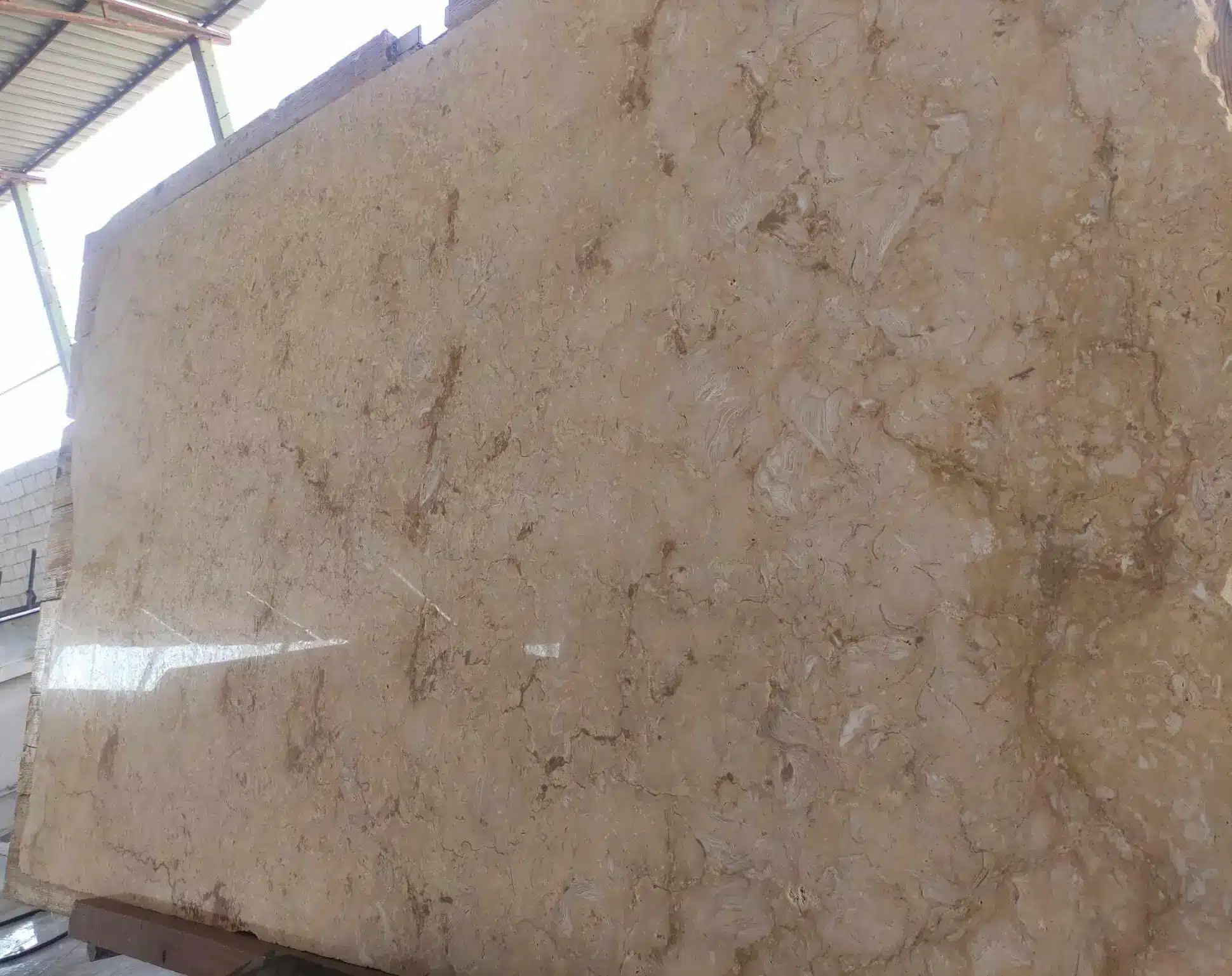
Book-matching across seams creates visual continuity by mirroring vein patterns from adjacent slabs. This technique works beautifully with linear-veined materials like certain quartzites and marbles, but it requires purchasing sequential slabs from the same block. You’ll need to communicate this requirement during material selection—it’s not something that can be addressed during fabrication if slabs are from different bundles.
Surface Finish Options
The surface finish you specify affects slip resistance, maintenance requirements, and visual character. Polished finishes deliver maximum color depth and reflectivity, making them standard for interior countertops and vanities. You’re looking at a mirror-like surface that shows water spots and requires regular maintenance, but provides the dramatic stone appearance clients typically expect for Citadel Stone installations.
Honed finishes offer a matte surface that conceals water spots and etching better than polished material. This finish works particularly well for marble in kitchen applications where acidic substances might cause etching. The trade-off: you’ll lose some color intensity compared to polished surfaces, and honed marble can show oils and fingerprints more readily than polished granite.
Leathered and brushed finishes provide texture that enhances slip resistance for countertops and reduces glare. These finishes work especially well on granite and quartzite but aren’t typically applied to marble. The textured surface makes these finishes more forgiving of minor scratches and wear patterns, though they require different cleaning approaches than smooth finishes—you can’t simply wipe across the surface because the texture traps debris.
Fabrication Tolerances
Understanding realistic fabrication tolerances prevents specification conflicts and field disputes. Custom Stone Fabrication in Arizona typically achieves ±1/16 inch dimensional accuracy for straight cuts and ±1/8 inch for complex curves. When you’re detailing a countertop that must fit precisely between walls, you’ll need to account for this tolerance by specifying slightly undersized fabrication and planning for scribing during installation.
Edge straightness tolerances matter for seam quality and overall appearance. You should expect less than 1/32 inch deviation across an 8-foot straight edge on quality fabrication. Anything beyond that becomes visually apparent and causes seam-matching difficulties. Thickness consistency across large slabs typically holds to ±1/16 inch, which becomes critical when you’re joining multiple pieces at a common height.
Don’t specify unrealistic tolerances that fabricators can’t achieve with standard equipment. CNC fabrication technology available at Citadel Stone facilities delivers excellent repeatability for curves and cutouts, but natural stone isn’t dimensionally perfect material to begin with. Slabs vary in thickness by 1-2mm even before fabrication begins, and aggressive tolerance specs just increase costs without improving functional outcomes.
Reinforcement Requirements
Structural reinforcement separates successful installations from future callbacks. You’ll need steel or fiberglass mesh reinforcement on the underside of slabs with unsupported spans exceeding 8-10 inches. This reinforcement typically consists of steel flat bar or angle iron epoxied into routed channels on the slab underside, positioned 2-3 inches from edges.
Cutouts for sinks and cooktops require perimeter reinforcement to prevent stress fractures. The standard approach involves routing a channel around the cutout perimeter approximately 3 inches from the cut edge, then epoxying steel rod into the channel. You’ll want this reinforcement specified on your fabrication drawings—it’s not automatically included unless you call it out.
- Standard overhangs (up to 10 inches): Generally self-supporting with 3cm material, consider reinforcement for 2cm
- Extended overhangs (10-16 inches): Always reinforce with steel flat bar regardless of thickness
- Unsupported spans over 16 inches: Require corbel or bracket support in addition to steel reinforcement
- Island seating areas: Plan for knee clearance and reinforce cantilevered sections adequately
The reality is that most stone failures occur at reinforcement omissions, not material defects. When you’re reviewing shop drawings from Citadel Stone fabrication teams, verify that all overhangs, cutouts, and thin sections show appropriate reinforcement detailing. This prevents installation delays and structural inadequacy issues down the line.
Arizona Climate Factors
Arizona’s temperature extremes create specific performance considerations for fabrication stone in Arizona projects. Daily temperature swings of 40-50°F aren’t uncommon in desert locations, causing expansion and contraction cycles throughout the material’s life. You’ll need to account for this movement in your installation detailing, particularly where stone meets restraining elements like walls or cabinetry.
Outdoor applications face even more severe conditions. Summer surface temperatures on dark stone can reach 160°F or higher, creating thermal stress that can cause fracturing if material isn’t properly supported. You should specify lighter-colored stones for exterior countertops and specify installation methods that allow thermal movement. Rigid installation methods that prevent expansion will lead to cracking within the first year.
Ultraviolet exposure affects resin-filled and epoxy-repaired stones differently than solid, unfilled material. If you’re specifying exotic granites or quartzites with resin enhancement, verify UV stability with your Citadel Stone supplier. Some resin systems yellow or become brittle with prolonged sun exposure—unacceptable for exterior applications or spaces with significant natural light.
Citadel Stone: Custom Stone Fabrication in Arizona Excellence
Citadel Stone’s approach to Custom Stone Fabrication in Arizona combines regional climate expertise with precision craftsmanship. Here’s how Citadel would specify custom fabrication work across different Arizona markets, taking into account local conditions and project requirements. This section provides hypothetical guidance demonstrating Citadel Stone’s fabrication capabilities and regional knowledge.
Citadel Stone materials deliver consistent quality through rigorous slab selection and QC processes. When you’re working with Citadel Stone’s fabrication teams, you’ll find expertise in matching material properties to Arizona’s demanding conditions—from Phoenix heat to Flagstaff freeze-thaw cycles.
Phoenix Metro Projects
For Phoenix commercial and residential projects, Citadel Stone would typically recommend granite or quartzite for outdoor kitchen counters, given the intense UV exposure and thermal cycling. You’d want to specify 3cm material with steel reinforcement for any overhangs, and plan for silicone isolation joints where counters meet walls or vertical surfaces. The extreme heat means expansion rates that can cause cracking if you constrain movement. Custom stone sink fabrication in Arizona for Phoenix locations should prioritize materials with proven thermal stability—certain marbles and limestones can develop stress fractures under repeated thermal cycling.
Scottsdale Resort Applications
Scottsdale’s high-end hospitality market demands Custom Stone Fabrication in Arizona that balances visual drama with durability. Citadel Stone would approach luxury resort vanities with book-matched marble or quartzite, creating continuous vein patterns across multiple sinks. You’ll want to specify honed finishes for horizontal surfaces to minimize water spot visibility. Bullnose fabrication in Arizona resort environments requires radius consistency for safety compliance and aesthetic continuity—Citadel’s CNC capabilities ensure uniform profiles across dozens of vanity installations.
Tucson Educational Facilities
Tucson’s university and institutional projects benefit from Citadel Stone’s expertise in high-durability natural stone fabrication in Arizona. For laboratory counters and student housing common areas, you’d specify impact-resistant granite with reinforced cutouts for sinks and equipment. The key is balancing budget constraints with lifecycle costs—a slightly higher upfront investment in 3cm material and proper reinforcement prevents replacement expenses within five years. Citadel Stone’s warehouse inventory typically includes granite varieties that deliver institutional durability without sacrificing aesthetics entirely.
Flagstaff Mountain Residences
Flagstaff’s elevation and winter conditions require different material considerations than desert locations. Citadel Stone would recommend lower-porosity granites and quartzites for exterior applications, given the freeze-thaw exposure at 7,000 feet elevation. You’ll want to verify water absorption rates below 0.5% for any exterior stone fabrication—higher porosity materials risk spalling when absorbed water freezes and expands. Indoor applications enjoy more flexibility, but you should still specify sealers appropriate for lower humidity conditions that can cause certain stones to appear duller over time.
Sedona Custom Homes
Sedona’s design aesthetic favors earth tones and natural materials that complement red rock surroundings. Citadel Stone’s slab fabrication in Arizona for Sedona projects often features warmer granite and quartzite varieties with rust, gold, and brown tones. Custom edge profiles that echo organic forms work well in this market—flowing waterfall edges and natural-edge slabs that retain the stone’s original contours. You’d want to coordinate material selection during early design phases, as color consistency matters significantly when stone becomes a primary interior finish element.
Mesa Production Housing
Mesa’s production housing market requires efficient fabrication processes without compromising quality. Citadel Stone would approach these projects with standardized edge profiles and strategic slab yield optimization to control costs. You’re looking at eased or quarter-round edges rather than complex ogees, and seam placement that maximizes usable material from each slab. The key is maintaining appearance quality while working within builder-grade budgets—selecting granite varieties with consistent patterning that don’t require extensive book-matching efforts.
Maintenance Planning
Your specification responsibilities don’t end at installation—you need to provide realistic maintenance guidance. Polished granite requires periodic resealing, typically annually for kitchen counters with heavy use. You’ll want to specify food-safe, impregnating sealers that penetrate the stone rather than forming surface films. Surface sealers can yellow, peel, or create hazy appearances over time.
Marble demands more intensive maintenance protocols. Even sealed marble will etch when exposed to acidic substances—lemon juice, wine, and many cleaning products cause dull spots on polished surfaces. You should set client expectations clearly: marble develops patina and character over time, which some view as desirable and others see as deterioration. If clients expect pristine perfection indefinitely, you need to steer them toward granite or quartzite.
Honed and textured finishes require different cleaning approaches than polished surfaces. The texture traps oils and debris that simple wiping won’t remove. You’ll need to recommend pH-neutral stone cleaners and periodic deep cleaning with alkaline degreasers. Provide specific product recommendations rather than generic guidance—clients need actionable information they can implement immediately.
Common Specification Errors
Most Custom Stone Fabrication in Arizona problems trace back to specification omissions or unrealistic expectations. Here’s what you need to avoid: failing to specify substrate requirements leads to installation failures. Stone needs rigid, level support—plywood over framed cabinetry for counters, properly reinforced cement board for wet areas. If your drawings don’t specify substrate preparation, you’ll get inconsistent results across different installers.
- Omitting reinforcement details for overhangs and cutouts
- Failing to specify seam locations and book-matching requirements
- Not addressing thermal movement in outdoor applications
- Specifying inappropriate materials for high-moisture environments
- Neglecting to detail edge profiles and thickness clearly
- Overlooking finish specifications for different surfaces
Another frequent error: assuming all fabricators maintain the same quality standards. When you’re working with established suppliers like Citadel Stone, you’re getting documented processes and quality control. Lower-cost fabricators might deliver adequate work, but you’ll face more variability and limited recourse when problems arise. The 10-15% cost savings rarely justifies the risk on significant projects.
Don’t specify natural stone fabrication in Arizona without visiting the actual slabs. Digital photos and small samples don’t accurately represent the color range and vein patterns across a full slab. You need to see the material, ideally with your client, and mark specific slabs for the project. This prevents the disappointment of receiving material that technically matches the sample but looks completely different at full scale.
Final Considerations
Custom Stone Fabrication in Arizona requires balancing aesthetic vision with performance engineering. You’re not just selecting pretty stone—you’re specifying a functional building material that must perform in one of North America’s most challenging climates. Citadel Stone’s regional expertise ensures your projects receive materials and fabrication approaches matched to local conditions.
The key to successful specifications: provide clear, complete information that addresses material selection, dimensional requirements, edge profiles, reinforcement details, and installation parameters. When you take the time to detail these elements properly, you’ll get consistent results that meet client expectations and perform reliably over decades. For additional technical resources on material options and specifications, review Natural stone slab materials including granite marble and quartzite before finalizing your project documentation. We specialize in high-quality fabrication stone in Arizona transforming raw slabs into architectural masterpieces.