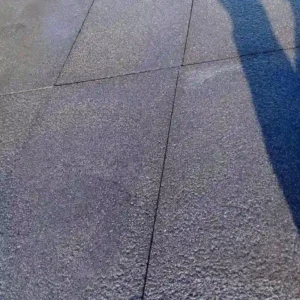
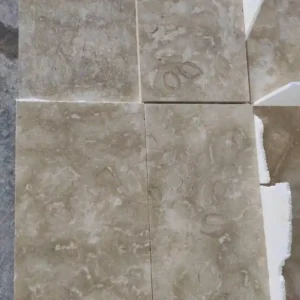

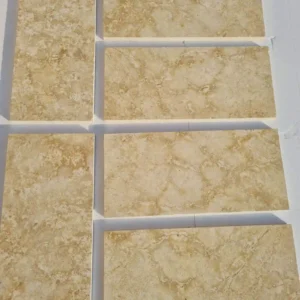

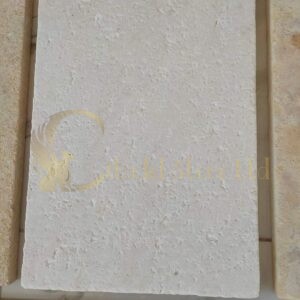
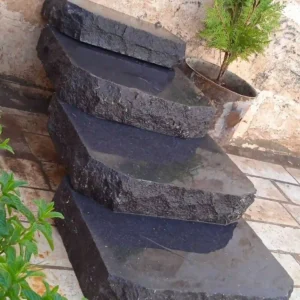
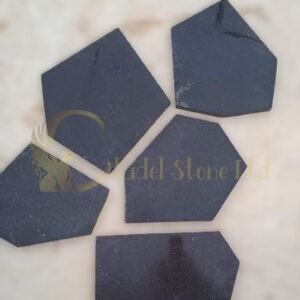
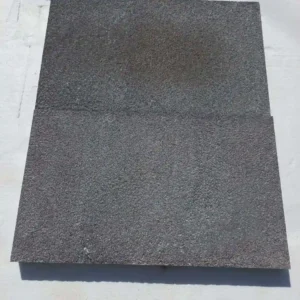
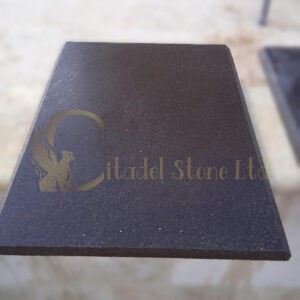
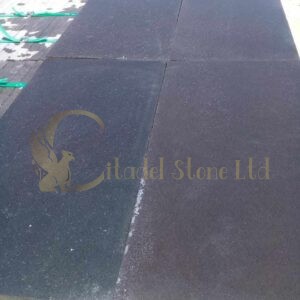

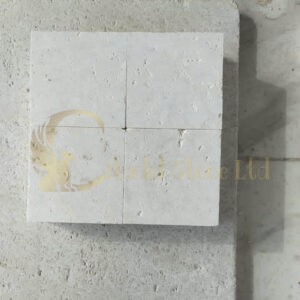
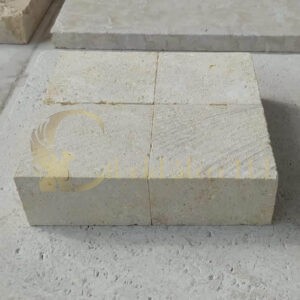
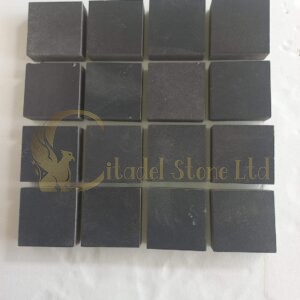
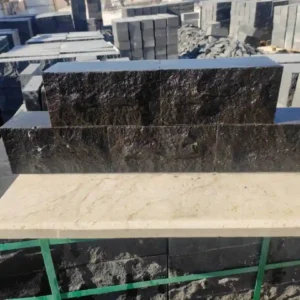
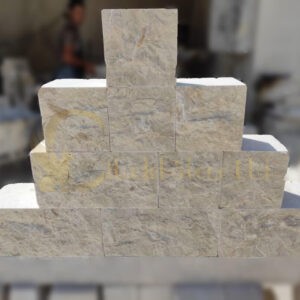
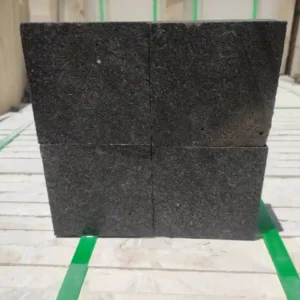

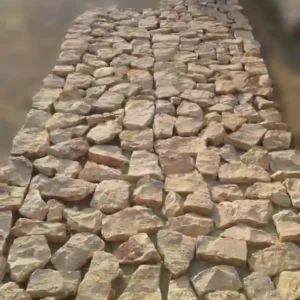
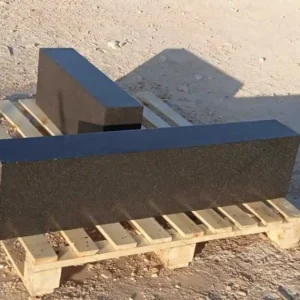
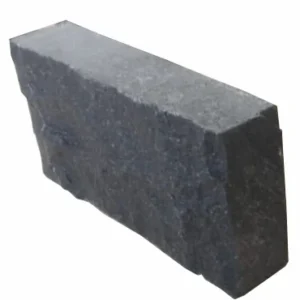
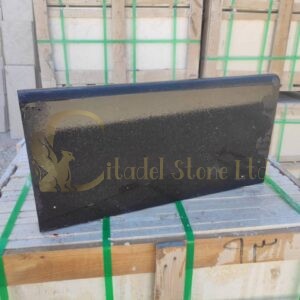
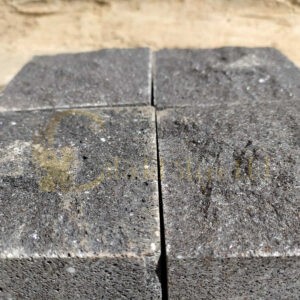
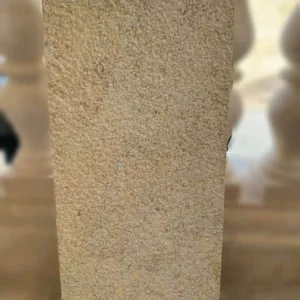
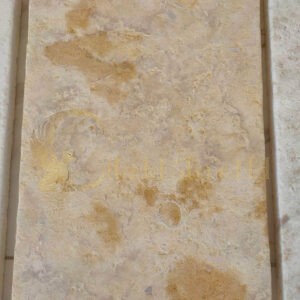
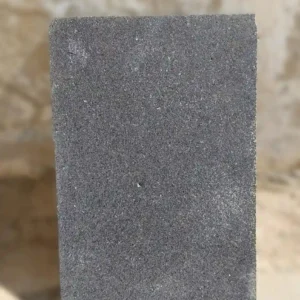
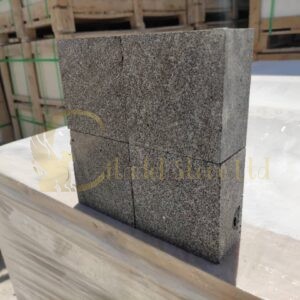
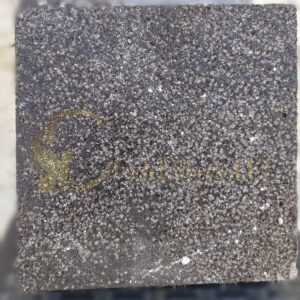

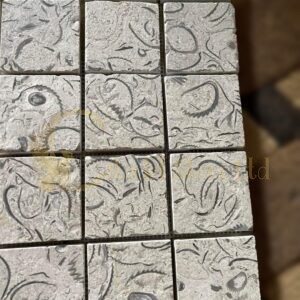

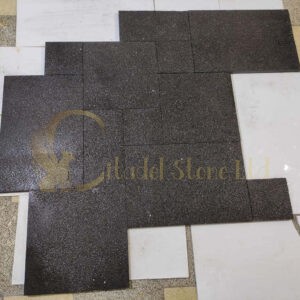
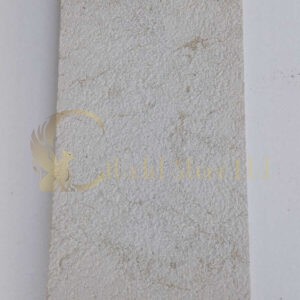
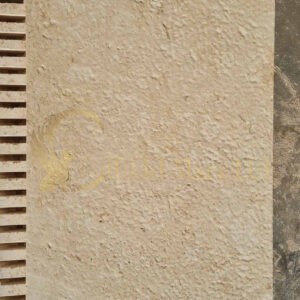
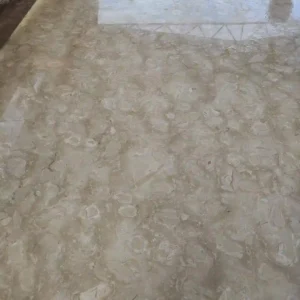
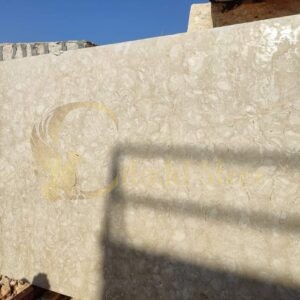
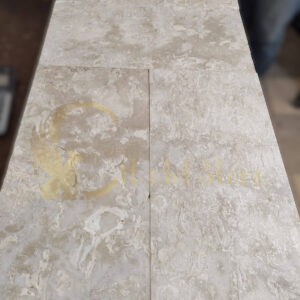
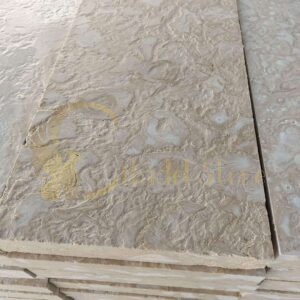
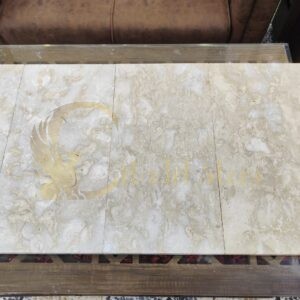
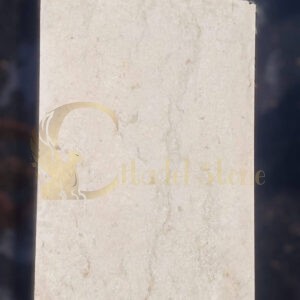
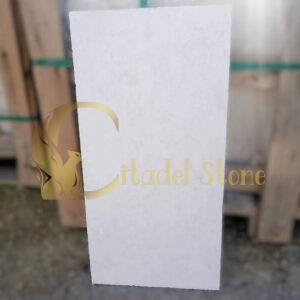






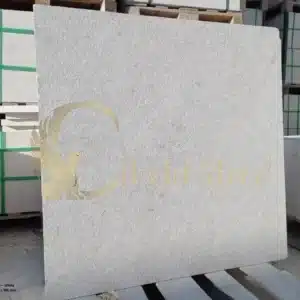


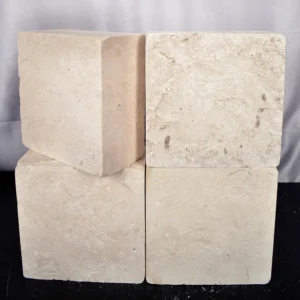
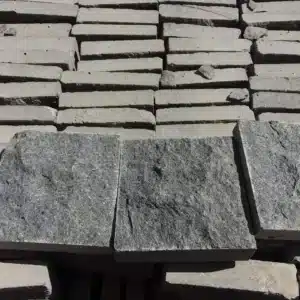
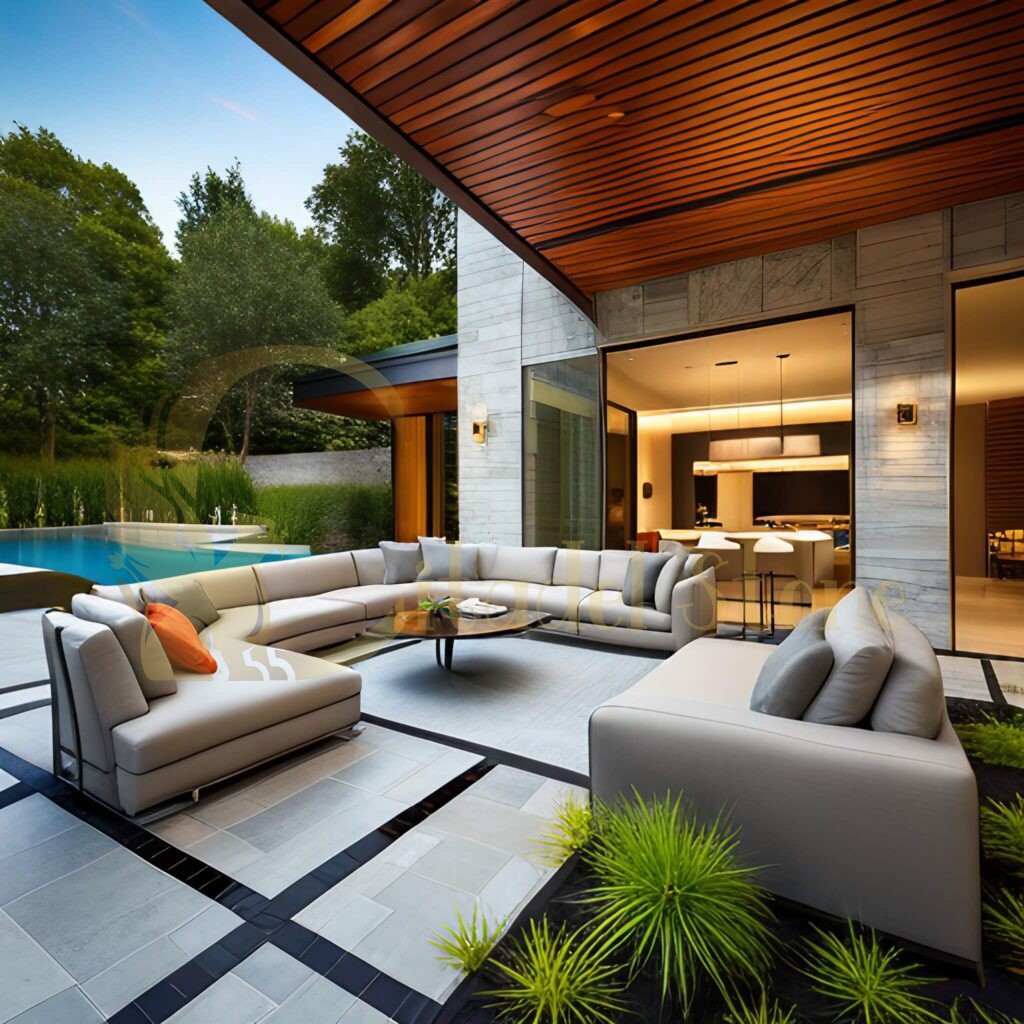
When you’re planning outdoor pathways in Arizona, Stepping Stones in Arizona deliver the perfect combination of functionality and aesthetic appeal. These individual pavers create natural-looking paths that handle the state’s extreme climate while reducing hardscape costs compared to continuous paving. Citadel Stone’s stepping stone selection addresses Arizona’s unique environmental demands—intense UV exposure, dramatic temperature swings, and minimal rainfall patterns that concentrate water flow during monsoon season.
You’ll find that proper stepping stone specification involves more than selecting attractive materials. The substrate preparation, spacing calculations, and material properties all directly affect long-term performance. Citadel Stone products perform reliably when you match the stone characteristics to your specific site conditions and traffic patterns.
Material Selection Criteria
Your material choice determines how well the installation withstands Arizona’s environmental stresses. Citadel Stone offers several stepping stone options, each with distinct performance characteristics you need to evaluate against project requirements.
- Thermal stability: Materials with lower thermal expansion coefficients reduce cracking risk during daily temperature cycles that can exceed 40°F
- Surface texture: Flamed or thermal finishes provide slip resistance above 0.50 DCOF, essential for monsoon-wet conditions
- Porosity levels: Water absorption rates under 0.5% prevent freeze-thaw damage in northern Arizona elevations above 5,000 feet
- UV resistance: Dense stone types from Citadel Stone maintain color stability under Arizona’s intense solar radiation without sealant reapplication every year
The reality is that manufactured stepping stones in Arizona must meet higher performance standards than similar applications in temperate climates. You’re dealing with surface temperatures that can reach 160°F on summer afternoons, which eliminates certain stone types that perform adequately elsewhere.
Thermal Performance Considerations
Arizona’s extreme heat creates specific challenges you’ll need to address during specification. Citadel Stone’s materials respond differently to thermal stress, and understanding these variations prevents costly failures.
Surface temperature management becomes critical for both safety and durability. Dark-colored stones absorb more solar radiation, increasing surface temperatures by 20-30°F compared to lighter options. You’ll want to specify lighter tones for high-traffic areas where barefoot contact occurs, particularly around pools or residential pathways. Citadel Stone’s lighter limestone and sandstone options typically maintain surface temperatures 25-35°F cooler than darker alternatives.
Thermal expansion creates movement that affects joint spacing. Most natural stones expand approximately 0.0000045 to 0.0000070 inches per inch per degree Fahrenheit. For a 24-inch stepping stone experiencing a 100°F temperature swing, you’re looking at nearly 1/8 inch of expansion. Space your Citadel Stone stepping stones with gaps of 3-6 inches to accommodate this movement without creating trip hazards.
Installation Substrate Requirements
Don’t make the common mistake of under-specifying base preparation. Your substrate directly determines whether stepping stones remain stable or settle unevenly within the first monsoon season.
- Compacted aggregate base: Minimum 4 inches of crushed stone compacted to 95% Standard Proctor density
- Sand setting bed: 1-2 inches of coarse sand for leveling and minor adjustments during installation
- Geotextile fabric: Place under aggregate in native soil areas with high clay content to prevent base migration
- Drainage grade: Maintain minimum 2% slope away from structures to direct water flow during monsoon events
Arizona’s caliche layer complicates excavation in many regions. You’ll encounter this cement-like soil horizon 6-18 inches below grade in Phoenix, Tucson, and surrounding areas. Breaking through caliche requires mechanical excavation, but it provides an excellent stable base once you’ve established proper depth. Verify caliche depth before finalizing your base preparation specifications for Citadel Stone installations.
Spacing and Traffic Patterns
Stepping stone spacing affects both usability and visual appeal. You need to balance comfortable stride length with the natural aesthetic that makes stepping stones attractive alternatives to continuous paving.
Standard spacing for adult traffic ranges from 18-24 inches on center, measured from the center of one stone to the center of the next. This accommodates average stride lengths of 24-30 inches while allowing stones to overlap visually. For areas with elderly users or children, reduce spacing to 14-18 inches to prevent awkward gait patterns that increase trip risk.
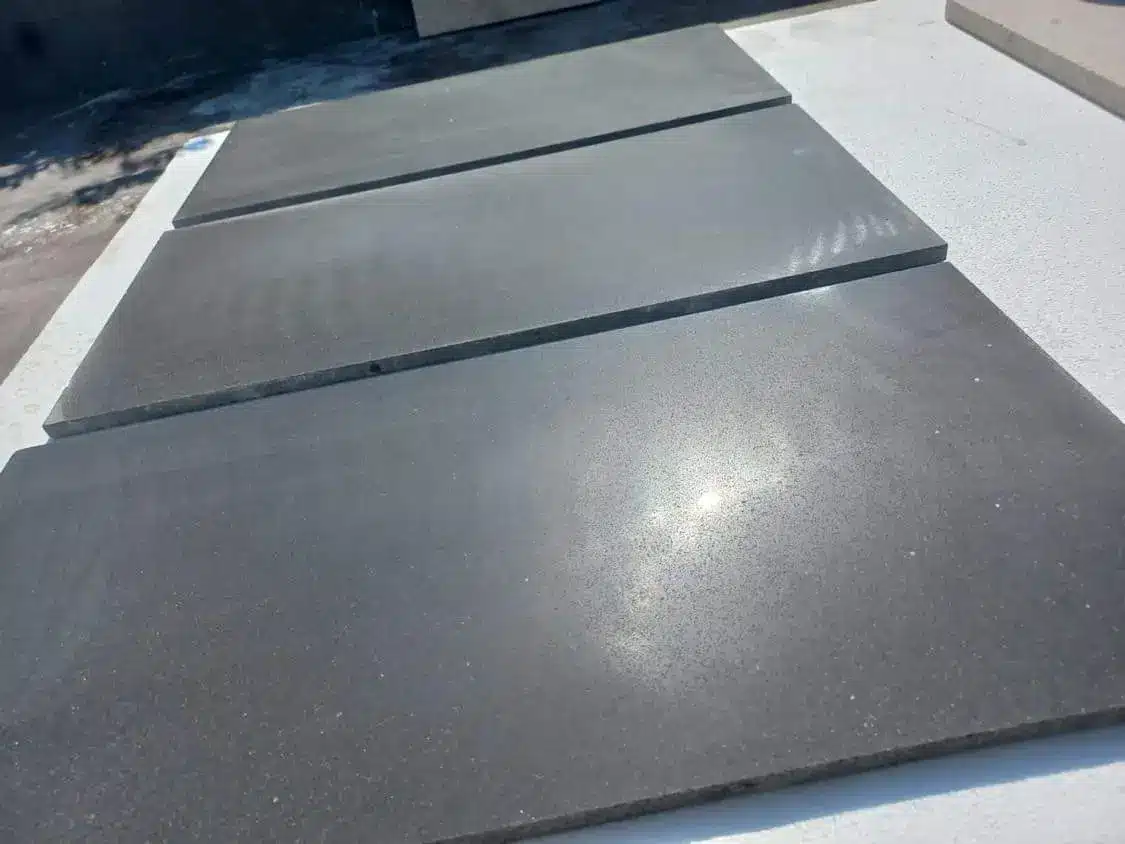
Traffic volume determines stone size requirements. High-traffic residential pathways need stepping stones at least 18-24 inches in diameter to provide stable footing as users naturally deviate from the exact path centerline. Light-traffic garden paths can use smaller 12-16 inch stones from Citadel Stone’s collection. Commercial applications require larger 24-30 inch stones with closer spacing to handle diverse user populations and reduce liability concerns. For more design guidance, see our manufactured stepping stones for comprehensive installation strategies.
Drainage Integration
Arizona’s monsoon season delivers concentrated rainfall that can exceed 2 inches per hour. Your Stepping Stones in Arizona installation needs to manage this water flow without creating erosion channels or standing water that undermines the base.
The gaps between individual stones function as permeable zones that allow water infiltration, reducing runoff compared to continuous paving. You’ll achieve better results by directing water toward landscape areas rather than toward structures. Set stones with a slight crown—approximately 1/8 inch higher at the center than edges—to shed water laterally into surrounding soil.
Consider the watershed pattern across your entire site. Stepping stones should follow natural contours rather than fighting existing drainage patterns. When you must cross a natural swale or concentrated flow path, increase base depth to 6-8 inches and consider adding a perforated drain pipe beneath the stones to handle subsurface water movement during intense rainfall events.
Edge Restraint Methods
Individual stepping stones need less edge restraint than continuous paver installations, but you’ll still face stability issues without proper perimeter considerations. Citadel Stone’s heavier materials provide inherent stability through mass, though lighter stones benefit from additional anchoring.
- Soil berms: Grade surrounding soil 1-2 inches higher than stone edges to create natural containment
- Planted borders: Deep-rooted groundcovers stabilize edges while maintaining the informal pathway aesthetic
- Buried edge course: Set a soldier course of pavers 2-3 inches below grade along pathway edges in high-traffic areas
- Decomposed granite borders: 3-4 inch bands of compacted DG provide semi-formal edge definition
The approach you choose affects both initial cost and long-term maintenance. Planted borders require ongoing care but integrate pathways naturally into Arizona’s xeriscape designs. Buried edge courses add material cost but virtually eliminate maintenance for 10-15 years.
Maintenance Requirements
Citadel Stone stepping stones require less maintenance than continuous paving, but you can’t treat them as completely maintenance-free installations. Arizona’s environment creates specific maintenance demands you should communicate to owners.
Seasonal releveling addresses minor settling that occurs as soil moisture changes. You’ll typically need to lift and reset 1-2 stones per 10-stone pathway annually during the first two years as the base fully stabilizes. After initial settlement, this requirement drops to occasional touchups every 2-3 years. Keep extra sand on hand for owners to make minor adjustments without requiring professional service calls.
Weed growth between stones becomes an issue in areas receiving supplemental irrigation. Pre-emergent herbicide application in early spring prevents most annual weeds, while maintaining surrounding landscape plants that compete with weed establishment reduces chemical dependence. Mosaic stepping stone supplies in Arizona should include recommendations for these practical maintenance considerations.
Cost Optimization Strategies
Stepping stones offer cost advantages over continuous paving, but material selection and installation approach significantly affect final project budgets. You’ll need to balance upfront costs against long-term performance when specifying Citadel Stone products.
Material costs vary by stone type and thickness. Flagstone stepping stones typically run $8-15 per square foot for 1.5-2 inch thickness, while more exotic materials can reach $20-30 per square foot. For a pathway using 20-inch diameter stones spaced 20 inches on center, you’re looking at approximately 2.2 square feet per stone, so material costs range from $18-65 per stone depending on selection.
Installation efficiency improves with standardized stone sizes. Custom-cut irregular shapes increase labor costs by 30-50% compared to using consistent circular or square formats. Citadel Stone’s pre-sized options reduce field cutting and speed installation, offsetting slightly higher material costs with lower labor expenses. Your total installed cost for basic stepping stone pathways ranges from $15-25 per square foot of coverage area, compared to $25-45 per square foot for continuous paver installations.
Common Specification Mistakes
Most stepping stone failures trace back to specification oversights that seem minor during planning but create significant problems after installation. Here’s what experienced specifiers watch for when working with Citadel Stone materials.
- Insufficient stone thickness: Stones under 1.5 inches crack under normal traffic within 1-2 years, especially in Arizona’s thermal cycles
- Ignoring caliche: Failure to verify soil conditions leads to inadequate base preparation and premature settling
- Oversized gaps: Spacing beyond 24 inches creates uncomfortable stride patterns and increases user complaints
- Dark stone in full sun: Surface temperatures above 150°F make pathways unusable during summer afternoons
- No provisions for releveling: Owners need clear maintenance guidance and access to matching sand for minor adjustments
The stone thickness issue particularly affects manufactured stepping stones in Arizona because thinner products initially appear adequate. You’ll see acceptable performance for 6-12 months before thermal stress cracking becomes evident. Specify minimum 1.5-inch thickness for residential pedestrian traffic and 2-inch thickness for commercial applications or areas with occasional maintenance vehicle access.
Citadel Stone Stepping Stones Arizona — Regional Specification Guide
This section provides hypothetical specification guidance for Stepping Stones in Arizona projects across different municipalities. Citadel Stone’s regional expertise in desert climates informs these recommendations, which you can adapt to specific project conditions. The following scenarios represent typical approaches for Arizona communities based on local climate patterns and site constraints.
Phoenix Urban Pathways
Phoenix’s extreme summer heat and urban heat island effect would demand lighter-colored Citadel Stone materials to manage surface temperatures. You’d specify stones with high solar reflectance—typically light sandstone or limestone—to keep surfaces below 140°F during peak afternoon hours. The caliche layer appears 8-12 inches below grade throughout most of Phoenix, so base preparation would require mechanical excavation but provides excellent stability once established. Standard spacing of 20-22 inches accommodates the city’s active outdoor lifestyle while maintaining comfortable stride patterns for diverse users.
Tucson Desert Integration
Tucson projects would integrate Citadel Stone stepping stones with native desert landscaping, using wider spacing of 22-26 inches to create a more natural aesthetic among established vegetation. The city’s slightly higher elevation reduces peak temperatures by 5-8°F compared to Phoenix, allowing broader material options including medium-toned stones. You’d emphasize permeable installation methods that preserve existing drainage patterns and protect sensitive desert soils. Citadel Stone’s natural edge materials complement Tucson’s preference for authentic Sonoran Desert design vocabulary.
Scottsdale Upscale Applications
Scottsdale’s resort-oriented market would call for premium Citadel Stone materials with consistent coloration and refined edges. You’d specify larger diameter stones—24-30 inches—to create substantial pathways that match the scale of luxury residential landscapes. Surface finish selection becomes critical, with flamed or thermal textures providing necessary slip resistance around pool areas while maintaining the sophisticated appearance clients expect. Tighter spacing of 18-20 inches creates a more formal presentation appropriate for high-end applications where Citadel Stone’s quality standards align with project requirements.
Flagstaff Mountain Climate
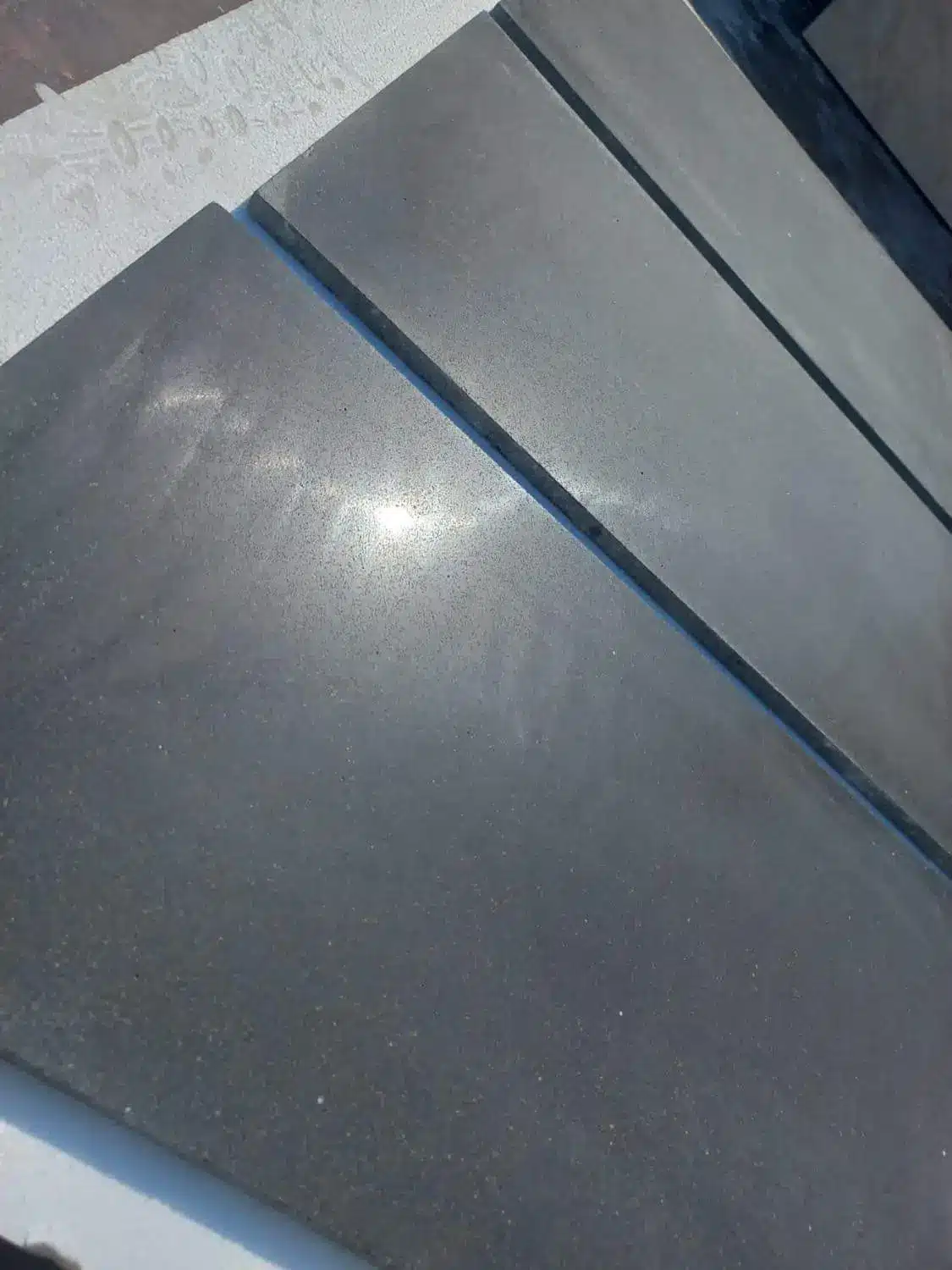
Flagstaff’s elevation at 7,000 feet creates freeze-thaw conditions that would require Citadel Stone materials with water absorption rates below 0.4%. You’d specify denser stone types—typically granite or dense sandstone—that resist moisture penetration and subsequent freeze damage. Base preparation would include deeper aggregate layers of 6-8 inches to prevent frost heaving, and you’d detail wider joints of 4-6 inches to accommodate greater thermal movement through annual temperature ranges exceeding 100°F. Snow removal considerations would influence stone size selection toward larger formats that remain visible and stable under winter conditions.
Sedona Red Rock Context
Sedona projects would feature Citadel Stone materials that complement or contrast with the area’s distinctive red rock formations. You might specify warm-toned sandstones that harmonize with the natural environment, or select contrasting gray limestone to create deliberate visual separation between hardscape and landscape. The town’s focus on preserving viewsheds and minimizing development impact would favor irregular spacing and naturalistic placement patterns. Smaller stone sizes of 16-20 inches would scale appropriately to residential gardens while reducing visual prominence in this sensitive scenic context.
Yuma Extreme Heat
Yuma’s position as one of the hottest cities in North America would drive specification toward the lightest-colored Citadel Stone materials available. You’d prioritize thermal performance above all other factors, selecting stones with maximum solar reflectance to keep surface temperatures manageable. The region’s minimal rainfall—averaging under 4 inches annually—simplifies drainage considerations but demands attention to the rare intense rainfall events that do occur. You’d specify slightly larger gaps between stones to handle concentrated flow when storms arrive, while the stable soil conditions and lack of freeze-thaw concerns would allow reduced base preparation compared to other Arizona locations.
Project Documentation
Your specification documents need to communicate installation requirements clearly to contractors who may not specialize in stepping stone pathways. Citadel Stone provides technical data sheets, but you’ll need to integrate this information into project-specific details that address site conditions.
Include stone size, thickness, finish, and color specifications with acceptable ranges for natural variation. Natural stone exhibits inherent color variation, so specify acceptable tolerance ranges—typically ±15% color variation for most Citadel Stone products—rather than demanding absolute uniformity that’s impossible to achieve. Detail the substrate requirements with specific compaction standards and material gradations contractors can verify during installation.
Create scaled pathway layouts showing stone locations, spacing dimensions, and relationship to existing site features. This prevents field interpretation errors that lead to uncomfortable spacing or awkward transitions at pathway ends. Reference Natural stone tile distributors offering wholesale pricing options in your procurement section to identify qualified Citadel Stone suppliers. Enhance your landscape with our premium Stepping Stones Arizona homeowners love for their natural look.