

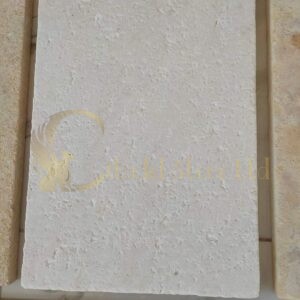

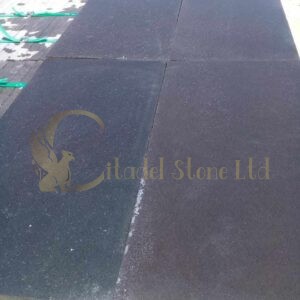

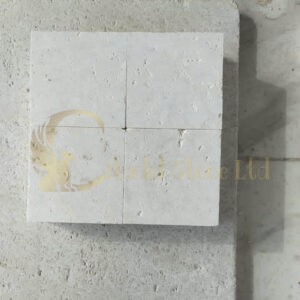
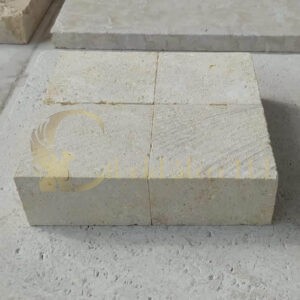
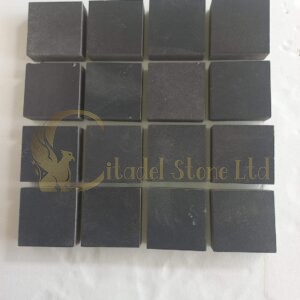
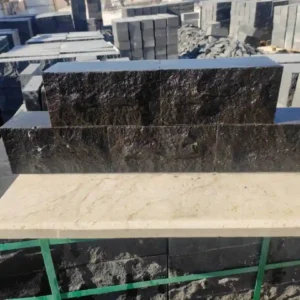
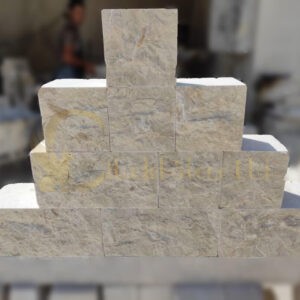
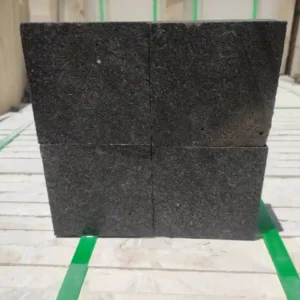


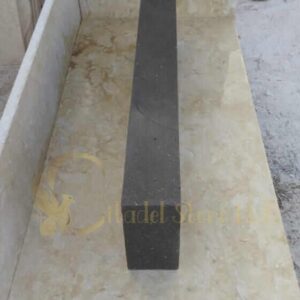
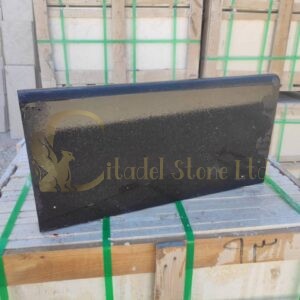
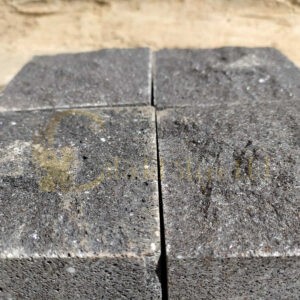
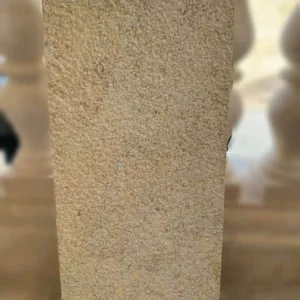
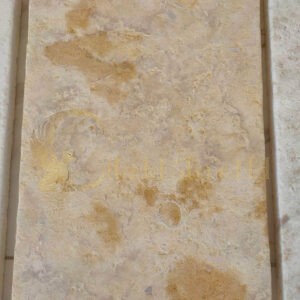


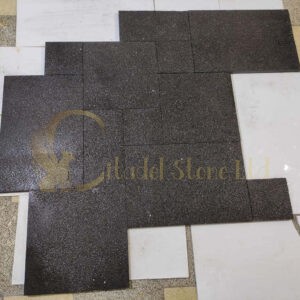
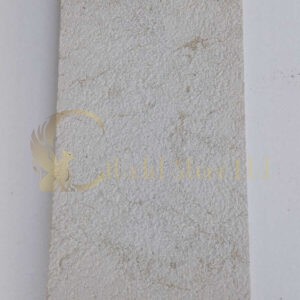
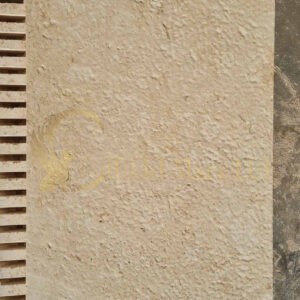
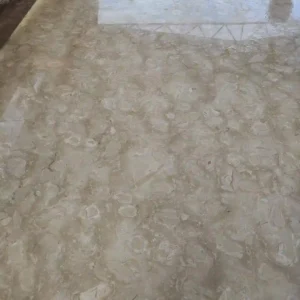
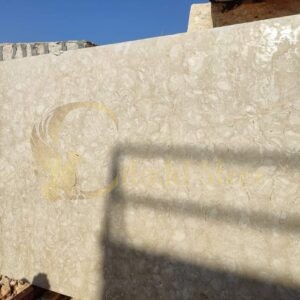
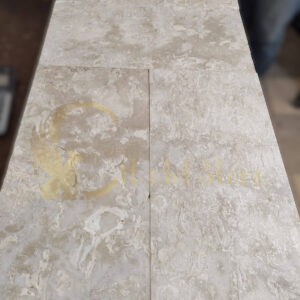
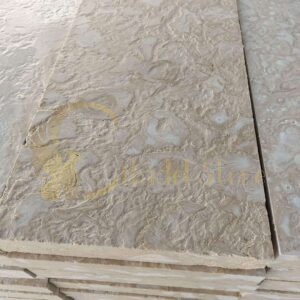
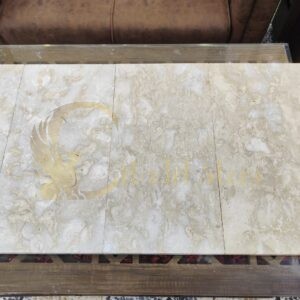
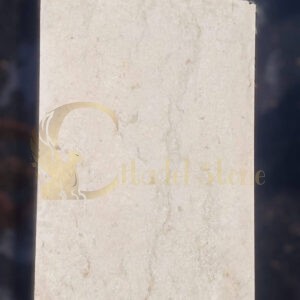
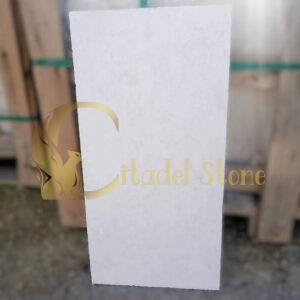

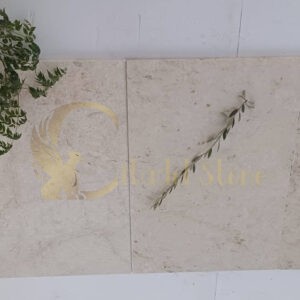


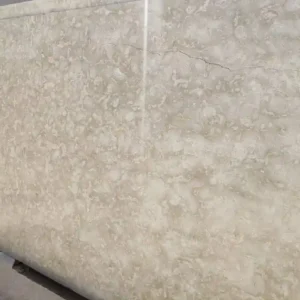
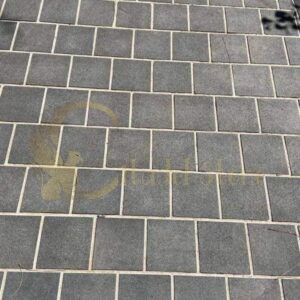

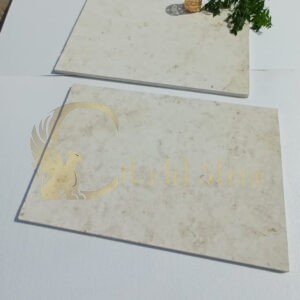
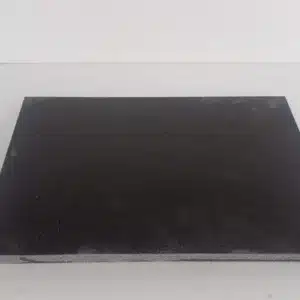
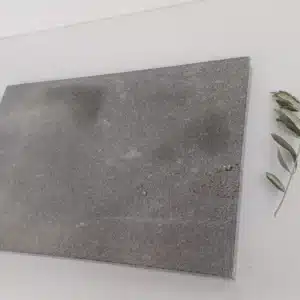
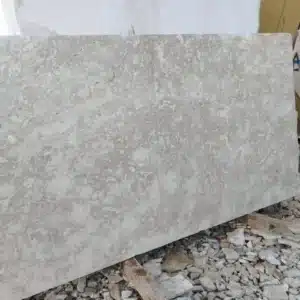

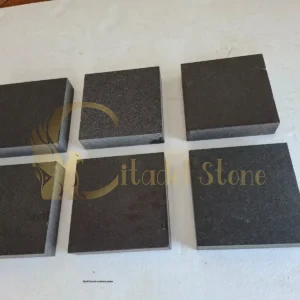

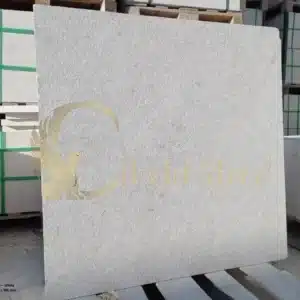


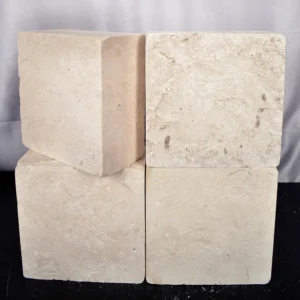
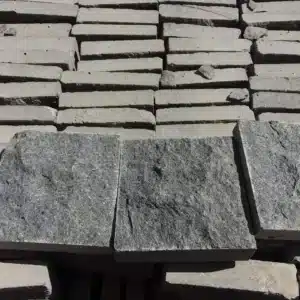
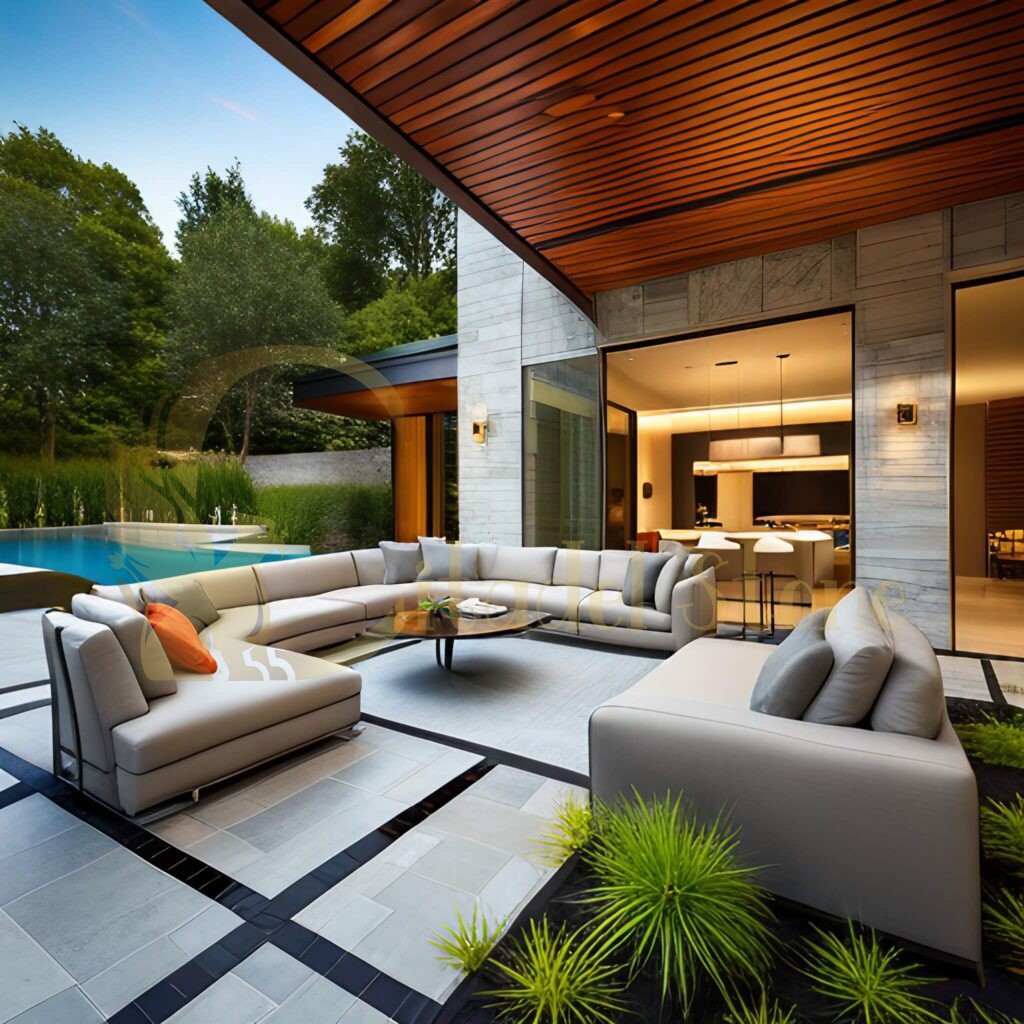
When you’re specifying stone materials for Arizona projects, Travertine Stone in Arizona stands out as one of the most versatile and resilient choices available. The state’s extreme heat, intense UV exposure, and dramatic temperature swings between day and night demand materials that won’t just survive—they need to perform reliably for decades. Citadel Stone’s travertine collections deliver exactly that combination of thermal stability, aesthetic appeal, and proven durability that Arizona construction professionals depend on.
You’ll find Citadel Stone’s travertine inventory particularly well-suited to Arizona’s demanding environment because the material’s natural porosity and thermal mass characteristics work with the climate rather than against it. Unlike denser stones that can develop thermal stress fractures or surface materials that become uncomfortably hot underfoot, travertine moderates surface temperatures while maintaining structural integrity through countless heating and cooling cycles. That’s why experienced specifiers throughout Phoenix, Tucson, and Scottsdale increasingly turn to Citadel Stone when projects demand both performance and visual appeal.
Thermal Performance in Arizona Climate
Arizona’s surface temperatures routinely exceed 160°F during summer months, and most paving materials respond poorly to this thermal assault. Travertine Stone in Arizona performs differently. The material’s interconnected pore structure allows it to dissipate heat more effectively than granite or concrete, typically maintaining surface temperatures 15-20°F cooler than alternative materials in direct sunlight.
You need to understand the thermal expansion coefficient here: travertine expands approximately 0.0000044 inches per inch per degree Fahrenheit. For a 10-foot travertine slab experiencing a 100°F temperature swing—common in Arizona—you’re looking at roughly 0.05 inches of expansion. That’s why your joint spacing should be planned at 15-20 feet maximum for Citadel Stone travertine installations, with joints at least 3/8 inch wide to accommodate movement without buckling or lippage.
The real advantage becomes apparent in outdoor living spaces. When you specify Citadel Stone’s tumbled or brushed travertine finishes for pool decks or patios, your clients can walk barefoot comfortably even during peak afternoon heat—something that’s impossible with most stone or concrete surfaces in Arizona. The material absorbs and releases thermal energy gradually rather than creating surface hot spots.
Porosity and Moisture Management
Travertine’s natural porosity might seem counterintuitive in Arizona’s arid climate, but it’s actually a significant performance advantage. The interconnected voids that characterize Citadel Stone travertine—typically 5-15% of total volume depending on grade—allow for exceptional drainage during Arizona’s intense but brief monsoon events.
Here’s what you need to account for in your specifications:
- Water absorption rates for Citadel’s travertine typically range from 2-6% by weight, depending on density grade
- This porosity allows rapid surface drying after storm events, reducing slip hazards within 20-30 minutes
- The material’s capillary action pulls moisture away from the surface, preventing standing water that can lead to efflorescence
- In properly sealed installations, the pore structure doesn’t compromise structural performance or freeze-thaw resistance
You’ll want to specify a penetrating sealer for most Citadel Stone travertine applications in Arizona. This treatment fills the pore structure enough to resist staining from organic matter and mineral deposits while maintaining the material’s breathability and thermal characteristics. Plan for resealing every 2-3 years in high-traffic commercial applications, 3-5 years for residential installations.
Sourcing from Travertine Suppliers in Arizona
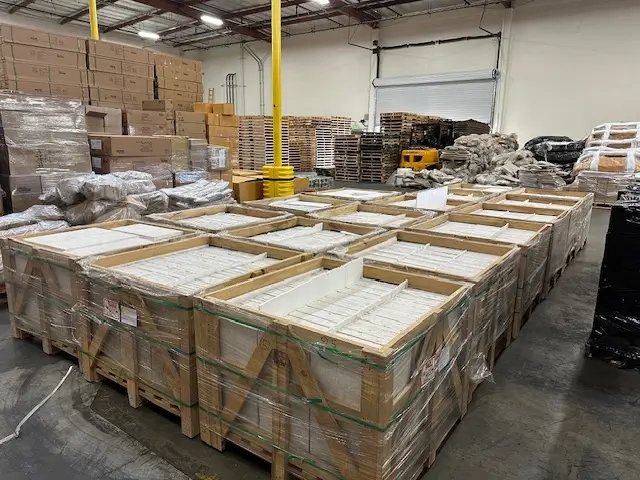
When you’re working with travertine suppliers in Arizona, lead times and material consistency become critical project factors. Citadel Stone maintains warehouse inventory of the most specified travertine grades specifically to address Arizona market demands, which means you’re not waiting 8-12 weeks for overseas container shipments when project schedules tighten.
The travertine stone suppliers in Arizona market includes both direct importers and regional distributors. Citadel Stone’s position as a primary travertine distributor in Arizona gives you access to multiple sourcing origins—Turkish, Peruvian, and Mexican travertine—each with distinct characteristics that affect performance in Arizona conditions. Turkish travertine suppliers in Arizona typically provide denser, more uniform material with subtle color variation. Peruvian travertine suppliers in Arizona offer warmer earth tones with more pronounced vein patterns and slightly higher porosity.
You need to verify several factors when evaluating travertine distributors in Arizona:
- Actual warehouse stock versus drop-ship arrangements that extend delivery timelines
- Consistency of material grades across multiple shipments for phased projects
- Technical support for specification questions and performance criteria
- Truck access and delivery logistics for your specific job site location
Citadel Stone’s Arizona operations address these concerns directly, with technical staff who understand regional installation requirements and material behavior in extreme heat conditions.
Commercial Grade Material Specifications
Not all Travertine Stone in Arizona meets commercial performance standards. You’ll encounter three primary density grades in the market: commercial (premium), standard (first choice), and economy (second choice). For commercial applications—retail exteriors, hospitality installations, municipal projects—you should specify commercial grade exclusively.
Commercial grade travertine from Citadel Stone exhibits these characteristics:
- Compressive strength exceeding 8,000 PSI, suitable for vehicular applications with proper base preparation
- Maximum water absorption of 3% by weight, providing superior freeze-thaw resistance
- Minimal void filling required, with natural pore structure that won’t delaminate under thermal stress
- Consistent thickness tolerance within ±2mm across full production runs
Standard grade material works well for residential patios and low-traffic commercial applications where aesthetic variation adds character. Economy grade should be limited to vertical applications or areas without exposure to vehicular loads or freeze-thaw cycling.
The practical difference shows up 3-5 years into the installation’s life cycle. Commercial grade Citadel Stone travertine maintains surface integrity and dimensional stability, while economy grades often develop surface spalling, increased porosity from wear, and premature deterioration of filled voids.
Installation and Base Preparation Requirements
Here’s where most travertine installations fail in Arizona: inadequate base preparation. You can’t treat travertine like concrete pavers. The material’s natural characteristics demand specific substrate conditions to perform properly over decades of thermal cycling and occasional heavy precipitation events.
Your base specification for Citadel Stone travertine pavers in Arizona should include:
- Minimum 6-inch compacted aggregate base for pedestrian applications, using 3/4-inch minus crushed rock
- 8-10 inch compacted base for areas subject to vehicular loads, with geotextile fabric separation layer
- Compaction to 95% modified Proctor density, verified with plate compaction testing
- 1-inch bedding layer of coarse sand or stone dust, screeded level but not over-compacted
- Minimum 2% slope for drainage, increased to 3% for areas larger than 400 square feet
Don’t make the common mistake of setting travertine in mortar beds for exterior Arizona applications. The differential expansion between mortar, travertine, and concrete substrates creates debonding failures within 18-24 months. Dry-set installations with properly sized joints consistently outperform bonded assemblies in Arizona’s thermal environment.
Edge restraint matters more than most installers realize. You need a positive edge—concrete curb, steel edging, or soldier course set in concrete—capable of resisting lateral forces from thermal expansion. Without adequate restraint, Citadel Stone travertine installations can migrate 1-2 inches over several years, creating trip hazards and joint failures.
Finish Options and Performance Implications
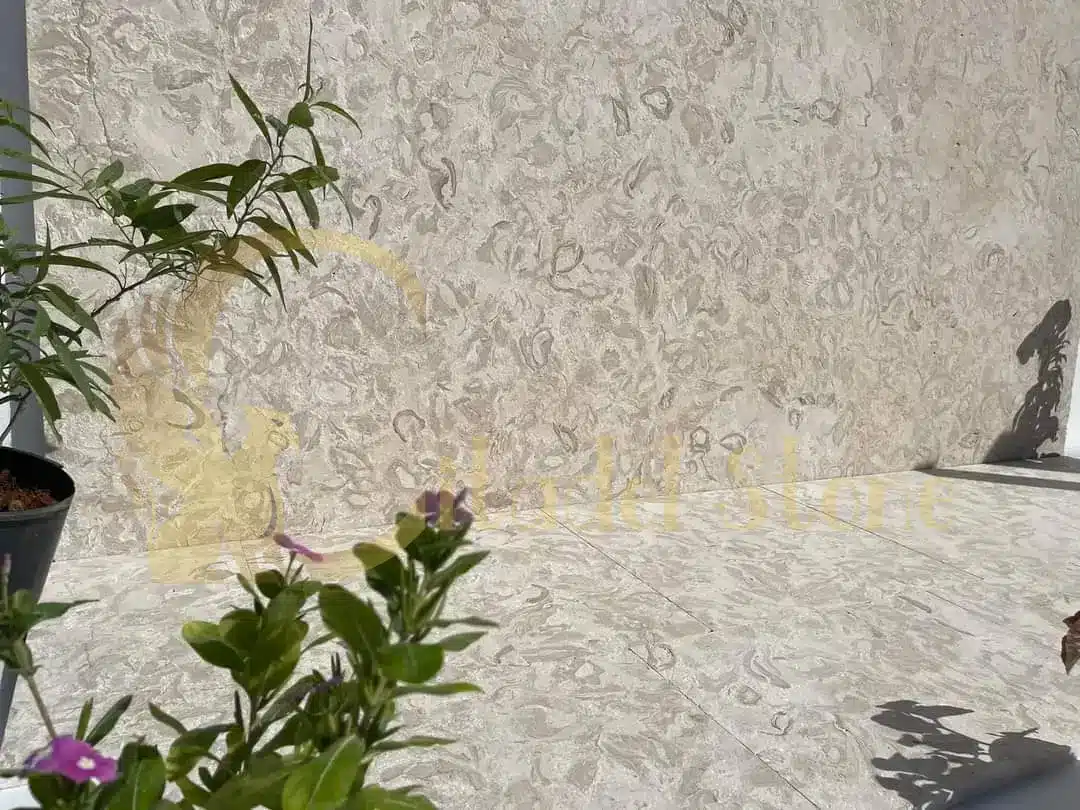
The surface finish you specify for Travertine Stone in Arizona directly affects slip resistance, thermal behavior, and maintenance requirements. Citadel Stone offers five primary finish types, each with distinct performance characteristics in Arizona conditions.
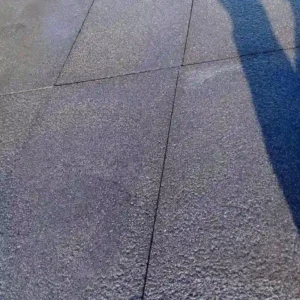
Tumbled finish creates a naturally worn appearance with rounded edges and a textured surface. This finish typically achieves DCOF (Dynamic Coefficient of Friction) values above 0.60 when dry, making it suitable for pool decks and wet areas. The irregular surface diffuses light reflection, keeping surface temperatures 10-15°F cooler than polished finishes. You’ll find this finish requires minimal maintenance since minor wear and weathering blend into the existing texture.
Brushed finish provides moderate texture with a more uniform appearance than tumbled. DCOF values typically range from 0.55-0.65, and the finish performs well in both commercial and residential applications. The slightly smoother surface shows more variation in natural coloration, which some clients prefer for formal installations.
For complete performance comparison and maintenance requirements, review our travertine stone inventory detailing how different finishes respond to Arizona’s climate conditions. Honed finish offers a smooth, matte surface without the high gloss of polished stone, but DCOF values drop to 0.40-0.50, which may not meet code requirements for certain exterior applications.
Filled versus unfilled is another specification decision you’ll face. Filled travertine has natural voids filled with matching resin compounds, creating a more uniform walking surface. Unfilled travertine retains the natural character but requires more careful joint sand selection to prevent migration into surface voids. In Arizona’s wind conditions, you’ll get better long-term performance with filled travertine for most applications, though unfilled material offers superior drainage characteristics for specific uses.
Color Selection and UV Stability
Arizona’s intense UV exposure—approximately 30% higher than national averages—affects color stability in natural stone materials. You need to set realistic expectations about how Citadel Stone’s travertine colors will perform over time under constant sun exposure.
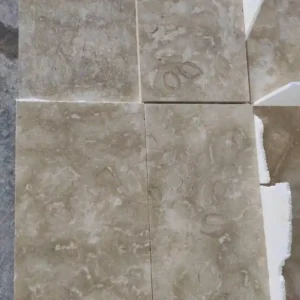
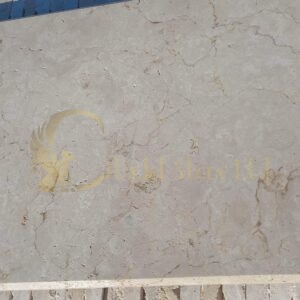
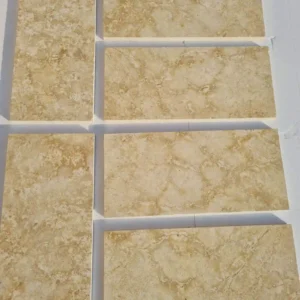
Lighter travertine colors—ivory, beige, and light walnut—demonstrate excellent UV stability with minimal color shift over decades. These tones naturally reflect 60-70% of solar radiation, contributing to cooler surface temperatures and stable appearance. Citadel Stone’s classic travertine in ivory and beige tones represents the most specified colors for Arizona commercial projects specifically because of this proven stability.
Mid-range colors like noce and Tuscany show more character with natural variation in veining and shading. You’ll see some mellowing of the darker tones within the first 12-18 months of Arizona exposure, after which the color stabilizes. This isn’t deterioration—it’s the natural patina development that many architects specify intentionally for the lived-in appearance it creates.
Darker travertine colors present more challenges. While visually striking in sample boards, walnut and chocolate tones can show more pronounced fading in full Arizona sun exposure. If your design requires darker tones, specify them for shaded areas, north-facing installations, or applications with overhead protection. Citadel’s technical team can provide UV exposure testing data for specific color selections when project conditions warrant detailed analysis.
Wholesale and Procurement Strategies
When you’re sourcing travertine pavers wholesale in Arizona for larger commercial projects, understanding pricing structures and volume break points affects project budgets significantly. Citadel Stone’s travertine wholesale in Arizona pricing typically shows meaningful reductions at 2,000, 5,000, and 10,000 square foot order quantities, though exact thresholds vary by material grade and finish type.
Working with a travertine yard in Arizona that maintains inventory versus ordering direct import involves trade-offs you should evaluate based on project timelines. Direct import provides the lowest per-unit cost but requires 10-14 week lead times, full container commitment (typically 2,500-3,500 square feet minimum), and assumes the risk of material that doesn’t match approved samples. Citadel Stone’s warehouse approach lets you verify actual material before commitment and provides flexibility for phased projects or schedule changes.
You’ll also need to factor in these procurement considerations:
- Material overages for cuts, breakage, and future repairs—typically 8-10% for rectangular formats, 12-15% for patterns
- Storage requirements and protection if delivery occurs before installation crews are ready
- Freight costs from warehouse to job site, particularly for remote Arizona locations where truck access may be limited
- Coordination of multiple material deliveries for large projects to avoid on-site storage constraints
Citadel Stone’s procurement team works directly with commercial contractors to sequence deliveries with installation progress, reducing on-site material management requirements and minimizing exposure to damage before installation.
Long-Term Maintenance and Sealing Requirements
The maintenance requirements you communicate to clients directly affect their satisfaction with Travertine Stone in Arizona installations. You need to be realistic about what ongoing care these materials require in Arizona’s harsh environment.
Initial sealing should occur after installation and joint stabilization, typically 30-45 days post-installation once any efflorescence has surfaced and been cleaned. You’ll want to specify a penetrating siloxane or silane-based sealer that won’t create surface film. Film-forming sealers trap moisture, create adhesion points for dirt, and often fail within 12-18 months in Arizona’s UV environment.
Here’s the maintenance schedule you should recommend for Citadel Stone travertine installations:
- Routine cleaning with pH-neutral stone cleaner and water every 2-4 weeks for commercial applications
- Annual deep cleaning using low-pressure washing (under 1,500 PSI) to remove accumulated organic matter
- Resealing every 2-3 years for commercial installations, 3-5 years for residential, depending on traffic and exposure
- Immediate stain treatment using poultice applications for organic stains or oil-based contamination
The reality is that travertine requires more maintenance than concrete pavers but substantially less than many architects expect. Most issues arise from deferred maintenance rather than material failure. When clients follow recommended care protocols, Citadel Stone’s travertine installations maintain appearance and performance for 30-50 years in Arizona conditions.
One maintenance advantage specific to Arizona: the dry climate naturally inhibits the biological growth (algae, moss, mildew) that plagues travertine installations in humid regions. You won’t be dealing with the regular chemical treatments or pressure washing that coastal or southeastern installations require.
Common Specification Mistakes to Avoid
After working with Citadel Stone travertine installations throughout Arizona, certain specification errors appear repeatedly. You’ll save yourself change orders and performance complaints by addressing these issues in your initial project documents.
The most common mistake is under-specifying joint width. You need minimum 3/8-inch joints for travertine pavers, increased to 1/2 inch for installations larger than 500 square feet or areas with significant sun exposure. Installers often want tighter joints for aesthetic reasons, but thermal expansion will cause buckling within the first summer if joints are inadequate. Make joint dimensions a non-negotiable specification item.
Another frequent error involves drainage planning. While travertine itself drains well, your installation must direct water away from buildings and prevent standing water. You should specify positive drainage with 2-3% slope and prohibit perfectly level installations regardless of installer preference. Even Arizona’s brief but intense storms can create drainage problems if slopes are inadequate.
Don’t specify mortar-set installations for exterior Arizona applications. The material physics don’t work—differential thermal expansion between travertine, mortar, and substrate creates debonding. Dry-set installations consistently outperform bonded assemblies in Arizona’s thermal conditions, despite what some installers trained in other climates may claim.
Finally, pay attention to transition details where travertine meets other materials. Aluminum or stainless steel transition strips provide necessary expansion accommodation while creating clean visual lines. Failing to detail these transitions properly results in cracked stone or failed joints at material interfaces.
Cost-Performance Analysis
When you’re justifying Travertine Stone in Arizona to clients focused on first costs, you need a complete cost-performance framework that accounts for lifecycle value rather than just initial material pricing.
Citadel Stone’s travertine pavers supplier in Arizona pricing typically ranges from $8-18 per square foot depending on grade, finish, and format, with installation adding $6-12 per square foot for professional crews. That initial cost exceeds concrete pavers by 40-60% and standard flagstone by 20-30%. However, the performance advantages justify the premium for many applications.
Consider the total installed cost over a 25-year performance period:
- Travertine requires less frequent replacement than concrete pavers, which typically show significant deterioration after 15-20 years in Arizona heat
- The material’s thermal properties reduce cooling costs for adjacent interior spaces by 3-8% compared to dark concrete or asphalt surfaces
- Maintenance costs remain lower than many alternatives because travertine doesn’t require regular sealing like concrete or frequent repairs like tile
- Aesthetic stability means no fading or discoloration that might trigger expensive replacement for appearance reasons
The cost equation shifts favorably for travertine in high-visibility commercial applications where appearance, performance, and lifecycle value carry more weight than first cost. For budget-constrained residential projects, you might need to recommend limiting travertine to high-impact areas while using less expensive materials for secondary spaces.
When you source travertine from Citadel Stone’s inventory, you’re also avoiding the hidden costs that come with direct import—customs delays, material that doesn’t match samples, and the carrying costs of ordering full containers before you’re ready to install.
Citadel Stone — Premier Travertine Distributor in Arizona for Diverse Regional Applications
Working as the leading Travertine Distributor in Arizona, Citadel Stone provides hypothetical specification guidance for projects throughout the state’s diverse climate zones. Our approach would emphasize matching travertine characteristics to specific regional conditions, from low-desert heat to high-elevation freeze-thaw environments. The following city-specific recommendations illustrate how Citadel Stone’s expertise would address Arizona’s varied installation challenges.
You’ll find that Arizona’s geographic diversity demands regionally adapted approaches to travertine selection and installation. While all locations share intense UV exposure, elevation differences create dramatically different thermal and moisture conditions that affect material performance. Citadel Stone’s travertine tile suppliers in Arizona operations would address these regional variables through careful material selection and installation guidance specific to each market.
Phoenix Heat Management
For Phoenix installations, Citadel Stone would recommend lighter travertine colors in tumbled or brushed finishes to minimize surface temperatures during the extended summer season when ambient temperatures exceed 110°F for weeks at a time. Your specifications should include filled travertine to create uniform walking surfaces that won’t trap debris in natural voids. The low humidity and minimal freeze-thaw exposure in Phoenix allow you to use slightly higher porosity grades that provide superior thermal moderation. Joint spacing becomes critical here—you’d want 1/2-inch joints for installations larger than 300 square feet to accommodate the extreme thermal expansion that occurs during Phoenix’s brutal summer months.
Tucson Elevation Considerations
Tucson’s slightly higher elevation and increased monsoon activity would lead Citadel Stone to recommend denser travertine grades with lower water absorption rates, particularly for commercial applications. You should specify positive drainage more aggressively here than in Phoenix—minimum 2.5% slope rather than 2%—because Tucson receives more concentrated rainfall during summer storm events. The city’s somewhat more moderate summer temperatures allow for mid-range travertine colors that might be too dark for Phoenix installations. Citadel’s technical team would emphasize proper sealing for Tucson projects to protect against the increased moisture exposure while maintaining the material’s thermal performance characteristics.
Scottsdale Luxury Applications
Scottsdale’s high-end residential and resort market would see Citadel Stone recommending premium-grade travertine with consistent coloration and minimal natural variation. You’d likely specify filled and honed finishes for the refined aesthetic that Scottsdale clients expect, though pool deck applications would still require tumbled or brushed finishes for slip resistance. The city’s focus on outdoor living spaces makes travertine an ideal choice—its thermal properties create comfortable barefoot surfaces even during peak afternoon heat. Citadel Stone would provide detailed maintenance protocols for Scottsdale installations since these clients typically want pristine appearance maintained over decades, requiring more frequent professional cleaning and sealing than standard residential applications.
Flagstaff Freeze-Thaw Performance
Flagstaff’s 7,000-foot elevation creates Arizona’s most challenging travertine installation environment. Citadel Stone would specify only commercial-grade travertine with maximum water absorption under 3% for this market, ensuring adequate freeze-thaw resistance through 100+ annual freeze-thaw cycles. Your base preparation specifications should include deeper aggregate bases—8 inches minimum rather than 6—and you’d need to address frost heave potential that doesn’t exist in lower-elevation Arizona locations. Darker travertine colors work well in Flagstaff since snow cover protects against UV exposure for several months annually, and the darker tones provide beneficial solar heat gain during spring and fall. Citadel’s Flagstaff recommendations would emphasize proper sealing before winter and spring moisture penetration.
Sedona Aesthetic Integration
Sedona’s iconic red rock landscape would lead Citadel Stone to recommend warmer travertine tones—noce, Tuscany blend, and light walnut—that complement rather than contrast with the surrounding geology. You’ll find that clients in this market particularly value the natural variation in travertine that echoes the stratified appearance of Sedona’s native formations. The moderate elevation provides some freeze-thaw exposure, so you should specify mid-grade travertine at minimum, with commercial grade for any high-traffic applications. Citadel Stone’s Sedona approach would emphasize natural, unfilled travertine finishes that maintain organic character appropriate to the setting, though this requires more careful maintenance communication to clients who may not be prepared for the additional care unfilled material requires.
Yuma Extreme Heat Conditions
Yuma’s position as one of America’s hottest and driest cities would drive Citadel Stone to recommend exclusively light-colored travertine in tumbled finishes that maximize thermal performance. You’re dealing with summer surface temperatures that can exceed 170°F, making material selection critical for usable outdoor spaces. The virtually nonexistent freeze-thaw exposure and minimal precipitation allow you to prioritize thermal properties over moisture resistance. Citadel Stone would recommend wider joint spacing—minimum 1/2 inch regardless of installation size—and might suggest lighter-weight travertine tiles rather than thick pavers for some applications to reduce thermal mass and improve comfort. The travertine remnants in Arizona inventory at Citadel’s warehouse could provide cost-effective solutions for smaller Yuma residential projects where budget constraints are significant.
Regional Expertise Matters
Specifying Travertine Stone in Arizona successfully requires understanding how the state’s diverse climate zones affect material performance over decades, not just during the first year after installation. You can’t apply generic travertine specifications developed for moderate climates and expect optimal results in Arizona’s extremes. The material selection, finish type, installation methods, and maintenance protocols all need to account for intense UV exposure, dramatic temperature swings, and occasional but severe precipitation events.
Citadel Stone’s position in the Arizona market provides you with access to technical expertise that comes from years of material performance observation across the state’s varied conditions. You’ll get better project outcomes when you work with suppliers who understand the difference between what works in Phoenix versus Flagstaff, or how Tucson’s monsoon patterns affect sealer selection compared to Yuma’s minimal rainfall. That regional knowledge—combined with warehouse inventory that eliminates extended import lead times—makes project execution smoother and results more predictable.
When you’re ready to specify travertine for your next Arizona project, the material characteristics that make it perform well in this challenging environment are well documented. What’s less obvious is how finish selection, installation details, and maintenance protocols need to adapt to specific site conditions. That’s where working with knowledgeable travertine manufacturers in Arizona partners like Citadel Stone makes the difference between installations that merely survive and those that excel over decades of service. For additional technical guidance on material selection and installation best practices, explore Natural stone products for Arizona construction and landscaping projects before finalizing your project specifications. For the most resilient Travertine Stone Arizona has to offer look no further than the premium collections available at Citadel Stone.