
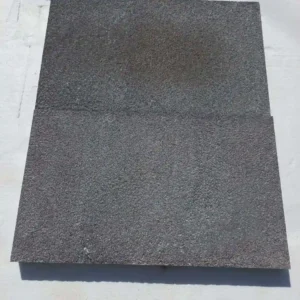
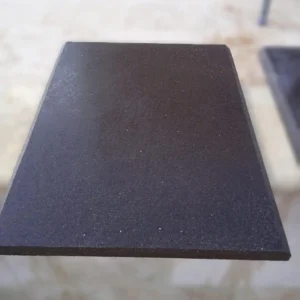
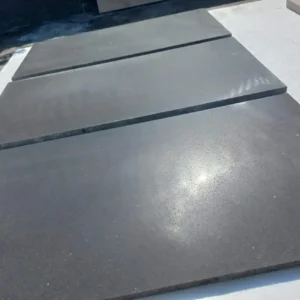
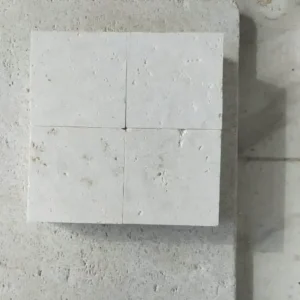
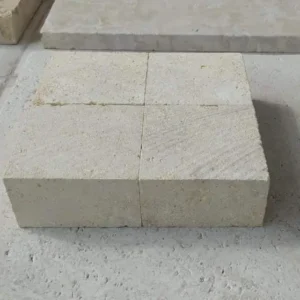
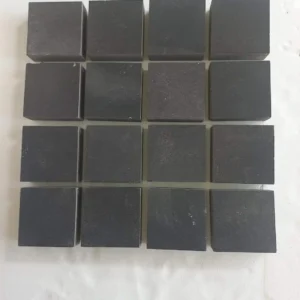
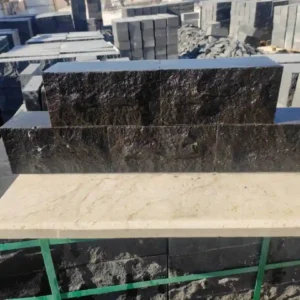
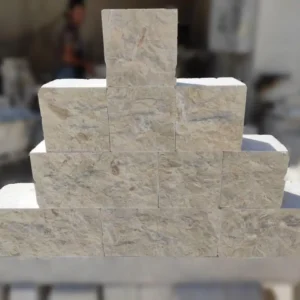
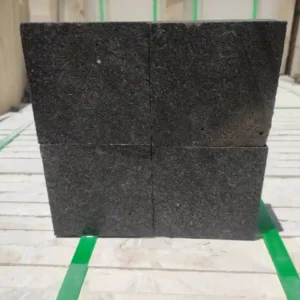
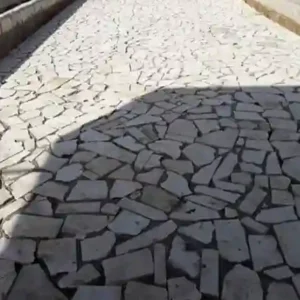
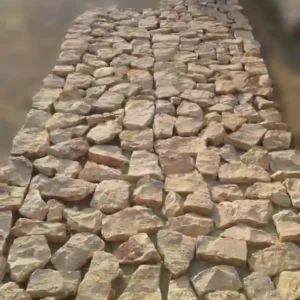
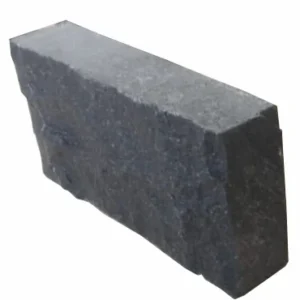
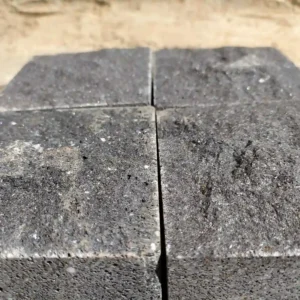
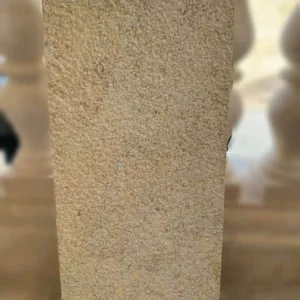

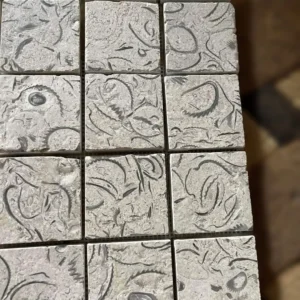
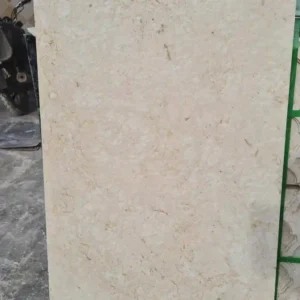
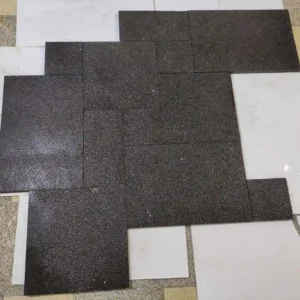
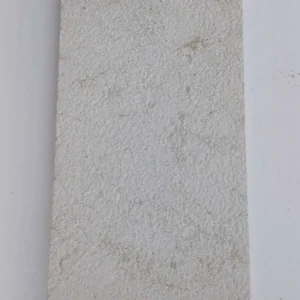
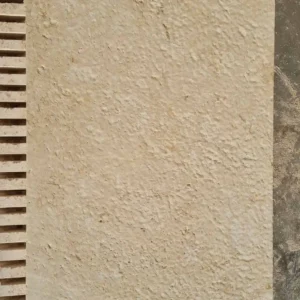
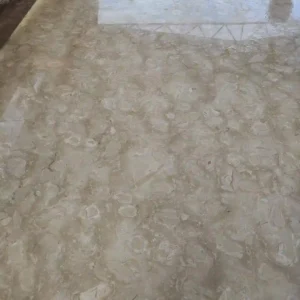
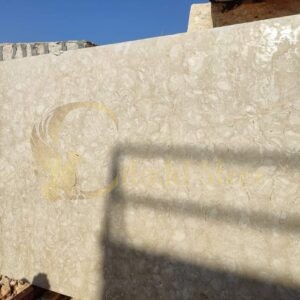
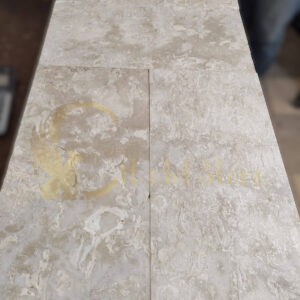
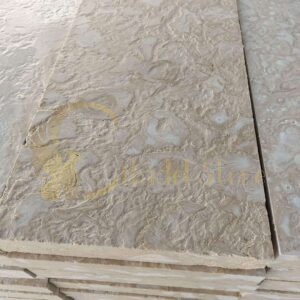
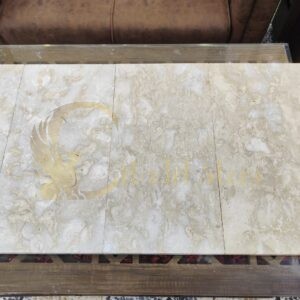
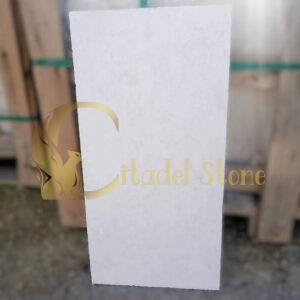
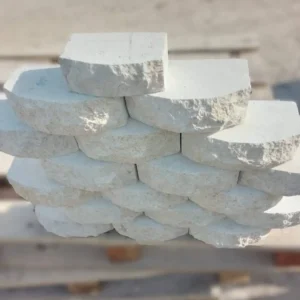
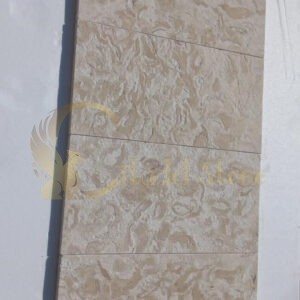
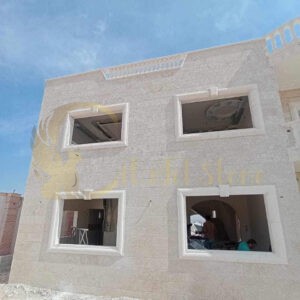
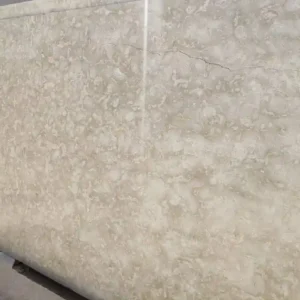
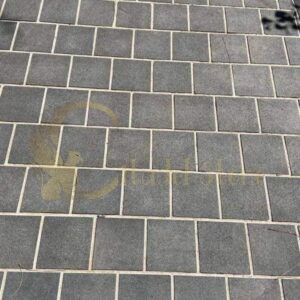
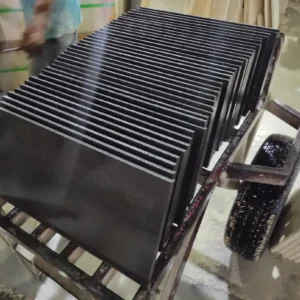
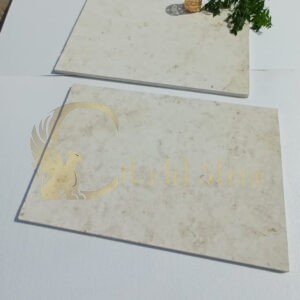
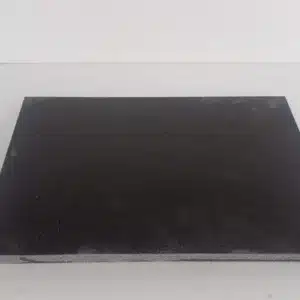
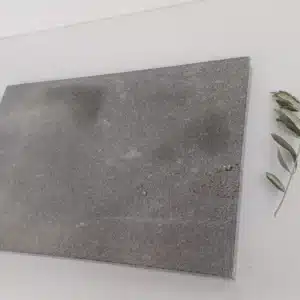
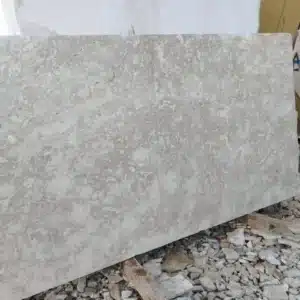
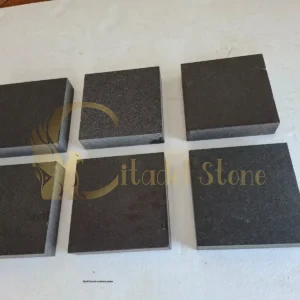
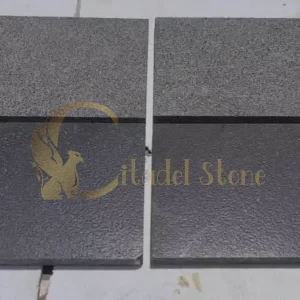
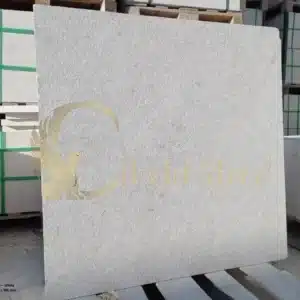
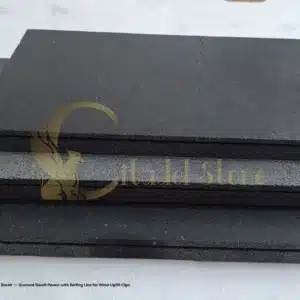
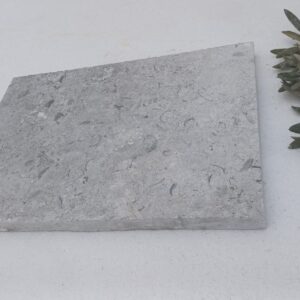
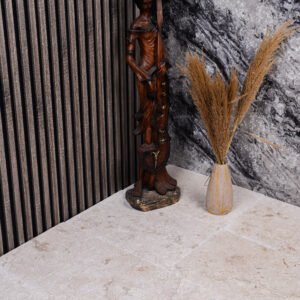
When you’re selecting stone building materials in Arizona, you’re dealing with one of the most demanding climates in North America. Citadel Stone products need to withstand extreme heat, intense UV exposure, and dramatic temperature swings that would compromise lesser materials. The reality is that Arizona’s environment tests every aspect of stone performance—from thermal expansion coefficients to surface degradation rates. You’ll find that proper material selection makes the difference between a project that performs beautifully for decades and one that shows distress within the first year.
Citadel Stone has developed expertise in matching stone building materials Arizona projects with the right products for extreme desert conditions. Whether you’re specifying pavers for a Scottsdale resort or selecting veneer for a Tucson commercial facade, the material science matters more here than in temperate climates. Your specification decisions need to account for surface temperatures exceeding 160°F, minimal moisture cycling, and aggressive solar radiation that accelerates degradation in unsuitable materials.
Thermal Performance Requirements
Arizona’s extreme heat creates thermal stress that most stone building supplies in Arizona must accommodate. Surface temperatures on dark-colored stone can reach 170°F during summer afternoons, causing expansion that generates significant stress at joints and connections. Citadel Stone materials exhibit thermal expansion coefficients ranging from 4.0 to 6.5 microinches per inch per degree Fahrenheit, depending on mineral composition and density.
You’ll need to factor these expansion rates into joint spacing calculations. For a 20-foot limestone run experiencing a 100°F temperature swing, you’re looking at approximately 1/8 inch of expansion. That’s why experienced specifiers working with building stone for sale in Arizona typically specify expansion joints every 15-20 feet for horizontal applications and every 12-15 feet for vertical installations. Skimp on this critical detail, and you’ll see cracking, spalling, or displacement within the first seasonal cycle.
- Light-colored Citadel Stone materials reflect 60-70% of solar radiation, reducing surface temperatures by 20-30°F compared to darker options
- Thermal mass benefits work both ways—stone building supplies in Arizona absorb heat during day cycles and release it slowly, which matters for both comfort and structural stability
- Differential expansion between stone and substrate requires isolation membranes or slip sheets in many commercial applications
- Morning freeze events in elevated Arizona locations like Flagstaff create additional thermal shock considerations that don’t exist in lower desert installations
Material Selection Criteria
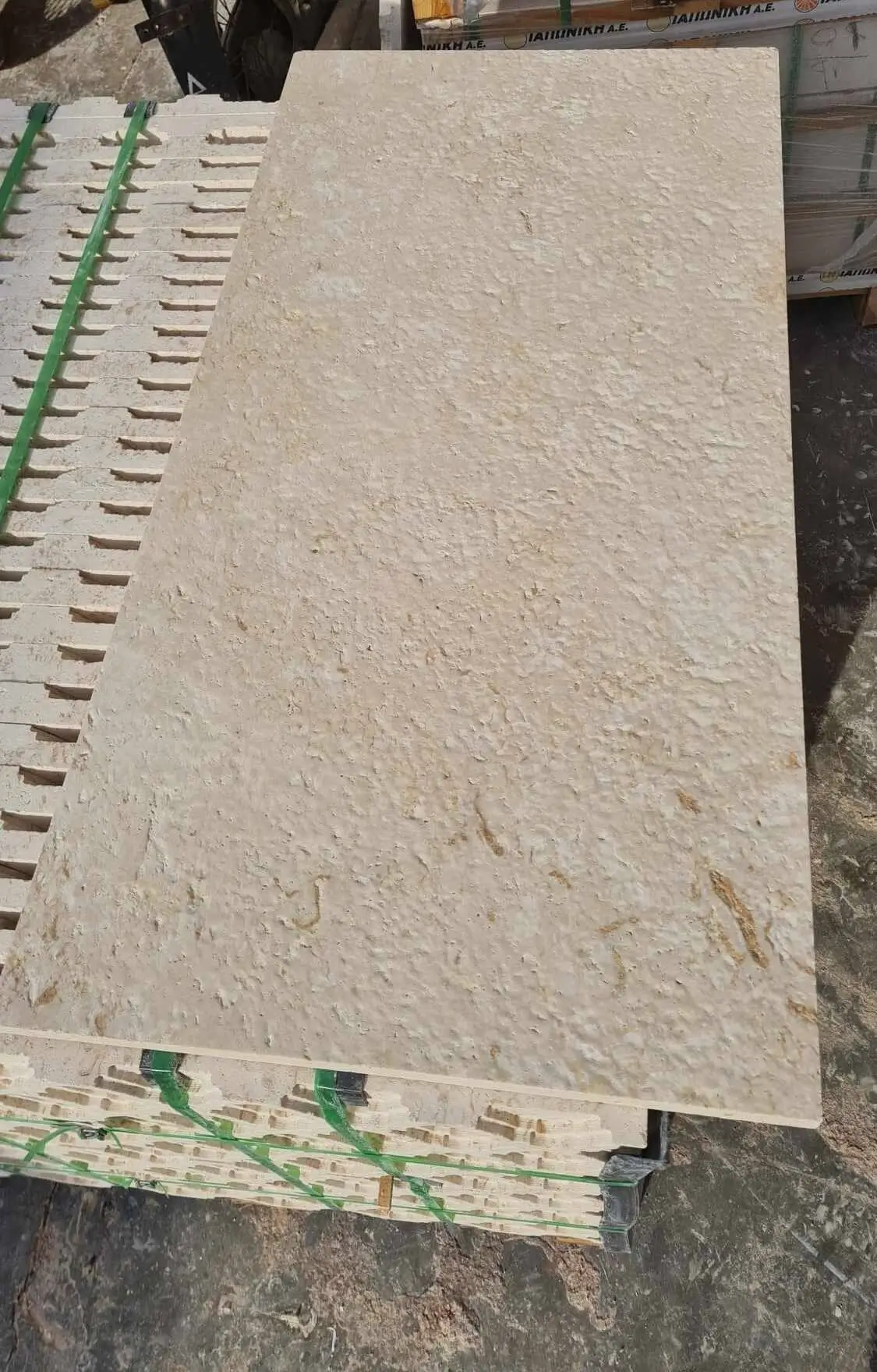
Selecting the right building stone supplies in Arizona starts with understanding how different lithologies perform under desert conditions. Citadel Stone’s portfolio includes sedimentary, metamorphic, and igneous options, each with distinct performance characteristics. Limestone and sandstone offer excellent workability and thermal properties but require consideration of porosity in areas with monsoon exposure. Granite and quartzite deliver superior hardness and weather resistance but come with higher material costs and more limited color palettes.
The porosity factor matters more than most specifiers initially recognize. Building stones for sale in Arizona with porosity above 3% require sealed surfaces in applications with potential moisture exposure—even though Arizona’s dry climate might suggest otherwise. Monsoon season brings intense rainfall that can drive water into interconnected pore structures, and when that water encounters dissolved salts or minerals, you’re setting up efflorescence problems. Citadel Stone recommends porosity testing per ASTM C97 for any material you’re considering for high-visibility applications.
Your color stability requirements should drive lithology selection. Sedimentary stones like limestone and sandstone can experience slight color shifts after extended UV exposure, typically within the first 12-18 months before stabilizing. Metamorphic materials like marble show excellent color retention but may be cost-prohibitive for large-scale projects. For guidance on pavement applications specifically, see our stone building supplies collection for detailed performance comparisons. Igneous stones deliver the most consistent long-term appearance but offer fewer warm earth tones that complement desert architecture.
Compressive Strength Standards
Don’t overlook the structural requirements when specifying stone masonry materials in Arizona. ASTM C170 establishes minimum compressive strength values, but you’ll want materials exceeding these thresholds for most commercial applications. Citadel Stone products typically demonstrate compressive strengths between 8,000 and 25,000 PSI, depending on stone type. That’s critical for column wraps, structural veneer, and any application where the stone contributes to load distribution.
- Limestone options from Citadel Stone generally achieve 8,000-12,000 PSI, suitable for most architectural applications
- Sandstone varieties typically fall in the 6,000-10,000 PSI range, requiring careful evaluation for high-stress installations
- Granite and quartzite regularly exceed 20,000 PSI, providing substantial safety factors for demanding structural applications
- Verify compressive strength perpendicular to bedding planes for sedimentary materials, as this orientation often shows 20-30% lower values than parallel testing
Installation Considerations
Arizona’s climate demands modified installation practices compared to temperate regions. The substrate preparation phase becomes even more critical when you’re working with materials that’ll face 140°F surface temperatures and dramatic day-night temperature swings. Citadel Stone materials require stable, properly compacted bases that won’t shift or settle under thermal cycling. You’re looking at minimum 6-inch compacted aggregate bases for pedestrian hardscape stone in Arizona applications, increasing to 8-10 inches for vehicular loads.
The mortar and setting bed specifications need adjustment for desert conditions. Standard portland cement-based mortars can become too rigid for Arizona’s thermal expansion requirements. You’ll want to specify polymer-modified mortars or thin-set products with flexibility ratings appropriate for the expected thermal movement. Most experienced installers working with stone building materials Arizona projects use products with elongation ratings of at least 3-5% to accommodate the expansion and contraction cycles without bond failure.
Here’s what commonly gets overlooked: substrate moisture content at installation time. Arizona’s low humidity means concrete slabs and mortar beds dry faster than in humid climates, potentially creating weak bonds if you’re not adjusting cure times and application procedures. Citadel Stone recommends moisture testing substrates before stone installation, targeting moisture levels below 4% for most applications. Rush this phase, and you’ll see delamination issues within months, particularly on horizontal surfaces exposed to thermal stress.
Joint Spacing Calculations
Joint design requires more attention in Arizona than most specifiers allocate. The thermal expansion we discussed earlier translates directly into joint spacing requirements and joint material selection. Citadel Stone building stone for sale in Arizona installations typically use joints ranging from 1/4 inch to 3/8 inch width for most applications, but the spacing interval matters just as much as the joint width itself.
- Limestone and sandstone installations require expansion joints every 15-20 feet in horizontal applications
- Granite and quartzite can extend to 20-25 feet between expansion joints due to lower thermal expansion coefficients
- Vertical applications need joints every 12-18 feet depending on material and substrate type
- Joint sealant selection matters—you need products rated for thermal movement of at least ±25% to handle Arizona’s temperature extremes
- Color-matched joint materials from Citadel Stone’s suppliers maintain aesthetic consistency while providing necessary flexibility
Performance Durability Factors
Long-term durability in Arizona depends on factors beyond initial material selection. Stone masonry products in Arizona face UV degradation, wind-driven sand abrasion, and chemical exposure from dust and occasional pollutants. Citadel Stone products demonstrate different resistance levels to these factors based on mineral composition, surface finish, and density characteristics. Understanding these variables helps you set realistic performance expectations with clients and avoid premature maintenance issues.
UV exposure in Arizona exceeds most other North American locations by 20-40% depending on elevation and latitude. This intense radiation affects organic-rich stones like some limestones and can cause slight color fading in materials with iron oxide pigmentation. The good news is that this color shift typically stabilizes within 12-18 months, after which further change becomes negligible. Citadel Stone samples can show you the expected post-weathering appearance so you’re not surprised by the natural adjustment period.
Abrasion resistance becomes critical for horizontal surfaces, particularly in high-traffic areas or locations exposed to wind-blown sand. The Mohs hardness scale provides basic guidance—limestone and marble at 3-4, sandstone at 6-7, granite at 7-8. But real-world performance also depends on surface finish and grain structure. A flamed granite from Citadel Stone’s inventory will show different wear patterns than polished marble, even though both serve well in appropriate applications. You’ll want to match the abrasion resistance to the expected use intensity and maintenance frequency.
Moisture Salt Interactions
Even in Arizona’s dry climate, moisture dynamics affect stone performance. Monsoon rains, irrigation overspray, and occasional freeze events create moisture exposure that interacts with mineral salts in both the stone and adjacent materials. Efflorescence—those white crystalline deposits that appear on stone surfaces—results from water-soluble salts migrating through the stone and crystallizing at the surface as water evaporates.
Citadel Stone recommends evaluating both the stone’s inherent salt content and potential salt sources in adjacent materials like mortar, concrete, or soil. Building supplies stone in Arizona installations should include barriers between the stone and any material with high alkalinity or salt content. That means using bond breakers, waterproofing membranes, or isolation materials in many commercial applications. The cost of prevention runs about 5-10% of material costs; the cost of remediation after efflorescence appears can exceed 40% of the original installation cost.
- Water absorption rates below 0.5% minimize efflorescence risk in most Citadel Stone products
- Sandstone materials with absorption rates of 2-4% require sealed surfaces for optimal long-term appearance
- Back-surface waterproofing on vertical installations prevents moisture migration from substrates
- Drainage details matter more than most specifiers realize—provide weep holes and drainage planes to evacuate any moisture that does penetrate
Cost Performance Tradeoffs
Let’s address the budget reality. Stone materials in Arizona projects typically represent 15-35% of total hardscape or facade costs, depending on product selection and installation complexity. Citadel Stone’s portfolio ranges from economical sandstone and limestone options starting around $12-18 per square foot installed, to premium granite and imported materials reaching $45-75 per square foot for complex installations. You’ll need to balance your performance requirements against project budgets while maintaining realistic expectations about what each price point delivers.
The temptation to value-engineer by reducing stone thickness or choosing lower-grade materials creates long-term risks that often aren’t apparent during initial evaluation. A 1-inch thick paver might save 20% compared to 1.5-inch material, but that thinner profile offers less thermal mass, higher breakage risk during installation, and reduced impact resistance during service life. Citadel Stone’s experience shows that the optimal value point usually sits in the mid-range products—not the absolute cheapest options, but not the most expensive either unless specific performance requirements justify the premium.
Here’s what the cost comparison actually looks like for typical Arizona applications. Economical sedimentary stones like select limestone or regional sandstone deliver excellent performance at $15-22 per square foot installed. Mid-range options including premium limestone, bluestone, and standard granite run $25-40 per square foot. High-end selections like exotic granite, imported marble, or specialty quartzite reach $50-80 per square foot. The price differences reflect not just material costs but also fabrication complexity, shipping distances, and waste factors during cutting and fitting.
Lifecycle Cost Analysis
Smart specification decisions account for maintenance costs over the expected service life. Stone landscaping materials in Arizona require different maintenance intensities depending on material selection and surface finish. Sealed limestone might need resealing every 3-5 years at $2-4 per square foot. Granite and quartzite require minimal maintenance beyond occasional cleaning, essentially zero recurring costs for 15-20 years. Factor these maintenance cycles into your total cost of ownership calculations.
- Citadel Stone’s sealed limestone products require resealing every 4-6 years for optimal performance
- Granite and quartzite options deliver virtually maintenance-free service for 20+ years
- Traffic intensity affects maintenance frequency more than climate in Arizona’s dry environment
- Budget approximately $1.50-3.00 per square foot annually for routine cleaning and periodic maintenance on most stone materials
- Damage replacement costs run 3-5 times higher than initial installation costs due to access challenges and color-matching requirements
Specification Documentation
Your specification documents need sufficient detail to ensure contractor compliance and avoid substitution issues. Citadel Stone recommends performance-based specifications that define required characteristics rather than prescriptive specifications that limit product options unnecessarily. Include minimum thresholds for compressive strength (typically 8,000 PSI minimum), water absorption (usually under 3%), and slip resistance (DCOF 0.50 minimum for wet surfaces).
Don’t rely on generic stone names like “limestone” or “sandstone” in your specs. These categories include vast performance ranges. Instead, reference specific quarry sources, ASTM standards, and physical properties. A specification reading “limestone meeting ASTM C568, minimum compressive strength 9,500 PSI, maximum absorption 2.5%, from approved quarries including Citadel Stone’s inventory” gives you protection against inferior substitutions while allowing reasonable contractor flexibility.
Sample approval procedures protect both you and the client. Require full-size samples showing typical color range, finish quality, and any natural characteristics like veining or fossil content. Citadel Stone provides sample sets that represent the actual production run variation, not idealized showroom pieces. Review these samples under both interior and exterior lighting conditions, as appearance shifts significantly between environments. Establish acceptable variation ranges in writing before fabrication begins to avoid disputes during installation.
Testing Verification Protocols
Verification testing ensures the delivered materials match specification requirements. For significant commercial projects using hardscape stone in Arizona, consider requiring certified test results for compressive strength (ASTM C170), flexural strength (ASTM C880), water absorption (ASTM C97), and abrasion resistance (ASTM C241). These tests add $800-2,000 to project costs but provide documentation that protects all parties if performance issues emerge.
- ASTM C170 compressive strength testing confirms structural adequacy
- ASTM C880 flexural strength testing matters for spanning applications
- ASTM C97 absorption and bulk specific gravity testing verifies moisture resistance
- ASTM C241 abrasion resistance testing predicts long-term wear performance
- Citadel Stone maintains test data for primary product lines, available upon request
Common Specification Mistakes
Over twenty years working with building stone supplies in Arizona, certain mistakes appear repeatedly. The most common error is under-specifying base preparation in the pursuit of budget savings. That 6-inch compacted aggregate base isn’t optional for Citadel Stone paver installations—it’s essential for long-term performance. Cut that to 4 inches, and you’re looking at settlement issues within 18-24 months that’ll cost far more to remediate than the initial savings.
Another frequent problem is ignoring thermal expansion requirements in joint design. Specifiers accustomed to temperate climates often carry over joint spacing standards that don’t account for Arizona’s extreme temperature swings. The result: cracked stones, displaced units, or failed joint sealants within the first year. You need those expansion joints every 15-20 feet, regardless of how it affects the visual rhythm of the installation. Physics doesn’t negotiate on this point.
The third major mistake is specifying inappropriate sealers or not specifying sealers at all when they’re needed. Porous stone masonry materials in Arizona benefit from penetrating sealers that reduce water absorption without creating surface films that trap moisture. But you can’t apply just any sealer—the product needs to be breathable, UV-stable, and compatible with Arizona’s thermal extremes. Citadel Stone recommends specific sealer products that we’ve seen perform consistently across thousands of installations.
- Under-specified base preparation leads to premature settling and cracking
- Inadequate expansion joint spacing causes thermal stress failures
- Wrong sealer selection traps moisture or fails under UV exposure
- Insufficient edge restraint allows perimeter units to shift or tip
- Missing drainage provisions create water accumulation and efflorescence
- Inadequate substrate moisture testing leads to bonding failures
Warehouse Logistics Planning
Project timing requires coordination with Citadel Stone warehouse inventory and delivery schedules. Standard stocked items ship within 5-7 business days to most Arizona locations. Custom fabrication or special-order materials extend lead times to 4-8 weeks depending on quarry production schedules and transportation logistics. You’ll want to verify warehouse availability during the planning phase, not after you’ve committed to aggressive project timelines.
Truck access to your installation site matters more than many specifiers consider during planning. Stone building materials Arizona deliveries typically arrive on flatbed trucks or specialized stone carriers that need 12-14 feet of vertical clearance and adequate turning radius. Restricted urban sites or remote locations require additional planning for material transfer from delivery vehicle to installation location. Factor this logistics complexity into your schedule and budget—it can add 10-20% to installed costs in challenging access scenarios.
Storage requirements at the job site protect materials before installation. Citadel Stone materials arrive crated or palletized, requiring flat, stable staging areas protected from direct ground contact. You’ll need approximately 150-200 square feet of staging area per 2,000 square feet of stone material. Plan for this space during site logistics development, particularly on constrained urban sites where staging area comes at a premium.
Citadel Stone — Best Stone Building Materials Arizona — Regional Application Guide
Citadel Stone has developed specific expertise in matching stone building materials in Arizona to the unique requirements of different regions across the state. This guidance represents our professional approach to hypothetical projects in major Arizona markets, demonstrating how we would specify materials to address local climate conditions, architectural preferences, and performance requirements. The following recommendations reflect Citadel Stone’s understanding of regional variations and our commitment to appropriate material selection for Arizona’s diverse environments.
Each Arizona city presents distinct considerations that affect stone material performance and selection. Desert valley locations face maximum heat stress and UV exposure, while elevated communities deal with occasional freeze-thaw cycling in addition to summer heat. Citadel Stone’s regional expertise helps you navigate these variables to specify materials that’ll perform reliably across Arizona’s climatic diversity.
Phoenix Applications
For Phoenix installations, you’d want to prioritize heat reflectivity and thermal mass management. Citadel Stone’s light-colored limestone and sandstone options reflect 60-70% of solar radiation, reducing surface temperatures significantly compared to darker materials. The valley’s intense summer heat creates surface temperatures exceeding 165°F on dark stone, making color selection critical for pedestrian comfort. You’d typically specify 1.5-inch thickness for commercial pavers to provide adequate thermal mass that moderates temperature swings. Joint spacing every 18-20 feet accommodates the thermal expansion from 120°F daily temperature variations common in Phoenix summers. Citadel Stone would recommend sealed surfaces for any material with porosity above 2% to minimize dust accumulation in the urban environment.
Tucson Considerations
Tucson’s slightly higher elevation and monsoon exposure would guide us toward materials with lower porosity and excellent drainage characteristics. Citadel Stone’s quartzite and dense granite options perform exceptionally well in Tucson’s environment, offering superior weather resistance during monsoon season while maintaining thermal stability during summer heat. You’d want to emphasize drainage plane design in horizontal applications, with minimum 2% slope to prevent water accumulation during intense rainfall events. The region’s architectural preference for warm earth tones aligns well with Citadel Stone’s sandstone and select limestone offerings. We’d recommend surface sealing for sedimentary materials and specify expansion joints every 16-18 feet for most commercial applications in Tucson’s temperature range.
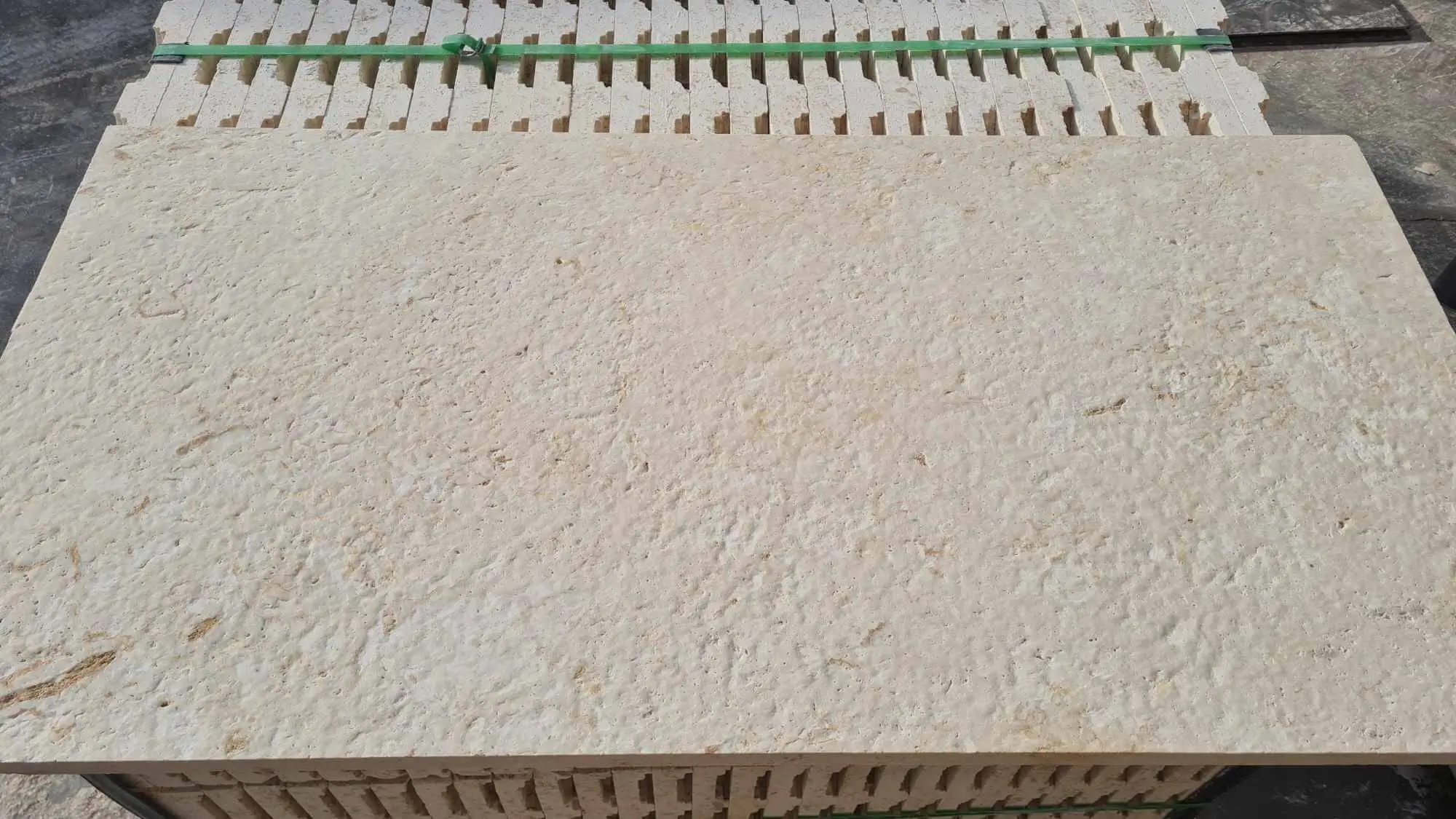
Scottsdale Projects
Scottsdale’s resort and high-end residential market typically demands premium aesthetics alongside reliable performance. Citadel Stone would recommend our premium limestone, bluestone, and select granite options that deliver the refined appearance this market expects. You’d specify honed or thermal finishes rather than rough-split surfaces, achieving the sophisticated look that characterizes Scottsdale architecture. The resort environment requires DCOF slip resistance ratings above 0.55 for pool deck and water feature applications, pointing toward textured finishes on dense materials. Citadel Stone’s bluestone options excel in these applications. Color consistency becomes more critical in upscale installations, so we’d provide extended sample sets showing production run variation. Joint details would emphasize clean lines with color-matched sealants maintaining visual continuity.
Flagstaff Climate Factors
Flagstaff’s 7,000-foot elevation introduces freeze-thaw cycling that doesn’t affect lower Arizona locations. Citadel Stone would specify materials with water absorption below 1% and verified freeze-thaw durability per ASTM C666 for Flagstaff applications. Granite and dense quartzite become the preferred options, offering reliable performance through winter freeze cycles and summer heat. You’d need to account for snow load in horizontal applications, requiring thicker materials—typically 2 inches minimum—and enhanced substrate preparation with 8-10 inch compacted bases. Flagstaff’s lower temperatures mean reduced thermal expansion stress, allowing slightly longer joint spacing at 20-24 feet intervals. Citadel Stone would emphasize drainage design to prevent water accumulation that could freeze and cause damage during winter months.
Sedona Aesthetics
Sedona’s red rock landscape creates unique aesthetic expectations that influence material selection. Citadel Stone would typically recommend sandstone and select limestone in warm earth tones that complement rather than compete with the natural surroundings. The region’s tourism-focused architecture emphasizes natural appearance, pointing toward cleft or natural-edge materials rather than highly finished surfaces. You’d want to balance this aesthetic preference against performance requirements—Sedona’s elevation creates moderate freeze-thaw exposure requiring materials with adequate density and low absorption. Citadel Stone’s regional sandstone options deliver the desired appearance with proper sealing to ensure long-term durability. The hospitality focus means high foot traffic in many applications, requiring abrasion-resistant materials and textured finishes for slip resistance.
Mesa Commercial Use
Mesa’s large-scale commercial and municipal projects would benefit from Citadel Stone’s cost-effective limestone and standard granite options that balance performance with budget constraints. You’d typically specify materials in the $18-28 per square foot installed range for these applications, focusing on proven durability rather than premium aesthetics. Mesa’s valley location creates similar heat stress to Phoenix, requiring light-colored materials and adequate thermal expansion provisions. The city’s extensive retail and public space installations demand high abrasion resistance and minimal maintenance requirements over 15-20 year service lives. Citadel Stone would recommend sealed limestone or unfinished granite depending on budget parameters, with joint spacing every 18-20 feet and minimum 1.5-inch thickness for commercial pedestrian loads. The flat valley topography simplifies drainage design compared to sloped sites, but you’d still maintain minimum 1.5% slope for water management.
Material Sourcing
Understanding where Citadel Stone sources materials helps you evaluate sustainability considerations and lead time expectations. Domestic quarries in Pennsylvania, Tennessee, and other U.S. locations provide the majority of limestone, sandstone, and bluestone in our inventory. These domestic sources typically offer 3-5 week lead times for standard products and support regional economic development goals that matter to many clients. Import materials from India, Brazil, and China expand your aesthetic options but extend lead times to 8-12 weeks and increase freight costs by 20-40%.
Quarry consistency affects color matching and texture uniformity across large projects. Citadel Stone maintains relationships with primary quarries that demonstrate consistent production quality and adequate reserve capacity for major projects. You can’t assume every quarry produces uniform material—sedimentary stone in particular shows natural variation based on which portion of the geologic formation gets extracted. We provide production run samples rather than idealized showroom pieces because you need to see actual variation ranges before committing to thousands of square feet.
Sustainability and environmental considerations increasingly influence material selection decisions. Citadel Stone’s domestic quarries generally demonstrate lower carbon footprints than imported alternatives due to reduced transportation distances. Many clients now require EPD (Environmental Product Declaration) documentation or request materials contributing to LEED credits. We can provide quarry-specific data on environmental practices, reclamation plans, and carbon accounting for clients with sustainability mandating requirements. For additional guidance on selecting appropriate materials for specific applications, review Pennsylvania bluestone pavers and flagstone wholesale suppliers Arizona before finalizing your project documents. Contractors trust Citadel Stone for superior stone building materials Arizona quality across every project type.