What Pool Coping Actually Does for Your Structure
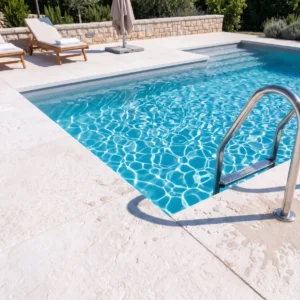
Pool coping on a swimming pool is a load-bearing perimeter element — not decorative trim — that ties your pool shell to the surrounding deck, manages water runoff, and protects the bond beam from direct exposure. Understanding what is coping on a swimming pool means recognizing that the bond beam, the structural concrete ring at the top of your pool wall, takes water infiltration, UV degradation, and freeze-thaw stress directly without coping sitting over it correctly. Your coping is doing structural work every single day, and most pool owners don’t realize that until a section fails.
The relationship between the coping unit and the bond beam is tighter than most people spec. You need a minimum 3/4-inch overhang over the water side to direct splash and rain away from the pool wall joint, but you also need the deck side to slope away at a minimum of 1/4 inch per foot to keep surface water from migrating under the deck system. Both of those dimensions matter equally — and neither shows up in generic installation guides.
Types of Coping in a Pool and How Each One Performs
Coping in a pool comes in several distinct profiles, and each one creates a different edge condition with real performance consequences. Understanding these profiles before you specify saves you from costly remakes after the stone is cut and delivered.
- Bullnose — a fully rounded edge on the water-facing side; the most common residential profile; soft on bare feet and forgiving if someone brushes against it; requires precise setting to maintain consistent overhang
- Cantilever — poured concrete coping that extends over a pre-formed foam form; offers a flush, smooth finish; requires no stone cutting but limits natural stone integration
- Drop-face or flat — a square-edged stone unit that drops vertically below the bond beam; adds visual depth and works well with raised bond beam designs; requires careful alignment to keep reveals consistent
- Cove or radius — a concave profile at the water-facing edge; channels water back toward the pool rather than onto the deck; common in commercial specifications where deck drainage is restricted
Natural stone coping profiles — travertine, limestone, granite — are cut to match these profiles at the quarry or fabrication stage. Checking warehouse stock for your preferred profile before committing to a project timeline is worth doing early, because profile-specific cuts aren’t always available off-the-shelf.
Material Selection: What the Stone Needs to Handle
The material you choose for coping on a swimming pool faces a specific combination of stresses that most paving applications don’t. You’re dealing with constant wet-dry cycling, pool chemistry exposure (chlorine and salt in saltwater systems), bare-foot traffic, and in many climates, freeze-thaw cycles. Each of these degrades different stone types at different rates.
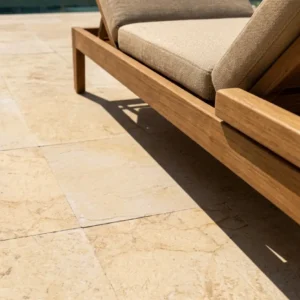
Travertine remains the most specified natural stone coping material in residential pools, and for good reason — its open-pore structure keeps surface temperatures significantly lower than dense granite or concrete alternatives, and its natural texture provides slip resistance without additional mechanical treatment. According to Natural Stone Institute travertine pool paving performance data, travertine’s calcium carbonate composition and absorption characteristics make it well suited to outdoor wet environments when properly sealed. Limestone coping performs similarly and offers a denser option for projects where a tighter pore structure is preferred.
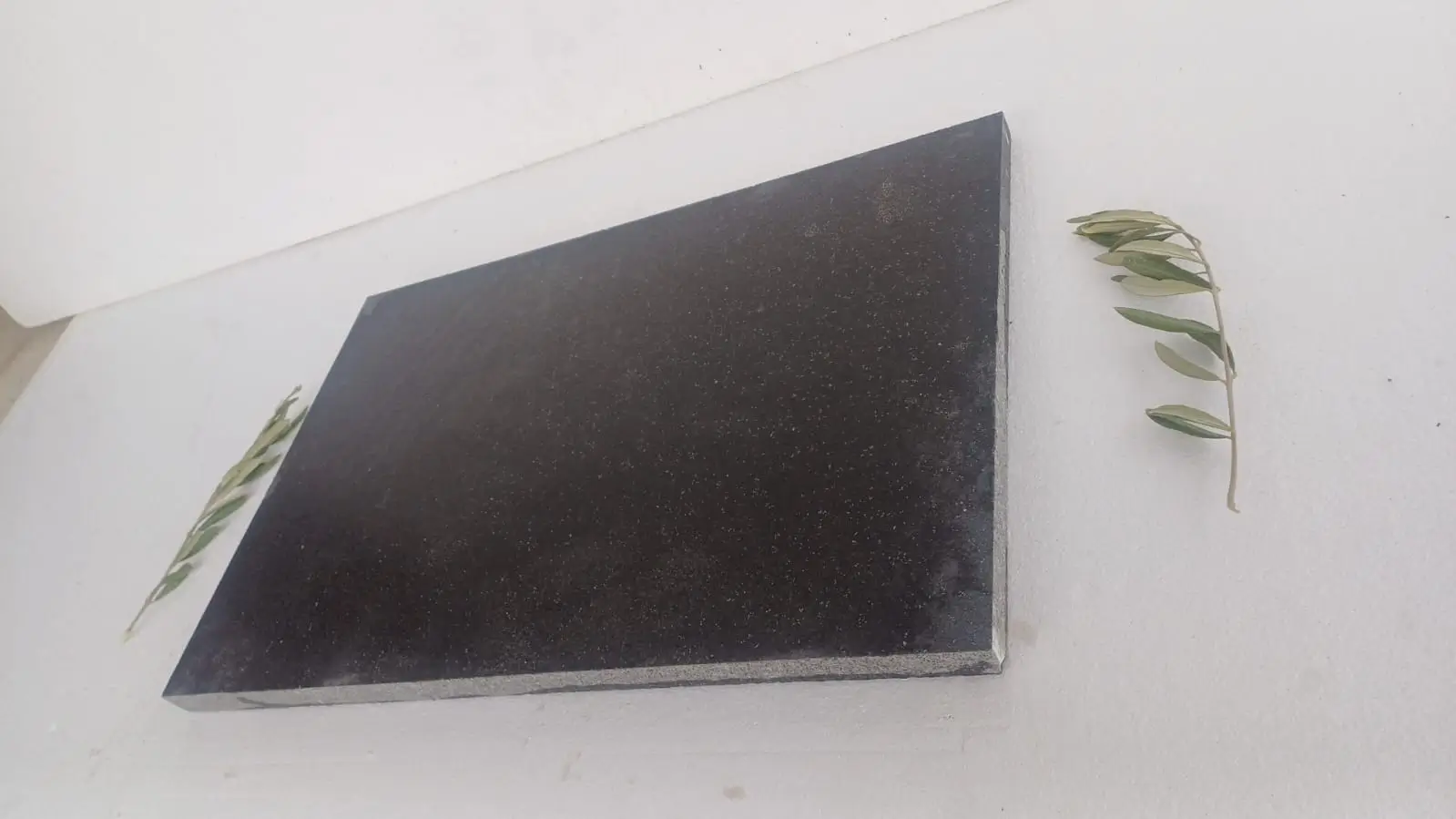
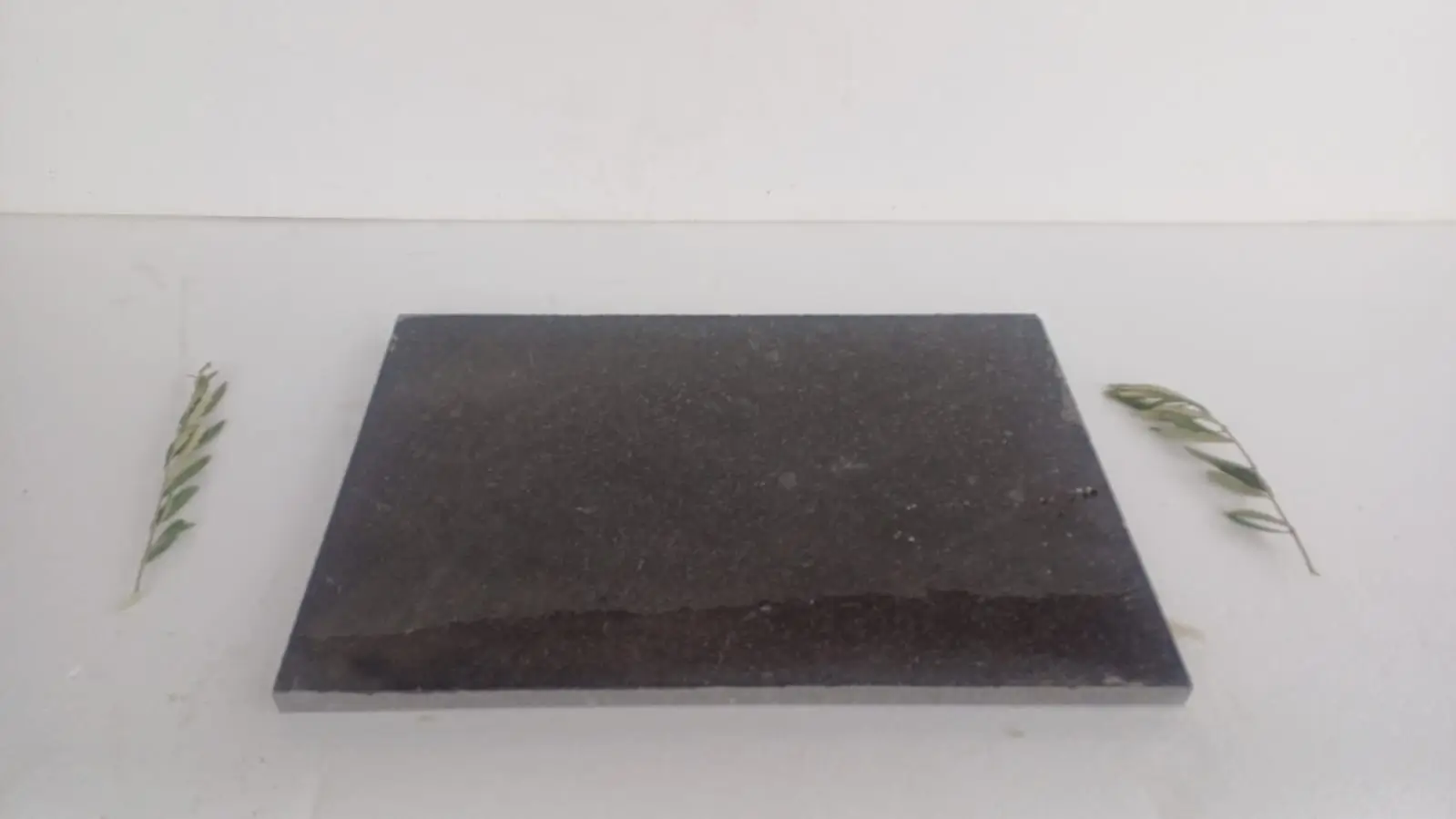
Granite coping delivers higher compressive strength — typically above 19,000 PSI — and resists pool chemicals better than calcium-carbonate stones. The trade-off is surface temperature: dark granite can reach temperatures that make barefoot contact uncomfortable in high-heat conditions. For coping on pool edges specifically, a honed or flamed finish on granite is the standard recommendation to bring the coefficient of friction into an acceptable range for wet conditions. The PHTA ANSI pool deck and coping safety standards provide the benchmark slip-resistance values your specification should target.
Thickness, Overhang, and Dimensional Standards
Dimensional precision in pool coping is non-negotiable. Coping units that vary in thickness across a run will create lippage at joints — a trip hazard and a visual failure that’s difficult to correct without full removal. Your specification should call for thickness tolerance within 1/16 inch across all units in a shipment, and that tolerance needs to be verified at delivery, not assumed.
- Standard residential coping thickness: 1.25 inches to 2 inches nominal; thicker units are specified for raised bond beam designs or where the drop-face dimension needs to match a set reveal depth
- Minimum overhang over water: 3/4 inch; optimal is 1.25 to 1.5 inches for clean drip edge performance
- Standard coping width: 12 inches is the most common; 14-inch and 16-inch units are used where wider deck transitions are specified or where the bond beam width requires it
- Unit length: 24 inches is typical for straight runs; custom radius cuts require shorter units to maintain tight joints on curved pool shapes — radius cuts should be specified with the exact pool radius and a minimum unit length to avoid excessive joint width
Explore our coping stone profiles to see how different natural stone options translate into these standard and custom dimensions for your project.
Building Code Requirements That Shape Your Specification
Local building codes have direct authority over how coping on a swimming pool must be installed, and the variation across jurisdictions is significant enough to affect material thickness, base depth, and edge geometry. This is the part of the specification that’s easiest to underestimate if you’re working from a generic detail rather than the adopted code in your project’s jurisdiction.
The International Building Code and IRC both reference pool construction requirements, but many jurisdictions have adopted local amendments that are more restrictive. Key code-driven variables include minimum bond beam width, which affects the available bearing surface for the coping unit; required mortar bed thickness; and deck drainage slope minimums, which interact directly with how the coping unit is set. In freeze-thaw regions, local amendments commonly require a minimum base depth below the frost line for any adjacent deck slab — and that base depth affects how much vertical movement the coping joint must accommodate seasonally.
- Frost depth requirements vary widely — in northern climates, deck base preparation to 36–48 inches below grade is not uncommon; failure to account for this leads to coping units rocking and joint mortar cracking within the first winter cycle
- Seismic zones require additional consideration for pool shell movement; expansion joints in the coping run are specified at closer intervals in high-seismic areas — typically every 10 to 12 feet rather than the standard 15 to 20 feet
- ANSI/PHTA standards set the baseline for slip resistance at pool edges; your jurisdiction may adopt these by reference or have independent requirements
- ADA compliance applies to pool entry points and surrounding decks — check whether the coping edge condition at steps or ramps requires a specific edge profile
The ASTM slip resistance and stone specifications for pool coping provide the testing framework that supports code-compliant material selection — your spec should reference the applicable ASTM test method alongside the local code requirement.
Installation Fundamentals That Determine Long-Term Performance
The setting bed for pool coping is one of the most frequently compromised elements in residential pool construction, and it’s almost always because the deck contractor and the coping installer aren’t coordinating on the bond beam condition before stone goes down. Your bond beam surface needs to be clean, level within 1/8 inch over a 10-foot run, and free of form release agents before mortar is applied. Any deviation beyond that gets absorbed into mortar bed thickness variation — and variable mortar beds cure at different rates, which creates differential movement that opens joints prematurely.
Mortar for pool coping should be a polymer-modified Type S mix. Standard Type S without the polymer modifier doesn’t have adequate bond strength for the wet-dry cycling that coping in a pool endures. Joint widths of 3/16 inch to 1/4 inch are standard; anything tighter risks blowout from thermal expansion, and anything wider reads as a quality control failure visually. Grout joints in pool coping should be a sanded, epoxy-modified grout with demonstrated chemical resistance — standard cement grout will degrade from pool chemistry within two to three seasons.
- Set coping units dry first to verify fit and overhang before committing to mortar — dry-fitting a full run takes 30 minutes and prevents hours of corrective work
- Back-butter each unit fully — no dot-and-dab patterns; full-coverage contact is required for the load path to transfer correctly to the bond beam
- Allow mortar to cure for 72 hours minimum before grouting; 48 hours in warm, dry conditions is insufficient when pool chemistry exposure will begin within weeks
- Seal natural stone coping with a penetrating impregnating sealer before grouting — sealing after grouting traps grout haze in the stone’s pore structure
What Maintaining Stone Coping Actually Involves
Natural stone pool coping maintenance is simpler than most pool owners expect, but it requires consistency. The primary maintenance task is resealing on a schedule that matches the stone’s absorption rate — travertine and limestone typically need resealing every 18 to 24 months in active pool environments; granite can go 36 to 48 months between sealer applications because of its lower porosity. Testing absorption before each seal application takes two minutes: drop water on the stone surface and watch whether it beads or soaks in within 60 seconds. If it soaks in, it’s time to reseal.
Joint integrity is the second maintenance priority. Pool coping joints are exposed to more movement than most exterior paving — thermal cycling, pool shell flex during filling and draining, and in freeze-thaw climates, seasonal ground movement all work on those joints. Inspect them annually and repoint any joints showing cracking or voids before water infiltration reaches the bond beam. Catching a failing joint early costs a tube of sealant; ignoring it costs a full coping reset. At Citadel Stone, we recommend clients factor resealing intervals into their total project budget from the start — it’s a maintenance cost, not a surprise.
Ordering, Lead Times, and Logistics for Pool Coping Projects
Timing your coping order correctly against the pool construction schedule is where many projects lose unnecessary time. The bond beam is typically ready for coping installation 21 to 28 days after the pool shell is shot — that’s your ordering window. Natural stone pool coping that ships from warehouse inventory can typically arrive within one to two weeks, which fits that window well. Custom radius cuts or non-standard profiles add four to six weeks to lead time because they require fabrication to order rather than picking from warehouse stock.
Verify availability for your specific profile and stone type before the shell is shot — not after. Running out of matching coping units mid-installation because a batch was out of stock is a problem that shows in the finished joint color and texture. Citadel Stone maintains national inventory across its product range, which reduces the risk of mid-project stock gaps that stall truck deliveries and delay pool completion. Order 10% overage on cut pieces for radius pools — waste from radius cuts is higher than straight-run installations, and reordering a small quantity of matching material after the fact is expensive.
Decision Points
Specifying what is coping on a swimming pool comes down to three decisions that cascade into every detail that follows: profile, material, and dimensional standard. Get the profile wrong and the water management fails. Choose the wrong material for your pool chemistry and maintenance commitment and you’ll be replacing coping on pool edges inside a decade. Miss the dimensional standard — particularly thickness tolerance and overhang — and the installation looks unprofessional regardless of stone quality. These decisions also need to be made with your local code requirements in hand, not after the fact, because frost depth, seismic zone, and ANSI slip-resistance minimums all influence what your specification must include. Beyond those technical fundamentals, understanding the full cost picture across material, fabrication, installation, and long-term maintenance helps you make a more complete decision — pool coping budgeting and cost breakdown covers that dimension in detail. From premium quarries in Turkey and the broader Middle East region, Citadel Stone supplies coping shaped to shed splash water away from the deck.
Related reading: What Is Pool Coping and Why Does It Matter? · pool coping material comparison · pool coping material guide.