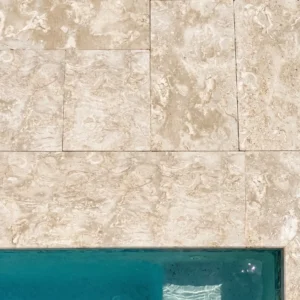
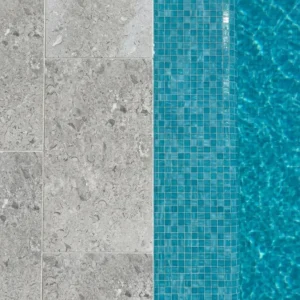
Travertine tile care decisions made in the first year of an installation largely determine what you’re dealing with in year ten — and most of the costly issues trace back to sealer selection, not cleaning frequency. The porosity range in travertine runs from 2% to 14% depending on the quarry source and cut direction, and that spread matters enormously when you’re choosing a penetrating sealer versus a topical coating. Your maintenance protocol needs to be calibrated to the specific tile you’re working with, not a generic stone-care schedule pulled from a manufacturer’s brochure.
Understanding Travertine Porosity and Why It Drives Every Care Decision
The voids and channels in travertine — the feature that gives it that distinctive texture — are also its primary vulnerability in maintenance terms. Open-cell travertine absorbs liquids, cleaning chemicals, and atmospheric contaminants faster than most homeowners expect. Honed finishes expose those cells more directly than polished surfaces, which means your cleaning routine needs to be more conservative, not more aggressive, to protect the stone long-term.
- Polished travertine has a compressed surface layer that slows absorption — but this layer is thinner than most people assume, typically 0.2–0.5mm
- Tumbled travertine with unfilled voids requires a different sealing approach than filled-and-honed tiles
- Cross-cut tiles expose more pore cross-sections than vein-cut tiles from the same block, increasing surface absorption rates
- Travertine sourced from Middle East quarries often carries higher calcium carbonate density, which affects how it responds to acidic cleaners
According to the Natural Stone Institute travertine properties and outdoor suitability guidelines, travertine’s open-pore characteristics require specific maintenance protocols to preserve long-term structural integrity and appearance. That guidance holds especially true when tiles are exposed to repeated wet-dry cycling in kitchens, bathrooms, and outdoor patios.
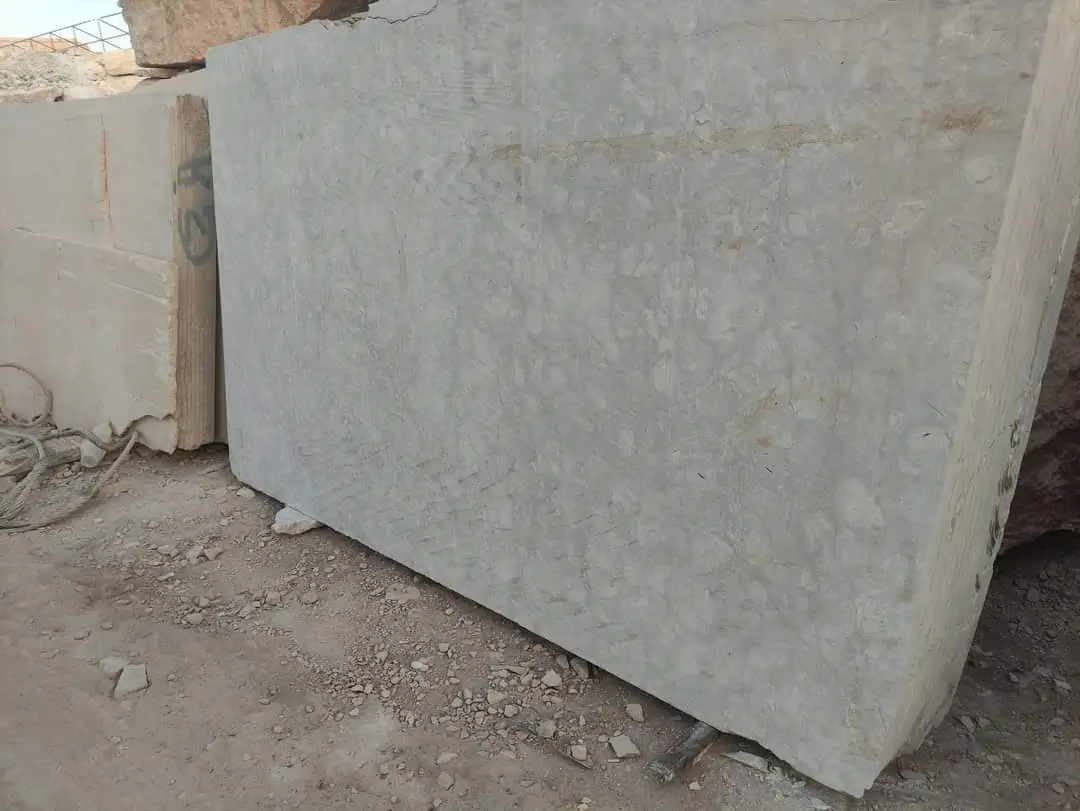
Daily and Weekly Cleaning Routines That Won’t Damage the Stone
The single most common maintenance mistake on travertine is using the wrong pH cleaner. Travertine is calcium carbonate — it reacts with acidic solutions the same way eggshell does. Even diluted white vinegar, which plenty of cleaning guides recommend for tile, will etch your travertine surface with repeated use. You’ll see it as a dull, slightly cloudy patch that no amount of buffing fixes without professional intervention.
Proper travertine tile care at the routine level starts with a pH-neutral stone cleaner diluted per the manufacturer’s instruction — typically a capful in a gallon of warm water. Dry mopping first removes the grit that causes micro-scratching, and that step matters more than most people give it credit for. A soft microfiber head on your mop is the right tool; string mops retain too much moisture and distribute dirty water back onto the surface.
- Sweep or dry mop before any wet cleaning — surface grit acts like sandpaper under a wet mop
- Use pH-neutral stone cleaner only — never vinegar, bleach, or citrus-based products
- Wring mop heads nearly dry before contact with the tile
- Blot liquid spills immediately — don’t wipe, which spreads the spill into adjacent pore openings
- Avoid steam cleaners on travertine; sustained high heat and moisture can loosen grout and reactivate dormant mineral deposits
Sealing Schedule and Sealer Selection for Long-Term Performance
The care of travertine tile depends fundamentally on how consistently you maintain the sealer layer — everything else is secondary. A penetrating impregnator sealer is the standard for most residential applications: it occupies the pore space below the surface without forming a topical film, so it doesn’t alter the stone’s natural texture or sheen. Topical sealers can work in specific contexts, but they require more frequent reapplication and can yellow or peel under UV exposure in outdoor settings.
Sealing frequency depends on finish type and foot traffic load. Honed and tumbled travertine in high-traffic areas needs resealing every 12–18 months. Polished travertine in a low-traffic master bath might comfortably extend to 24–36 months between applications. You can test your current seal with a few drops of water — if they bead and stay for 4–5 minutes, you’re protected. If they absorb within 30 seconds, seal immediately.
- Penetrating impregnator sealers: best for most applications, preserves natural stone appearance
- Topical sealers: higher gloss, but UV exposure degrades them faster in exterior installations
- Resealing frequency: 12–18 months for honed/tumbled, 24–36 months for polished in low-traffic areas
- Always clean and fully dry the surface before applying sealer — moisture trapped below sealer shortens its effective life
- Apply sealer in thin, even coats rather than one heavy application to prevent surface hazing
For specific product guidance tailored to your tile type, our travertine maintenance tips cover sealer selection and application intervals for common residential and commercial installations.
UV Exposure and Outdoor Travertine: Finish Selection and Fading
Outdoor travertine tile care introduces a variable that interior maintenance guides rarely address with enough precision — UV-driven color shift. Natural travertine doesn’t fade the way a pigmented material does, but sustained UV exposure accelerates oxidation of iron mineral inclusions within the stone, which gradually shifts warm ivory tones toward a chalky or greyed appearance. This process is slow, but it’s cumulative and largely irreversible without resurfacing.
Finish selection plays a significant role here. Polished travertine maintains its reflective surface longer under UV exposure because the compressed surface layer provides a degree of UV buffering — but it’s not indefinite, and outdoor polished travertine in high-sun installations will show oxidation effects within 5–8 years without proper sealer maintenance. Honed and tumbled finishes age more gracefully outdoors because the natural texture variation masks early-stage color shift better than a mirror surface.
- UV-stable penetrating sealers with added UV inhibitors extend color retention in full-sun installations
- Reapply exterior sealers every 12 months in high-UV climates — UV degrades sealer chemistry even when the stone itself looks intact
- Tumbled finishes are often the more practical choice for sun-exposed patios and pool surrounds from a long-term maintenance perspective
- Inspect outdoor grout annually — UV exposure and thermal cycling degrade grout faster than the stone itself, creating moisture entry points
The ASTM C1527 travertine dimension stone standard includes performance specifications relevant to absorption, durability, and weathering resistance that inform both product selection and maintenance expectations for outdoor installations.
Stain Removal Without Surface Damage
There’s a meaningful difference between a stain and an etch on travertine, and treating an etch with a stain remover is one of the more frustrating mistakes to recover from. A stain is a colorant that has penetrated the pore structure — oil, coffee, red wine, or organic material. An etch is a chemical reaction at the surface itself, usually acid contact, that has altered the crystal structure of the calcium carbonate. Etches appear as dull spots or rough patches and require light honing or polishing to restore — not poulticing.
For genuine stains, the poultice method is your most reliable tool. Mix an absorbent powder (diatomaceous earth works well) with a cleaning agent matched to the stain type — hydrogen peroxide for organic stains, acetone for oil-based stains. Apply it about a quarter-inch thick over the stain, cover with plastic wrap, tape the edges, and leave it for 24–48 hours. The poultice draws the stain out of the pore as it dries. Most stains require one or two applications, and patience matters more than chemical strength here.
- Organic stains (food, coffee, leaf tannins): poultice with hydrogen peroxide and absorbent powder
- Oil-based stains (cooking oil, body lotion, mechanical grease): poultice with acetone or mineral spirits
- Rust stains: require a commercial stone rust remover specifically formulated for calcium carbonate — general rust removers contain acids that etch the stone
- Paint or grout haze: mechanical removal with a plastic scraper first, then poultice if residue remains
Grout Maintenance and Void Filling for Travertine Tile
Travertine tile care extends beyond the stone surface to the joint material between tiles and, in the case of unfilled travertine, the voids within the tile face itself. Grout in travertine installations experiences more stress than most other tile types because travertine has a relatively low modulus of elasticity — it flexes slightly under load. That movement works against rigid cement grout over time, particularly in large-format tiles or installations over substrates with any residual moisture.
Matching your grout color to the travertine’s field tone reduces the visual impact of hairline cracking before you can address it. Repoint damaged joints with a compatible sanded grout for joints wider than 1/8 inch, and use unsanded grout for tighter joints. Grout sealers are separate from tile sealers and need independent maintenance — many specifiers seal the grout and the tile simultaneously but use different products for each surface.
- Inspect grout lines annually for cracking, especially at corners and transitions between floor and wall
- Use a color-matched epoxy grout in wet areas — it’s non-porous and significantly more resistant to staining and moisture infiltration than cement grout
- For unfilled travertine tiles, reapply void filler every few years as traffic compresses and displaces the original fill material
- Never use grout saws aggressively near travertine edges — the tile face chips more readily than ceramic or porcelain alternatives
Ordering and Planning Your Maintenance Materials
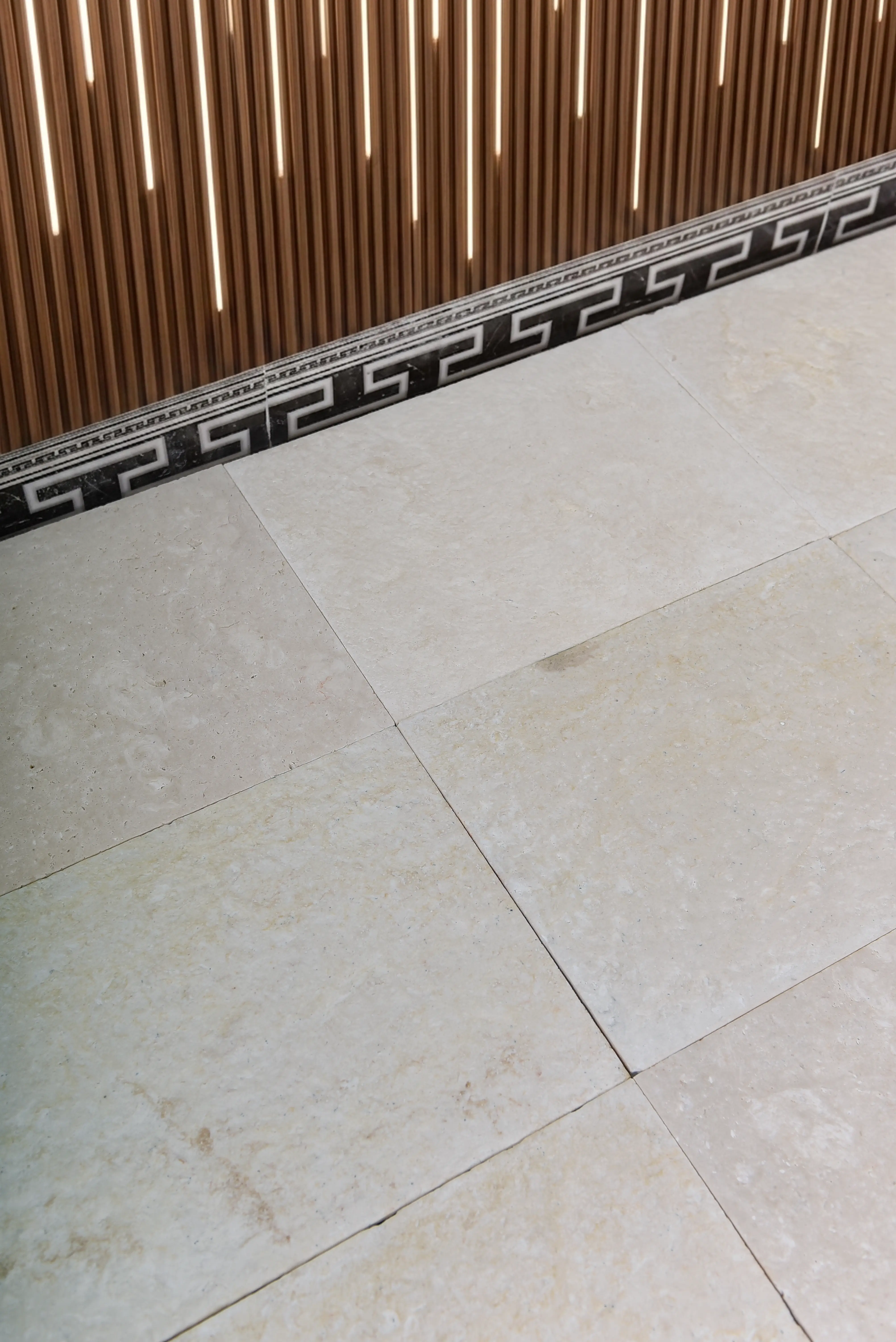
A sound care of travertine tile routine is only as reliable as your supply of compatible maintenance materials — and matching products to the specific tile you have is something worth getting right from the start. At Citadel Stone, we recommend confirming your tile’s finish type and porosity class before purchasing sealers or cleaners, because the formulations that work well on honed travertine can leave a hazy residue on polished surfaces. Our technical team can advise on appropriate product categories based on the specific material you’ve sourced.
Citadel Stone maintains warehouse inventory that allows for quick order fulfillment on travertine products, which means you can plan resealing schedules around actual stock availability rather than extended lead times. If you’re managing a large installation across multiple areas, verifying warehouse availability before your scheduled maintenance window keeps the process moving without delays. For most standard sizes and finishes, stock turns over regularly — but specialty formats and thicknesses warrant a lead time conversation in advance.
- Keep at least one spare box of tiles from your original order for future crack or chip repair — matching travertine from a different batch can be difficult due to natural color variation
- Store spare tiles flat, off the ground, and away from direct sunlight to prevent color shift in storage
- Budget for annual sealer cost as part of your maintenance plan, not as an unexpected expense
- Confirm product compatibility with your tile’s specific finish type before purchasing any stone-care product
The Tile Council of North America installation standards provide useful reference benchmarks for joint sizing, setting material selection, and long-term maintenance expectations that apply directly to travertine tile installations in both residential and commercial contexts.
Final Considerations for Your Travertine Tile Care Plan
Getting travertine tile care right over the long term comes down to a handful of decisions made early — sealer type, cleaning chemistry, and how aggressively you respond to the first signs of etch or staining. The stone is exceptionally durable and capable of decades of service life when it’s treated as the calcium carbonate material it is, not as a glazed ceramic surface. Your maintenance schedule doesn’t need to be complicated, but it does need to be consistent. Skipping a resealing cycle by 6–12 months rarely causes immediate visible damage, but it compounds the cumulative wear on the pore structure below the surface.
In sun-exposed areas, the sealing schedule matters even more because UV degradation attacks the sealer chemistry before you see any change in the stone itself. Check your exterior travertine annually and reseal proactively rather than reactively. For complementary installation ideas that work alongside a strong maintenance foundation, travertine mosaic tile applications explores how different travertine formats and patterns perform across interior and exterior contexts. Travertine tile from Citadel Stone responds well to routine gentle cleaning that preserves the stone’s natural matte tone.
Related reading: ph neutral travertine tile cleaner · How to Repair Travertine Tile: Holes, Cracks, and Chips · travertine tile for showers.