Why Stone Selection Defines Fireplace Character
The surface temperature differential between travertine and dense igneous alternatives tells you something essential about why a travertine stone fireplace performs so well as a radiant heat surround — travertine’s open-pore calcium carbonate matrix absorbs and re-radiates heat gradually rather than concentrating it at the face. You’ll feel this difference in how the room warms over an evening. That gentle thermal mass behavior, combined with the material’s natural color range, is what makes travertine the go-to specification for living room focal points across architectural styles, from rustic farmhouse to contemporary minimalist.
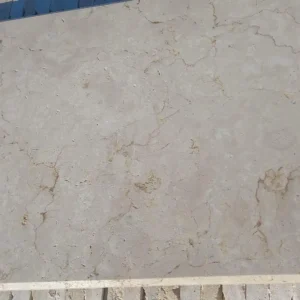
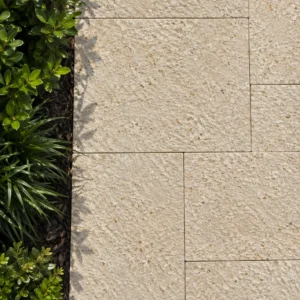
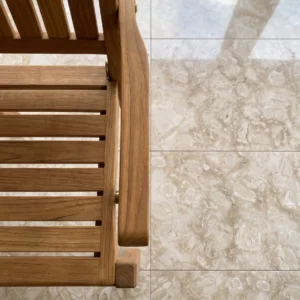
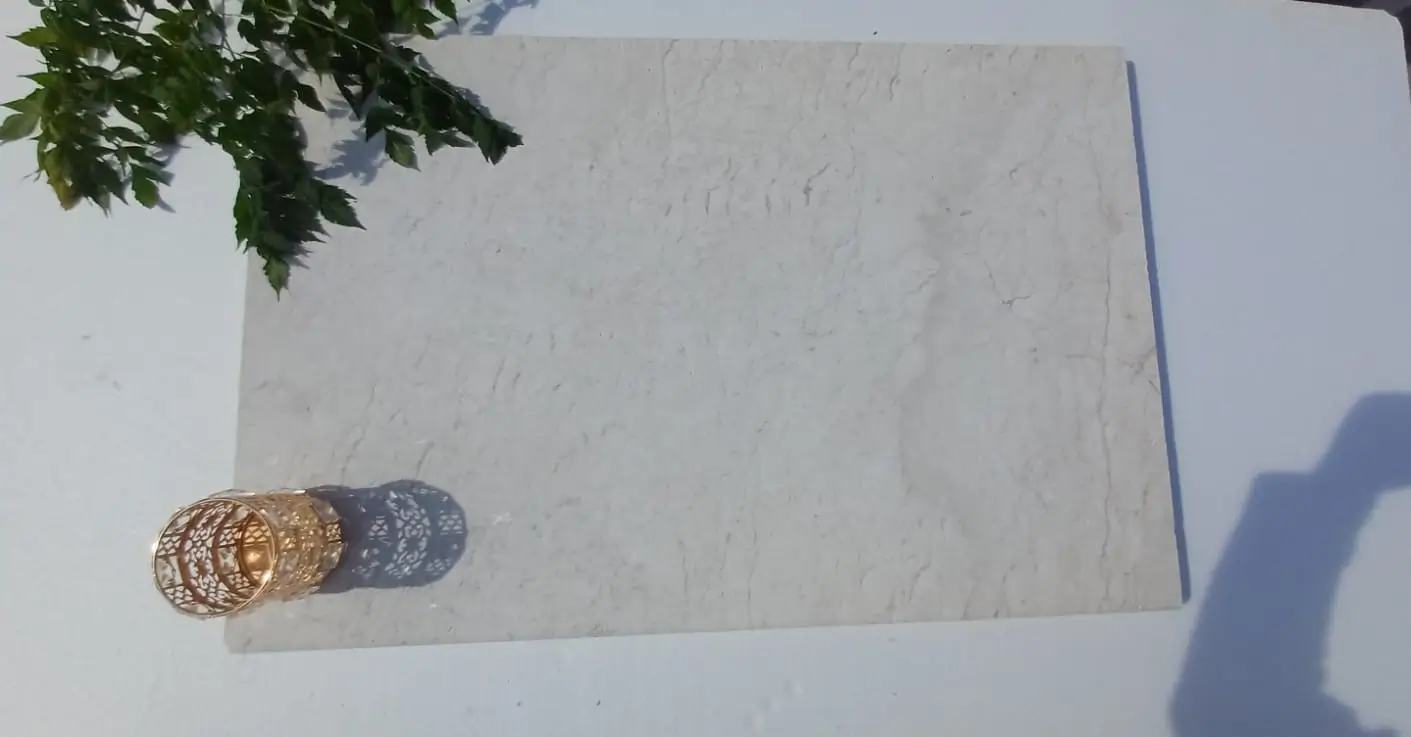
Your finish selection shapes the entire character of the installation. Honed travertine reads clean and architectural; tumbled edges deliver an antique warmth that suits traditional interiors; brushed surfaces land somewhere between — textural without being rustic. Before you commit to a slab order, pull samples under your actual lighting conditions because travertine’s vein patterns shift dramatically between diffuse daylight and the amber cast of fireplace light.
Travertine Panel Formats for Fireplace Surrounds
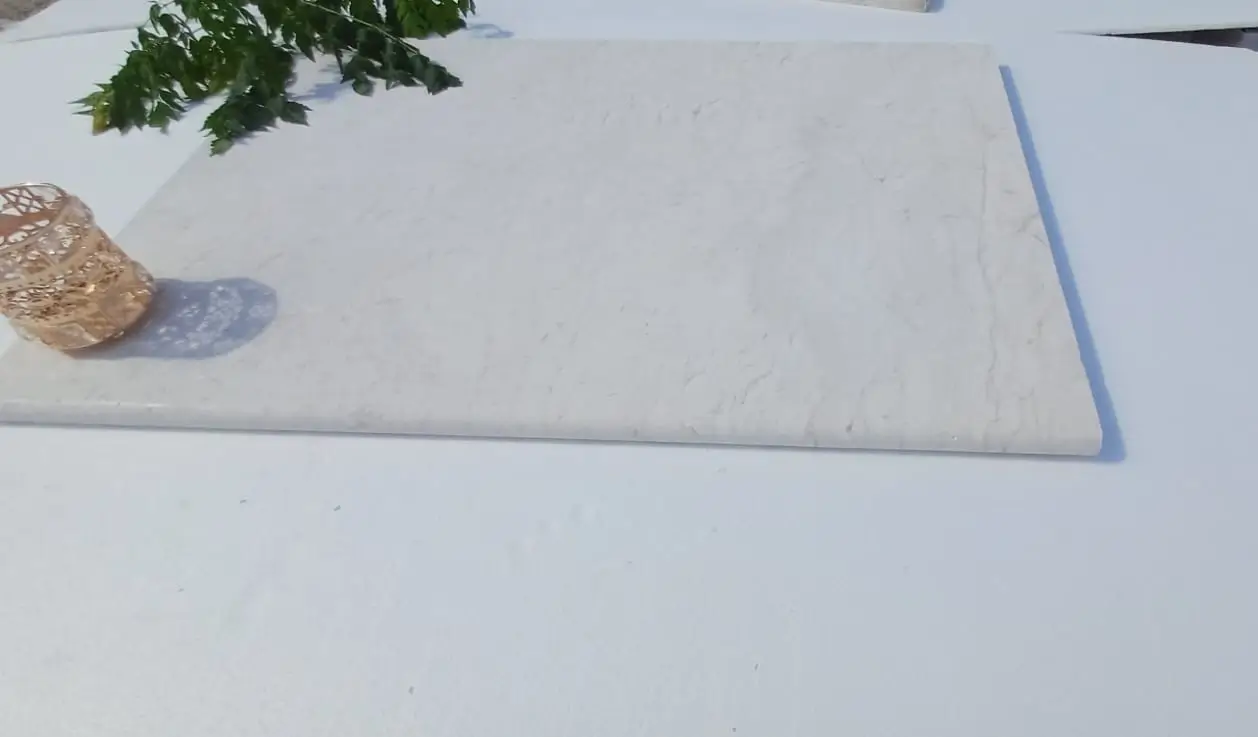
Panel format is the first structural decision you’ll make, and it carries more consequence than most homeowners expect. Large-format slabs — 24×48 inches or greater — deliver a seamless, gallery-quality look, but they demand a perfectly flat substrate and leave zero room for installation error. Smaller mosaic or stacked profiles are more forgiving on slightly irregular substrate surfaces and work well for layered, textural designs.
Travertine stone wall panels in a linear stacked configuration have become the dominant format for contemporary fireplace surrounds. The horizontal coursing draws the eye across the width of the firebox opening, making modest fireboxes read wider. For traditional and transitional spaces, a classic surround profile using 3-cm-thick slabs with a bull-nosed or ogee edge detail remains the benchmark. The thickness matters here — 2-cm stock is manageable for most surrounds, but the hearth platform and any load-bearing ledge should step up to 3 cm minimum for durability.
- Large-format slabs require substrate flatness within 1/8 inch over 10 feet before installation begins
- Stacked linear panels suit contemporary and transitional fireplace designs best
- Mosaic formats allow more installer flexibility on curved or irregular firebox openings
- Hearth decks should specify 3-cm thickness to handle foot traffic and accidental impact
- Edge profiles — bull nose, ogee, beveled — set the tone for the room’s design language
Color Tones and Design Integration
The palette question is where landscape design traditions genuinely influence interior stone selection. A travertine stone fireplace specified for an open-plan home with desert xeriscaping views outside should lean into the warm ivory and walnut vein tones that bridge the material relationship between indoors and outdoors. Conversely, a coastal or tropical-planting setting calls for silver and light cream travertine — cooler tones that contrast against lush greens rather than competing with terracotta-adjacent palettes.
Silver travertine stacked stone has gained significant traction in modern minimalist interiors precisely because its cooler gray-white banding reads as a natural material without the warmth bias that can make a space feel heavy. For traditional colonial or craftsman-style homes, the classic cream and walnut travertine veining aligns naturally with warm wood tones and period-appropriate color schemes. You’re not just selecting a stone — you’re selecting a color bridge between your flooring, your wall palette, and your furnishings.
- Warm ivory and walnut tones integrate naturally with wood-heavy, traditional, and desert-inspired interiors
- Silver travertine stacked stone complements modern minimalist, coastal, and tropical-planting design contexts
- Veining direction — horizontal or vertical — can be specified with your fabricator to control visual flow
- Sourcing travertine as natural stone from a single quarry batch ensures consistent color throughout the surround, hearth, and any adjacent wall panels
Heat Zone Specification and Clearance Requirements
The International Residential Code establishes minimum clearances — typically 6 inches of non-combustible material surrounding the firebox opening — but travertine meets that threshold comfortably. What the code doesn’t specify is how you manage the transition zone where the stone sits closest to sustained radiant heat. Natural stone expands at roughly 4–5 × 10⁻⁶ per °F, and if you’re tiling tight to a zero-clearance firebox unit that cycles through significant temperature swings, you need to leave a compressible joint at that interface rather than grouting it solid.
According to ASTM C1527 travertine dimension stone standard specifications, travertine’s physical performance characteristics — including absorption rate and modulus of rupture — directly inform how the material handles repeated thermal cycling in hearth applications. That modulus of rupture figure (typically above 1,400 psi for quality travertine) tells you the stone can handle incidental mechanical loading without issue, but it’s the thermal joint detail that determines long-term performance at the firebox interface.
Substrate Preparation and Setting Materials
Your substrate is the foundation that either validates or undermines the entire installation. For wood-framed walls, a cement board layer — minimum 1/2 inch — over the framing is the baseline before any stone goes up. Deflection is the enemy of large-format stone; wood stud walls flex slightly under seasonal movement, and that flex telegraphs to your stone as hairline grout cracks within the first two winters if the substrate isn’t adequately reinforced.
Medium-bed polymer-modified mortars are the correct setting material for a travertine stone fireplace surround. Standard thinset is acceptable for smaller mosaic formats but underpowers a 24×48 slab application where full coverage — genuine 95%+ mortar contact — is non-negotiable. The back-buttering technique, where you apply mortar to both the substrate and the stone back simultaneously, achieves consistent coverage more reliably than substrate-only application. According to TCNA natural stone installation standards, full-contact mortar coverage is especially critical for natural stone in heat-adjacent applications where thermal movement is a recurring stress factor.
- Cement board substrate, minimum 1/2 inch, over wood framing before installation
- Medium-bed polymer-modified mortar for slabs larger than 15×15 inches
- Back-butter both substrate and stone back for 95%+ mortar coverage
- Leave a compressible joint (silicone caulk, color-matched) at the firebox opening interface
- Allow full mortar cure — minimum 48 hours — before grouting
Filling and Sealing Travertine for Fireplace Use
Travertine’s characteristic voids are a specification decision, not a defect to default-fix. Filled and honed travertine presents a flat, consistent face that photographs cleanly and reads as a refined surface — the right call for formal living rooms and contemporary surrounds. Unfilled travertine, left with its natural pits, has genuine texture and antiquity that suits rustic and Tuscan-inspired interiors authentically. Make this call intentionally based on your design direction, not simply accepting whatever the supplier ships.
Sealing is non-negotiable for fireplace applications regardless of fill choice. A penetrating impregnating sealer — not a topical coating — applied before grouting and again after grout cure is the correct protocol. For travertine properties as outlined by the Natural Stone Institute, the material’s inherent porosity makes it susceptible to staining from fireplace-adjacent use — ash, cleaning agents, and ambient particulate all penetrate an unsealed surface. Reapply sealer every 18–24 months in active fireplace environments. At Citadel Stone, we recommend testing your sealer on a sample tile before full application to confirm it doesn’t shift the stone’s color in unwanted directions — some sealers add a wet look that changes the tonal character significantly.
Ordering, Logistics, and Material Planning
Your material quantities need a 10–15% overage allowance built in before you place an order. Fireplace surrounds involve cuts at every edge, mitered returns, and the occasional dropped or damaged piece during handling. Ordering tight to the net area is the fastest way to create a color-match problem on a back-order call weeks into installation. You want all your material from the same production batch — travertine’s natural color variation means two batches from the same quarry can read differently enough to be visible on a surround.
Explore our travertine wall panels to review the stacked stone formats and slab options available for fireplace surrounds. Citadel Stone maintains warehouse inventory of core travertine formats, which typically reduces lead times compared to the extended import cycles that custom-spec material involves — a meaningful advantage when your installation is on a contractor schedule. Confirm warehouse stock for your specific color and format before finalizing your project timeline, and factor in truck delivery access to your site since large-format slabs arrive on pallets that require adequate unloading clearance.
Grout Joint Sizing and Long-Term Maintenance
The grout joint decision for a travertine stone fireplace surround is more nuanced than it appears on a specification sheet. Rectified travertine tiles allow joints down to 1/16 inch for a near-seamless look, but in a heat-adjacent application, that tight joint leaves almost no accommodation for thermal expansion. A 1/8-inch joint is a safer minimum for surround panels within four feet of the firebox opening, stepping up to 3/16 inch on the hearth deck where temperature cycling is most pronounced.
Use unsanded grout for joints under 1/8 inch and sanded grout for larger joints — but in both cases, select a grout formulated for natural stone. Standard cement grout with Portland content can etch softer travertine over time. Epoxy grout is stain-resistant but difficult to work with on large surfaces and tends to read as too uniform for natural stone aesthetics. Your maintenance routine after installation is straightforward: pH-neutral stone cleaner only, no acidic products near the stone, and a dry wipe of the hearth after significant fire use to prevent ash abrasion on the stone surface.
- Minimum 1/8-inch joint near the firebox opening to accommodate thermal movement
- Sanded grout for joints above 1/8 inch; unsanded for tighter joints
- Natural stone-compatible grout only — avoid standard Portland-heavy formulations
- pH-neutral cleaner for routine maintenance — no vinegar, lemon, or acid-based products
- Reseal every 18–24 months in active fireplace environments
Getting Travertine Fireplace Specifications Right
A travertine stone fireplace surround rewards the specifier who pays attention to the details that show up two years after installation, not just on reveal day. The compressible joint at the firebox, the mortar coverage percentage, the sealer application timing — these aren’t glamorous specification decisions, but they’re the difference between a surround that stays tight and one that starts showing hairline grout cracks by the second heating season. Your design choices — panel format, tone, finish, and edge profile — shape the room’s character permanently, so take that sample-review step seriously under real lighting conditions before committing. As your stone project expands into other areas of the home, travertine countertop and sink specifications offers a useful parallel perspective on how the material performs in a very different application context. Fireplace travertine from Citadel Stone is offered in warm cream and silver tones selected for tight seam alignment.
Related reading: travertine veneer vs stacked stone · travertine stone around pool care · what type of stone is travertine.