This comprehensive guide examines the critical differences between natural stone pavers and concrete pavers in Caribbean environments. You’ll learn which materials excel in salt-air durability, how thermal properties affect comfort in tropical heat, and which options provide the best long-term value considering sourcing logistics unique to island locations. By the end, you’ll have the knowledge to make an informed decision that ensures your patio performs beautifully for decades while meeting your budget and design objectives.
Performance Comparison
Durability & Weather Resistance
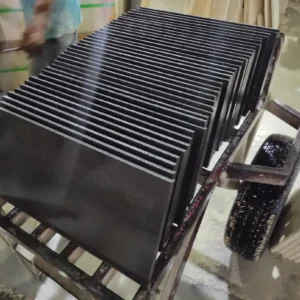
Natural stone pavers demonstrate exceptional longevity in Caribbean conditions when properly selected. Dense stones like black basalt and granite resist salt crystallization—a major degradation mechanism where salt penetrates porous surfaces and expands during dry periods, causing spalling and surface deterioration. Well-selected limestone varieties, particularly those with lower porosity ratings below 3%, perform admirably in coastal environments and develop attractive patina over time.
Concrete pavers vs stone performance varies significantly by manufacturing quality and composition. Premium concrete pavers with proper air entrainment and low water-cement ratios resist salt damage effectively, while budget options may show deterioration within 5-7 years in direct salt exposure. The key advantage of concrete pavers lies in their engineered consistency—manufacturers can optimize formulations specifically for coastal applications, incorporating corrosion inhibitors and supplementary cementing materials that enhance durability.
Both materials handle Caribbean weather patterns well, though natural stone generally shows superior performance during extreme events. Hurricane-driven debris impacts, while rare, can chip concrete pavers more readily than dense natural stones. However, concrete pavers offer easier replacement when damage occurs, as exact color and size matches remain available throughout the product lifecycle.
Slip Resistance & Safety
Safety becomes paramount around pools and in areas prone to sudden tropical downpours. Natural stone pavers offer inherently variable slip resistance depending on surface finish and stone type. Bush-hammered and flamed finishes provide excellent traction even when wet, while honed surfaces may become slippery but offer easier cleaning and more sophisticated aesthetics.
Concrete pavers for Caribbean applications can incorporate anti-slip additives and textured surfaces during manufacturing. These engineered solutions often provide more consistent slip resistance than natural stone, as manufacturers can control texture depth and pattern uniformity. However, some textured concrete surfaces may accumulate organic matter in their grooves, potentially reducing slip resistance over time without proper maintenance.
The choice between materials often depends on specific use areas. Pool decks and wet zones benefit from textured concrete pavers with proven slip resistance ratings, while covered dining areas might prioritize the refined appearance of honed natural stone with appropriate surface treatments.
Thermal Comfort & Colorfastness
Caribbean sun creates surface temperatures that can make pavers uncomfortably hot for barefoot use. Light-colored natural stone pavers, particularly limestone and coral stone varieties, reflect heat effectively and remain cooler than darker alternatives. Dense stones like basalt absorb and retain heat longer, though they also cool more gradually during evening hours.
Concrete pavers offer superior control over thermal properties through color and aggregate selection. Light-colored concrete pavers with reflective aggregates can achieve lower surface temperatures than most natural stones. Additionally, permeable pavers Caribbean applications benefit from evaporative cooling as water moves through joints and base materials.
Colorfastness represents a significant consideration for long-term appearance. Natural stone maintains its color indefinitely, though some varieties develop attractive weathering patinas. Quality concrete pavers use integral colorants and UV-resistant additives to prevent fading, though less expensive options may show color degradation within 3-5 years of intensive sun exposure.
Aesthetics & Design Flexibility
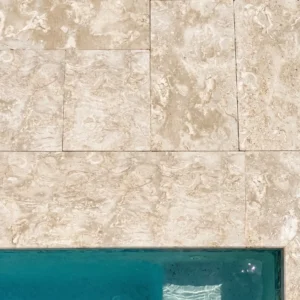
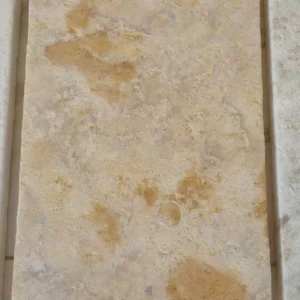
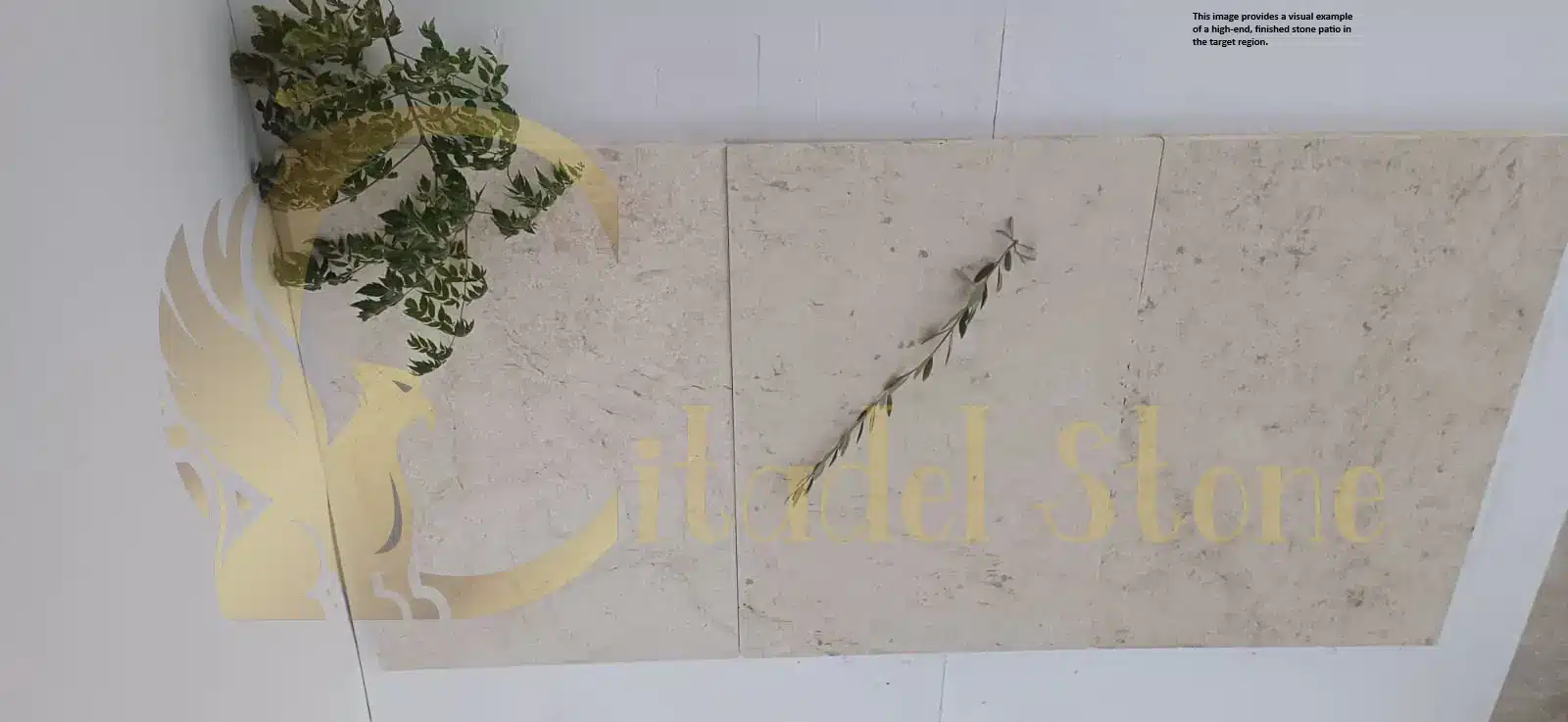
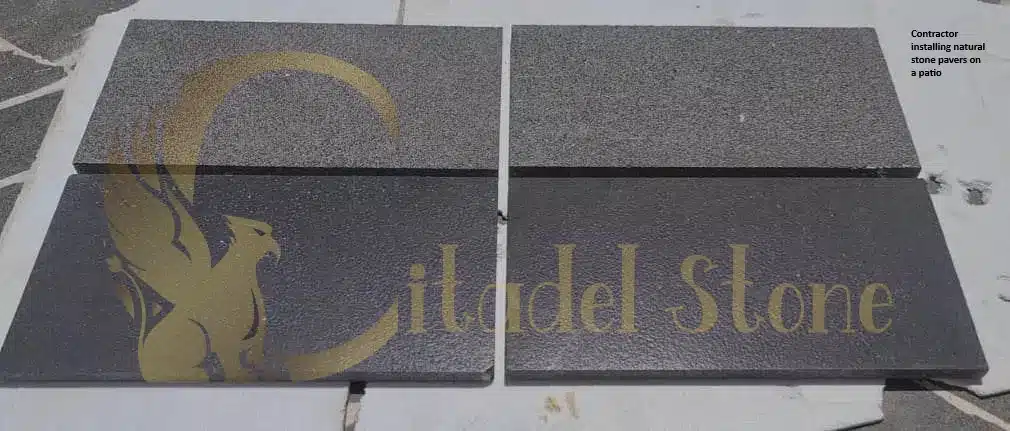
The visual appeal of limestone pavers comes from inherent variation that creates unique, unrepeatable patterns. Caribbean limestone offers warm, cream to golden tones that complement tropical architecture beautifully. Coral stone provides distinctive fossil patterns and porous texture that speaks to local geological heritage. Basalt pavers deliver sophisticated dark tones with subtle mineral sparkle that works well in contemporary designs.
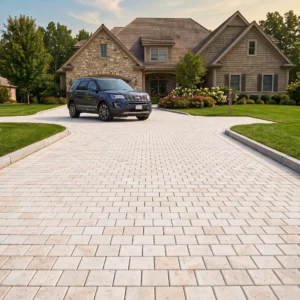
Concrete pavers excel in design flexibility and consistency. Manufacturers can replicate natural stone appearances while offering modular sizing systems that simplify installation and reduce waste. Pattern options include traditional herringbone, basket weave, and running bond layouts, plus contemporary geometric designs impossible with natural stone dimensions.
The choice often depends on design intent. Projects requiring exact color matching and uniform appearance favor concrete pavers, while designs celebrating natural variation and authentic materials lean toward natural stone. Many successful Caribbean projects combine both materials—using natural stone for focal areas and concrete pavers for larger expanses where cost control matters more than uniqueness.
Installation, Base & Drainage Considerations
Proper installation becomes critical in Caribbean environments where heavy rains can overwhelm inadequate drainage systems. Both stone and concrete pavers require well-compacted aggregate bases, typically 4-6 inches depending on soil conditions and expected loading. However, the region’s intense rainfall makes permeable paving systems particularly valuable for stormwater management.
Limestone tiles often require individual fitting due to size variations, increasing installation time and labor costs. Concrete pavers’ modular consistency speeds installation and reduces skilled labor requirements. Both materials benefit from polymeric sand jointing that resists washout during heavy rains while allowing controlled drainage.
Storm surge considerations affect low-lying coastal properties where uplift forces during extreme weather events can displace pavers. Proper edge restraints and adequate base depth help resist these forces, though concrete pavers’ lighter weight makes them more susceptible to displacement than dense natural stones.
Edge restraints must resist corrosion in salt-air environments. Aluminum and certain composite materials outperform steel options that may rust and stain surrounding pavers. Professional installation ensures proper slopes for drainage while maintaining level walking surfaces—particularly important given the Caribbean’s intense but brief rainfall patterns.
Maintenance & Lifespan
Routine maintenance requirements differ significantly between materials. Natural stone pavers typically require periodic sealing to prevent staining and facilitate cleaning, particularly for more porous varieties like limestone and sandstone. Efflorescence—white mineral deposits that can appear on calcareous stones—requires specific cleaning approaches using mild acidic solutions.
Concrete pavers generally demand less specialized maintenance but benefit from periodic sealing to maintain color vibrancy and ease stain removal. Quality concrete pavers resist most common stains better than natural stone, though oil-based stains can penetrate unsealed surfaces permanently.
Both materials allow individual unit replacement when damage occurs, though sourcing considerations differ. Concrete pavers from established manufacturers typically remain available for decades, ensuring exact replacements. Natural stone replacement depends on quarry continuity and may require accepting slight color or texture variations.
Expected lifespans in Caribbean conditions range from 15-25 years for quality concrete pavers and 25-50+ years for properly selected natural stone. However, lifecycle costs must consider maintenance requirements, with natural stone often requiring more frequent professional attention but concrete pavers potentially needing complete replacement sooner.
Cost & Value
Initial material costs vary widely based on quality and sourcing. Illustrative ranges for Caribbean delivery include:
- Natural Stone Pavers: $8-25 per square foot for materials, plus $4-8 per square foot installation
- Concrete Pavers: $3-12 per square foot for materials, plus $3-6 per square foot installation
These ranges exclude site preparation, base materials, and freight considerations that can add significantly to island projects. Premium natural stones and specialty concrete pavers can exceed these ranges substantially.
Long-term value calculations must consider maintenance costs, replacement schedules, and property value impact. Caribbean properties often see premium returns from natural stone installations, particularly in luxury markets where authenticity and durability command higher resale values. However, well-designed concrete paver installations can provide excellent value while reducing ongoing maintenance expenses.
Budget-conscious projects often achieve optimal results by using natural stone in high-visibility areas and concrete pavers for larger expanses, balancing aesthetic impact with cost control.
Sourcing & Logistics in the Caribbean
Material availability significantly influences project costs and timelines in Caribbean locations. Local coral stone and limestone quarries operate in several islands, providing reduced freight costs and shorter lead times. However, quality varies between sources, requiring careful stone supplier evaluation and material testing.
Imported natural stone faces substantial freight costs, typically adding $2-5 per square foot to material prices depending on origin and shipping routes. Major distribution hubs like Nassau, San Juan, Bridgetown, and Fort-de-France offer consolidation opportunities that can reduce costs for larger projects.
Concrete pavers present different logistics challenges. While heavier than natural stone per unit, their consistent sizing improves shipping efficiency. Some Caribbean locations have established concrete paver manufacturing, providing local sourcing advantages. However, specialty products and premium options typically require importation.
Customs duties and import procedures vary by territory but generally add 5-15% to material costs. Plan delivery timing carefully to avoid hurricane season disruptions that can delay projects for months. Recommended lead times range from 6-10 weeks for imported materials and 2-4 weeks for locally sourced options.
Browse Citadel Stone Caribbean pavers to explore our locally-adapted natural stone selection.
Sustainability & Environmental Considerations
Environmental impact considerations increasingly influence material choices in ecologically sensitive Caribbean environments. Local stone quarrying reduces transportation emissions significantly but may impact local ecosystems and communities. Responsible quarrying practices and land restoration programs help mitigate these concerns.
Imported concrete pavers carry higher carbon footprints due to cement production and long-distance shipping. However, some manufacturers incorporate recycled aggregates and supplementary cementing materials that reduce overall environmental impact. Local concrete paver production, where available, significantly improves sustainability profiles.
Permeable paving systems provide substantial environmental benefits in tropical climates prone to intense rainfall. Both natural stone and concrete pavers can be installed with permeable jointing and base systems that reduce stormwater runoff and help prevent coastal erosion. These systems also reduce heat island effects by allowing evaporative cooling.
Reclaimed stone options, including historically significant varieties no longer quarried, offer unique aesthetic possibilities with reduced environmental impact. However, availability limitations and higher costs restrict their use to special applications where their unique character justifies the premium.
Quick Decision Guide: Which Should You Choose?
Use this decision matrix to match your priorities with the optimal paver choice:
Choose Natural Stone Pavers If:
- Long-term durability and timeless appearance are top priorities
- You value authentic materials with natural variation and character
- The project budget accommodates higher initial costs for superior longevity
- Local stone varieties meet your aesthetic and performance requirements
- You appreciate materials that develop attractive patina over time
Choose Concrete Pavers If:
- Consistent appearance and exact color matching are essential
- Budget constraints require lower initial material costs
- Installation speed and reduced labor requirements matter
- You need specific engineered properties like enhanced slip resistance
- Replacement availability and standardized sizing provide important advantages
Consider Hybrid Approaches If:
- You want to balance cost control with authentic materials
- Different areas have varying performance requirements
- Design concepts call for contrasting materials and textures
FAQs
Will salt air ruin my pavers over time? Quality pavers, both stone and concrete, resist salt damage when properly selected and installed. Choose low-porosity materials and maintain appropriate sealing schedules to ensure long-term performance in coastal environments.
Can concrete pavers really mimic natural stone appearance? Modern concrete pavers achieve remarkably realistic natural stone appearances, though subtle differences remain visible upon close inspection. The choice depends on your aesthetic priorities and whether exact natural stone matching is essential.
How much extra should I order for Caribbean island deliveries? Plan for 8-12% overage to account for transport damage and installation waste. Island projects can’t easily obtain additional materials, making adequate initial quantities critical for project completion.
Do I need special jointing materials for tropical climates? Yes, use polymeric sands designed for high-humidity environments and intense rainfall. These products resist washout while allowing controlled drainage essential for Caribbean weather patterns.
Which material works better around saltwater pools? Both materials perform well around pools when properly selected. Dense natural stones like granite or basalt excel in direct salt exposure, while quality concrete pavers with appropriate surface treatments provide excellent slip resistance and easier maintenance.
| Feature | Natural Stone | Concrete Pavers |
|---|---|---|
| Durability | 25-50+ years | 15-25 years |
| Initial Cost | Higher | Lower |
| Maintenance | Moderate-High | Low-Moderate |
| Best Use | Premium applications | Large areas, budget-conscious |
Conclusion & Next Steps
Your choice between stone vs concrete pavers ultimately depends on balancing performance requirements, aesthetic preferences, and budget considerations within the unique context of Caribbean environments. Natural stone pavers offer unmatched longevity and authentic beauty that appreciates over time, while concrete pavers provide engineered consistency and cost-effectiveness with impressive design flexibility.
For most Caribbean patio applications, both materials can deliver excellent results when properly selected, installed, and maintained. Consider your specific microclimate, intended use patterns, and long-term ownership plans when making the final decision.
Start your project by requesting samples of both materials to evaluate their appearance, texture, and thermal properties in your specific environment. Contact our Caribbean specialists for material recommendations based on your island location and project requirements.
Ready to create your perfect Caribbean patio? Contact Citadel Stone today for expert material selection, sample kits, and complete project support tailored to your island’s unique conditions and requirements.