

The real dividing line in the stone pavers versus concrete pavers Arizona debate isn’t durability — it’s how each material fits the visual language of the landscape around it. Arizona’s residential aesthetic runs deep: warm earth tones, textured surfaces that catch low morning light, and hardscape that feels like it belongs to the desert rather than imported from a generic suburban catalog. Before you get into technical specifications, your first question should be whether the material you’re selecting actually looks right next to agave, ironwood, and ocotillo — or whether it clashes with the setting entirely.
Reading the Design Language of Arizona Landscapes
Arizona’s residential landscape traditions draw from three overlapping influences: Sonoran desert vernacular, Spanish colonial revival, and the cleaner lines of contemporary desert modernism. Each of these design vocabularies responds differently to paving materials, and understanding that before you select pavers saves you from costly aesthetic mismatches.
Natural stone pavers carry inherent variation in tone, surface texture, and edge character that mirrors the visual complexity of desert landscapes. Concrete pavers, by contrast, tend toward consistency — which can work beautifully in contemporary minimalist settings but often reads as flat and artificial next to traditional Tucson adobe architecture or Scottsdale’s warm-toned desert modern exteriors.
- Desert xeriscaping design relies on material contrast — rough-textured natural stone creates visual separation between plant masses and hardscape without competing with them
- Spanish colonial revival architecture pairs best with irregular flagstone or tumbled travertine that echoes the worn, handcrafted quality of the style
- Contemporary desert minimalism often benefits from large-format, honed natural stone or smooth-finished concrete pavers in neutral palettes
- Tropical planting schemes in irrigated private gardens typically call for warmer stone tones — buff limestone, golden travertine — rather than the cooler grays that dominate standard concrete options
The stone pavers versus concrete pavers Arizona decision isn’t purely a performance calculation — it’s an aesthetic commitment that shapes how your outdoor space reads from the curb and from inside the house. Getting the material right for the design context matters more than most homeowners realize until the installation is complete.
What Natural Stone Brings to Arizona Outdoor Design
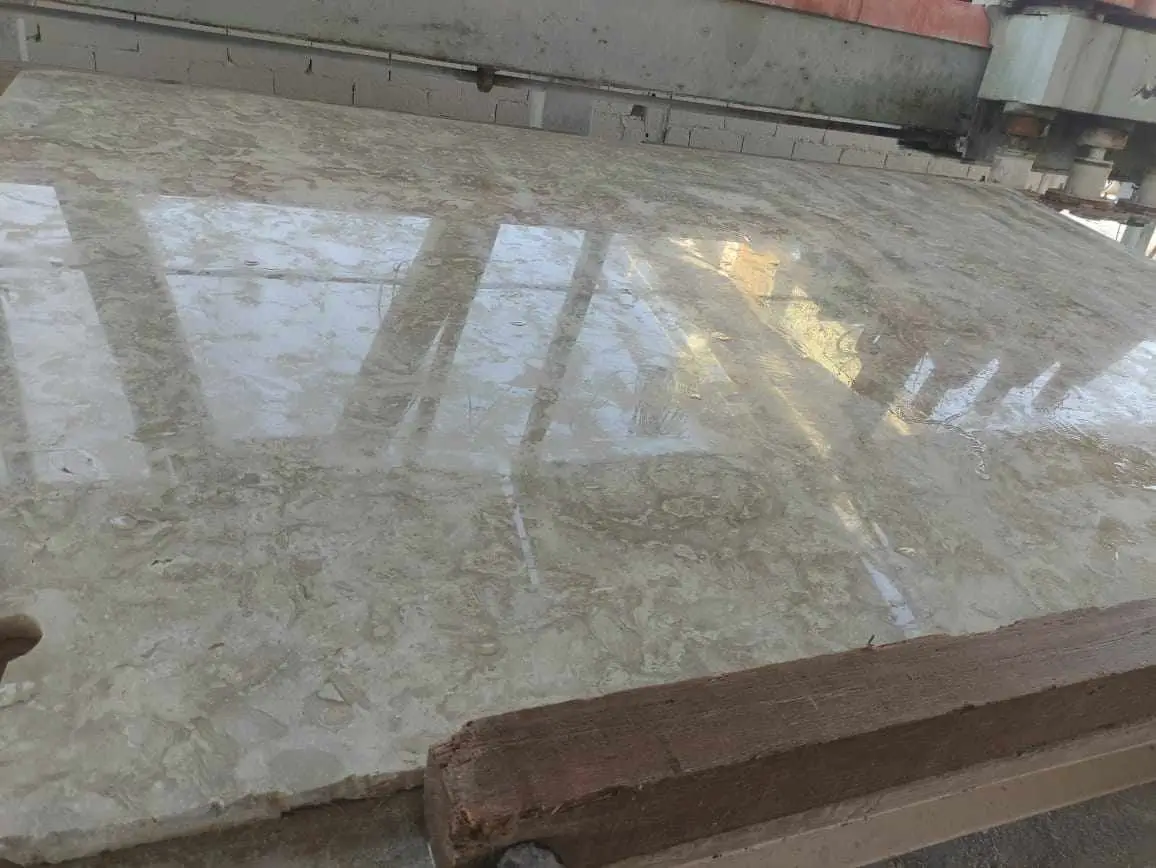
Natural stone pavers offer something concrete simply cannot replicate: geological authenticity. Each piece carries tonal variation, veining, and surface micro-texture that evolved over millions of years of sedimentary compression or volcanic activity. In Arizona’s landscape context, that authenticity reads as belonging — the material feels like it could have been quarried from the earth beneath the property itself.
Travertine, limestone, and basalt each carry distinct color families that align naturally with different Arizona regional palettes. Travertine’s warm creams and golds pair intuitively with Scottsdale‘s warm-toned stucco and terracotta architectural traditions, while darker basalt reads as contemporary and grounded in the volcanic geology of the state’s northern highlands.
- Travertine’s natural pitting and vein movement creates low visual noise — the eye doesn’t catch on it in the way it might on a busy pattern
- Limestone’s muted variation in buff and sand tones recedes into the landscape, making planting and architecture the dominant visual elements
- Basalt’s charcoal-gray palette provides strong contrast against light desert gravel and sand-colored walls without the harshness of black concrete
- Irregular natural stone surfaces scatter light differently across the day, creating a surface that shifts subtly in appearance from morning to afternoon — a quality no concrete product achieves
For projects working with desert xeriscaping, natural stone’s matte, non-reflective surface reduces visual competition with the planting scheme. The surface absorbs and re-radiates light in patterns that feel compatible with the texture of desert vegetation — an aesthetic benefit that goes largely unappreciated until you see both materials side by side in the same setting. When evaluating the best outdoor paving material for Arizona climate, this integration quality consistently separates natural stone from manufactured alternatives in desert residential applications.
Where Concrete Pavers Make Sense in Arizona Design
Concrete pavers aren’t the wrong choice — they’re the right choice in specific design contexts, and misapplying them is as problematic as dismissing them outright. Understanding where concrete performs aesthetically in Arizona landscapes helps you make a more honest comparison.
Contemporary desert modernism — particularly the clean-lined architecture common in newer Tucson residential developments, where lot sizes and streetscape character differ from Phoenix-area sprawl — often benefits from concrete’s dimensional precision. Large-format concrete pavers with controlled color variation can carry a minimalist design scheme without the unpredictability that some clients find difficult to work with in natural stone.
- Concrete pavers offer tighter dimensional tolerances, which suits grid-pattern layouts and formal geometric design schemes
- Manufactured pigmentation allows specifiers to match concrete pavers to specific architectural paint colors — something natural stone can only approximate
- Tumbled concrete pavers can approximate the worn-edge quality of natural stone flagging, though the surface texture remains distinctly different under close inspection
- For high-traffic commercial-adjacent applications like long driveways, concrete’s consistent thickness reduces installation complexity and potential for lippage
The honest limitation of concrete in the stone pavers versus concrete pavers Arizona context is UV-driven color fade. Concrete pigmentation is surface-deep relative to natural stone’s inherent mineral color, and Arizona’s UV index — among the highest in the continental United States — accelerates pigment breakdown more aggressively than in temperate climates. A concrete paver that looks appropriately warm-toned at installation may read as flat and chalky within three to five years without diligent sealing maintenance.
Thermal Performance and Its Aesthetic Consequences
Thermal behavior isn’t just a comfort metric — it directly affects how your paving surfaces look and hold up over years of Arizona sun exposure. Surface temperature differentials between natural stone and concrete pavers can reach 15–25°F under identical summer conditions, with concrete typically running hotter due to its higher thermal mass and lower reflectivity in standard finishes.
The surface behavior you want for your Arizona outdoor space depends heavily on how you use it. Entertainment zones where guests walk barefoot demand lower surface temperatures — and natural stone’s thermal characteristics generally serve that need better than dark concrete. Transitional zones between the house and pool, where foot traffic is intermittent, tolerate higher surface temperatures more easily.
- Travertine with a tumbled or brushed finish reflects significantly more solar radiation than smooth-finish concrete pavers in equivalent tones
- Light-colored limestone can maintain surface temperatures 20–30°F below equivalent concrete in peak summer afternoon conditions
- Darker natural stones — basalt, dark granite — perform closer to concrete thermally, so finish and color tone matter more than material category alone
- Concrete’s higher thermal mass stores heat longer into the evening, which affects how comfortable outdoor living areas feel during Arizona’s warm nights
For specifiers focused on the best outdoor paving material for Arizona climate from a thermal standpoint, the key variable is surface finish rather than material type alone. A honed light limestone and a similar-toned smooth concrete paver of equivalent albedo will perform comparably — the larger differentiation comes from finish texture, which affects both heat retention and aesthetic character simultaneously.
Format and Scale: The 18 Inch Paver Material Comparison for Arizona Yards
Format selection matters enormously in Arizona’s outdoor design context, and it’s an area where natural stone and concrete pavers diverge in practically important ways. Larger format pavers — 18×18 and above — read as more contemporary and architecturally resolved in open desert settings, where small-format pavers can appear busy against the expansive visual character of the landscape.
Selecting the right size and material is linked — and for Arizona projects, the 18 inch paver material comparison across natural stone and concrete options reveals meaningful differences in how each material handles large-format cutting and finishing. Natural stone’s inherent variation means each 18×18 piece carries unique character; concrete’s manufactured consistency means 18×18 tiles read as a repeating unit, which suits some design intentions and detracts from others. You can explore 18×18 patio stone options at Citadel Stone to compare available material families and finishes side by side.
In terms of field performance, 18×18 patio stone in Arizona must accommodate the state’s significant thermal expansion cycles. Natural stone’s expansion coefficient — typically ranging from 3.5 to 5.5 × 10⁻⁶ per °F depending on stone type — requires joint spacing of at least 3/16 inch in large-format applications, with expansion relief joints every 10 to 12 linear feet in exposed installations. Concrete expands at roughly 5.5 to 6.5 × 10⁻⁶ per °F and requires similar joint accommodation. This Arizona large format paver surface comparison guide to expansion tolerances applies equally to residential patios and commercial-adjacent entry courts where thermal cycling is most pronounced.
Porosity, Sealing, and Long-Term Surface Maintenance
Natural stone’s porosity is frequently cited as a liability — but in Arizona’s climate, the calculus is more nuanced than that framing suggests. The low desert receives relatively limited annual rainfall, which reduces the sustained moisture intrusion that makes porosity problematic in wetter climates. The real porosity concern in Arizona is staining from landscape irrigation overspray, pool chemicals, and tannin transfer from organic debris during monsoon season.
Concrete pavers are marketed as lower maintenance, but that comparison depends heavily on the base assumptions. Concrete’s alkali-silica reactivity can cause surface crazing when exposed to repeated wetting and drying cycles — a process accelerated by Arizona’s monsoon-to-drought pattern. Natural stone sealed with a penetrating impregnator at installation and resealed every two to three years outperforms many concrete pavers on surface integrity over a 15-year horizon.
- Penetrating impregnator sealers — not topical film sealers — are the correct choice for Arizona natural stone; film sealers trap heat and peel in high-UV environments
- Concrete pavers require different sealer chemistry than natural stone — applying natural stone sealers to concrete can cause whitening and efflorescence
- Monsoon debris should be cleared promptly from both materials to prevent tannin staining, particularly under desert ironwood and mesquite plantings
- Resealing intervals in Arizona should be shortened from national recommendations — the UV exposure accelerates sealer breakdown regardless of material type
At Citadel Stone, we conduct moisture absorption testing on incoming stone shipments before they reach warehouse storage, which lets us provide sealing recommendations calibrated to actual porosity readings rather than generic material category averages. That distinction matters in practice — two travertine products from different quarry sources can show 40% variance in absorption rate, which directly affects your sealing schedule and long-term maintenance costs.
Base Preparation: Where the Real Performance Differences Emerge
Both natural stone and concrete pavers are only as good as the base beneath them — and in Arizona, base preparation introduces variables that most product-focused comparisons overlook entirely. Arizona’s expansive clay soils in the lower elevations and caliche-dominated profiles across much of the Phoenix basin create base conditions that behave very differently from the compacted gravel profiles described in generic installation guides.
In Flagstaff and northern Arizona, the relevant variable shifts to freeze-thaw cycling. At elevations above 6,500 feet, paver installations face soil heave pressures that can unseat even well-set concrete pavers within two or three winters if the base depth is insufficient. The minimum compacted base depth for freeze-thaw climates is 8 inches of 3/4-inch clean compactable aggregate — a specification that differs substantially from the 4-inch base adequate for Phoenix-area low-desert installations.
- Caliche hardpan, when properly prepared and stabilized, provides excellent sub-base bearing capacity — better than imported aggregate in many cases
- Expansive clay soils require geotextile fabric separation between native soil and base aggregate to prevent migration and loss of base depth over time
- Natural stone’s dimensional weight (travertine at approximately 160 lbs/ft³, limestone at 150–165 lbs/ft³) means truck delivery logistics for large projects deserve planning — verify driveway access weight limits before scheduling drops
- Slope to drain of 1/8 to 1/4 inch per linear foot must be established at the base level, not corrected in the paver layer — attempting to build slope into paver installation causes lippage and pooling
The best outdoor paving material for Arizona climate performs well precisely because its installation accounts for local soil and drainage conditions — not because the material is inherently superior on paper. A premium natural stone product installed on an inadequate base will fail before a mid-grade concrete paver on a properly engineered base. Base preparation isn’t where homeowners want to economize.
Natural Stone vs. Porcelain Outdoor Pavers in Arizona: A Third Option Worth Addressing
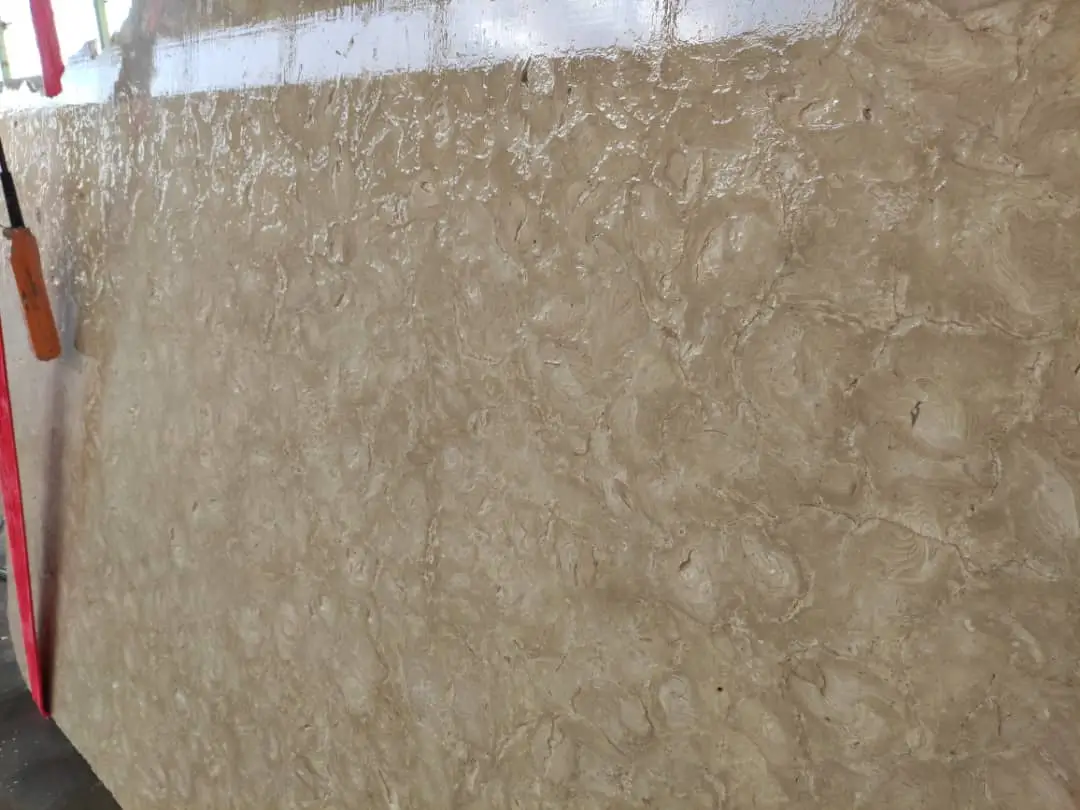
Any Arizona large format paver surface comparison guide would be incomplete without addressing porcelain, which has emerged as a significant competitor in the premium outdoor paving market. The natural stone vs porcelain outdoor pavers in Arizona comparison matters because porcelain occupies a different performance and aesthetic position than concrete — and understanding all three categories helps you make a fully informed specification decision.
Porcelain pavers offer near-zero porosity, excellent UV color stability, and dimensional precision that exceeds both natural stone and concrete. Their limitation in Arizona’s design context is primarily aesthetic — porcelain’s consistent manufactured surface lacks the visual depth and material authenticity that integrates naturally with desert landscape design. They read as polished and urban in a way that can feel incongruous with the organic character of xeriscaping or traditional Sonoran architecture.
- Porcelain’s hardness (typically 8 on the Mohs scale) makes field cutting require diamond blades and professional-grade equipment — not a DIY-friendly material
- Slip resistance ratings for porcelain vary significantly between products — exterior installations require DCOF (Dynamic Coefficient of Friction) values above 0.42 for wet conditions
- Porcelain pavers are available in natural stone visual mimics, but the manufactured surface reads differently in direct sunlight than authentic stone — experienced designers recognize the difference
- In terms of long-term color retention, porcelain outperforms both natural stone and concrete under Arizona’s UV load — a genuine performance advantage for maintenance-averse clients
The natural stone vs porcelain outdoor pavers in Arizona decision ultimately comes down to whether material authenticity or zero-maintenance performance takes priority in your project brief. The comparison framework for Arizona homeowners has three branches rather than two: natural stone for authentic material character and landscape integration, concrete for cost-controlled geometric precision, and porcelain for maximum durability with a more contemporary visual language. The stone pavers versus concrete pavers Arizona decision should always be made with that broader material context in view.
Cost, Value, and the Arizona Longevity Equation
Material cost comparisons between natural stone and concrete pavers require a life-cycle framing rather than a per-square-foot snapshot. Initial installed cost for natural stone typically runs 20–40% higher than comparable concrete pavers, depending on stone type, finish, and sourcing. That gap narrows significantly when you account for the maintenance cost differential and the replacement cycle considerations over a 20-year horizon.
Concrete pavers in Arizona’s high-UV environment typically require re-sealing every 18 months to two years to maintain color integrity — a tighter schedule than the 3-year interval adequate for well-sealed natural stone in the same climate. Color restoration products for faded concrete pavers add further cost. Natural stone’s mineral color is intrinsic and doesn’t fade in the same way; aged natural stone often develops a patina that adds character rather than detracting from it.
- Natural stone pavers with proper joint sand maintenance and biennial sealing can realistically achieve 25–35 year service life with no surface replacement
- Concrete pavers typically show surface craze cracking and color fade requiring full replacement at 15–20 years under Arizona UV conditions
- Resale value assessments frequently cite natural stone hardscape as a stronger premium contributor than concrete — relevant for high-value residential markets like Scottsdale and Paradise Valley
- Warehouse availability of matching materials for future repairs matters — natural stone from the same quarry lot can be difficult to match years later, so ordering 5–10% overage at installation is essential
Our technical team at Citadel Stone advises clients to calculate cost on a 20-year per-square-foot basis rather than initial installation cost. In most Arizona scenarios, natural stone’s initial premium is recovered within the first maintenance cycle and the value differential compounds positively from that point forward. Warehouse stock levels for your selected stone family are worth confirming early in the project timeline — material continuity between initial installation and future repair phases is a practical advantage that often goes unplanned until it becomes a problem.
Making the Right Call on Stone Pavers Versus Concrete Pavers in Arizona
The stone pavers versus concrete pavers Arizona comparison ultimately resolves around two variables: the design context your project demands and the performance timeline you’re planning for. In the vast majority of Arizona residential applications — xeriscaped courtyards, pool surrounds, front entry approaches, covered patios — natural stone delivers a level of aesthetic integration and material longevity that concrete pavers simply don’t match over a full project lifecycle. Concrete earns its place in budget-constrained applications, high-traffic commercial-adjacent zones, and contemporary minimalist designs where controlled uniformity is the specific design goal.
The best outdoor paving material for Arizona conditions isn’t a universal answer — it’s a site-specific, design-specific decision that gets better when it’s informed by both aesthetic intent and honest performance expectations. As you finalize your material selection and prepare for installation, practical long-term care planning should run parallel to your specification process. How to Maintain 18×18 Stone Pavers in Arizona’s Climate is a useful companion resource as you think through the care protocols for large-format natural stone in this region’s specific conditions. Homeowners in Mesa, Tempe, and Peoria consistently note that Citadel Stone’s 18×18 patio stone retains its natural color variation longer than standard concrete pavers exposed to Arizona’s high UV index.