You’ll learn practical vetting strategies, cost considerations specific to island delivery, performance requirements for salt-air durability, and gain access to a downloadable checklist that streamlines your supplier selection process. By the end of this guide, you’ll have the knowledge to confidently choose a stone supplier who understands island constraints and can deliver quality materials on time and within budget.
Local vs. Imported Stone — Pros and Cons for Island Projects
Benefits of Local Suppliers & Quarries
Working with a local stone supplier offers significant advantages for island projects. Reduced freight costs represent the most immediate benefit—eliminating ocean shipping can cut material costs by 20-40% while dramatically shortening lead times from months to weeks. Local suppliers understand your island’s climate challenges, from hurricane seasons to salt spray patterns, and typically stock materials proven to perform in your specific environment.
Local quarries also provide faster response times for rush orders, easier access to additional materials mid-project, and established relationships with island-based contractors and freight handlers. Many local suppliers offer just-in-time delivery services that reduce your on-site storage requirements—a critical advantage when space is limited and secure storage expensive.
When Imported Stone Makes Sense
Despite logistical challenges, importing stone often becomes necessary for specific project requirements. Unique aesthetic demands, such as matching existing historical stonework or achieving particular design visions, may require materials unavailable locally. Some imported stones, despite higher freight costs, offer better long-term value through superior durability or lower maintenance requirements.
Large-scale projects can achieve economies of scale with import stone to island operations, particularly when combining multiple material types in single shipments. Premium projects often justify import costs when local materials cannot meet architectural specifications or when clients specifically request exotic stone varieties for prestige or design continuity with other properties.
Hybrid Strategies
The most cost-effective approach often involves combining local and imported materials strategically. Use local stone for structural elements, large-format applications, and areas where aesthetics are secondary to function. Reserve imported materials for focal points, detailed work, or applications requiring specific performance characteristics unavailable locally.
This hybrid approach optimizes both budget and logistics while ensuring design integrity. Coordinate deliveries to arrive simultaneously when possible, reducing demurrage costs and simplifying on-site material management.
Critical Logistics & Delivery Considerations
Shipping Modes & Typical Routes to Islands
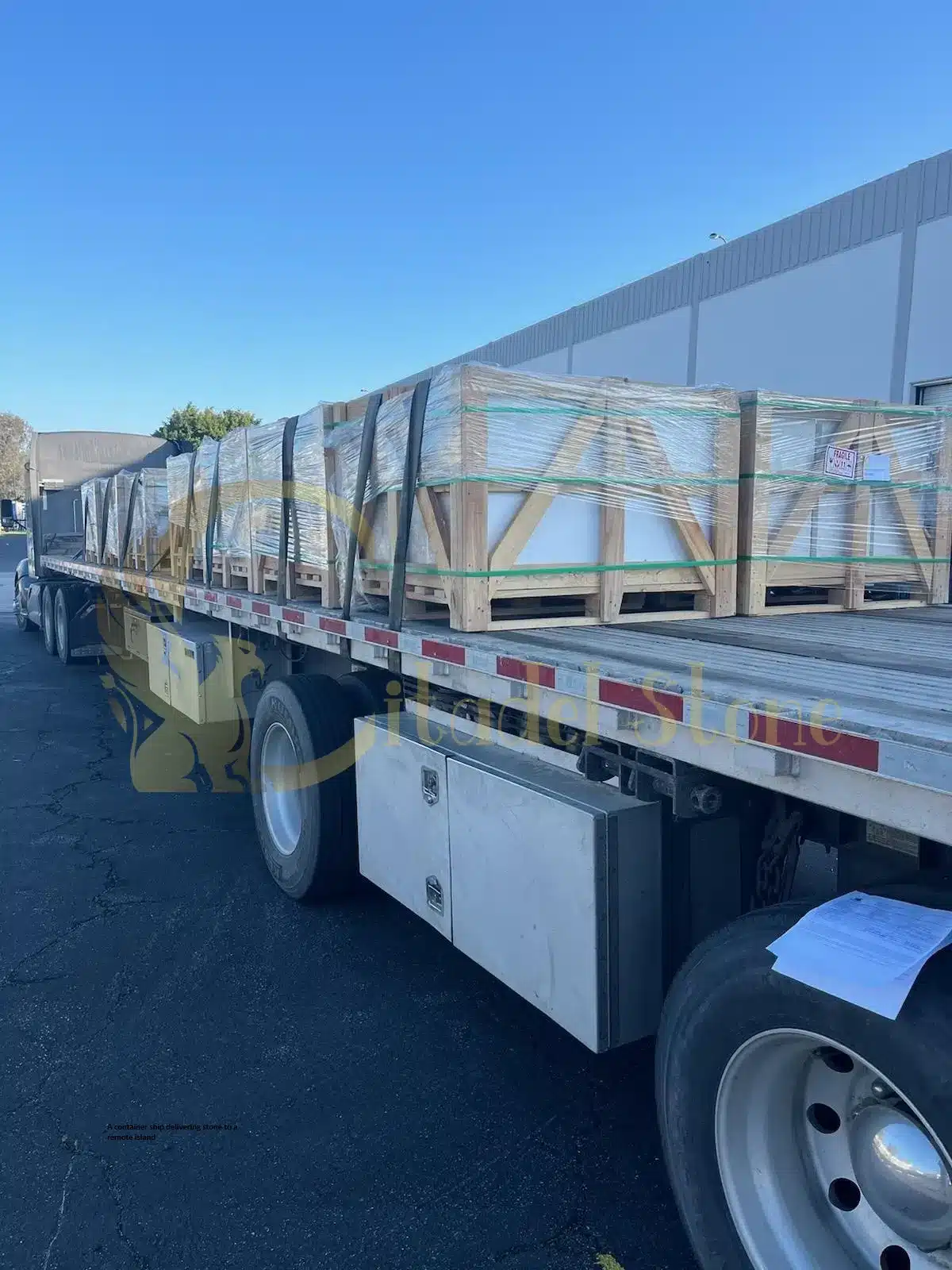
Understanding island stone delivery options helps you plan realistic timelines and budgets. Roll-on/roll-off ferries work well for palletized materials and regular deliveries but may have weight restrictions and limited scheduling flexibility. Container shipping provides secure transport for valuable materials but requires proper loading equipment at both ends and may involve consolidation delays.
Barge transport handles heavy, bulk shipments cost-effectively but requires suitable dock facilities and weather-dependent scheduling. For urgent samples or small quantities, air freight becomes viable despite higher per-pound costs. Most island stone logistics involve combinations of these methods, with suppliers coordinating the most efficient routing for your specific requirements.
Customs, Duties & Local Regulations
International stone shipments require proper documentation that your supplier should provide. Essential documents include commercial invoices with detailed product descriptions, packing lists showing weights and quantities, and certificates of origin proving material source. Some islands require additional permits for quarry products or impose environmental restrictions on certain stone types.
Understand who bears responsibility for customs duties—typically the buyer unless specifically negotiated otherwise. Factor duty costs, usually 3-15% of material value, into project budgets. Work with suppliers experienced in your island’s customs procedures to avoid delays and ensure compliance with local import regulations.
On-Island Handling & Unloading Requirements
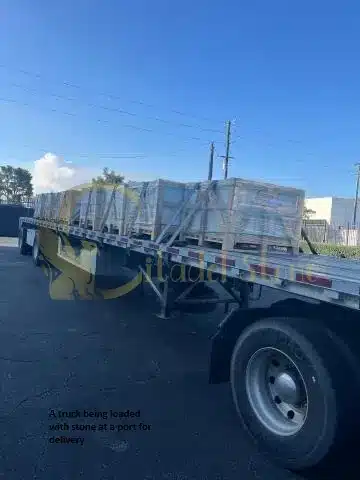
Successful stone delivery requires coordination between your natural stone supplier, freight handlers, and on-site team. Verify that delivery vessels can access your project dock and that adequate crane or forklift capacity exists for unloading. Many islands lack specialized stone handling equipment, requiring suppliers to coordinate portable solutions or modify packaging for manual handling.
Establish clear staging areas with appropriate ground conditions for heavy stone storage. Consider security requirements, weather protection, and accessibility for project crews. Typical lead times range from 4-12 weeks for imported materials, with local sources delivering in 1-4 weeks. Plan around seasonal weather patterns that may restrict shipping during hurricane seasons or rough sea periods.
Stone Performance in Coastal Climates
Key Material Properties to Prioritize
Coastal environments demand stone materials with specific performance characteristics. Low porosity and water absorption rates, typically below 3% for most applications, prevent salt penetration and freeze-thaw damage. High density materials generally offer better durability and resistance to salt crystallization, a major cause of stone deterioration in marine environments.
Compressive strength above 8,000 PSI ensures structural integrity under coastal loading conditions. Pay attention to the stone’s geological composition—some limestone varieties perform poorly in salt air, while granites and certain sandstones excel. Request petrographic analysis to understand mineral composition and identify potential vulnerability to salt exposure.
Finishes & Surface Choices for Salt Air & Wet Areas
Surface finish significantly impacts both safety and durability in coastal applications. Honed finishes provide slip resistance while minimizing salt accumulation in surface textures. Flamed finishes offer excellent traction but create micro-fractures that may accumulate salt over time. Bush-hammered surfaces balance texture with cleanability but require more maintenance.
For wet areas and pool decks, prioritize slip-resistance testing results and coefficient of friction ratings. Avoid highly polished finishes in exterior applications where salt spray creates slippery conditions. Consider how different finishes will weather and age in your specific microclimate.
What Test Reports to Ask For
Demand comprehensive testing documentation from your stone supplier. ASTM C170 compressive strength tests verify structural adequacy, while ASTM C88 salt crystallization (soundness) testing specifically evaluates coastal performance. Water absorption testing per ASTM C97 identifies materials suitable for freeze-thaw environments if relevant to your location.
Request test reports from recognized laboratories, not supplier-generated data. Look for salt spray testing results (ASTM B117 or equivalent) that simulate long-term coastal exposure. Petrographic reports provide detailed mineral analysis and can predict potential chemical reactions with environmental factors.
Vetting & Due Diligence: How to Evaluate a Supplier
Documentation to Request
Professional stone suppliers readily provide comprehensive documentation for their materials and operations. Request current material data sheets showing physical properties, chemical composition, and performance characteristics. Verify test certificates from independent laboratories, not in-house testing facilities.
Environmental product declarations (EPDs) demonstrate sustainability commitments and help with green building certifications. Chain-of-custody documentation ensures ethical sourcing and legal quarry operations. Natural stone suppliers reluctant to provide detailed documentation raise immediate red flags about their professionalism and material quality.
Facility & Yard Checks (What to Inspect)
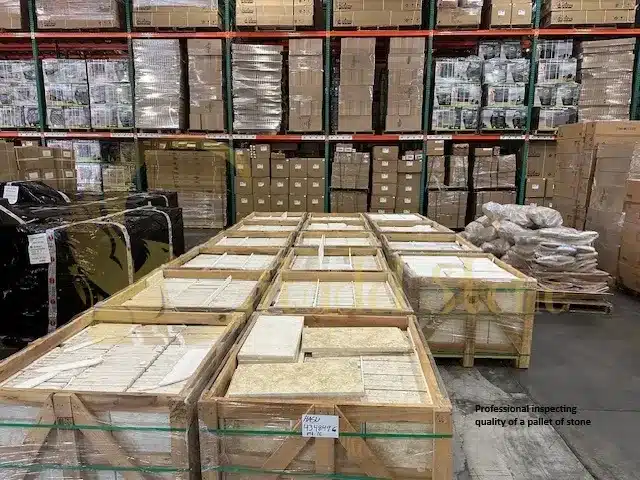
Visit best stone supplier facilities whenever possible to assess their operations firsthand. Well-organized yards with covered storage areas protect materials from weather and contamination. Look for proper inventory management systems that prevent material mix-ups and ensure consistent quality.
Examine material handling practices—professional suppliers use appropriate lifting equipment and protective measures to prevent damage during loading and transport. Poor storage conditions, such as materials sitting directly on soil or exposed to contaminants, indicate questionable quality control standards.
References & Local Project Evidence
Request references from recent island projects similar to yours in scope and materials. Contact previous clients to verify supplier performance regarding delivery timing, material quality, and problem resolution. Ask to see photos of completed installations and, if possible, visit projects to inspect material performance after installation.
Natural stone suppliers with extensive island experience understand unique challenges and have developed solutions for common problems. Be cautious of suppliers new to island logistics who may underestimate complexities and over-promise delivery capabilities.
Pricing, Quotes & Contract Clauses for Island Work
Reading a Supplier Quote — Freight, Duties, Staging, and Demurrage
Island stone quotes include numerous cost components beyond material prices. Freight charges vary significantly based on shipping method, distance, and handling requirements. Verify whether quotes include all freight costs to your final destination or only to the nearest port, leaving additional trucking and handling costs to you.
Demurrage charges apply when vessels wait beyond allocated unloading time—typically 4-24 hours depending on shipping method. Factor these potential costs into budgets and ensure adequate handling resources are available for delivery dates. Some suppliers include basic staging costs, while others charge separately for temporary storage and material organization.
How to Build Contingency for Breakage & Waste
Island projects require higher material overages due to extended transport and limited resupply options. Standard recommendations call for 7-10% overage for most applications, but island projects often need 12-15% to account for transport damage and installation challenges.
Fragile materials or complex fabricated pieces may require 20% or higher overages. Discuss breakage policies with suppliers—some provide replacement materials at cost, while others require full retail pricing. Factor these contingencies into initial orders rather than relying on quick resupply options that may not exist.
Contract Essentials to Reduce Risk
Strong contracts protect both parties and establish clear expectations for island deliveries. Include specific delivery windows with penalties for delays not caused by weather or port issues. Establish inspection procedures and acceptance criteria, including provisions for rejecting damaged or non-conforming materials.
Address insurance requirements for materials in transit and on-site storage. Include force majeure clauses that account for weather delays common in island shipping. Specify payment terms tied to delivery milestones rather than shipping dates, protecting you if materials are delayed or damaged in transit.
Value-Added Services to Prefer in a Supplier
On-Island Sample Drops and Mockups
Stone suppliers near me offering local sample services demonstrate commitment to your project success. Small sample shipments allow you to verify color, texture, and performance characteristics before committing to full orders. Some suppliers provide mockup panels showing different finish options and installation techniques.
These services reduce project risk and help avoid costly mistakes. Suppliers willing to invest in sample programs typically offer higher service levels and greater confidence in their materials. Use sample periods to test cleaning methods and observe how materials weather in your specific environment.
Fabrication, Cutting, and CNC Services
Coordinated fabrication services can significantly reduce on-site labor and improve installation quality. Suppliers with in-house or partnered fabrication capabilities can provide ready-to-install pieces that reduce construction time and eliminate field cutting errors.
CNC cutting services ensure precise fits and professional finishes, particularly important for complex architectural details. Some suppliers coordinate fabrication timing with delivery schedules, reducing storage requirements and ensuring materials arrive ready for immediate installation.
Just-in-Time or Staged Deliveries
Storage limitations make delivery timing critical for island projects. Suppliers offering staged deliveries coordinate material arrival with construction phases, reducing storage costs and security concerns. Just-in-time services require precise scheduling but optimize cash flow and site organization.
Explore our coastal stone collection to see materials specifically selected for island environments and salt-air durability.
Sustainability, Permitting & Local Community Considerations
Environmentally Responsible Quarrying
Island ecosystems require special consideration for quarrying operations. Suppliers committed to environmental responsibility maintain detailed restoration plans and minimize habitat disruption. Look for suppliers certified under environmental management standards or participating in industry sustainability programs.
Local quarrying can reduce transportation emissions while supporting island economies. However, ensure quarry operations comply with environmental regulations and community standards. Some islands restrict quarrying activities to protect sensitive ecosystems or cultural sites.
Local Hiring, Community Impact, and Social License
Suppliers investing in local communities through hiring and economic development earn social license to operate. This community support translates to more stable operations and better cooperation during project challenges. Ask suppliers about their local employment practices and community investment programs.
Consider how supplier operations impact local infrastructure and resources. Responsible suppliers coordinate with local authorities to minimize traffic impacts and contribute to infrastructure maintenance when their operations create additional wear.
Permitting Support and Documentation
Experienced island suppliers assist with permitting requirements specific to your location. They understand local building codes, environmental restrictions, and import regulations that may affect material selection. Some suppliers maintain relationships with local officials and can expedite permit processes.
Request documentation showing compliance with environmental and safety regulations. Suppliers should provide certificates of origin, environmental impact statements where required, and evidence of compliance with fair labor practices.
Island Supplier Checklist (Downloadable PDF Ready)
Use this comprehensive checklist when evaluating potential stone suppliers for your island project:
- Verify current test certificates (ASTM C97, C170, salt spray testing) from independent laboratories
- Confirm vessel unloading capability matches your project dock specifications
- Request complete documentation: commercial invoice, packing list, certificate of origin
- Review facility storage conditions and inventory management systems during site visit
- Obtain references from three recent island projects similar to your scope
- Clarify freight responsibilities, including demurrage charges and final delivery costs
- Establish breakage policies and recommended material overages for island delivery
- Verify insurance coverage for materials in transit and during on-site storage
- Confirm availability of local samples and mockup services before full order commitment
- Review fabrication and cutting services to reduce on-site labor requirements
- Assess supplier’s environmental compliance and community engagement practices
- Negotiate staged delivery options to minimize storage requirements and costs
Case Example: How an Island Resort Avoided a Major Delay
A 150-room resort development in the Caribbean faced a critical timeline with stone installation scheduled during the dry season construction window. The developer initially selected the lowest-cost supplier who promised eight-week delivery of imported limestone for pool decks and architectural accents.
Six weeks into the project, the supplier discovered their chosen limestone failed salt-spray testing and would deteriorate rapidly in the coastal environment. With construction crews mobilized and other trades depending on stone installation, the project faced a potential four-month delay and significant cost overruns.
The developer’s backup supplier, initially dismissed for higher pricing, stepped in with a comprehensive solution. They provided salt-resistant travertine from their existing inventory, modified fabrication to match original design specifications, and coordinated emergency shipping to meet the construction deadline. The supplier absorbed expedited freight costs and provided extended warranties to secure the contract.
The resort opened on schedule with superior materials that continue performing excellently after five years of exposure. The initial cost difference, approximately 15% higher, proved insignificant compared to the avoided delay costs and improved long-term durability. The lesson learned: comprehensive vetting and backup planning are essential for island projects where delays are expensive and material replacement options limited.
FAQs — Quick Answers for Island Buyers
How much extra stone should I order for island delivery? Plan for 12-15% overage for standard applications, with up to 20% for fragile or complex fabricated pieces. Island projects can’t easily obtain additional materials, making adequate initial quantities critical.
Who pays customs duties on imported stone? Typically the buyer pays import duties unless specifically negotiated otherwise. Budget 3-15% of material value for duty costs and verify documentation requirements with your supplier.
Can suppliers pre-seal stone before shipping? Many suppliers offer factory sealing services that protect materials during transport and reduce on-site preparation. This service particularly benefits porous stones and can improve long-term performance.
What shipping delays should I expect for island delivery? Local materials typically arrive within 1-4 weeks, while imported stone requires 4-12 weeks. Factor seasonal weather patterns and potential customs delays into project scheduling.
How do I verify a supplier’s island project experience? Request references from recent island projects and photos of completed installations. Visit completed projects if possible to assess material performance and installation quality firsthand.
What happens if materials arrive damaged? Establish clear inspection procedures and acceptance criteria in contracts. Professional suppliers provide replacement materials, but delivery timing may impact project schedules—another reason for adequate overages.
Conclusion & Next Steps
Selecting the right stone supplier on your island requires careful evaluation of logistics capabilities, material expertise, and service commitment. Success depends on understanding the unique challenges of island construction and partnering with suppliers who demonstrate proven experience in coastal environments.
Start your supplier selection process early, allowing adequate time for vetting, sample evaluation, and delivery coordination. Use the comprehensive checklist provided to ensure you address all critical factors. Remember that the lowest initial price rarely represents the best value when considering total project costs and long-term performance.
Contact our island logistics specialists for assistance with material selection and delivery planning tailored to your specific location.
Contact Citadel Stone today for expert island sourcing, comprehensive logistics planning, and sample kits specifically selected for coastal durability. Our team understands island construction challenges and provides the documentation, testing, and delivery coordination your project demands.