Stone masonry wall cost figures vary more than most project budgets anticipate — not because suppliers are unpredictable, but because the cost drivers are layered in ways that standard square-foot quotes rarely capture. Stone masonry wall cost is shaped by material grade, mortar specification, wall thickness, foundation requirements, and stone type — each contributing independently to the final number, and when you combine them without a clear breakdown, estimates drift far from reality. Understanding what’s actually moving the cost needle is the only reliable way to budget accurately from the start.
What Drives Stone Masonry Wall Cost
The single biggest misunderstanding in natural stone masonry construction is treating stone as the primary cost variable. Stone material typically accounts for 30–45% of total project cost. The remaining 55–70% is split between labor, foundation and footing work, mortar and bedding materials, drainage provisions, and project complexity factors. Before you price a project, you need to break down all five categories — not just the stone tonnage.
- Stone material cost: $15–$65 per square foot depending on species, finish, and sourcing distance from the warehouse
- Mortar and grout: $3–$8 per square foot for standard Type S mortar; specialty mortars for freeze-thaw regions run higher
- Foundation and footing: $10–$25 per linear foot for shallow-frost footings; deeper frost lines require more concrete and excavation
- Labor: $20–$55 per square foot for skilled stone masonry installation; dry-stack work runs at the high end due to fitting complexity
- Drainage and waterproofing: $4–$12 per linear foot for retaining applications
For a straightforward garden wall at 3 feet high and 20 linear feet, you’re looking at a realistic total range of $4,500–$14,000 depending on these variables. Larger retaining walls or structural boundary walls with engineered footings push well past $20,000 without careful specification.
Stone Type and Material Cost Ranges
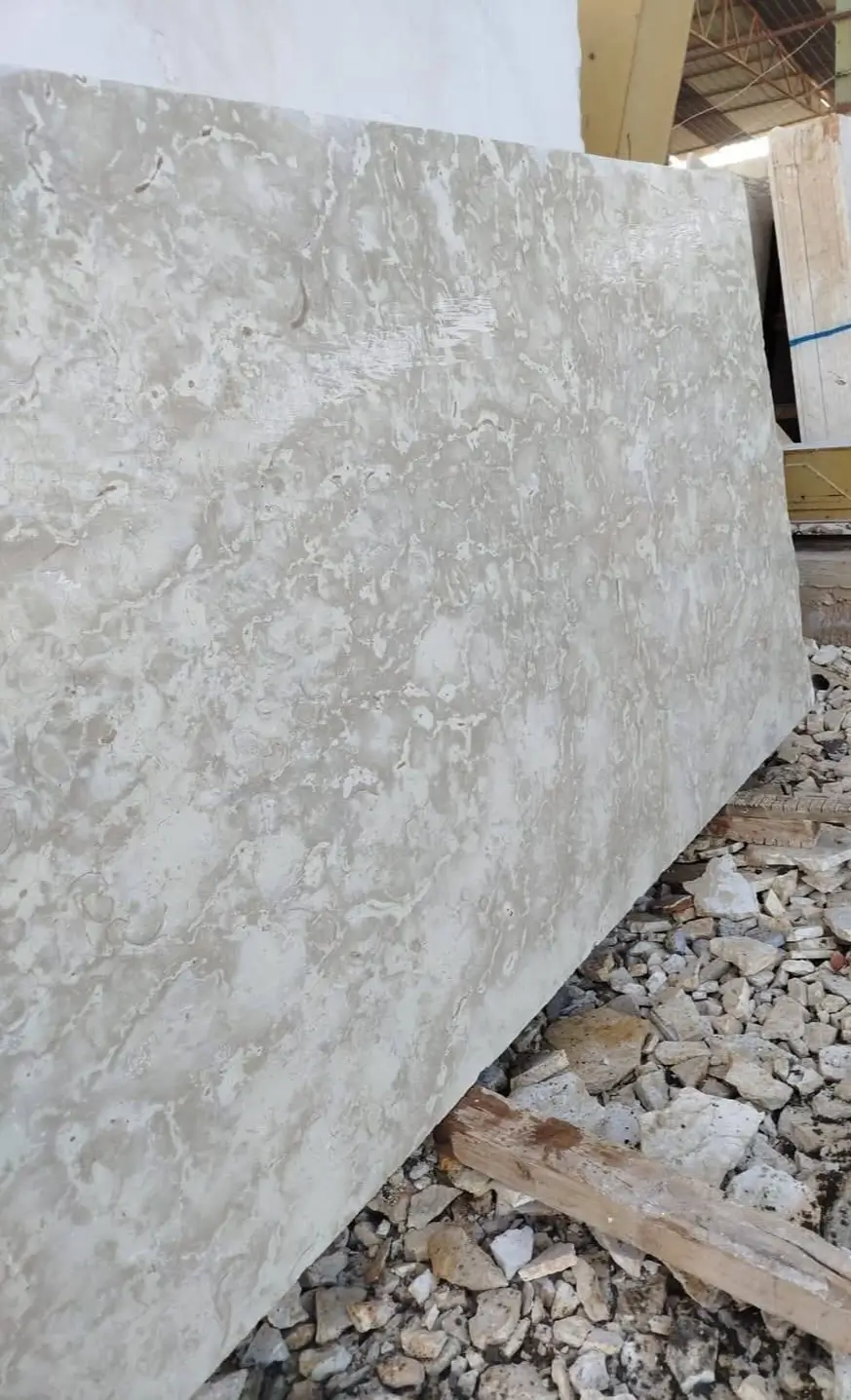
Your stone selection has a direct and significant effect on the total stone masonry wall cost, and not always in the direction you’d expect. Locally quarried fieldstone can look inexpensive per ton, but irregular sizing demands more labor hours to fit — often erasing the material savings entirely. Dressed ashlar block costs more per unit but installs faster, reducing the labor component substantially.
- Fieldstone and rubble: $8–$22 per square foot of wall face — low material cost, high labor
- Limestone ashlar block: $18–$45 per square foot — consistent sizing reduces cutting and fitting time
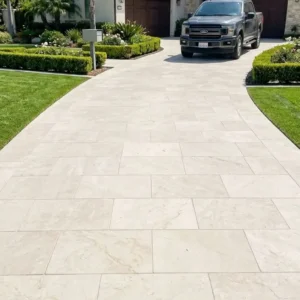
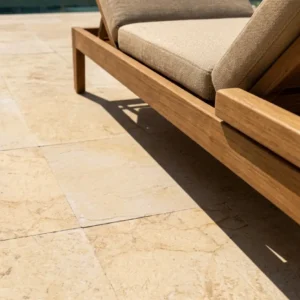
- Sandstone and flagstone walling: $15–$40 per square foot — mid-range, good visual impact
- Granite walling: $25–$65 per square foot — premium material, exceptional durability under mechanical stress
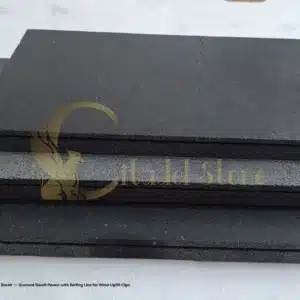
- Basalt block: $20–$50 per square foot — dense, high compressive strength, excellent for structural walls
According to Natural Stone Institute wall stone installation guidance, dimensional consistency in cut stone significantly reduces total installed cost by shortening fitting and adjustment time on site. This is a critical consideration when you’re comparing bids — a lower material cost can easily be offset by a higher labor charge if the stone requires extensive field cutting.
Working with stone masonry across different project types, you’ll find that limestone and basalt typically offer the best cost-to-performance ratio for walling. Both materials deliver high compressive strength, accept mortar well, and are available in formats that balance installation speed with aesthetic quality.
Wall Type and Structural Specification
The wall’s intended purpose shapes nearly every cost decision downstream. A decorative garden wall and a load-bearing boundary wall share the same stone, but that’s roughly where the similarity ends. Structural walls require engineered footings, specific mortar grades, wall ties in veneer applications, and in many jurisdictions, a building permit with inspections — all of which add real cost.
- Decorative garden wall (non-structural): Simpler footing, flexible mortar spec, no permit required in most jurisdictions
- Boundary or privacy wall: Typically requires footing depth to local frost line, specific wall thickness (minimum 12 inches for freestanding walls over 4 feet)
- Retaining wall: Engineered drainage behind the wall, possible geogrid reinforcement, drainage pipe, and filter fabric — add $15–$30 per linear foot
- Stone veneer over CMU: Reduces structural stone requirements but adds block and labor for the backup wall
The IBC Chapter 21 masonry building code requirements set the baseline for structural stone masonry in commercial and residential construction. Your project may require compliance review before work begins — factor that into your timeline and soft costs.
Mortar Specification and Joint Integrity
Mortar is the detail most budgets underspecify, and it’s the one that determines how your wall performs under real-world conditions. The joint is the weakest point in any masonry system — not because good mortar is weak, but because a poor mortar choice or bad joint finishing creates pathways for moisture infiltration and progressive joint failure.
For walls exposed to wind-driven rain, the mortar specification matters considerably. Wind loads push moisture laterally into joints at pressures that gravity drainage doesn’t replicate. Raked or recessed joints that look attractive in fair weather become collection points under storm conditions, and if the mortar has any porosity from incorrect water-to-cement ratios, you’ll see joint degradation within a few seasons. Natural stone masonry walls in exposed locations need a Type S mortar at minimum — Type M for walls that bear significant lateral load or see sustained wind pressure.
- Type N mortar: General-purpose, suitable for above-grade non-structural work in sheltered locations
- Type S mortar: Recommended for most outdoor stone masonry construction — good bond strength and moderate flexibility
- Type M mortar: High-strength, used for below-grade applications, retaining walls, and walls with significant structural demand
- Lime-based mortar: Higher flexibility and breathability — appropriate for historic restoration and some soft stone applications
The mortar cost differential between Type N and Type S is minimal — under $1.50 per square foot in most cases. There’s no financial reason to underspecify mortar; the downside risk of premature joint failure is substantially more expensive than the upfront savings.
Labor Cost Factors in Natural Stone Masonry
Labor is where most stone masonry wall cost estimates go wrong. A specifier who quotes materials accurately but underestimates labor hours ends up with a budget shortfall that surfaces mid-project. Natural stone masonry is skilled work — the rate for an experienced mason is $50–$90 per hour in most markets, and production rates depend heavily on stone format and wall complexity.
Dry-stack walling — where stones are fitted without mortar — requires significantly more time per square foot than mortared work. Each stone must be selected and positioned to distribute load naturally through the wall’s mass, which demands experience and patience. Expect dry-stack production rates of 15–25 square feet per mason-day versus 35–50 square feet for mortared ashlar work. That difference translates directly into your labor line item.
- Irregular fieldstone (mortared): 20–30 sq ft per mason-day
- Ashlar limestone or sandstone (mortared): 35–50 sq ft per mason-day
- Dry-stack fieldstone: 15–25 sq ft per mason-day
- Stone veneer over CMU: 40–60 sq ft per mason-day — faster because backup structure is pre-built
- Cut and dressed granite block: 25–40 sq ft per mason-day — higher precision requirement slows progress
At Citadel Stone, we recommend specifying stone in formats matched to your mason’s experience level and project timeline. A mason less familiar with highly irregular stone will work slower and produce more waste, which affects both cost and quality. Dimensional block and ashlar formats de-risk the labor variable considerably.
Wind and Storm Load Considerations for Walling
Structural performance under wind loading is an underweighted factor in most residential stone masonry specifications. A freestanding wall behaves as a vertical cantilevered structure under lateral wind pressure, and its resistance to overturning depends on wall thickness, mass, footing depth, and joint integrity — all of which have direct cost implications.
For walls in exposed locations, the design wind pressure calculation often drives the footing specification beyond what a basic frost-depth requirement would produce. A 4-foot freestanding stone wall on an open site exposed to frequent high winds may require a footing width of 24–30 inches versus the 16 inches typical for a sheltered garden wall. That additional concrete and excavation adds real cost — $8–$18 per linear foot depending on soil conditions.
- Walls over 4 feet in exposed locations should be engineered to applicable wind speed requirements
- Hail impact resistance favors dense, hard stone species — granite and basalt outperform softer limestone in direct impact scenarios
- Wind-driven rain penetration is managed through joint depth, mortar type, and wall face drainage — not stone species alone
- Pilasters at regular intervals (every 8–12 feet) dramatically increase lateral resistance without major material cost increases
- Capstone detailing at the wall top prevents water entry at the most vulnerable joint and reduces storm-related degradation
The Masonry Society natural stone wall construction standards provide the technical framework for wind load resistance in stone masonry design. Referencing these standards early in your specification process prevents costly redesign when a structural engineer reviews the drawings.
Stone Masonry Construction Sequencing and Cost Timing
Your project’s cash flow profile matters as much as its total cost. Stone masonry construction typically front-loads cost into excavation, footing concrete, and stone material procurement — all before a single course of stone is laid. Understanding this sequencing helps you avoid budget pressure mid-project when the visible progress is still minimal but the spend is already substantial.
Stone material should be ordered and confirmed from the warehouse before excavation begins. Lead times from a national stone warehouse to site typically run 1–3 weeks for standard walling stone, but specialty formats or less common species can extend to 4–6 weeks. Aligning your material delivery schedule with your excavation and footing cure timeline prevents the site idle time that inflates labor cost.
- Week 1–2: Excavation, footing pour, curing — approximately 20–30% of total project cost
- Week 2–4: Stone delivery confirmation and site staging — no additional cost but critical for schedule continuity
- Week 3–8: Stone masonry installation — largest single labor cost phase
- Week 8–10: Capping, pointing, drainage finishing, and cleanup — 10–15% of total cost
For projects where truck access to the site is constrained — tight driveways, stepped sites, or urban lots — factor in an additional $500–$1,500 for crane offloading or hand-bomb delivery from the street. Drivers working with a standard delivery truck need a clear, level approach of at least 40 feet to position safely for forklift offload. This detail catches budgets off guard more often than it should.
Getting Accurate Quotes for Your Project
The difference between a useful quote and a misleading one comes down to what the contractor has been asked to price. Vague scope produces vague numbers. Your RFQ to masonry contractors should specify wall dimensions in full (length, height, thickness), stone type and format, footing depth requirement, mortar specification, drainage provisions, and finish detailing. Any quote that doesn’t address all of these should be sent back for clarification before you compare it against others.
Pricing transparency matters on the supply side too. When you source through our transparent stone supply process at Citadel Stone, your material costs are itemized by stone type, tonnage, and delivery — not buried in a single project line item. That level of visibility lets you validate the material component of any contractor quote independently.
- Request itemized breakdowns: material, labor, plant, subcontractors, and contingency as separate line items
- Verify the stone specification matches your design intent — substituted stone grades change both cost and performance
- Check that footing specification reflects your actual soil conditions and local requirements
- Confirm what’s excluded — drainage, permits, and engineering are commonly omitted from initial quotes
- Ask for a unit rate schedule so scope changes can be priced consistently
According to USGS dimension stone production and use data, natural stone remains one of the most widely specified walling materials in construction due to its longevity and low lifecycle replacement cost. The upfront cost premium over manufactured block is typically recovered within 15–20 years through reduced maintenance and zero replacement cycles — a persuasive argument for clients comparing initial budget figures.
Making the Stone Masonry Wall Cost Work for Your Project
Stone masonry wall cost is a function of at least six interacting variables, and getting the budget right means accounting for all of them — not just the stone price per square foot. Your material selection, wall type, mortar specification, structural requirements, and site logistics each carry real weight in the final figure. The projects that stay on budget are the ones where those variables were defined and priced before the contractor was engaged, not during construction.
Natural stone masonry delivers a performance profile that manufactured alternatives genuinely don’t match — compressive strength above 8,000 PSI in most limestone species, multi-decade service life with minimal maintenance, and structural mass that resists both settlement and lateral forces effectively. The cost is real, but so is the return. For a different perspective on how historic approaches to stone construction inform modern practice, ancient stone masonry methods and their modern relevance offers a useful contrast to current specification thinking on natural stone masonry construction.
Plan your specification with the full cost picture in hand, source your stone from a supplier who can confirm warehouse inventory against your project timeline, and don’t let the material line item distract you from the labor and foundation variables that usually move the budget more. Sourced direct from quarries in Turkey, the Mediterranean, and beyond, Citadel Stone keeps walling stone priced by verifiable volume rather than guesswork.
Related reading: Stone Masonry Pointing Repair: Fix Failing Joints · slipform stone masonry method · how to choose masonry stone contractor.