

Red cobblestone pavers deliver something concrete specification sheets rarely capture: a warmth that actually deepens over time rather than fading into sameness. The iron oxide minerals responsible for those amber, terracotta, and burgundy tones are structural components of the stone — not surface treatments — which means the color you’re selecting today will still be reading correctly decades from now, provided you manage sun exposure and sealing correctly. That caveat about UV is worth addressing early, because it shapes both your finish choice and your long-term maintenance schedule in ways most project guides skip entirely.
What Gives Red Cobblestone Its Color
The red and warm-orange tones in cobblestone come primarily from iron oxide compounds — hematite being the most common — present throughout the stone matrix at the quarry level. You’re not dealing with a dye or a surface pigment. This matters practically because even heavy mechanical wear or deep weathering won’t strip the color the way it would from a stained concrete product. According to Natural Stone Institute granite specifications, iron-bearing granites and quartzites with high silica content maintain color fidelity across decades of outdoor exposure better than sedimentary alternatives with surface mineralization.
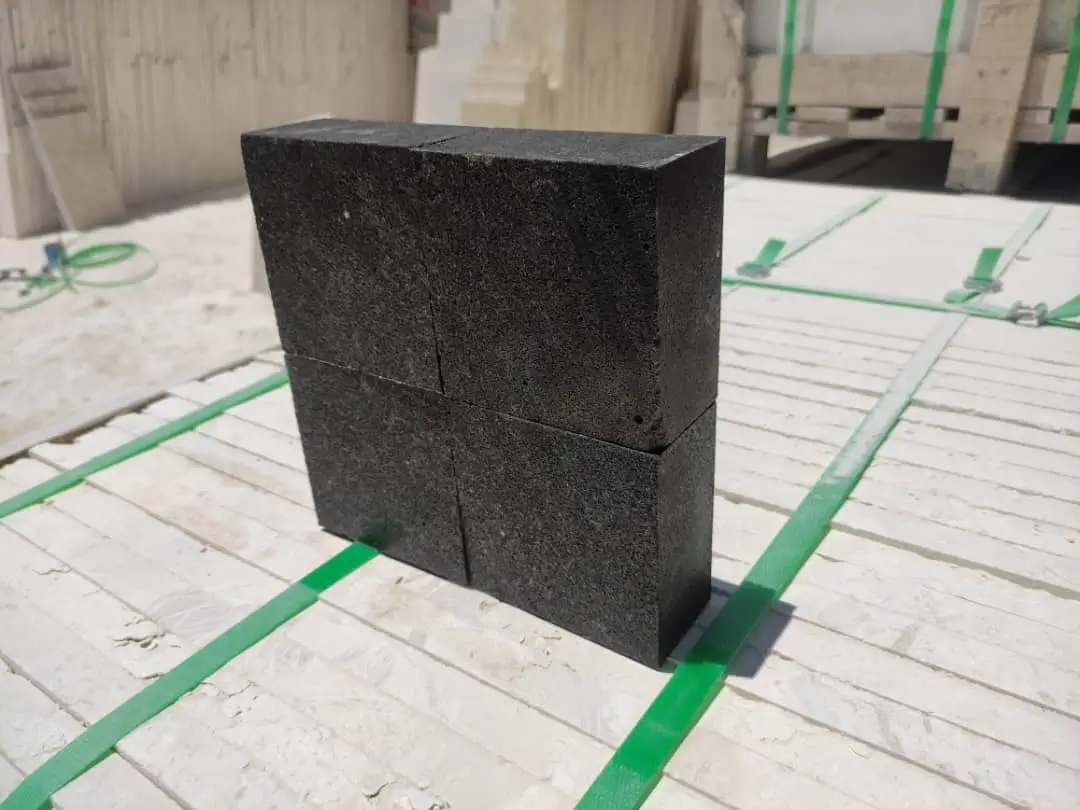
The specific shade you end up with depends heavily on quarry geology. Middle East quarries produce a deeper, almost burgundy-red with tight grain structure, while granite-sourced cobblestone from other regions tends toward a brighter terracotta with visible crystal variation. Neither is superior — they serve different design registers — but you should request matched sample batches before committing, because natural variation between quarry runs is real and wide enough to matter on large installations.
Finish Selection and Long-Term UV Performance
Here’s where most specifiers make a costly assumption: they treat finish choice as a purely aesthetic decision when it’s actually a UV management decision as much as anything else. Red cobblestone pavers in sun-exposed applications — driveways, courtyards, south-facing terraces — absorb significant UV radiation year-round. The finish you specify determines how much of that energy reaches the stone’s surface minerals and how quickly oxidation and bleaching cycles develop.
- Flamed or thermal finishes open the stone surface and accelerate UV penetration — you’ll see surface lightening in high-exposure zones within three to five years without a robust sealing schedule
- Sawn or split-faced finishes retain more of the stone’s natural color depth because the surface texture creates micro-shadowing that reduces direct UV contact area
- Tumbled finishes on smaller cobblestone formats scatter UV impact more evenly, which actually produces more consistent long-term color across the installation
- Honed surfaces on setts seal more predictably and maintain color saturation better under repeated impregnating sealer applications
The finish selection interacts directly with slip resistance considerations for wet conditions. For guidance on finish-dependent behavior under ANSI A326.3 wet DCOF requirements, the finish is the variable that matters — check your product’s test documentation before specifying for areas where wet performance is a design constraint.
Sealing Schedules for Sun-Exposed Installations
Your sealing schedule for red cobblestone pavers in high-UV environments should be more aggressive than the generic “every two to three years” recommendation you’ll see on most product sheets. Penetrating impregnating sealers work by filling the stone’s pore network with a hydrophobic compound — UV exposure degrades the carrier compounds in most sealers over time, which means the effective protection window shortens in direct sun versus shaded applications.
- For full-sun installations in hot, dry climates: plan for annual inspection and reseal every 18 months rather than every 36
- For partially shaded courtyard installations: a biennial schedule is typically adequate
- Color-enhancing sealers restore some of the chromatic depth that UV gradually draws out — useful after the second or third year on sawn-finish cobblestone
- Solvent-based impregnators generally outperform water-based products in high-UV applications because the carrier penetrates deeper before the sealer cures
- Always clean with a pH-neutral stone cleaner before resealing — alkaline cleaners leave a residue that interferes with sealer adhesion and compounds UV-related surface lightening
Base Preparation for Red Cobblestone Pavers
The cobblestone format creates specific base preparation requirements that differ from flat paver installations. Traditional sett-style red cobblestone pavers — typically 4×4×4 inch or 100×100×100mm cube dimensions — transfer point loads differently than rectangular slabs. Your aggregate base needs to be compacted to a minimum 95% modified Proctor density, and the bedding layer depth matters more than most installation guides emphasize.
- Use crushed angular aggregate rather than rounded gravel — angular material interlocks and resists lateral creep under the rocking forces cobblestone generates during thermal cycling
- Bedding sand depth should sit between 25mm and 40mm compacted — deeper bedding allows too much individual stone movement and produces an uneven surface within the first freeze-thaw season
- In freeze-thaw regions, extend your sub-base depth to a minimum 200mm to keep the frost line well below the bedding layer
- Edge restraint is non-negotiable for cobblestone installations — without a rigid perimeter, lateral spread will open joints progressively over the first two to three seasons
The USGS dimension stone production data confirms that granite-based cobblestone formats dominate North American supply for exactly the durability reasons that make base preparation so critical — the stone will outlast a poorly prepared base by decades, which makes the base the limiting factor in installation longevity.
Material Selection Insights for Different Project Types
Red cobblestone pavers perform across a wider range of applications than their traditional driveway association suggests. The selection decisions that matter shift significantly depending on whether you’re specifying for a pedestrian walkway, a vehicular driveway, or a decorative courtyard surface.
- Pedestrian walkways: 50mm nominal depth is sufficient for most residential foot-traffic applications — the key variable is joint filling, not stone thickness
- Vehicular driveways: specify a minimum 80mm nominal depth for regular passenger vehicle loads; 100mm for anything accommodating delivery vehicles or heavy SUVs
- Pool surrounds and outdoor entertaining areas: tumbled finish in smaller sett formats works well because the rounded edges reduce the trip-edge risk that angular split-face formats create at joint intersections
- Garden edging and border applications: irregular cobblestone in 50–80mm sizes set dry in compacted crusher dust gives you flexibility to follow curved geometry without cutting
For driveways specifically, the ASLA permeable paving guidance is worth reviewing — open-jointed cobblestone installations with permeable bedding can qualify as low-impact surfaces in stormwater management plans, which may affect your permitting requirements depending on project scale.
Joint Filling and Long-Term Maintenance
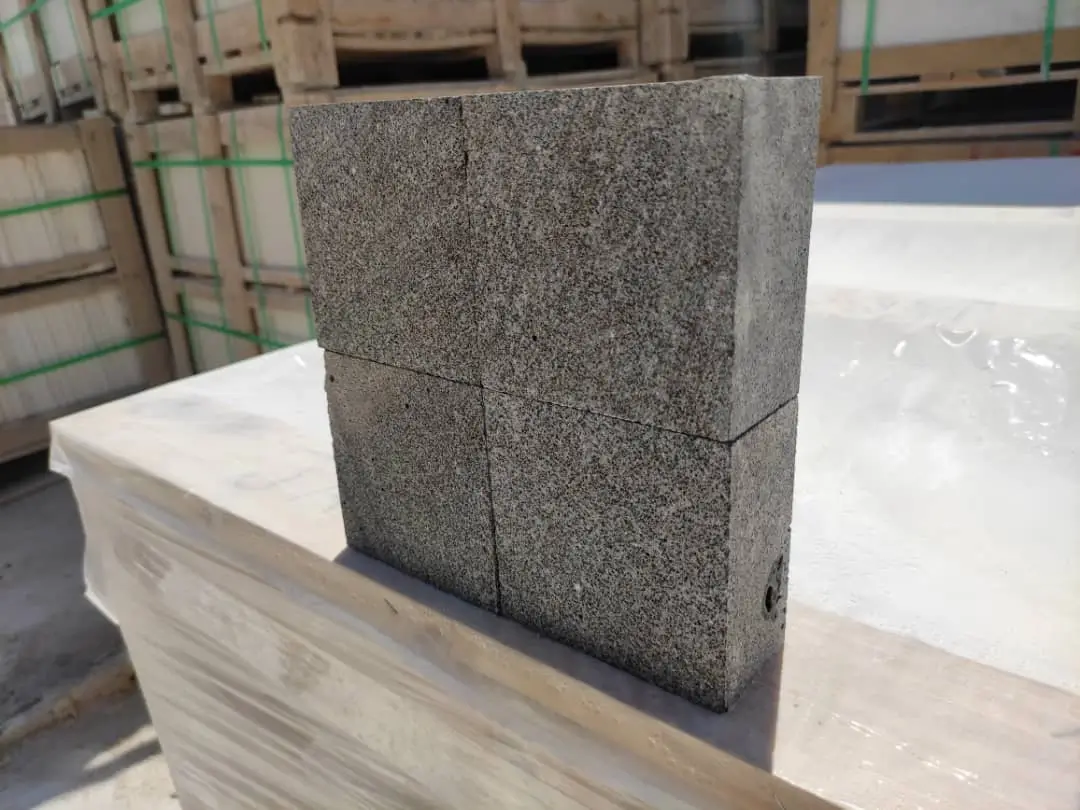
Joint specification is where red cobblestone installations diverge most sharply from concrete paver maintenance thinking. The irregular geometry of natural cobblestone creates variable joint widths — typically 8mm to 15mm — that behave very differently from the uniform 3mm joints in manufactured paver systems.
- Kiln-dried jointing sand is the standard for pedestrian applications — it stabilizes quickly and resists ant and weed intrusion better than building sand
- Polymeric jointing compounds work well for vehicular applications where surface wash-out from rain or hosing is a concern, but they require careful application on cobblestone because the irregular surface makes excess product removal difficult
- Repoint joints every three to five years in areas with significant freeze-thaw cycling — joint loss is the primary mechanism through which cobblestone surfaces develop rocking stones and drainage problems
- Avoid pressure washing at high PSI settings — cobblestone joint material is far more vulnerable to pressure wash erosion than the stone itself, and you can hollow out three years of settled jointing in a single cleaning session
The NSI granite cobblestone specifications address long-term maintenance requirements in useful detail — particularly regarding the interaction between jointing compound chemistry and iron-bearing stone surfaces, where some polymeric compounds can cause iron staining if curing is incomplete.
Ordering, Logistics, and Batch Consistency
Batch consistency is a practical concern with red cobblestone pavers that deserves more attention in the specification process than it typically receives. Natural color variation between quarry runs is normal — the problem arises when a project orders an initial batch, stages the installation, and then needs a top-up order six months later from a different quarry extraction. The color match is rarely perfect.
Your specification should include a 10–15% overage order to cover cuts, breakage, and future repairs from the same quarry batch. For larger projects, request warehouse batch documentation so you can verify that any additional shipments are drawing from the same lot. Citadel Stone maintains documented batch records for cobblestone orders, which makes matching replacements significantly more manageable than working with suppliers who move stock without lot tracking.
For Citadel Stone red setts, the sourcing runs through selected quarries across multiple regions, which gives the technical team the ability to match specific shade profiles — particularly the deeper burgundy end of the red spectrum that some projects require.
Before You Specify Red Cobblestone Pavers
Getting red cobblestone pavers right comes down to four decisions made before the first pallet leaves the warehouse: finish, thickness, jointing compound, and sealer schedule. Miss any one of them and the others compensate poorly. Your finish choice drives both the UV management strategy and the slip behavior of the surface. Your thickness choice determines whether the base preparation investment is matched to the actual load. Your jointing compound choice shapes how much maintenance the installation demands in years two through five. And your sealing schedule — particularly if the installation faces direct sun — determines whether the color you specified is still reading correctly in year ten.
The warm tones in red cobblestone are genuinely compelling, and they work across a range of project registers from formal driveways to relaxed garden courtyard surfaces. Those tones are also iron-mineral-deep, which means they reward the right specification decisions rather than demanding constant intervention. As you finalize your hardscape material palette, it’s worth noting that tone relationships between adjacent surfaces matter — grey cobblestone tone options covers how cooler cobblestone selections complement or contrast warm red installations in mixed-surface projects. Stone for nationwide projects ships from established quarry partners across multiple continents, giving Citadel Stone consistent red cobblestone batches.
Related reading: Cobblestone vs Pavers: Key Differences Explained · Cobblestone for Driveway: Complete Selection Guide · Paver Walkway Ideas Using Timeless Cobblestone.