

Tone Determines Everything in Grey Cobblestone
Grey cobblestone covers a wider tonal spectrum than most specifiers expect — and the difference between a warm blue-grey and a cool charcoal can define whether your project reads as contemporary or traditional before a single joint is filled. The sett format, finish, and quarry origin all shift that baseline colour, sometimes dramatically. Understanding these variables before you commit to a quantity is the kind of detail that separates a cohesive installation from one that looks slightly off once the stone is wet and the light changes.
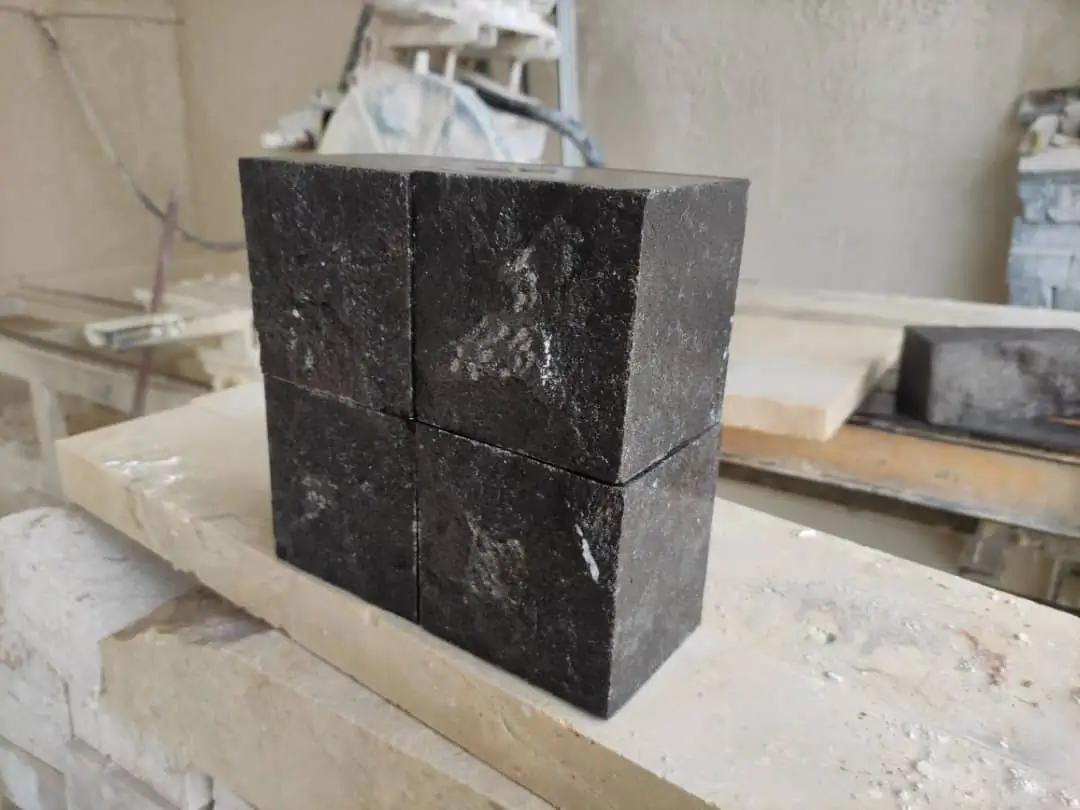
The Tonal Ranges of Grey Cobblestone Explained
Grey is not a single colour in natural stone — it’s a family. From the silvery, almost white-grey of certain granite setts to the deep blue-tinged slate tones of basalt cobbles, your palette choice carries real design weight. Here’s how the main tonal bands break down in practice:
- Light grey: reflects heat well in hot, dry climates and reads as contemporary alongside white or cream render — typically granite or lighter limestone origin
- Mid grey: the most versatile band, works with brick, dark timber, and pale concrete without competing — common in tumbled granite and basalt setts
- Blue-grey: strong architectural character, often associated with basalt and dense limestone from quarries across the Mediterranean and Middle East regions
- Charcoal and dark grey: bold, modern, but shows surface dust more readily — basalt and some granite setts fall here
- Warm grey with brown or amber undertones: bridges more easily with sandstone or aged brick surroundings — often seen in certain granite origins
Your surrounding materials should anchor the tone decision, not the other way around. Pull a sample from the warehouse and hold it against your facade in both direct and overcast light — the sett can shift a full tone between those conditions.
How Finish Shifts Perceived Tone
The finish applied to grey cobblestone changes tone perception as much as the stone’s actual mineral content. A sawn face reads cooler and flatter; a flamed or bush-hammered surface breaks up the light and warms the apparent colour. Tumbled grey cobblestone reads a half-tone lighter than the same stone split or sawn, because the rounded arrises scatter more incident light across the surface.
For modern, minimal schemes, sawn or honed setts tend to read cleaner. For period streetscape or courtyard work, a tumbled or hand-split finish integrates far more naturally with aged surroundings. Field performance data on grey cobblestone across varied climates confirms that textured finishes also affect moisture evaporation — open-textured surfaces dry faster and reduce the period of wet-darkening that can make a light grey sett appear mid-grey for hours after rain.
According to NSI granite specifications for cobblestone and sett applications, finish type and surface texture directly influence both colour expression and long-term maintenance requirements — something worth factoring into your specification at the outset, not as an afterthought.
Interlocking Cobblestone Pavers and Tone Distribution
Specifying interlocking cobblestone pavers introduces a tone-management variable that flat-slab paving doesn’t require: joint width and pattern layout both affect how the eye perceives the dominant hue across the field. A fan or fan-and-arc pattern draws the eye across the surface and tends to blend tonal variation. A simple stack or running bond concentrates the eye and makes tonal inconsistency more apparent.
With grey cobblestone, slight mineral banding from the quarry face is normal — and desirable. The challenge is ensuring that batch-to-batch tonal variation is within a range you can blend on site. You’ll want to dry-lay and blend from multiple pallets before setting commences, rotating stock to distribute tone across the entire installation rather than finishing one pallet before opening the next. This is especially important with basalt-based setts, where individual pieces can vary between blue-grey and near-black depending on how the stone was oriented in the quarry face.
Building Codes, Load Requirements, and Base Depth
Tone selection might drive aesthetic decisions, but structural requirements govern what actually stays in the ground. Local building codes specify minimum base depths that vary significantly — frost line depth in colder regions can demand compacted aggregate bases of 12 inches or more, while dryer climates in milder zones may permit shallower profiles. Your AHJ (authority having jurisdiction) determines the requirement, and engineering review is often mandatory for vehicular-rated cobblestone surfaces.
- Pedestrian applications: typically a 4–6 inch compacted aggregate base minimum, but verify against local frost depth maps
- Vehicular driveways: minimum 8–10 inch compacted base is common in moderate climates; heavier load zones or freeze-thaw regions may require engineered sub-base design
- Edge restraint: most codes and ICPI guidelines require rigid edge restraint for interlocking cobblestone pavers — flexible steel, aluminium, or precast concrete edging prevents lateral creep that opens joints over time
- Sett thickness: 100mm (4-inch) setts are the standard minimum for vehicular use; pedestrian-only applications can use 60–80mm stone but verify with your structural engineer
- Seismic zones: in high-seismic areas, unbound interlocking installations may actually perform better than rigidly bedded stone because they can move without fracturing — but edge restraint engineering becomes more critical
The ASLA cobblestone and block paving landscape design guidance covers permeable base system design, which is increasingly required under stormwater management ordinances in many municipalities. If your project falls under those rules, your base specification changes substantially — permeable aggregate, no compacted fines, and a different edge restraint strategy.
Quarry Origin and What It Tells You About Tone Consistency
Tone consistency in grey cobblestone is fundamentally a quarry-origin question. Granite setts from a single quarry face are far more consistent than those blended from multiple sources — but single-source supply is harder to maintain across large volumes. At Citadel Stone, we quarry, template, and handle material directly, which means we can advise on tonal consistency within a given production run before you commit your full order.
Mediterranean quarries — particularly those across Portugal, Spain, and the Middle East — produce granite and basalt setts with distinct tonal signatures. Portuguese grey granite tends toward warm mid-grey with subtle flecking. Middle East basalt runs cooler and darker, with the blue-grey character that works particularly well against white render or pale limestone facades. Understanding origin gives you a reliable framework for predicting finished-surface tone, rather than relying entirely on a small showroom sample.
For reference on how geological origin shapes stone composition and colour, USGS dimension stone data provides production context that helps explain why tonal ranges vary by region — background that genuinely informs sourcing decisions at the specification stage.
Wet Colour, Sealing, and Long-Term Appearance
One detail that often gets overlooked in grey cobblestone specifications: the wet-to-dry colour shift can span nearly a full tone, and some clients find the wet-darkened appearance unexpectedly dramatic the first time it rains. Basalt and dense grey granite are the biggest contributors to this effect — they can appear almost black when saturated. Present wet samples alongside dry ones during client approvals, not just catalogue photographs.
Sealing with an impregnating sealer reduces water absorption and moderates this darkening effect, but does not eliminate it entirely. A colour-enhancing sealer will deepen the dry tone to approximate the wet appearance, which is one way to achieve consistency — though it does change the aesthetic character permanently. Citadel Stone’s technical team can advise on appropriate sealer types based on the specific stone, application, and exposure conditions for your project.
Testing reports on specific absorption values are available on request for individual stone types — this is the only reliable way to predict wet performance, and generic absorption figures are not published as representative of all grey cobblestone because stone origin makes that data unreliable at the category level.
Ordering, Warehouse Availability, and Lead Times
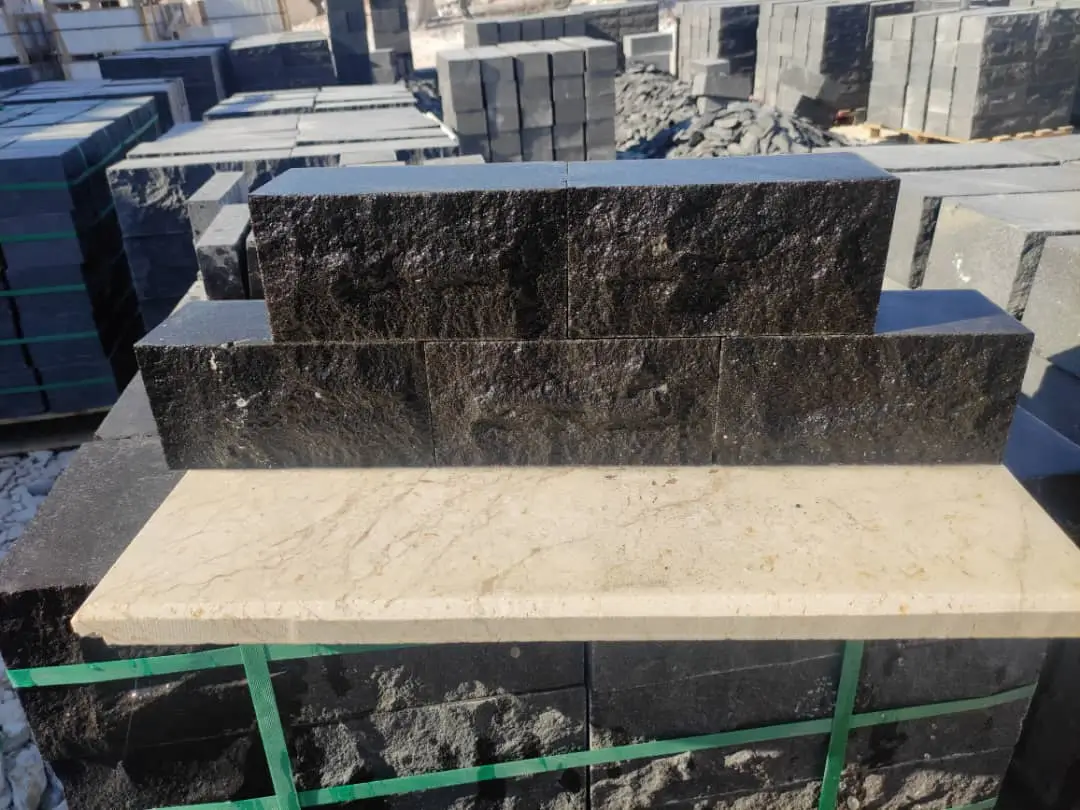
Tonal consistency across large orders is one of the strongest reasons to confirm warehouse stock levels before finalising your project timeline. If a full project quantity isn’t available from a single production batch, you risk visible tonal breaks mid-installation — and matching a second batch to the first becomes increasingly difficult as time passes. Citadel Stone maintains warehouse inventory nationally, which reduces lead times substantially compared to the 6–8 week import cycle typical of a special-order shipment.
Logistics planning should account for truck access at the delivery site, particularly for large commercial installations where palletised grey cobblestone arrives on flatbed trucks requiring forklift offload. Confirm site access width, overhead clearance, and forklift availability before scheduling delivery — these details surface surprisingly late in project planning and can delay installation starts. For residential projects, a standard truck delivery works for most driveway or garden courtyard applications, but check access through gates and around any landscaping that may obstruct pallet drops.
Browse the full range of Citadel Stone grey setts to review available sizes, finishes, and tonal options before committing to a specification — seeing the actual product range makes tone selection considerably more precise than working from a single sample.
Surface Texture Considerations for Wet Applications
Finish selection isn’t purely an aesthetic decision — it directly influences surface texture, which affects how the stone performs underfoot in wet conditions. The current standard for evaluating wet surface performance is ANSI A326.3, which measures dynamic coefficient of friction on wet surfaces. Your finish choice is the primary variable — a flamed, bush-hammered, or tumbled surface presents a measurably different texture profile than a sawn or honed face, and the finish, not the stone species, is what you should specify when wet-surface performance is a concern.
For commercial projects subject to code review, your specifier or engineer of record will typically require documentation of the finish’s surface texture alongside any applicable test data. This is especially relevant for grey cobblestone installed at building entries, around pool surrounds, or on sloped courtyard surfaces where surface water drainage needs to be engineered in alongside the paving layout. Ask for test reports specific to the finish and sett type you are specifying — generic category statements don’t satisfy most commercial specification requirements.
Getting Grey Cobblestone Specifications Right
Getting grey cobblestone right comes down to decisions made early — tonal band selection matched to surrounding materials, finish specification driven by both aesthetics and surface texture requirements, and structural base depth confirmed against local code before design is finalised. These aren’t sequential steps you work through in order; they interact, and a change in one often requires revisiting the others. Your project’s long-term performance and visual coherence both depend on treating them as a connected system.
As you refine your specification, complementary hardscape elements are worth considering alongside the primary paving surface. Defined edges are a critical structural element in any interlocking cobblestone pavers installation — explore natural stone edging options to see how purpose-designed border stones integrate with grey cobblestone to create a complete, code-compliant hardscape system. Grey cobblestone from Citadel Stone pairs naturally with both modern and classic facades, drawn from selected quarries across the Mediterranean and the Middle East.
Related reading: cobblestone for driveway · paver walkway ideas · how to install cobblestone pavers.