

The choice between cobblestone vs pavers often gets framed as an aesthetic decision, but the specification variables run much deeper than surface appearance. What most project planners overlook is that the structural behavior, drainage geometry, and long-term maintenance demands of these two categories diverge significantly — and those differences compound over decades of use. Understanding where each material excels, and where it struggles, is what separates installations that age gracefully from those that require costly remediation within a few years.
Defining the Materials: What Each Category Actually Covers
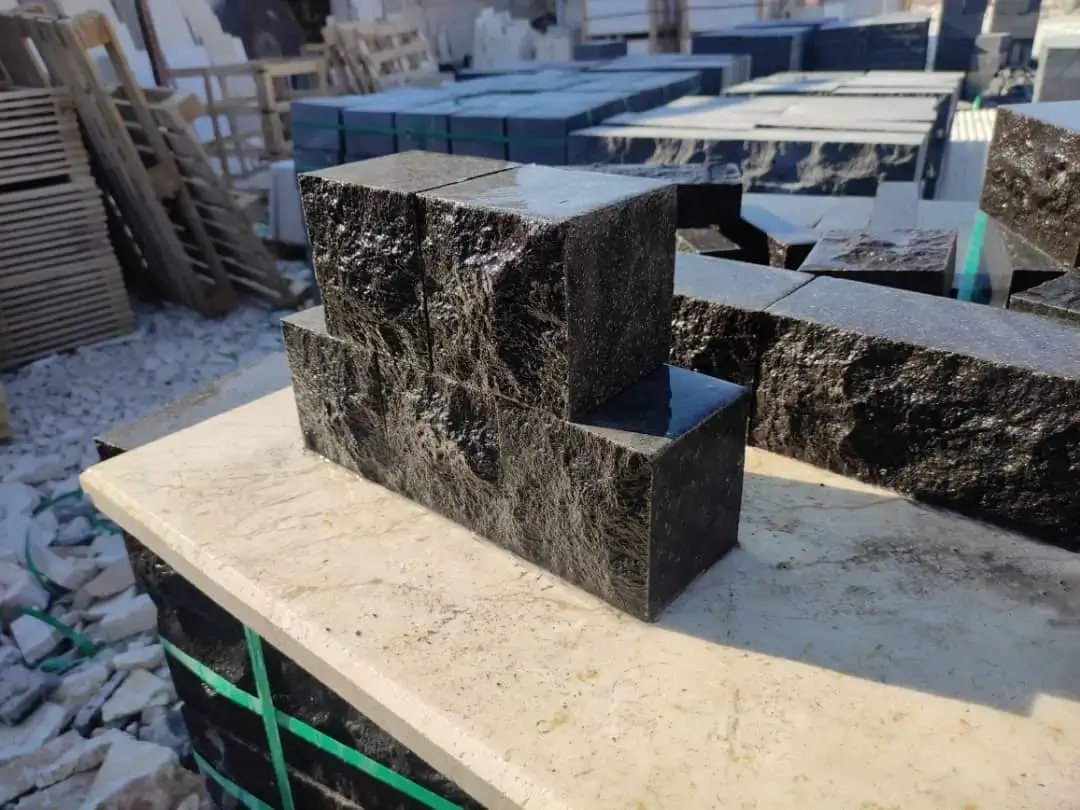
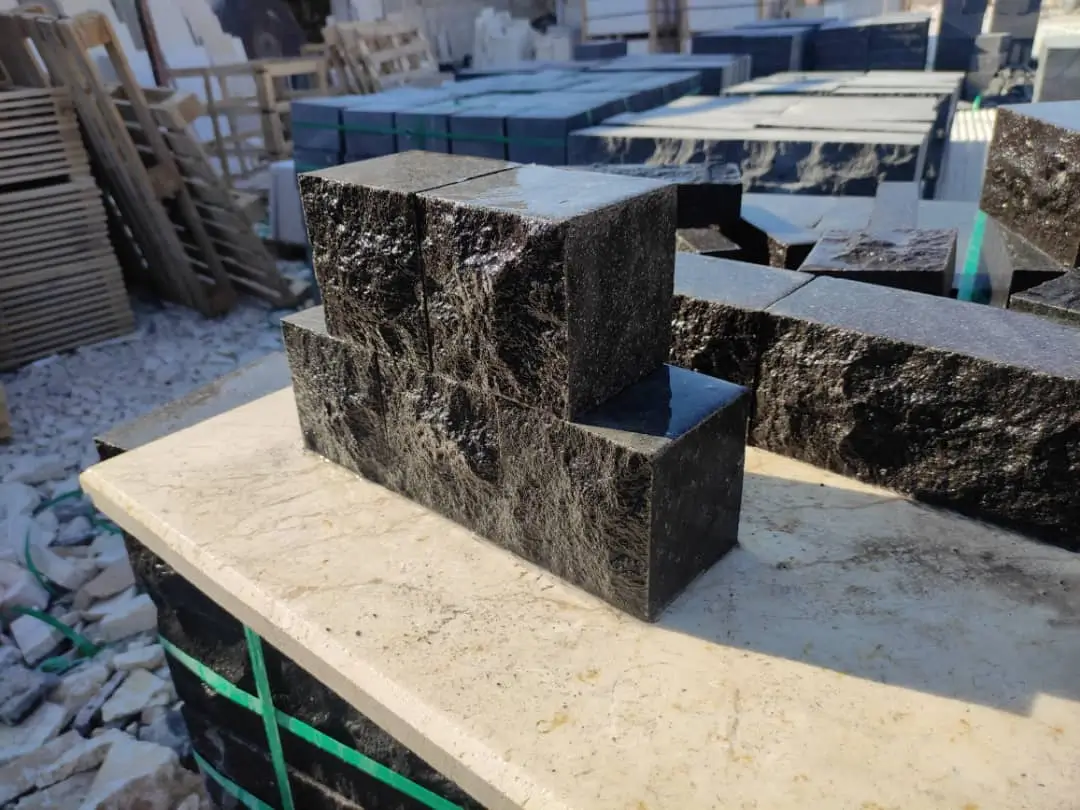
Cobblestone refers to naturally rounded or cut stone units — typically granite — that were historically shaped by glacial action or hand-dressed by craftsmen. True cobblestones range from 3 to 8 inches across and carry the dimensional irregularity that defines their character. Modern setts, by contrast, are precision-cut natural stone blocks, usually granite or basalt, with consistent dimensions that allow tighter joint tolerances while preserving the traditional cobblestone look pavers have come to replicate in contemporary hardscape design.
Pavers as a category is considerably broader. It encompasses natural stone units in rectangular and square formats, concrete pavers, and porcelain units manufactured to resemble stone. The relevant comparison for most projects isn’t cobblestone against generic pavers — it’s cobblestone or natural stone setts against other natural stone paving formats, each with distinct structural characteristics that determine fit for purpose.
Structural Performance: Where the Real Differences Emerge
Base preparation requirements shift considerably depending on which material you select. Natural granite cobblestones typically run 4 to 6 inches in depth, which means their mass alone provides load distribution that thinner-format pavers can’t match without additional base engineering. That depth advantage becomes especially relevant under vehicular traffic, where point loading from tire contact patches creates stress concentrations that thinner units — particularly 1-inch-format flagstone pavers — manage less effectively.
- Granite setts in the 4×4×4-inch format deliver reliable load distribution for light vehicular and heavy pedestrian applications
- Standard natural stone pavers in 2-inch nominal thickness handle residential driveway loads when bedded on a properly compacted aggregate base
- Cobblestone’s irregular geometry creates interlock between adjacent units under loading, reducing individual unit movement over time
- Flat-format pavers rely more heavily on the bedding layer consistency than cobblestone units do
- Porcelain pavers that look like cobblestone offer dimensional precision but lack the mass and interlock of genuine stone
The interlock dynamic in traditional cobblestone installations is worth dwelling on. Because the units aren’t perfectly uniform, lateral pressure from adjacent stones creates a natural constraint system. This is why historically laid cobblestone streets in Europe have remained serviceable for well over a century — the structural logic is embedded in the format itself, not just in the base construction.
According to Natural Stone Institute granite specifications, granite’s inherent density and crystalline structure make it exceptionally well-suited to high-traffic paving applications, including setts and cobblestone formats.
Drainage and Water Management: A Variable That Decides the Installation
Here’s what most comparison guides miss: the drainage behavior of cobblestone vs pavers installations differs not just because of the surface material, but because of the joint geometry each format creates. Traditional cobblestone laid on a sand bed with wide, irregular joints functions as a semi-permeable system. Rainfall infiltrates through the joints into the bedding sand and aggregate below, reducing surface runoff. In areas subject to heavy rain seasons, hurricane-adjacent precipitation events, or flash drainage loads from nearby surfaces, this drainage behavior can be decisive.
- Wide, irregular cobblestone joints allow substantial infiltration when sand-set on a permeable aggregate base
- Tight-jointed natural stone pavers in mortar beds create surfaces highly resistant to infiltration, requiring deliberate surface drainage design
- In freeze-thaw regions, moisture trapped beneath a mortar-set paver surface creates heave risk; open-set cobblestone allows better sub-base drainage, reducing that vulnerability
- Permeable paving systems built with natural setts can qualify for stormwater management credits in certain jurisdictions — a factor worth confirming with your civil engineer
- In drought-cycle climates, a well-drained cobblestone base resists the differential settlement that occurs when clay subgrades dry and shrink unevenly beneath rigid paver fields
For projects in monsoon-affected regions or coastal zones with concentrated seasonal rainfall, the drainage geometry of your chosen format should be specified before you finalize material selection — not as an afterthought. The ASLA provides guidance on permeable paving systems and material selection that is directly applicable when stormwater management is part of your project brief.
Plan truck access for delivery before your base work begins. Stone deliveries — particularly bulk cobblestone orders — benefit from ground-level unloading access, and your base contractor needs to sequence their compaction work around the delivery window to avoid disturbing a freshly prepared sub-base.
Pavers That Look Like Cobblestone: Concrete and Porcelain Alternatives
The market for pavers that look like cobblestone has expanded considerably, and understanding what you’re actually purchasing matters more than the marketing imagery suggests. Concrete cobblestone look pavers are manufactured with embossed surface textures and color blending that mimics aged granite or basalt. They’re dimensionally consistent, which simplifies installation, and they’re typically lighter than natural stone, which can ease handling on steep sites.
Porcelain cobblestone-look units take this further — their printed-layer surfaces can replicate the tonal variation of natural granite with high fidelity. For interior applications or covered exterior spaces where UV and traffic loads are modest, they perform well. In demanding outdoor conditions, however, the grout joints of mortar-set porcelain become the system’s weak point, particularly in areas where differential thermal movement stresses the bond layer over repeated seasonal cycles.
Natural stone setts and cobblestone carry a performance advantage that manufactured alternatives can’t replicate: the material is monolithic throughout its depth. Surface wear on a genuine granite cobblestone reveals more granite — there’s no printed layer, coating, or composite substrate to delaminate. That through-body consistency is what gives natural cobblestone its characteristic aging profile, where decades of use produce a patina rather than a failure mode.
For a closer look at natural stone setts sourced directly from established quarries, Citadel Stone natural setts covers the available formats and dimensions in detail.
Installation Variables and Base Requirements
Aggregate base depth is non-negotiable, and it needs to be sized for the worst-case loading scenario your surface will encounter — not the average one. For cobblestone installations under vehicular use, a compacted aggregate base of at least 8 inches over a stable subgrade is the appropriate starting point. Pedestrian-only applications can typically work with 4 to 6 inches of compacted aggregate, but that assumes adequate subgrade bearing capacity and positive drainage away from the installation zone.
- Bedding layer for cobblestone: coarse concrete sand at 1 inch screeded depth before setting — do not use polymeric sand as a bedding material
- Joint filling for natural setts: kiln-dried sand swept and compacted in multiple passes, then stabilized with polymeric sand on the final pass
- Edge restraint is mandatory for all sand-set cobblestone installations — without it, lateral creep begins within the first year under traffic
- Natural stone pavers in mortar-set applications require substrate preparation that achieves a minimum bond strength — your installer should reference TCNA guidelines for mortar consistency and coverage
- Slope the finished surface at a minimum 1.5% grade away from structures to direct surface water toward intended drainage paths
The Tile Council of North America’s installation standards for natural stone provide detailed method specifications that your installer should reference for mortar-set applications, including substrate preparation, adhesive selection, and grout joint sizing for different stone formats.
Surface Finish and Practical Considerations for Wet Conditions
Surface finish is the primary variable that determines how a stone surface performs when wet — and this applies equally to cobblestone and flat-format pavers. The current standard for evaluating wet surface performance is ANSI A326.3, which measures dynamic coefficient of friction under wet conditions. The minimum wet DCOF threshold under that standard for general pedestrian use is 0.42.
Natural cobblestone, particularly tumbled granite setts with their textured surfaces, tends to perform well under wet conditions because the surface geometry interrupts water film continuity. Honed or polished flat pavers in the same granite material present a dramatically different wet-surface behavior — the finish, not the material, is the decisive factor. Your finish specification should be made with wet-use conditions in mind from the outset, not adjusted after installation reveals a problem.
- Tumbled and thermal-finish cobblestone setts offer good wet-surface texture through their surface geometry
- Honed flat pavers require careful finish selection in areas exposed to rainfall or irrigation overspray
- Porcelain cobblestone-look units vary significantly in wet-surface behavior depending on manufacturer and finish — always request ANSI A326.3 test data before specifying
- Anti-slip treatments and non-slip additives are available as post-installation options for flat pavers where the finish choice is constrained by design
Maintenance and Long-Term Performance Expectations
Cobblestone installations, when properly constructed, are among the lowest-maintenance hardscape systems available. The joint sand requires periodic replenishment — typically every 3 to 5 years depending on traffic and rainfall intensity — and individual units that settle or shift can be relaid without disturbing adjacent stones. That repairability is a significant practical advantage over mortar-set systems, where a single failed unit often requires demolition of a larger area to access and repair.
Flat natural stone pavers in mortar-set applications require grout maintenance and, in high-moisture environments, periodic inspection for bond failure beneath units that have begun to hollow-sound when tapped. Sealing schedules vary by stone type and porosity — test report on request for specific absorption data relevant to your chosen material. A general maintenance principle: denser, lower-absorption stones like granite require less frequent sealing than more porous limestone or sandstone formats.
At Citadel Stone, we recommend confirming warehouse stock levels for your required quantity and format before finalizing your project timeline. Cobblestone and sett materials in specific size ranges can have variable lead times, and coordinating your delivery schedule with your base preparation work avoids costly delays mid-project.
- Sand-set cobblestone: joint sand replenishment every 3-5 years, weed management as needed, no sealing required for granite
- Mortar-set pavers: grout inspection annually, resealing of porous stones on a schedule determined by the stone’s absorption rate
- All natural stone: pressure washing acceptable at moderate pressure settings — high-pressure washing can displace joint material and erode softer stone surfaces
- Efflorescence on newly installed stone is normal and typically self-resolves; persistent efflorescence indicates a moisture source that requires investigation, not repeated surface treatment
Cost Considerations and Project Planning
Natural granite cobblestone and setts carry a higher material cost per square foot than concrete paver alternatives, but the lifecycle cost comparison typically favors natural stone over a 20-to-30-year horizon. Concrete pavers fade, chip, and require color-matching replacement units that may not be available years after the original installation. Natural granite ages uniformly — surface color deepens slightly and texture becomes more refined, but the material remains structurally sound and visually consistent.
Project budgets should account for more than the per-unit material cost. Base preparation, edge restraint materials, bedding sand, joint stabilization, and delivery logistics all contribute to the total installed cost. Truck access constraints at your site can affect delivery scheduling and may require smaller loads staged over multiple trips — factor that into your timeline if access is limited.
- Get material quantities confirmed against your actual site measurements — cobblestone and sett orders should include a 10% overage allowance for cuts and breakage
- Confirm warehouse availability for your required format before scheduling your installation crew
- Factor in the cost of a professional templating visit if your site has irregular boundaries that require custom cuts
- Natural stone projects benefit from a pre-delivery inspection of the material batch — color and texture variation within a quarry run is normal, but batches should be consistent enough to blend across the installation area
Cobblestone vs Pavers: Making the Right Specification Decision
The cobblestone vs pavers decision ultimately comes down to what you’re optimizing for: repairability and character for long-horizon residential and civic projects, or dimensional precision and surface uniformity for commercial and interior-adjacent applications. Both categories have legitimate strengths, and the worst outcome is forcing one material to perform a function it wasn’t designed for — mortar-setting cobblestone to achieve a flat surface, or specifying thin-format pavers where vehicular loading demands the mass of a sett.
Drainage design should be resolved before material selection is finalized. The drainage geometry of cobblestone vs pavers installations affects base specification, grading requirements, and long-term settlement behavior — and getting that sequence wrong is the most common cause of premature failure in otherwise well-specified projects. Beyond the cobblestone category, your broader hardscape specification may also benefit from reviewing how related stone formats perform in different applications — Belgian cobblestone options and specifications covers additional technical detail worth reviewing before you commit to a format.
Natural cobblestone from Citadel Stone wears evenly through freeze-thaw cycles, drawn from selected quarries across multiple continents.
Related reading: how to install cobblestone pavers · cobblestone paver patterns · paver edging ideas.