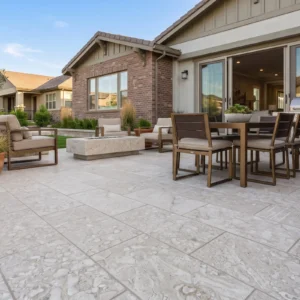
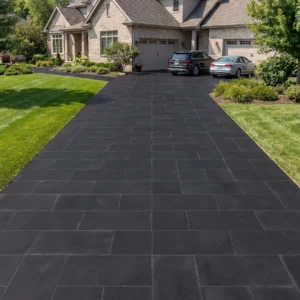
This reality has transformed sample kits from simple marketing tools into strategic weapons. Designer sample kits now serve as your silent sales representatives, working 24/7 in architects’ offices and design studios, influencing choices long after your initial presentation ends.
The most successful premium stone suppliers understand that sampling isn’t just about showing product variety—it’s about creating an experience that builds confidence, accelerates decision-making, and positions your materials as the obvious choice for discerning clients.
Anatomy of an Effective Sample Kit
Sample Selection & Variety
Creating an impactful sample kit requires strategic curation that goes far beyond randomly selecting popular stones. Your stone sampling process should reflect deep understanding of your target market’s preferences and project requirements.
Start by analyzing your most successful projects from the past two years. Which stones consistently perform well in luxury applications? Which materials do architects request most frequently for specific project types? This data becomes the foundation of your core sample collection.
Effective sample variety includes:
- Signature stones that differentiate your brand from competitors
- Trending materials that align with current design movements
- Versatile classics that work across multiple applications
- Complementary options that allow for creative combinations
Each sample should be large enough to showcase the stone’s natural characteristics—typically 4×4 inches minimum for countertop applications, with larger samples (6×8 inches) for flooring and wall cladding materials. The goal is providing enough surface area for designers to envision the material at scale.
Consider including samples in multiple finishes when applicable. A single stone type might perform differently as polished, honed, or textured surfaces, and showing these variations demonstrates your technical capabilities while expanding specification opportunities.
Packaging & Presentation
Your sample kit’s packaging serves as an extension of your brand identity and directly influences perception of your materials’ quality. Luxury stone vendor selection often begins with first impressions, making presentation crucial to your success.
Professional packaging should protect samples during shipping while creating an unboxing experience that reinforces your premium positioning. Custom-branded boxes with fitted foam inserts prevent damage while showcasing attention to detail that clients expect from high-end suppliers.
Include clear labeling that provides essential information at a glance: stone name, origin, recommended applications, and availability. QR codes linking to digital spec sheets and installation videos add modern functionality without cluttering the physical presentation.
The unboxing experience matters significantly in professional settings. When an architect opens your sample kit during a client meeting, the presentation quality reflects directly on your company’s capabilities and attention to detail.
Accompanying Spec Sheets & Care Guides
Technical documentation transforms sample kits from simple marketing materials into professional specification tools. Comprehensive spec sheets provide the detailed information architects and designers need to make informed decisions and complete project documentation.
Essential technical information includes absorption rates, compressive strength, slip resistance ratings, and recommended installation methods. This data addresses practical concerns while demonstrating your technical expertise and commitment to successful project outcomes.
Care and maintenance guides serve dual purposes: they educate clients about proper stone care while positioning your company as a knowledgeable partner invested in long-term project success. Include cleaning recommendations, sealing requirements, and troubleshooting tips for common issues.
Digital versions of all documentation should be easily accessible through QR codes or embedded NFC tags, allowing instant access to updated information, installation videos, and additional product images.
Browse testimonials from satisfied customers of your trusted natural stone supplier.
How Samples Influence Decision-Makers
Designer & Architect Psychology
Understanding the psychology behind material selection gives premium natural stone suppliers a significant advantage in the specification process. Designers and architects make decisions through a complex blend of analytical evaluation and emotional response—and physical samples engage both aspects effectively.
The tactile experience of handling stone samples triggers psychological associations with quality, permanence, and luxury that digital images simply cannot replicate. When designers feel the weight and texture of premium materials, they begin envisioning the sensory experience their clients will have in the finished space.
Architect sample requests often intensify during specific project phases. Early in design development, architects seek inspiration and want to explore possibilities. Later, during specification phases, they need technical verification and client approval materials. Understanding these timing differences allows you to tailor your sampling strategy for maximum impact.
Color perception represents another critical psychological factor. Stone colors appear dramatically different under various lighting conditions, and architects need confidence that their selections will perform well in the intended environment. Providing samples allows for real-world testing under actual project lighting conditions.
The “anchoring effect” plays a significant role in material selection. The first high-quality samples architects evaluate often become the benchmark against which all other options are measured, making it crucial to ensure your materials arrive early in the selection process.
Client-Facing Comparisons & Trust-Building
Sample kits serve as powerful tools for building client confidence during the selection process. When architects present material options to end clients, physical samples provide tangible proof of quality and allow for direct comparison between options.
The ability to place samples side-by-side reveals subtle differences in veining, color variation, and surface texture that significantly impact final aesthetic outcomes. These comparisons help clients make informed decisions while reducing the likelihood of costly changes later in the project timeline.
Trust-building occurs through transparency. When clients can examine actual stone samples, they gain confidence in their selections and trust in their architect’s recommendations. This transparency reduces anxiety about expensive material choices and accelerates approval processes.
Sample kits also enable “lifestyle visualization” exercises where clients imagine how materials will look and feel in their daily environment. This emotional connection often proves decisive in luxury projects where personal satisfaction matters as much as technical performance.
Accelerating Approval Cycles
One of the most significant advantages of effective sampling programs is their ability to compress decision-making timelines. In luxury construction projects, delays in material selection can cascade into costly schedule disruptions, making rapid approvals valuable to all project stakeholders.
Physical samples eliminate the uncertainty that often leads to prolonged deliberation. When clients can touch and examine materials, they make confident decisions more quickly than when relying solely on digital representations.
The “commitment escalation” principle explains why sample handling accelerates approvals. Once clients have physically examined and approved samples, they develop psychological ownership of their selections, making them less likely to request changes or consider alternatives.
On-demand stone samples particularly excel at maintaining project momentum. When architects can quickly obtain additional samples or variations, they avoid delays caused by waiting for materials or scheduling showroom visits.
Request an appointment with your stone supplier near me for personalized service.
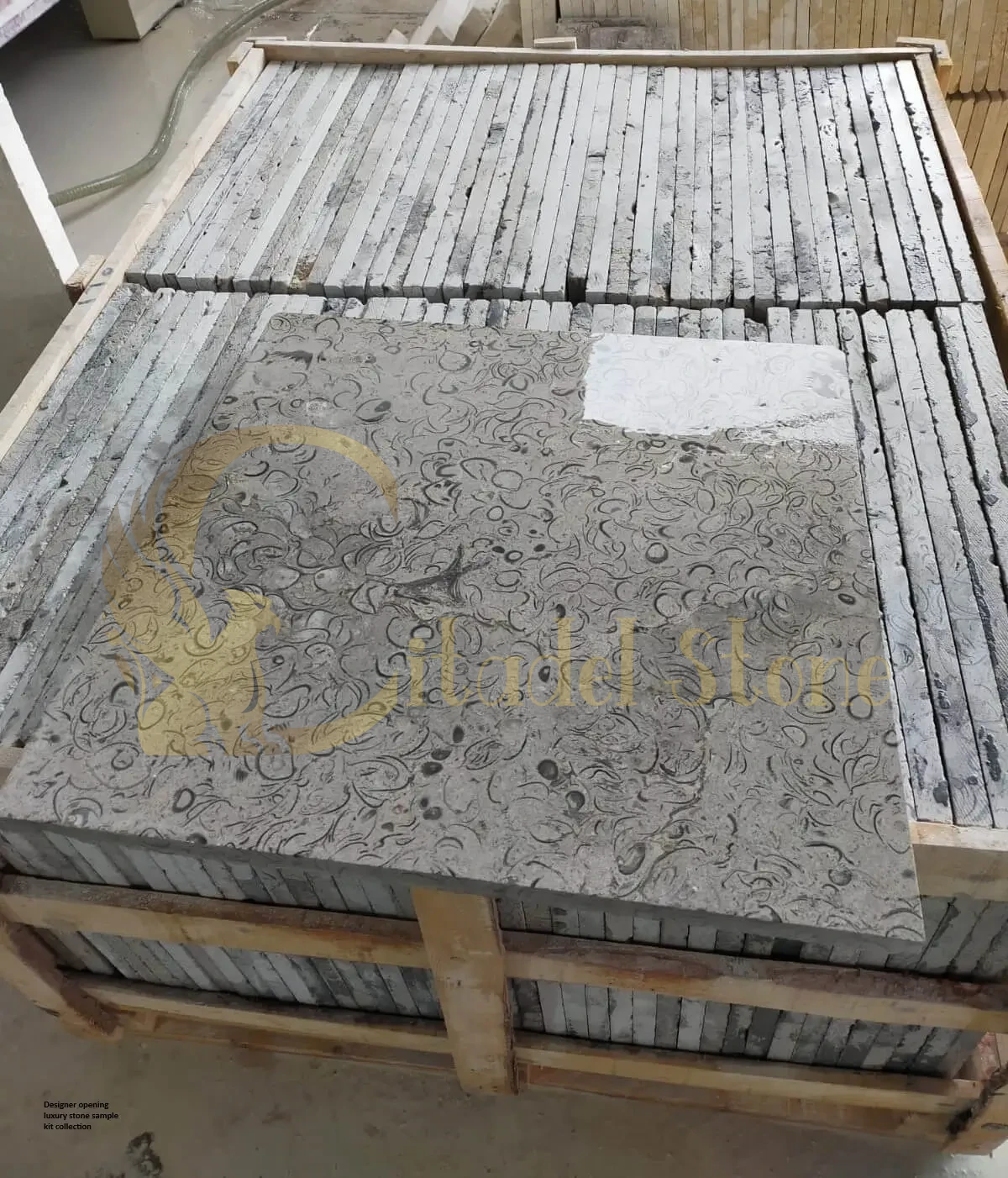
The On-Demand Sampling Process
Online Request Portals & Personalization
Modern sampling programs leverage digital technology to streamline request processes while maintaining the personal touch that luxury markets demand. Sophisticated online portals allow architects and designers to browse collections, request specific samples, and track deliveries with the same efficiency they expect from other professional services.
Effective request portals go beyond simple product catalogs. They integrate project information, allowing architects to specify intended applications, timeline requirements, and client preferences. This context enables more targeted sample selection and personalized recommendations.
Personalization features that drive engagement include:
- Project-based sample suggestions based on specified applications
- Historical request tracking for easy reordering and reference
- Collaborative tools that allow team members to share and comment on selections
- Integration capabilities with popular design software and specification platforms
Advanced portals capture valuable data about design trends, popular combinations, and regional preferences. This intelligence informs inventory planning, new product development, and marketing strategies while improving service quality.
User account management ensures consistency across multiple projects and team members. When architectural firms work on several projects simultaneously, organized request history prevents confusion and enables efficient project management.
Logistics: Fast Turnaround & Tracking
Speed and reliability in sample delivery often determine whether your materials receive consideration in fast-moving projects. Premium stone suppliers must match the urgency that characterizes high-end construction timelines while maintaining quality standards.
Industry-leading suppliers typically achieve 24-48 hour turnaround times for standard sample requests, with expedited options available for urgent project needs. This responsiveness requires strategic inventory placement, efficient packaging processes, and reliable shipping partnerships.
Real-time tracking capabilities keep architects informed about delivery status while reducing administrative burden on your sales team. Automated notifications at key milestones (order confirmation, shipping, delivery) maintain communication without requiring manual intervention.
Logistics optimization strategies include:
- Regional distribution centers that reduce shipping distances and delivery times
- Pre-packaged sample sets for common request combinations
- Express shipping partnerships with guaranteed delivery windows
- Return logistics that simplify sample exchanges and returns
International projects require specialized logistics capabilities, including customs documentation, duty management, and compliance with local regulations. Premium suppliers often maintain global distribution networks to serve architects working on international luxury projects.
Follow-Up & Data Capture
Strategic follow-up transforms sample distribution from a cost center into a valuable sales and marketing intelligence system. Systematic tracking of sample outcomes provides insights that improve future sampling strategies while identifying sales opportunities.
Automated follow-up sequences should begin 48-72 hours after sample delivery, allowing sufficient time for evaluation while maintaining engagement momentum. Initial contact focuses on confirming receipt and addressing any immediate questions or concerns.
Data capture priorities include:
- Project timeline and decision deadlines
- Competing materials under consideration
- Key decision-makers and influencers
- Specific performance requirements or concerns
- Budget parameters and volume requirements
Advanced CRM integration ensures this intelligence flows seamlessly to sales teams, enabling informed follow-up conversations and targeted proposal development. Sales representatives equipped with detailed project context can provide more valuable consultation and support.
Long-term tracking of sample outcomes reveals patterns that improve sampling effectiveness. Which stones consistently convert from samples to specifications? What project types show highest conversion rates? How do regional preferences vary? This intelligence drives continuous improvement in sampling strategies.
Real Orders, Real Deliveries
We only publish projects we have actually supplied. See our Las Vegas white limestone delivery — two containers, 6,884 sq ft, 32 crates, shipped door to door — and how we supplied Creative Environments in Arizona with 21 containers across a 70,000+ sq ft installation: white limestone pavers and tiles, shellstone and Ocean Reef pavers.
Had Citadel Stone material installed on your project? Send us your photos and we will feature the work here, with your permission.
Best Practices for Premium Stone Suppliers
Curating Sample Collections by Market Segment
Successful premium stone suppliers recognize that different market segments require distinct sampling approaches. Residential designers prioritize aesthetic appeal and lifestyle compatibility, while commercial architects focus on performance specifications and compliance requirements.
Residential luxury market sample kits should emphasize:
- Lifestyle integration with samples showing how materials complement daily living
- Customization options demonstrating available edge profiles, finishes, and sizing
- Maintenance simplicity with clear care instructions and realistic expectations
- Design flexibility showing how materials work in various applications and color schemes
Commercial market collections require different priorities:
- Performance data with detailed technical specifications and compliance certifications
- Durability evidence including wear testing results and long-term performance examples
- Installation guidance with technical drawings and specification language
- Cost transparency with clear pricing structures and quantity breaks
Hospitality projects demand samples that address both aesthetic and operational concerns. Materials must photograph well for marketing purposes while withstanding heavy use and simplified maintenance requirements.
Healthcare and institutional projects prioritize infection control, safety ratings, and regulatory compliance. Sample documentation for these markets includes antimicrobial properties, slip resistance certifications, and cleaning protocol compatibility.
Leveraging Digital Lookbooks & AR Previews
While physical samples remain essential, digital technologies enhance their effectiveness and extend their reach. Interactive digital lookbooks allow architects to explore complete product lines before requesting specific samples, improving sample kit relevance and reducing waste.
Augmented reality (AR) preview capabilities enable architects to visualize stone materials in actual project spaces using smartphones or tablets. This technology bridges the gap between sample examination and installation visualization, providing additional confidence for material selections.
Digital lookbooks should integrate seamlessly with sample request processes, allowing architects to move from virtual exploration to physical samples with minimal friction. QR codes on samples linking back to digital resources create connections between physical and digital experiences.
Virtual reality (VR) applications serve specific high-value projects where immersive visualization justifies the technology investment. Some luxury residential and hospitality projects benefit from VR experiences that allow clients to “walk through” spaces with proposed materials before final specification.
Integration strategies include:
- Synchronized updates ensuring digital and physical samples reflect current availability
- Cross-platform compatibility supporting various devices and software systems
- Collaborative features enabling team sharing and commenting across digital platforms
- Analytics tracking measuring engagement and identifying popular combinations.
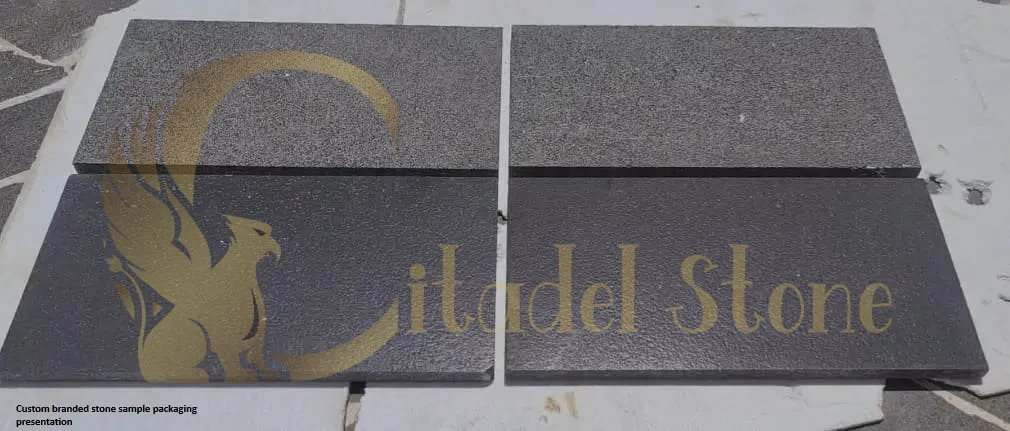
Measuring ROI: Sample Kit Metrics
Effective sampling programs require systematic measurement to justify investment and guide optimization efforts. Premium stone suppliers should track both financial metrics and operational indicators that reveal program effectiveness.
Financial metrics provide clear ROI calculations:
- Sample cost per conversion measuring efficiency of sample investment
- Average project value from sample-driven leads quantifying revenue impact
- Conversion rate by sample type identifying most effective materials
- Customer acquisition cost comparing sampling to other marketing channels
Operational metrics reveal process improvements:
- Request-to-delivery timeframes identifying bottlenecks and optimization opportunities
- Sample utilization rates showing which materials generate most interest
- Return rates and feedback indicating satisfaction and areas for improvement
- Regional variation patterns informing inventory and distribution strategies
Advanced analytics should segment performance by market sector, project type, and customer characteristics. This granular analysis reveals which sampling strategies work best for specific situations and customer types.
Regular review cycles ensure continuous improvement and adaptation to changing market conditions. Quarterly analysis of sampling metrics should inform strategic decisions about inventory, packaging, logistics, and customer service improvements.
Overcoming Common Sampling Challenges
Sample Cost vs. Conversion
Managing the financial investment required for comprehensive sampling programs challenges even well-established premium stone suppliers. High-quality samples represent significant material costs, while packaging, shipping, and administrative expenses compound the investment required.
Cost optimization strategies include:
- Tiered sampling programs that provide basic samples freely while charging for premium collections
- Deposit systems that encourage serious evaluation while reducing speculative requests
- Volume thresholds that unlock comprehensive sampling based on project scale
- Partnership programs that provide enhanced sampling benefits to frequent specifiers
Conversion tracking becomes essential for justifying sampling investments. Detailed analysis of which samples lead to specifications helps focus resources on highest-performing materials and most promising prospects.
Some suppliers implement “sample credit” programs where sample costs apply toward final material purchases, reducing the perceived cost barrier while ensuring samples reach serious prospects.
Regional analysis often reveals significant variation in sample effectiveness, allowing suppliers to adjust strategies based on local market characteristics and competitive dynamics.
Managing Inventory & Obsolescence
Maintaining fresh, current samples while minimizing waste requires sophisticated inventory management that balances availability with obsolescence risk. Premium stone materials often have limited availability, making sample inventory planning particularly challenging.
Inventory optimization approaches include:
- Just-in-time sampling that creates samples from current production runs
- Rotating collections that refresh sample offerings based on seasonal trends
- Digital-first strategies that use virtual tools to qualify requests before physical sampling
- Collaborative forecasting that aligns sample inventory with sales pipeline projections
Obsolescence management requires clear policies for sample retirement and replacement. Materials that are no longer available should be promptly removed from circulation to prevent disappointment and specification complications.
Sample sharing programs between suppliers can reduce individual inventory requirements while expanding available options for architects. These collaborative approaches work particularly well for complementary materials that are often specified together.
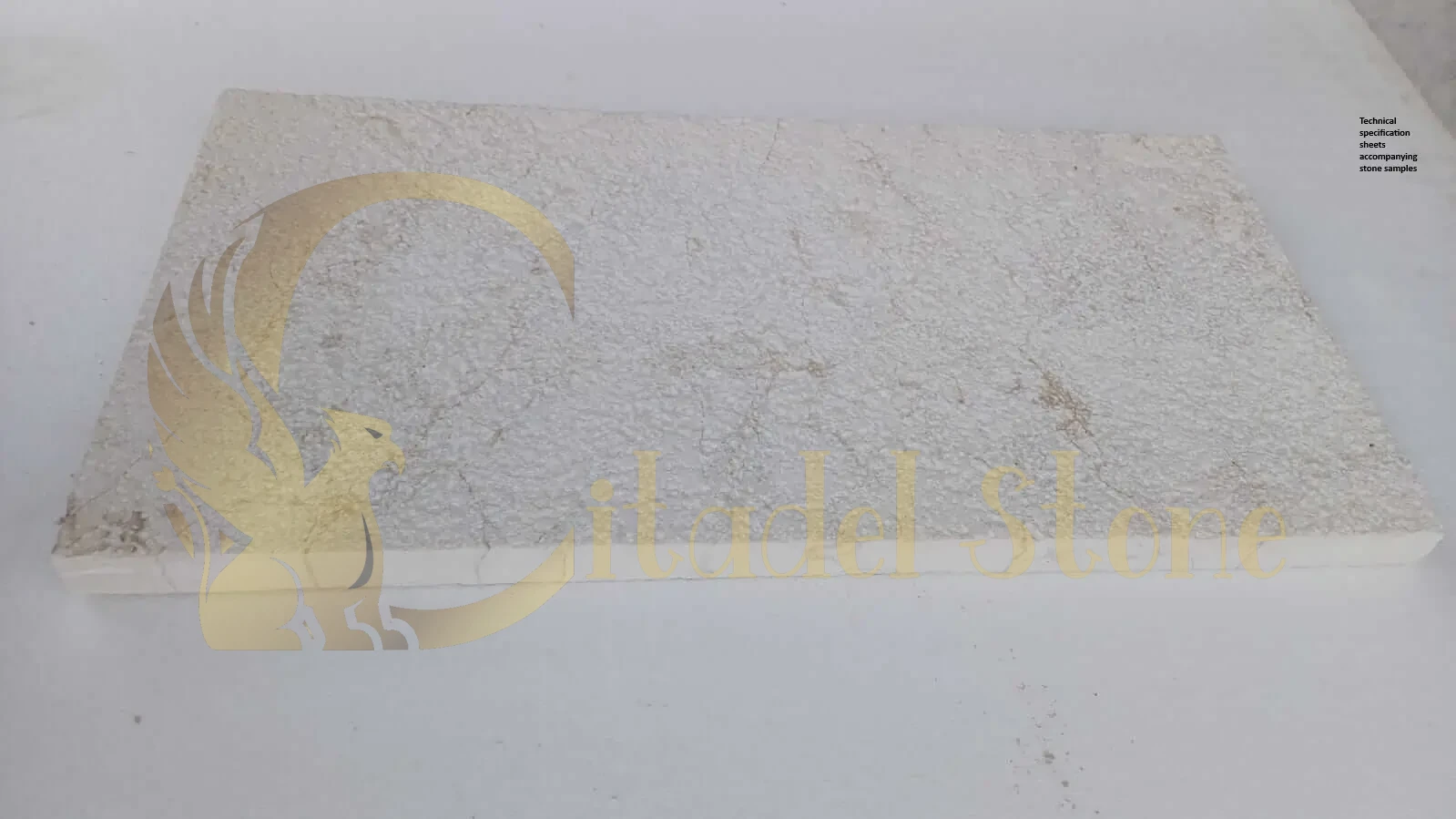
Ensuring Consistency Across Batches
Natural stone’s inherent variation creates challenges for maintaining sample accuracy and managing client expectations. Samples must fairly represent the materials that will actually be delivered for projects, requiring careful batch management and quality control.
Consistency strategies include:
- Batch documentation linking samples to specific production runs with availability dates
- Variation ranges that show expected natural differences within material types
- Selection protocols that ensure samples represent typical rather than exceptional characteristics
- Communication standards that set appropriate expectations about natural variation
Digital photography and color calibration help maintain consistency in how materials are represented across different media and lighting conditions. Standardized photography protocols ensure samples match digital representations as closely as possible.
Client education about natural stone characteristics prevents unrealistic expectations while building appreciation for unique material properties. Sample documentation should clearly explain how natural variation contributes to each material’s beauty and authenticity.
How Stone Suppliers Inspire Contemporary Architectural Design
Conclusion & Strategic Takeaways
The competitive landscape for premium stone suppliers continues intensifying as luxury construction markets expand globally. In this environment, sophisticated sampling programs provide sustainable competitive advantages that differentiate superior suppliers from commodity providers.
Key strategic insights for optimizing your sampling program:
- Physical samples remain irreplaceable in luxury markets where tactile experience drives emotional and analytical decision-making processes
- Speed and responsiveness in sample delivery often matter more than comprehensive selection, particularly in fast-moving commercial projects
- Personalization and curation create higher conversion rates than generic sample collections, requiring investment in customer intelligence and customization capabilities
- Digital integration enhances rather than replaces physical sampling, with AR and VR technologies providing additional visualization capabilities
- Data capture and analysis transform sampling from cost centers into valuable sales intelligence systems that inform strategy and improve outcomes
- Market segmentation requires distinct sampling approaches for residential, commercial, hospitality, and institutional customers with different priorities and evaluation criteria
- Long-term relationship building through sampling programs creates customer loyalty and repeat business that justifies program investments
The most successful premium stone suppliers recognize that on-demand stone samples represent far more than marketing expenses—they’re strategic investments in customer relationships, market intelligence, and competitive positioning. Companies that optimize these programs while measuring their effectiveness gain sustainable advantages in an increasingly competitive marketplace.
Your sampling program’s effectiveness directly impacts your ability to compete for high-value projects and build lasting relationships with influential architects and designers. Investment in sophisticated sampling capabilities pays dividends through improved conversion rates, faster decision cycles, and enhanced customer satisfaction.
Experience the difference that expertly curated premium stone supplier samples can make for your next project. Request your personalized sample kit today. Discover why leading architects and designers choose Citadel Stone as the best stone supplier for their most demanding applications.