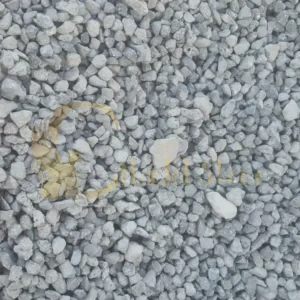
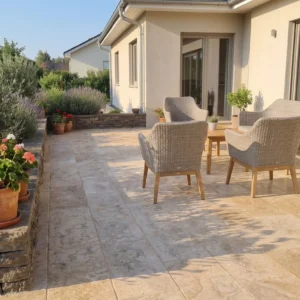
What Pebble Stone Actually Delivers Outdoors
Pebble stone installations fail far more often from mismatched expectations than from material defects — and after handling thousands of square feet across patios, driveways, and pool surrounds, the pattern is consistent. Your pebble stone design outcome depends almost entirely on decisions made before the first stone is placed: base depth, drainage geometry, and how you’re bonding or setting the material. The surface you see is only the final 15% of the work.
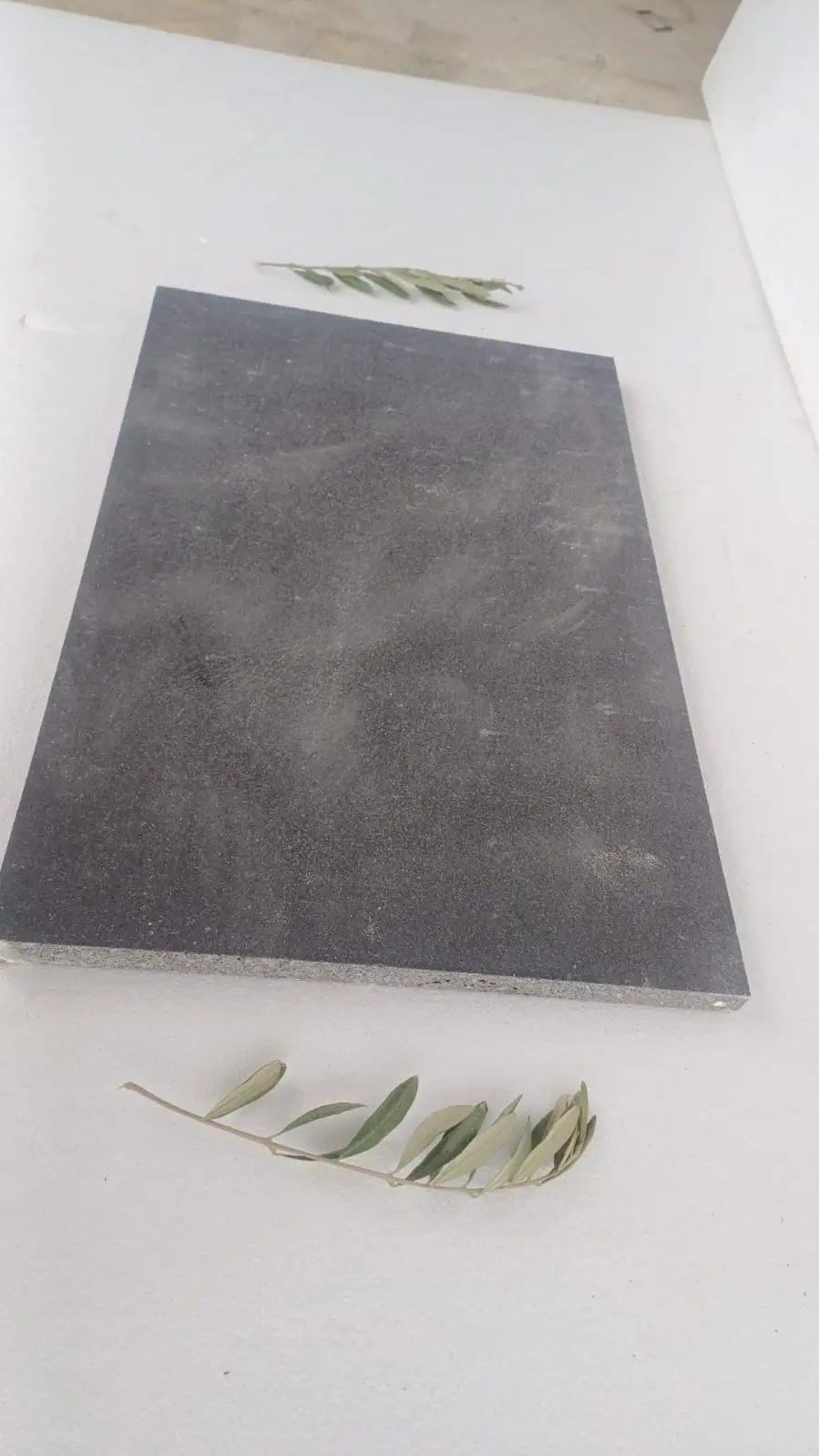
Pebble stone spans a wide range of applications — loose-fill garden beds, resin-bonded driveway surfaces, mortared patio panels, and decorative pool deck borders. Each application demands a different substrate, a different stone size range, and a different maintenance commitment. Getting clear on which application you’re specifying upfront saves you from the most common rework scenarios.
Pebble Stone Patio Ideas Worth Building
The most enduring patio designs use pebble stone as a textural counterpoint rather than a primary surface underfoot. Mosaic-panel installations — where pebbles are mortared into pre-cast sections then set into a larger paved field — give you the visual richness of loose stone with the structural integrity of a rigid surface. Your foot traffic load is distributed across the mortar bed rather than relying on individual stone-to-stone contact.
- Banded border designs: frame large-format stone slabs with a 6–8 inch pebble surround to define patio edges without hard kerbing
- Medallion features: circular pebble inlays set into a neutral flagstone field create focal points without requiring the entire surface to carry foot traffic
- Stepping-stone corridors: alternating pebble panels between solid treads slow circulation and add visual rhythm across wider patio spans
- Water-feature surrounds: pebble stone set in a recessed wet-mortar bed around pond edges or fountain basins manages splash zones while staying visually cohesive
- Pergola apron zones: a 3–4 foot pebble border around a pergola post line protects the turf perimeter and handles drip from overhead beams
Each of these ideas performs differently depending on whether you’re working with a bonded or loose installation — that distinction drives every other specification decision you’ll make.
White Pebble Stone for Light-Reflecting Layouts
White pebble stone earns its place in patio design through light management as much as aesthetics. Lighter stone surfaces reflect solar radiation instead of absorbing it, which keeps the surrounding area measurably cooler during peak afternoon heat. For covered patios or shaded pergola zones, that reflectivity bounces ambient light into the space rather than deadening it. According to Natural Stone Institute stone variety specifications, surface finish and stone density both influence how much solar energy a pebble surface absorbs versus reflects.
The practical trade-off with white pebble stone is visible soiling — mineral deposits, algae, and organic staining show faster on lighter stones. You’ll want to factor in a pH-neutral stone cleaner and an annual light-pressure wash into your maintenance plan from day one. A penetrating sealer applied before installation significantly extends the interval between deep cleans.
Pebble Stone Colors and How They Read in Context
Pebble stone colors shift dramatically between dry and wet states — a detail that trips up even experienced specifiers when they’re working from dry samples alone. River pebbles selected for their soft grey tone can read almost black when saturated after rain, which changes the entire visual weight of a patio or garden bed. Always evaluate your samples both dry and wet before committing to a color run.
- Charcoal and dark river pebbles: absorb heat, create strong contrast against light masonry, and conceal organic debris more effectively
- Mixed earth tones (beige, buff, terracotta): blend with warm-toned pavers and age gracefully without dramatic color shift
- Cream and ivory pebbles: pair with white limestone or light travertine surrounds, but require more frequent cleaning in shaded, damp conditions
- Polished black pebbles: retain their wet appearance even when dry, making them the most color-consistent option for permanent mortared installations
Consistent sizing within a color run matters as much as the color itself. Mixed grading in a single panel creates uneven mortar coverage and weak spots that fail under point loads. Your specification should call out a specific diameter range — typically 20–40mm for decorative patio panels or 40–60mm for garden edging applications.
Pebble Stone Landscaping — Base and Structural Requirements
Here’s where most DIY and spec errors concentrate: pebble stone landscaping installations treat the base as an afterthought when it’s actually the primary performance variable. For loose-fill applications in garden beds, a weed membrane over compacted aggregate prevents migration and maintains surface depth. For bonded patio panels, you need a minimum 4-inch compacted gravel base plus a 1-inch mortar bed, and that base depth number can increase significantly depending on your local frost line depth.
Building codes in freeze-thaw regions require base depths that extend below the frost line to prevent heave — a requirement that varies from roughly 12 inches in milder climates to 48 inches or more in colder northern zones. Your local building department is the definitive source for the required base depth in your jurisdiction, and for permanent bonded installations, a permit review is often mandatory. Edge restraint requirements also vary by code: some jurisdictions require mechanical edge restraint on all four sides of mortared stone panels exceeding a certain area threshold.
- Confirm local frost line depth with your municipal building department before finalising base specification
- Use ASTM-graded compacted aggregate (typically ASTM D2940 or equivalent) for the sub-base layer
- Install edge restraints rated for the expected load — plastic restraints are adequate for decorative garden applications but not for patio panels subject to foot traffic
- Drainage slope of 1–2% minimum away from structures prevents water pooling in bonded pebble panels
For driveway-adjacent pebble stone landscaping installations — border strips, aprons, or feature panels — the load-bearing requirement steps up further. The ASLA permeable surface and paving guidance outlines how natural stone surface systems should be designed to manage both load and drainage simultaneously in hardscape contexts.
Mortar Bonding and Resin-Setting Options
Bonded pebble stone installations use one of two primary setting methods: traditional wet mortar or modern resin-bound systems. Each has a performance profile worth understanding before you commit. Wet-mortar installations offer excellent bond strength and are repairable in sections, but they’re sensitive to temperature during cure — setting mortar below 40°F or above 90°F creates adhesion failures that often don’t show until the first season of freeze-thaw cycling.
Resin-bound systems — where pebbles are coated in a clear polyurethane resin and trowelled onto a prepared asphalt or concrete substrate — offer permeable drainage and a more consistent surface texture. They’re a popular choice for curved pool surrounds and driveway aprons. The trade-off is that resin systems can’t be partially repaired: a patch in a resin-bound surface is always visible. Plan your installation in one continuous pour within a day to avoid visible seam lines.
You can explore the full Citadel Stone pebble selection to match the right pebble size and finish to your setting method — stone diameter tolerance and surface texture both affect how well a pebble bonds in either mortar or resin systems.
Sizing and Thickness for Pebble Stone Design
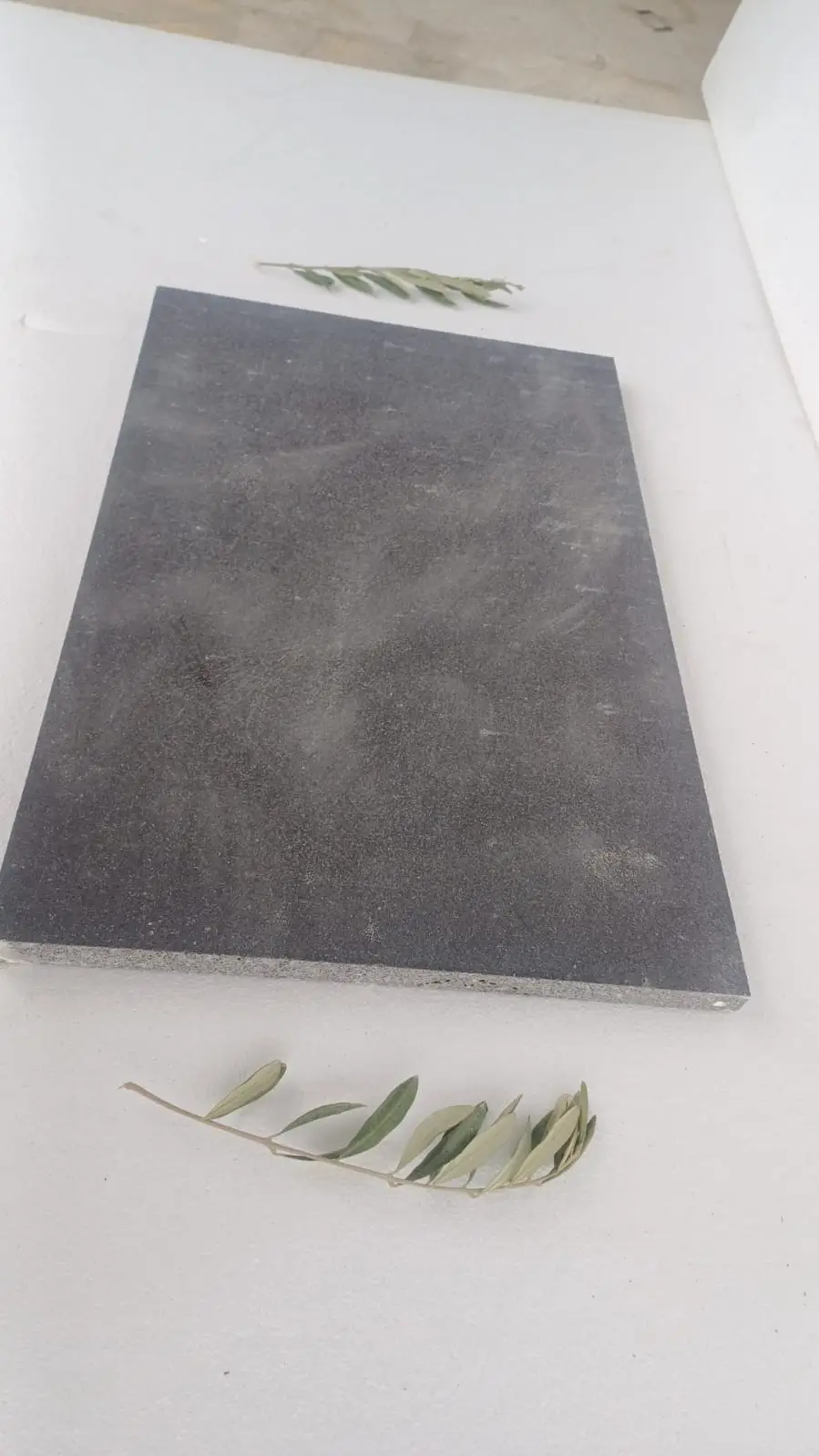
Pebble stone design works best when size selection is driven by function first and aesthetics second. Smaller diameter pebbles (15–25mm) pack more tightly, create a smoother walking surface, and are the right call for high-traffic patio zones. Larger river pebbles (50–80mm) are more suited to planting bed decoration, water-feature surrounds, and areas where foot traffic is minimal or absent.
- 15–25mm: dense-pack patio panels, mortared medallion features, pool border strips
- 25–40mm: garden path infill, dry-laid courtyard decorations, low-traffic zone surfaces
- 40–60mm: planting bed mulch replacement, drainage channel infill, feature wall bases
- 60–80mm+: large-scale landscape features, water course lining, boulder-transition zones
Uniformity within a batch matters as much as the nominal size range. A well-graded batch with tight tolerances produces an even surface that mortars cleanly. Inconsistent grading creates high points and voids that trap debris and weaken the overall panel. According to USGS dimension stone production data, grading consistency is one of the primary quality differentiators between quarry-sorted natural pebble and lower-grade decorative aggregate.
Ordering, Logistics, and Lead Times
Your project timeline needs to account for how pebble stone is sold and shipped. Bulk quantities are typically palletised in 800–1000kg bulk bags or 20kg retail bags depending on the supplier. For larger patio or landscaping projects, bulk bags are significantly more cost-efficient, but you’ll need to confirm truck access to your site — a fully loaded bulk bag requires a standard flatbed or curtain-sider truck, and narrow residential driveways or gated sites often need a crane-offload arrangement organised in advance.
Citadel Stone maintains warehouse inventory of sorted pebble stone across a range of sizes and colors, which typically brings lead times down to 1–2 weeks from order confirmation. That’s meaningfully faster than the 6–8 week import cycle that hits projects when stock runs out mid-specification. Confirm warehouse availability before locking your installation schedule, particularly for larger projects where color-matching across multiple pallets is critical.
Before You Specify Pebble Stone
The specification decisions that define pebble stone performance are mostly made before you place an order: base depth matched to local frost line requirements, drainage slope confirmed, setting method chosen, and stone size range locked to the application. Skipping any one of those steps is where the 10-year installations separate from the 25-year ones. Your building department is the right first call for base depth and permit requirements — that conversation is free and saves you from costly compliance issues after installation.
As you finalise your pebble stone plan, complementary edging details are worth considering alongside the surface itself. The right border stone or garden edge treatment frames a pebble installation cleanly and prevents stone migration at the perimeter — stone edging for garden beds covers the specification considerations for natural stone border applications. At Citadel Stone, our technical team is available to help you match stone sizes, confirm batch colour consistency, and calculate the tonnage your project requires before your order is confirmed. Pebble stone from Citadel Stone arrives from quarries across the Mediterranean and Middle East, sorted for even color blending.
Related reading: 3/4 in crushed stone · stone walkway ideas · Slate Stone vs Lava Stone: Which to Choose?.