

Why Grey Tone Matters More Than You Think
Paver colors in the grey spectrum carry more visual complexity than most project briefs acknowledge. Basalt grey, in particular, shifts noticeably between dry and wet conditions — the surface darkens, cools in value, and draws out the stone’s mineral texture in a way that lighter tones never do. That shift is a design asset when you plan for it, and an unwelcome surprise when you don’t. Understanding how basalt’s grey paver colors behave across light conditions, adjacent materials, and seasonal variation gives your palette selection a far more stable foundation than simply matching swatches under a showroom light.
The Spectrum Within Basalt Grey
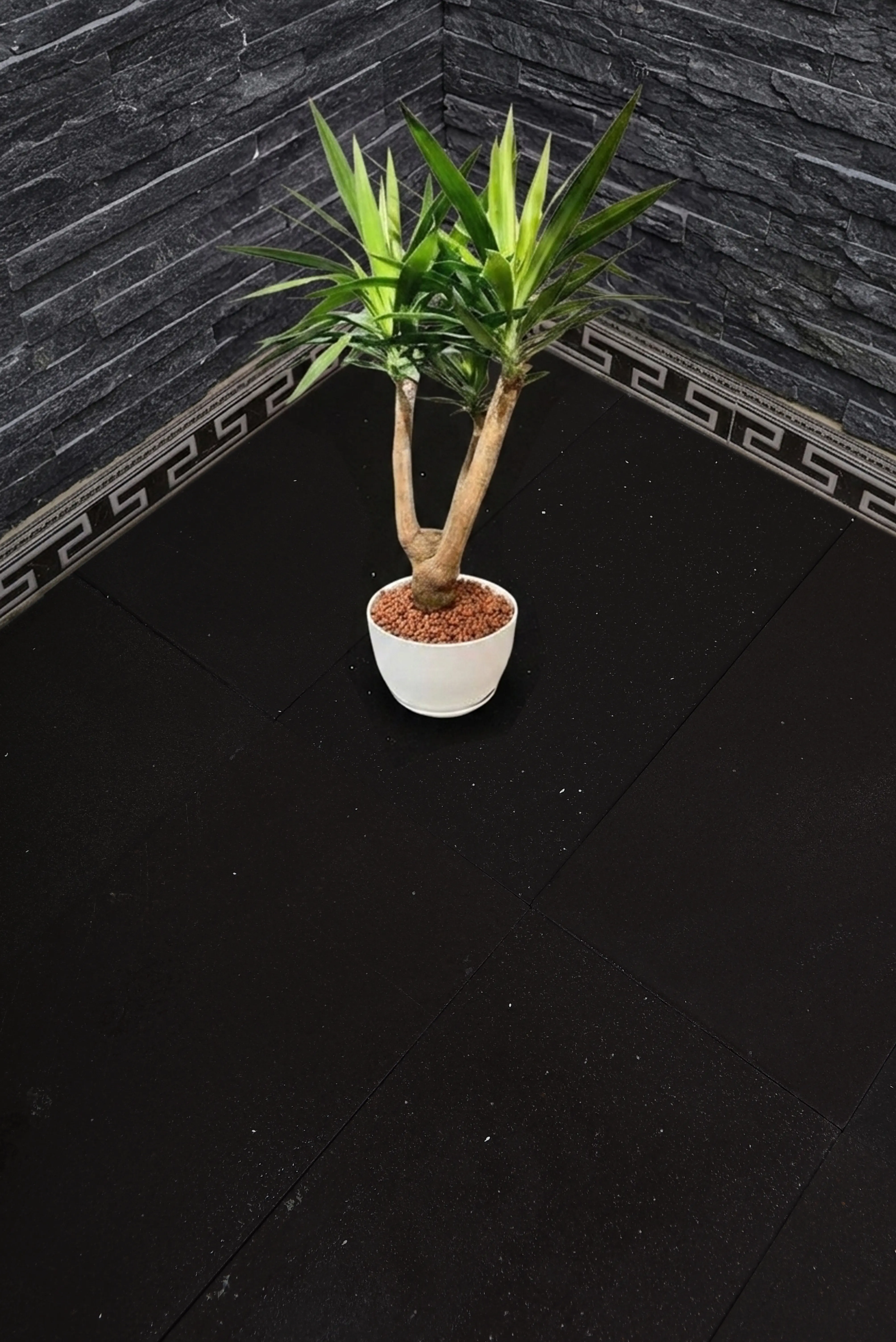
Basalt is an igneous material, and its colour comes from iron-rich minerals locked into a fine-grained matrix during rapid cooling. That origin produces a grey tone with genuine depth — not a flat neutral but a layered blue-grey that reads differently depending on finish and light angle. You’ll notice that a honed surface pulls the tone toward cool blue-grey, while a flamed or brushed finish introduces warmer, slightly lighter variation across the face. These are not inconsistencies; they are intrinsic to the material’s mineralogy, and basalt’s volcanic formation and mineral composition make that tonal variation unavoidable and worth specifying around rather than against.
Your palette decisions should treat these tonal sub-ranges as distinct options. The cooler, deeper honed tone pairs cleanly with white render, light timber, and pale concrete — a contrast-forward combination. The brushed or flamed variation sits more comfortably alongside warmer tones: terracotta, raw steel, aged timber, or sand-coloured wall stone. Treating basalt as a single flat grey misses the specification opportunity the material actually offers.
How Finish Changes Paver Colors in Basalt
The finish you specify does more work on paver colors than the stone type alone. Basalt grey is a good case study because the same quarried block can yield visually distinct results depending on how the surface is processed.
- A honed finish compresses the surface and intensifies the blue-grey reading — it is the coolest, most consistent tone in the basalt range
- A flamed finish opens the crystal structure slightly, introducing pale speckle and warming the overall grey — useful when you need visual softness at scale
- A brushed finish sits between those two: matte like a flame, but with more surface movement and slightly more variation across individual pavers
- A sawn finish gives you the flattest, most uniform face — a clean grey that reads well in contemporary settings without the depth of honing
According to USGS data on basalt volcanic rock properties, basalt’s density and mineral uniformity make it well-suited to consistent surface finishing — which means the finish you specify is reliably reproducible across a full order. That predictability is worth noting when you’re coordinating large-format runs for commercial or high-volume residential projects.
Coordinating Grey With Adjacent Materials
The question most specifiers wrestle with is not what grey looks like in isolation — it’s how it reads alongside everything else on site. Basalt grey tones are versatile precisely because they are neither warm nor cool in an absolute sense; the finish and light angle determine which direction they lean. That means you can anchor basalt pavers in a palette and then steer the surrounding materials toward the mood you want.
- Pair cool honed basalt with white or light-grey render for a high-contrast, architectural result that holds its edge in full sun
- Use flamed or brushed basalt alongside natural timber decking to prevent the grey from reading too cold against organic tones
- Combine basalt with pale limestone or sandstone borders to add tonal graduation without introducing a competing material character
- Against dark plantings or dense greenery, basalt grey reads almost as a neutral — it steps back and lets the landscape carry the visual weight
The finish also decides which neighbours suit the field best. A flamed or brushed face reads slightly warmer and lighter, so it sits comfortably beside sandy or buff-toned materials where a pure charcoal would create too sharp a break. A honed face, by contrast, keeps the cooler, more even blue-grey that high-contrast palettes need. Knowing those distinctions before you commit to a layout prevents costly palette corrections mid-project.
Terrain, Drainage, and Long-Term Color Consistency
Your site’s elevation and gradient affect paver colors indirectly but meaningfully — through drainage performance and moisture exposure. On sloped or hillside installations, water moves quickly across the surface and drains efficiently, which means the pavers spend less time wet and return to their dry-state tone faster. On flat or low-lying sites, water pooling keeps the surface in its darker, saturated reading for longer periods, which can make the overall palette feel heavier than the dry sample suggested.
Grade management also determines whether fine silts and organic material migrate across the stone surface and deposit in joints. On sites with significant elevation change, poorly designed drainage channels can direct sediment-laden runoff across paved areas, which stains lighter grey tones over time and alters the palette in ways that are difficult to reverse. Your base preparation on sloped terrain needs to account for lateral water movement, not just vertical drainage — compacted aggregate sub-bases on grade require stepped compaction layers to prevent settlement that opens joints unevenly, which in turn affects both drainage and surface appearance.
The Natural Stone Institute’s guidance on natural stone paving variety selection reinforces that igneous stones like basalt maintain their surface integrity and colour stability where drainage is well-managed — a specification decision that pays back across the installation’s service life.
Red Pavers and Warm Accents Alongside Basalt
Red pavers introduce the most dramatic contrast you can create with a basalt grey field — and it works precisely because the materials are compositionally different. Red tones in natural stone (typically iron-rich sandstones or certain granites) sit at the opposite end of the warm-cool axis from honed basalt. Used as border banding, step nosing, or accent insets, red stone against basalt grey creates a confident, high-contrast palette that holds its resolution even across large paved areas.
The practical specification consideration is finish coordination. A polished red stone alongside a honed basalt will read as two distinct material languages; a tumbled or flamed red alongside a flamed basalt creates textural harmony even while the colors contrast. You don’t need both materials to share a finish — but you need to be intentional about whether you want contrast in tone only, or contrast in both tone and texture simultaneously. In these mixed-palette schemes, a flamed basalt field often eases the transition between the warm red and the grey, because its paler, slightly warmer tone sits closer to the red than a honed surface does.
Specifying Basalt Paver Colors for Your Project
Colour selection for paver projects should follow a structured sequence rather than starting from a sample card. Your site’s light conditions, the architectural materials already committed to the project, and the finish you’ve specified for the basalt all need to be resolved before a final colour direction is locked in.
- Assess the site’s primary light orientation — north-facing installations will read cooler and darker than south-facing ones, which shifts how grey tones register across the day
- Confirm finish choice before selecting palette companions — a honed and a flamed basalt in the same nominal grey can look like different stones in an installed context
- Request full-size samples in the actual finish specified — small chips misrepresent the visual scale of grain variation and tonal spread across a full paver face
- View samples in site conditions, not showroom conditions — natural grey tones behave very differently under artificial versus natural light
- Account for the tone shift between dry and wet states — if your project includes an area that stays damp seasonally, the wet-state reading is the one you’ll live with most of the time
For projects sourcing basalt pavers at volume, Citadel Stone cuts to order at our selected quarries, which means colour consistency is managed at the production stage rather than assembled from existing stock. That matters for large installations where tonal variation across batches would be visible in the finished field.
Pairing Basalt Grey With Landscape Planting
Landscape integration is where paver colors either hold their specification intent or get lost. Basalt grey has a particular relationship with planting because its cool mineral tone provides strong visual contrast against most foliage greens — especially deep greens and the blue-greens of ornamental grasses. That contrast sharpens the perceived edge between hardscape and softscape, giving the paved area a defined boundary even when planting grows dense and close to the paving edge.
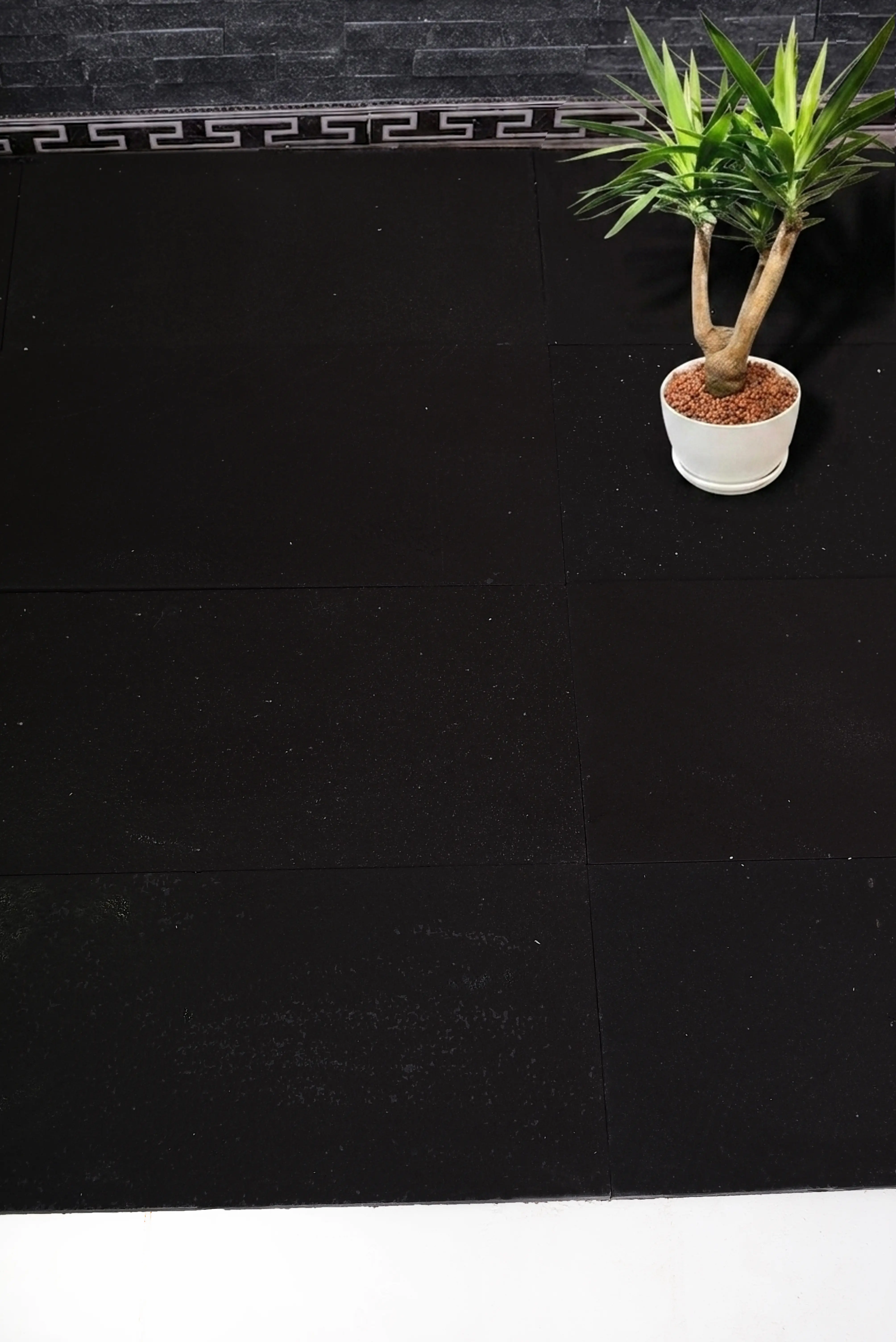
Consider how our grey basalt paver tiles read alongside seasonal change — the tone stays consistent year-round because basalt doesn’t amber or yellow with age or UV exposure the way some sedimentary stones do. That stability makes basalt a reliable anchor for planting schemes where the softscape changes character across seasons. A brushed finish, with its extra surface movement and variation from paver to paver, is particularly effective in naturalistic planting schemes, where the tonal movement in the stone echoes the variety in the surrounding foliage.
Maintenance and Color Retention
Basalt’s colour retention over time is one of its practical strengths in outdoor applications. The material’s density and low absorption rate mean surface staining is less likely than with more porous stones — but that doesn’t make sealing irrelevant. An impregnating sealer applied at the interval your sealer manufacturer specifies helps maintain the clarity of the grey tone by preventing fine particulate from being driven into the surface structure over repeated wet-dry cycles.
- Re-seal at the interval stated by your sealer manufacturer — not on a generalised schedule
- Clean the surface before re-sealing to prevent locking in any residue that has accumulated since the previous application
- On flamed or brushed finishes, use a penetrating impregnator rather than a topical coating — topical products can alter the surface sheen and change the tonal reading of the finish
- In joint areas, check sand compaction annually — settled joints allow water ingress that can carry fine soils into the stone surface at the edge
Getting Basalt Paver Colors Right
Working with basalt’s natural tonal behaviour — rather than treating it as a fixed neutral — is the practical foundation of a successful palette decision. Finish, light orientation, drainage performance, and adjacent material selection all shape how the grey reads in a finished installation, and each of those decisions needs to be made before you commit the order, not adjusted afterward. For projects where basalt’s role extends beyond paving into wall cladding or tile applications, basalt as a tile and cladding material covers the specification considerations that carry across both applications. Basalt paving from Citadel Stone holds its cool grey tone well, making it easy to combine with mixed outdoor palettes.
Related reading: Vesicular Basalt Rock: What It Means for Tiles · columnar basalt rock · basalt stones.