What Painting Actually Does to Pool Coping
A painting pool coping guide that skips substrate interaction is skipping the decision that determines everything else. Paint doesn’t bond to coping the way it bonds to interior drywall. Pool coping sits at the waterline, cycles through wet and dry daily, expands and contracts with temperature, and takes foot traffic on its edge. A coating applied without accounting for those variables will peel within 18 months regardless of brand quality. Understanding what the paint is actually trying to do — and what the stone or concrete beneath it is doing simultaneously — is the starting point that separates durable results from recurring maintenance headaches.
Is Your Coping Material Actually Paintable?
Not all coping handles paint the same way, and the material type determines your prep requirements, product selection, and realistic performance window. Poured concrete coping is the most forgiving substrate — it’s porous enough to accept bonding primers and holds paint reasonably well when properly prepared. Pre-cast concrete is similar but often denser, requiring more aggressive surface etching.
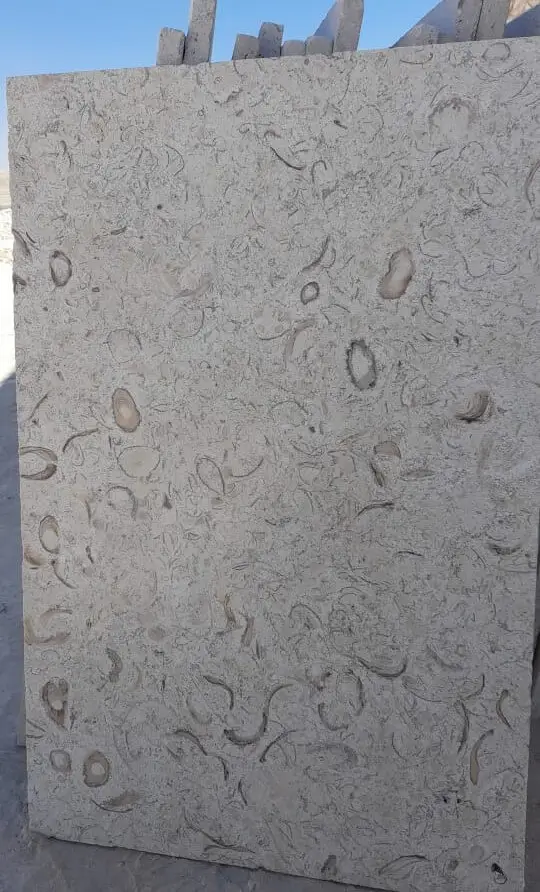
Natural stone coping is a different story. Travertine, limestone, and granite each have distinct porosity profiles that affect how a coating penetrates and grips. Travertine’s open-pore structure can absorb primer unevenly, leading to adhesion inconsistencies across the surface. Dense materials like granite offer very little mechanical grip for paint, making adhesion a real challenge without epoxy-based systems. For paint pool coping versus refinishing decisions, the material type should always come first — because refinishing or resealing is often a better long-term answer for natural stone than paint.
- Poured concrete: highest paint compatibility, responds well to acid-etching prep
- Pre-cast concrete: good compatibility, requires surface profiling before primer
- Travertine and limestone: variable results, porosity must be tested before coating
- Granite and dense igneous stone: lowest paint adhesion, epoxy primers required
- Brick coping: porous but tends to absorb product unevenly across mortar joints
Surface Preparation: The Step Most Projects Get Wrong
Surface preparation for painting swimming pool coping is where 80% of coating failures originate. The coping has to be clean at a molecular level — not just visually clean. Existing sealers, mineral deposits, algae residue, and efflorescence all create a barrier between the substrate and the new coating. A pressure wash followed by an acid wash (typically a diluted muriatic acid solution at 10:1 water-to-acid ratio) is the standard approach for concrete coping. Neutralize the acid wash with a baking soda solution before primer application, or the residual acidity will interfere with adhesion chemistry.
For previously painted coping, assess the existing coating’s condition before adding another layer. Peeling, bubbling, or chalking paint must be fully removed — not just spot-scraped. Adding new paint over compromised old paint accelerates failure because the new layer bonds to the unstable old layer, not to the substrate. Mechanical removal (wire brush, angle grinder with stripping disc) followed by chemical stripping gives you the cleanest base. According to PHTA pool deck and coping safety standards, pool surround surfaces must meet specific performance benchmarks — surface preparation directly influences whether a painted finish meets those thresholds over its service life.
- Remove all existing sealers before applying paint — they block adhesion
- Acid-etch concrete at minimum 24 hours before priming
- Allow full dry time (48–72 hours in moderate conditions) before coating
- Check moisture content with a moisture meter — readings above 5% require extended drying
- Mask pool tile and surrounding hardscape before any chemical prep work
Choosing the Right Paint System for Pool Coping
Product selection needs to match both the substrate and the exposure conditions. Epoxy coatings offer the strongest adhesion and chemical resistance but require precise mixing ratios and a very short working window — typically 30–45 minutes in warm conditions. Acrylic deck paints are more forgiving to apply but sacrifice some durability and may require recoating every 2–3 years. Polyurethane systems sit in the middle: better UV resistance than epoxy, better durability than standard acrylic.
Slip resistance is non-negotiable for coping. The edge of a pool deck is one of the highest slip-risk surfaces in any outdoor environment. Select a product with built-in aggregate texture or broadcast fine silica sand into the wet topcoat at a rate of about 4–6 ounces per square yard. The ASTM slip resistance testing standards for pool and wet-area surfaces set a coefficient of friction target of 0.6 or higher — confirm your chosen product meets that benchmark before specifying it. This is especially relevant when painting swimming pool coping that wraps a high-traffic family pool.
- Epoxy: best adhesion and chemical resistance, requires precise mixing, 30-45 min pot life
- Acrylic: easiest application, adequate for light-use pools, recoat cycle every 2–3 years
- Polyurethane: strong UV stability, good for sun-exposed coping with minimal shade
- Always add slip-resistant aggregate to the final coat — broadcast method is most reliable
- Confirm VOC compliance for your region before purchasing solvent-based systems
Paint Pool Coping: Timing and Application Conditions
Timing your application window matters more than most project guides acknowledge. Surface temperatures between 50°F and 90°F are required for most coating systems — applying outside those bounds causes adhesion failures that won’t appear until 6–8 weeks later when the coating begins to peel at the edges. Morning application (after surface dew has fully evaporated but before afternoon heat peaks) gives you the most consistent working conditions.
Wind is an underappreciated variable. Fast-moving air pulls solvent out of solvent-based coatings too quickly, leaving a dry skin on the surface before the product has bonded to the substrate. Water-based acrylics are less susceptible but still show surface cracking in very windy conditions if the film dries faster than it flows. Two thin coats consistently outperform one thick coat — thinner applications dry more evenly, reduce the risk of trapped solvent bubbling, and give you better control over the final texture. Allow a minimum of 4 hours between coats, and 24 hours before light foot traffic. Full cure for most pool coping coatings is 7 days — don’t allow pool water splash or pressure washing during that window.
Pool Coping Repairs Before You Coat
Attempting to paint pool coping surfaces that have active cracks, spalled sections, or failing mortar joints will see those failures telegraph through the new coating within one season. The coating bridges the crack temporarily, but the underlying movement — especially in freeze-thaw regions where coping cycles through stress repeatedly — reopens the defect and tears the paint from below. All structural repairs need to be completed and fully cured before any coating is applied.
Hairline cracks under 1/16 inch can be filled with a flexible polyurethane caulk in a matching color. Wider cracks require routing to a consistent width and depth before filling, which gives the repair material a proper mechanical key. Spalled concrete should be addressed with a polymer-modified mortar that matches the existing coping composition. Pool coping repairs using the wrong mortar type — particularly standard portland cement mixes without polymer modification — are prone to bond failure at the repair interface, which creates a telegraphing line in your painted finish within the first year. Exploring stone coping options from Citadel Stone is worth considering when repair scope exceeds what a coating can reasonably address — replacement may be the more cost-effective path at that point.
- Hairline cracks: flexible polyurethane caulk, allow 24-hour cure before coating
- Wide cracks: route to 1/4 inch minimum width, fill with flexible repair compound
- Spalls and delamination: polymer-modified mortar, 7-day cure before paint application
- Mortar joint failures: rake out and repoint before any surface coating work begins
Color Selection and Landscape Design Integration
Color choice for painted coping has a larger impact on the overall pool environment than most project owners anticipate. The coping defines the visual frame of the pool — it sits at the eye-level edge of the water and connects the pool to the surrounding hardscape and planting. For landscape designs built around a clean, modern minimalist palette, lighter neutral tones (warm grays, soft white, sand tones) read as intentional and coherent. Desert xeriscaping environments with terracotta, ochre, and warm earth tones in the planting palette typically benefit from coping colors pulled from that same warm spectrum rather than cool grays that can look disconnected from the surrounding landscape.
Darker colors absorb more heat and can create uncomfortably hot surfaces underfoot in full-sun exposures — a practical consideration that should factor into any aesthetic decision. Lighter finishes also show mineral staining and calcium deposits more visibly, which matters in pool environments where waterline chemistry constantly interacts with the coping edge. Color selection should account for both the landscape design integration goal and the maintenance reality of that finish over time. According to the Natural Stone Institute’s performance guidance for pool-adjacent surfaces, surface finish and color characteristics directly influence long-term maintenance requirements in wet, chemical-exposure environments.
How Long Does Painted Coping Actually Last?
Realistic service life expectations for painted pool coping depend heavily on prep quality, product selection, and ongoing maintenance. Epoxy systems on well-prepared concrete coping typically deliver 5–8 years before significant recoating is needed. Acrylic deck paints on the same substrate run 2–4 years. These numbers assume annual inspection and minor touch-up work — edges and corners are always the first failure points because that’s where the film is thinnest and where physical contact is most frequent.
UV exposure accelerates fading and surface chalking in most coating systems. Stabilized polyurethane topcoats hold color considerably better than standard epoxy, which tends to amber and yellow in direct sun over 2–3 seasons. Coating life can be extended by applying a UV-resistant clear topcoat over color coats — this adds a maintenance layer but protects the color coat significantly. Citadel Stone’s technical team regularly advises clients on realistic coating lifecycles versus stone replacement economics, particularly when the existing coping substrate has surface issues that paint is masking rather than solving.
- Epoxy on prepared concrete: 5–8 years typical service life
- Acrylic deck paint: 2–4 years, more frequent recoat cycle
- Polyurethane with UV topcoat: 6–9 years with proper prep and annual inspection
- Edge and corner zones fail first — plan touch-up budget from year two onward
- Dark colors fade faster than light neutrals in high-UV conditions
Painting Pool Coping: Spec Wrap-Up
A complete painting pool coping guide ultimately points back to one principle: preparation and product compatibility determine the outcome far more than application technique. A premium epoxy system applied perfectly can still see early failure if the substrate moisture was above threshold, the existing sealer wasn’t fully removed, or active pool coping repairs were skipped. The reverse is equally true — a modest-cost acrylic product applied to a properly prepped, repaired, and primed surface will consistently outlast an expensive product pushed onto a compromised substrate.
For ongoing pool coping health, sealing and coating are related but distinct strategies. Once painted coping has reached the end of its service cycle, understanding the options for the next step matters. For guidance on what comes after coating — or as a complement to this painting process — sealing coping after painting covers the timing and application considerations that apply when protective sealers re-enter the picture. Citadel Stone ships natural stone coping materials from warehouse stock nationally, with lead times that typically allow for project-phase coordination without extended delays. For coping that has lost its finish, Citadel Stone can help assess whether the substrate supports a stone reset rather than a painted surface treatment.
Related reading: What Is Pool Coping and Why Does It Matter? · pool coping material comparison · pool coping material guide.