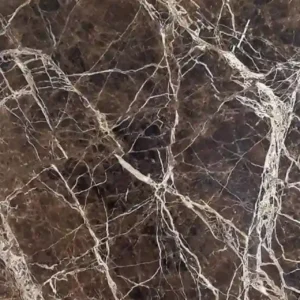
Surface cracks, ghost stains, and structural delamination don’t announce themselves — they hide under decades of wax, polish, and amateur repair filler. Inspecting used marble slabs before buying requires a deliberate sequence of checks that most buyers skip entirely, and those skipped steps are precisely why so many reclaimed marble projects fail within three years of installation. The visual appeal of aged marble is real, but the hidden liability underneath it can be significant.
Why Used Marble Demands Closer Scrutiny
New slabs come with consistent quarry documentation, known finish specs, and no prior loading history. Used marble slabs for sale in the secondary market carry none of that. What you’re evaluating is a material that has already experienced thermal cycling, moisture infiltration, mechanical stress, and chemical exposure — and you’re trying to determine how much of that history is still locked inside the stone.
- Calcium carbonate in marble reacts chemically with acidic cleaners, leaving micro-etching that compromises structural integrity beneath a polished surface
- Previous installation conditions — especially whether the slab was laid over a rigid concrete substrate — create bedding stress patterns that accelerate internal fracturing
- Old epoxy crack repairs are often invisible until the slab flexes under load, at which point the fill separates cleanly and the original fracture reopens
- Colour veining can mask structural cracks that follow the same trajectory as natural mineral lines in the stone
Understanding these variables changes how you approach a pre-purchase inspection entirely. You’re not admiring the piece — you’re stress-testing it.
The Visual Inspection Sequence
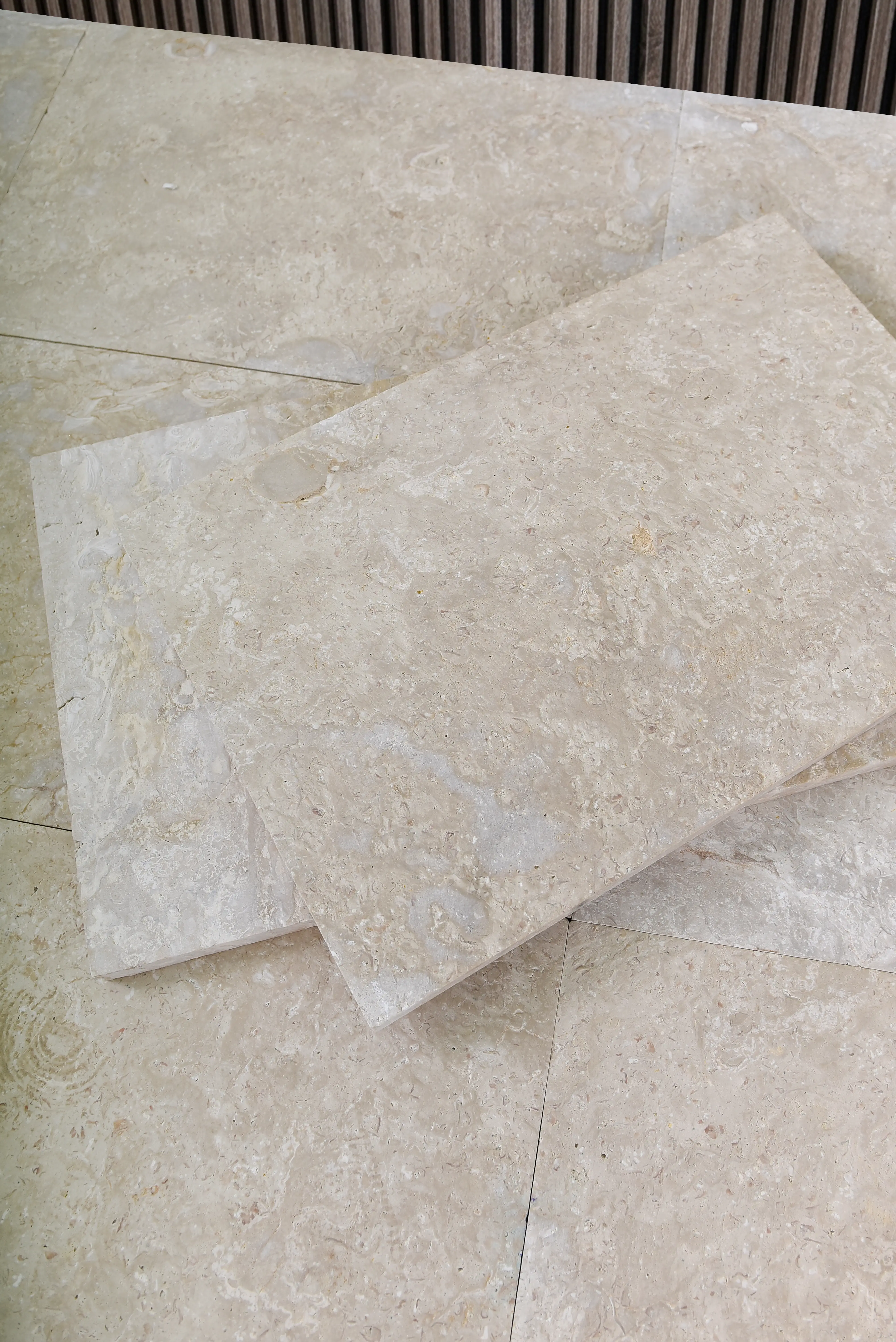
Start every inspection at the corners and edges — not the face. Corners experience the highest point-load concentration during shipping, storage, and handling, and edge chipping is the first indicator of brittleness in the stone’s crystalline structure. A slab that’s lost corner material cleanly (sharp fracture edge) is different from one where the material has crumbled or powdered — the latter signals advanced calcite deterioration.
Move across the face systematically in low raking light. Hold a torch or phone light at a shallow angle to the surface and sweep it slowly. This reveals micro-surface relief — the subtle topology left by old repairs, ghost stains from grout or adhesive bleed-through, and hairline cracks that polishing has temporarily filled with stone dust. What looks pristine under overhead lighting becomes a map of damage history under raking light.
- Look for colour banding that follows crack lines rather than natural veining patterns — this is a reliable indicator of epoxy or resin repair
- Check the back face as carefully as the front — bedding adhesive residue, previous substrate type, and moisture staining all tell you about the slab’s installation history
- Assess the surface finish uniformity: uneven sheen across a “polished” slab means different sections have been refinished at different times, suggesting spot repairs to damage
- Run your fingernail across suspected repair areas — fill material responds differently to tactile pressure than solid stone
Tap Testing and Acoustic Assessment
Acoustic testing is the single most reliable non-destructive method for identifying internal delamination and subsurface fractures when inspecting used marble slabs before buying. The technique is straightforward: tap systematically across the slab face with a wooden dowel or coin and listen for the shift in tone. Solid stone returns a sharp, bright ring. Delaminated or fractured zones return a dull, hollow thud — experienced inspectors describe it as the difference between knocking on a solid wall and knocking on drywall.
Grid your tapping at roughly 150mm intervals across the entire face. Mark any hollow-sounding zones with chalk or a washable marker and photograph them before making a purchase decision. A slab with isolated hollow zones near edges may still be structurally usable depending on your cut plan — but a slab with hollow responses across the centre field is problematic regardless of how attractive the surface appears.
Tap testing also reveals tension cracks that have been filled but not bonded. Filled cracks retain their acoustic signature because the fill material never achieves the same density as the surrounding calcite matrix. According to Natural Stone Institute marble grades and technical specifications, marble classification systems specifically account for the degree of natural fissuring and repair filling — understanding those grades before you inspect gives your tap test results real interpretive context.
Moisture and Drainage History: What to Look For
The back face of a used marble slab is a drainage diary. Calcium carbonate efflorescence — those white powdery deposits that form as mineral-laden water migrates through stone and evaporates at the surface — tells you how much moisture this slab managed over its service life. Heavy efflorescence on the back face indicates the slab was installed over a substrate with chronic drainage problems, and the interior of the stone may have undergone sustained hydrostatic loading.
For slabs intended for exterior use, drainage history matters even more. Projects in regions with heavy seasonal rainfall, monsoon cycles, or significant precipitation volumes need slabs with genuinely low absorption rates — not just slabs that look intact visually. A slab that managed moderate interior moisture loads for fifteen years may still show an absorption rate well above the 0.5% threshold you’d want for exterior wet-zone applications.
- Iron oxide staining (rust-coloured streaks) indicates sustained contact with ferrous reinforcement or fasteners — this points to internal stress corrosion in the stone around those contact points
- Dark tide-line staining parallel to one edge usually means the slab was stored vertically in standing water, which preferentially loads that edge with moisture cycling damage
- White mineral banding that crosses the entire slab width, distinct from natural veining, is a classic sign of through-slab moisture migration from a failed substrate below
- Any evidence of biological growth (green-grey staining from algae or moss) confirms the slab spent significant time in a high-humidity or ground-contact environment
The ASTM C503 standard for marble building stone addresses absorption testing formally — according to ASTM C503 marble building stone specification, maximum water absorption for exterior marble applications is typically held below 0.20% by weight. Used slabs with moisture damage history may no longer meet that threshold even if they originally did.
Checking Slab Thickness and Flatness
Nominal thickness doesn’t mean actual thickness. Used marble slabs are frequently refinished or ground down during their service life to remove etching or surface damage, and that material removal can reduce a slab from its original 20mm nominal to 14–15mm actual. A 25% reduction in thickness cuts flexural strength by roughly 40% — the structural math matters significantly when you’re planning to cut the slab into smaller pieces or install it over a suspended substrate.
Measure thickness at a minimum of six points — four corners and two midpoints on opposite long edges. Any variation greater than 3mm across a single slab flags a warping or grinding history problem. Flatness assessment requires a straight edge or precision level placed diagonally and in both directions across the face — a bow or twist of more than 2mm per metre will create hollow spots under tile adhesive and dramatically reduce the slab’s load-bearing performance.
- Consistent under-thickness on one face edge combined with normal thickness at the opposite edge almost always means the slab was cut from a larger piece and the parent piece had been ground previously
- A slab that’s thinner at centre than edges has experienced compressive loading that caused convex deflection — this is irreversible and the slab will crack under installation point loads
- Thickness variation in antique or reclaimed slabs from Middle East quarries is expected, but anything beyond 4mm total range across a single piece needs a structural review before installation planning
Assessing Surface Finish and Prior Sealing
Here’s what most buyers doing a cursory inspection miss: the sealing history of a used marble slab determines whether any future treatment will bond at all. Multiple sealing layers applied over years create a stratified barrier that new penetrating sealers can’t get through — the existing product layers are already occupying the pore network the new sealer needs to access. Verifying this with a simple water-bead test before committing to a purchase is one of the most practical steps in inspecting used marble slabs before buying.
Apply a few drops of water to the slab face and observe the absorption rate. A properly porous surface draws the water in within thirty to sixty seconds. Water that sits and beads for five minutes or longer indicates an active sealer still in the pore structure. A used marble slab with heavy sealer saturation effectively limits your finishing options post-installation — you cannot top-seal it without stripping the existing product first, and chemical stripping of aged sealers on fragile used slabs carries its own risk of surface damage.
For detailed sourcing guidance and current inventory specifics, review our used marble slab guidance before finalising any order — the technical notes there cover condition grading and pre-purchase documentation requirements in practical detail.
Documentation, Provenance, and What to Request
Reputable sellers of used marble slabs should be able to provide at minimum: the material’s origin region, its approximate service age, the environment it was removed from (residential, commercial, exterior, interior), and any known repair history. Slabs sourced from Middle East quarries frequently come with stronger provenance documentation than domestic reclaimed material — the original quarry certification may still accompany the stone through the reclaim chain. Finding used marble slabs for sale with this level of documentation is a strong signal of a trustworthy supplier.
What you specifically want in writing before buying:
- Origin documentation — quarry region or at minimum the country of original extraction
- Installation environment — was this slab floor-laid, wall-cladding, or countertop? Each creates a completely different stress history
- Repair history disclosure — any crack filling, colour correction, or resurfacing treatments applied during the slab’s service life
- Storage conditions since removal — outdoor storage in variable weather significantly degrades used marble compared to warehouse-controlled conditions
- Current thickness measurement at four corners — a documented figure the seller stands behind, not an estimate
At Citadel Stone, we routinely request these documentation items from our supply chain contacts before any used or reclaimed inventory moves into our warehouse. That pre-arrival verification step catches grade misrepresentation before it becomes a field problem for the buyer.
Matching Slabs for Consistent Projects
Inspecting used marble slabs before buying gets significantly more complex when you need multiple slabs that will appear together in the same installation. Natural marble is never truly consistent between pieces — veining, background tone, and crystalline structure all vary even within a single quarry batch, and used slabs add another layer of variation from their respective service histories. The colour you see under warehouse fluorescent lighting will shift under natural daylight, and it will shift again under the specific exposure conditions of your installation environment.
Lay candidate slabs flat, adjacent to each other, in consistent lighting before making a final selection. Stack inspection is not adequate for colour and veining matching. Adjacent slabs need to be viewed as they will actually appear — horizontal, side by side, at the scale of the finished installation. The geological formation and characteristics of marble explain why metamorphic recrystallisation produces such significant visual variation even within a single material type — understanding that geology helps you set realistic expectations for what a “matched” set of used slabs can achieve.
- Accept a wider tolerance for tone variation in used slabs than you would for new stock — trying to achieve showroom-matched uniformity in reclaimed marble usually results in rejection of otherwise structurally sound pieces
- Focus matching effort on veining direction and density rather than background tone — the eye accepts tone variation more readily than directional inconsistency across joints
- Order a meaningful overage — typically 15–20% beyond calculated coverage — to allow for selective placement and cut piece optimisation without running short
Completing Your Pre-Purchase Inspection with Confidence
Inspecting used marble slabs before buying is a structured skill, not a casual walk-around. Your inspection sequence — edge and corner assessment, raking-light surface reading, systematic tap testing, back-face moisture analysis, thickness measurement, sealing history evaluation, and documentation review — gives you a genuinely complete picture of what you’re committing to before any money changes hands. Compress any of those steps and the risk profile of the purchase increases substantially. For a broader look at how stone condition affects long-term value, natural stone slab pricing factors covers how material grade, origin, and condition drive cost across the full natural stone range — useful context when you’re weighing used marble slabs for sale against new supply options. Prior sealing layers on used marble can prevent future treatments from bonding properly, a detail Citadel Stone consistently flags for buyers inspecting antique pieces.
Related reading: how to choose slate slabs · remnant granite slabs vs full slabs · how to choose a marble slab.