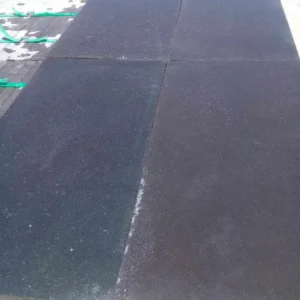
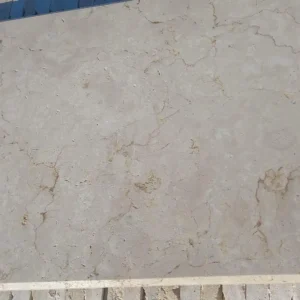
Same Dollar, Different Customs Territory
The British Virgin Islands adopted the US dollar in 1959 and the Government of the Virgin Islands has said plainly that changing it is not on the table. For a supplier in the United States that is a gift: no conversion paragraph, no exchange exposure, no arguments about which rate applied on the day. It also creates an expensive misunderstanding in Caribbean stone buying. Same currency does not mean same customs territory. The Territory is a British Overseas Territory with its own customs administration, and it is not inside the United States customs territory.
An Associate Member, Not a Tariff Member
Regional shorthand fails here too. The Territory has been an associate member of CARICOM since 1991 rather than a full member, and associate status means it is not bound by the regional Common External Tariff. It sets its own tariff. Apply the wrong framework and every line on your cost sheet drifts.
- Associate members include Turks and Caicos and Anguilla
- The Cayman Islands and Bermuda joined the same group later
- Associate status carries trade cooperation, not a shared external tariff
- Rates are set locally and assessed on the goods you actually declare
Duty Under the 2010 Act
Import duty is provided for by the Customs Management and Duties Act, 2010, together with its amendments. Duty is assessed by HS code, so the classification of your consignment does real work: cut and dressed paving, rough blocks and finished tile are not the same tariff conversation. We deliberately do not publish a rate for stone. Rates move, classification depends on product and finish, and a wrong figure printed on a website becomes a wrong figure in somebody’s budget. Confirm the current rate with your broker or with HM Customs before you commit a client price.
Three things drive the number on the entry, and only one of them is the stone itself.
- Classification of the goods, which turns on product type and finish
- The declared value of the consignment presented on entry
- The rate applying to that classification at the time of import
- Port fees, which sit outside duty and are settled at clearance
The Tax Layer That Is Not There
Here is the genuinely good news, and it is true. The Territory levies no value added tax, no goods and services tax, no sales tax and no general consumption tax. That absence matters more than most buyers expect, because in nearby markets a consumption tax sits on top of duty and freight and quietly inflates the delivered figure. When we price stone paving quoted in dollars for a site in the islands, that layer simply is not in the stack.
- No consumption tax applied on top of the duty-inclusive value
- No recovery paperwork, because there is nothing to recover
- Client-facing budgets read the same way as the supplier quotation
- Duty and port fees remain payable, so imports are not tax free
- Pricing already sits in US dollars, with no conversion line to reconcile
CAPS Is How Entries Are Filed
Trade declarations are completed and submitted online through CAPS, the Customs Automated Processing System. Once the entry is raised and duties and port fees are settled, cargo is collected from the designated customs station, which for containerized stone means Port Purcell in Road Town. The practical advice is unglamorous: get documents to your agent the day the container is loaded, not the day the vessel berths. Entries filed early are entries that do not add days to your program. It also helps to send the packing list and the commercial invoice in the same message rather than in three separate emails a week apart, because an agent chasing a missing document cannot raise the entry at all. If your consignment carries mixed formats, mixed finishes or a small volume of edging alongside the main paving, say so in the description rather than leaving the classification to guesswork on the day.
A Levy That Does Not Touch Cargo
One item deserves correcting because it appears in careless cost sheets. The Territory operates an Environmental and Tourism Levy of ten US dollars, introduced on 1 September 2017 under the Environmental Protection and Tourism Improvement Fund Act. It is collected on arrival at ports of entry from arriving passengers. It is not a charge on imported goods. Anyone who has added it to your paving budget has copied it from a travel page rather than a customs one.
Building a Landed Cost Sheet That Holds Up
A defensible sheet has five lines and no wishful thinking. Build it once and it survives client review, lender review and the argument you will have in month four.
- Stone at the agreed rate per square foot, by area and format
- Crating and protection, priced as a real item rather than absorbed
- Ocean freight, with full container and part load compared honestly
- Duty and port fees, confirmed locally rather than estimated remotely
- Clearance, haulage and any onward island transfer to the property
Who Actually Signs the Specification
Consent runs under the Physical Planning Act, 2004. The Town and Country Planning Department reviews an application, conducts a field visit and processes it through Development Control, while the Planning Authority makes the decision. Crucially, a locally registered architect or surveyor must file the application, and applications are processed in accordance with the Land Development Control Guidelines of 1972. For an overseas owner that means the specification conversation belongs with a local professional. More detail on how BVI orders are handled sits on our territory page. Write to the person filing the drawings, because that is where a paving specification either survives or quietly disappears.