Why Sealer Choice Defines Long-Term Performance
Limestone patio sealing decisions made at the specification stage have a larger impact on long-term surface condition than nearly any maintenance routine applied afterward. The stone’s calcium carbonate matrix creates an absorption profile unlike ceramic or porcelain — penetrating sealers don’t just coat the surface, they bond within the pore structure itself, and the chemistry of that bond determines whether you’re resealing in two years or five. Getting this right from the start saves significant remediation cost down the line.
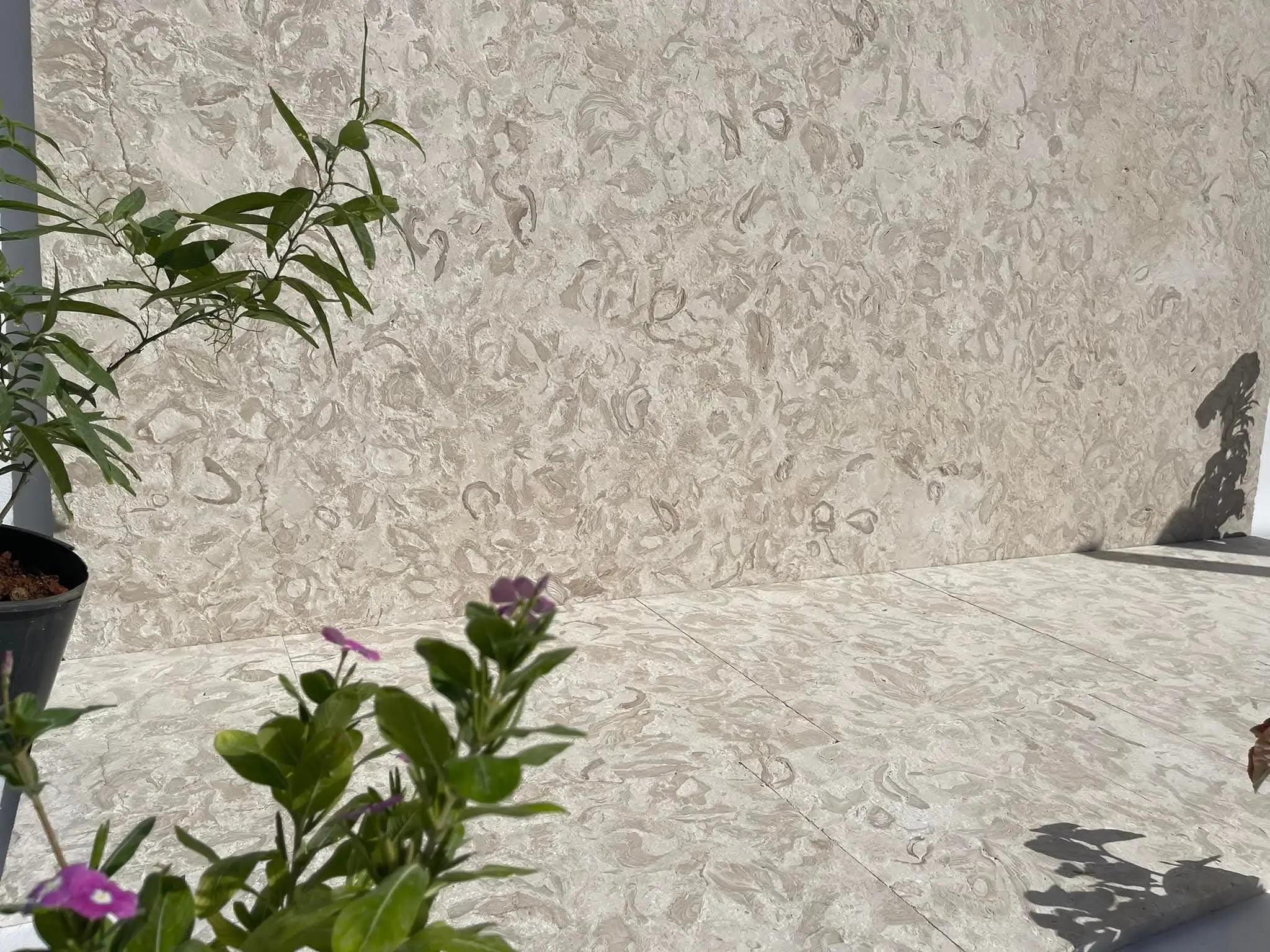
Limestone’s porosity typically ranges between 5% and 20% depending on formation density, and that range matters when you’re selecting a sealer viscosity. A low-viscosity impregnator penetrates deeply into open-pore material, while a higher-viscosity product applied to dense limestone will sit near the surface and potentially peel under thermal cycling. According to Natural Stone Institute limestone specifications, understanding the absorption characteristics of your specific stone is the foundation of any successful sealing specification.
Sealer Types for Limestone Patios
Your two primary options for limestone patio sealing are penetrating impregnators and topical film-forming sealers. These aren’t interchangeable — each creates a fundamentally different performance outcome, and choosing the wrong one for your application is a difficult mistake to reverse once cured.
- Penetrating impregnators (silane, siloxane, or fluoropolymer-based) migrate below the surface and repel water and oil without altering the stone’s appearance or breathability
- Topical sealers create a physical film layer above the surface — they enhance sheen and offer strong stain resistance but can trap moisture vapor beneath the coating in certain climates
- Solvent-based impregnators penetrate more aggressively than water-based alternatives, making them the preferred choice for denser limestone formations
- Enhancing impregnators add a subtle color depth while still functioning as penetrating products — useful when you want a wet-look appearance without a glossy film
- Hybrid formulas combine fluoropolymer repellency with a light surface layer — suitable for moderate-traffic patios where aesthetic consistency matters
For outdoor applications in high-traffic areas, penetrating impregnators consistently outperform topical products over multi-year service cycles. The reason is straightforward: foot traffic, UV exposure, and thermal movement cause film-forming sealers to crack and delaminate, while a properly cured impregnator remains embedded in the stone structure regardless of surface wear.
Reading Your Limestone Before You Seal
The water-drop absorption test is the simplest field diagnostic you have — place a few drops of water on the stone surface and time how quickly they absorb. Absorption in under 30 seconds indicates high porosity and demands a low-viscosity, fast-penetrating sealer. Absorption over 5 minutes means you’re working with dense stone where a standard impregnator will perform fine without needing specialty formulations.
Surface finish matters as much as porosity. Honed limestone has an open micro-texture that accepts sealers readily, while polished surfaces present a tighter profile that slows penetration. When selecting a sealant for limestone patio surfaces with a high-polish finish, you’ll typically need a longer dwell time — up to 20 minutes — before buffing off excess. Tumbled or brushed finishes absorb aggressively and may require a second sealer coat to achieve adequate coverage without leaving dry, under-protected zones.
Checking moisture content before application is non-negotiable. USGS limestone composition data confirms the stone’s calcium carbonate structure is hygroscopic — it holds moisture readily. Any residual moisture above 4–5% moisture content (measurable with a pin-type moisture meter) will interfere with sealer cure and cause haze or delamination within weeks of application.
Timing Your Limestone Patio Sealing Project
Temperature and ambient conditions during application are the variables that separate clean, long-lasting results from a job that needs to be stripped and redone. Most penetrating impregnators specify an application window between 50°F and 90°F — but that range is wider than ideal. The practical sweet spot for limestone patio sealing is 60°F to 80°F with humidity below 65%.
Spring and early autumn tend to offer the most reliable application windows across most regions. Midsummer work is possible but requires careful scheduling — morning application starting around 7 to 9 a.m. avoids peak surface temperatures that can cause solvent-based sealers to flash off before full penetration occurs. Surface temperatures on sun-exposed limestone can exceed ambient air temperature by 20°F or more, which accelerates evaporation and leaves the sealer film concentrated at the surface rather than distributed through the pore structure.
- Avoid sealing within 48 hours of rainfall — surface moisture content will be elevated even if the stone appears dry
- Do not apply when evening temperatures are forecast to drop below 40°F within 12 hours of application — incomplete cure at cold temperatures leads to a tacky, uneven finish
- Morning application (7–10 a.m.) typically gives you optimal surface temperature before afternoon solar loading peaks
- Overcast days with moderate temperatures are ideal — direct sun during application causes uneven drying across large slab surfaces
- Allow newly installed limestone a minimum of 28 days before sealing — fresh mortar beneath the slabs continues to off-gas, and sealing too early traps those vapors under the coating
For freeze-thaw regions, timing the final seal of the season before the first sustained freeze is critical. Limestone with unsealed pores in contact with freeze-thaw cycling absorbs water that expands on freezing — over multiple seasons this creates surface spalling that no sealer can reverse. Scheduling your seal limestone patio application in mid-autumn, while temperatures are still consistently above 50°F through the overnight hours, closes that vulnerability before winter conditions arrive.
Application Method and Coverage Rates
Coverage rate is where many sealing projects go wrong. Applying too much product in a single coat leaves excess sealer on the surface that cures into a hazy, uneven film — and removing cured excess from limestone is a frustrating, time-intensive process. The rule for penetrating impregnators is to apply what the stone can absorb in the dwell time specified, then remove all excess before it begins to set.
Your application equipment affects outcome more than most applicators acknowledge. For our sealed limestone patio stone, a low-nap microfiber roller or a lamb’s-wool applicator delivers the most even coverage across large slab surfaces. Pump sprayers work efficiently on irregular or textured surfaces but require a following pass with a roller to ensure even distribution and prevent pooling in low spots.
- Apply in manageable sections of 50–80 square feet to maintain control over dwell time before excess needs to be removed
- Two thin coats outperform one heavy coat — allow the first coat to dry fully (typically 1–2 hours in ideal conditions) before applying the second
- Always back-roll spray applications to work the sealer into the surface rather than leaving it sitting on top
- Use a clean, dry microfiber cloth for final buffing — any residue left on the surface will cure to a visible haze
Common Sealing Mistakes on Limestone Patios
The most persistent field problem is applying sealer to stone that hasn’t been adequately cleaned and degreased. Any oils, residues, or efflorescence present on the surface will be locked in by the sealer, not removed by it. A thorough pH-neutral clean followed by complete drying — minimum 24 hours in moderate conditions — is the correct preparation sequence before any limestone patio sealing work begins.
Sealing over existing sealer without testing adhesion compatibility is another common specification error. Not all sealers are chemically compatible with each other. A silicone-based topical applied over a fluoropolymer impregnator can delaminate within a single season because the surface tension profiles of the two products don’t bond effectively. Test a small inconspicuous area before committing to a full application over a previously sealed surface.
- Applying sealer in direct afternoon sun on hot stone — causes flash evaporation and leaves a concentration of solids at the surface
- Skipping the moisture content check — leads to blushing and white haze visible within days of application
- Using an acid-based cleaner immediately before sealing — the residual acidity disrupts sealer cure chemistry on calcium carbonate stone
- Over-applying and failing to remove excess within the product’s working time — results in a high-maintenance, sticky surface that attracts dirt
- Assuming a single seal coat is sufficient for high-porosity limestone — one coat may leave 30–40% of the pore structure unsealed in very open-formation stone
Limestone Pool Patio Sealing Considerations
Limestone pool patio applications introduce two additional performance demands: consistent water contact and chemical exposure from pool treatment systems. Chlorinated water at pH levels between 7.2 and 7.8 is mildly acidic and will gradually etch unsealed limestone surfaces — a process that accelerates significantly without an effective sealer barrier in place.
For limestone pool patio surfaces, solvent-based fluoropolymer impregnators offer the best combination of water repellency and chemical resistance. They don’t alter the slip profile of the stone surface, which is a critical safety consideration in wet zones. Britannica’s documentation on limestone formation and characteristics notes the stone’s calcium carbonate base makes it inherently reactive to acidic compounds — a property that makes adequate sealing around pool environments particularly consequential.
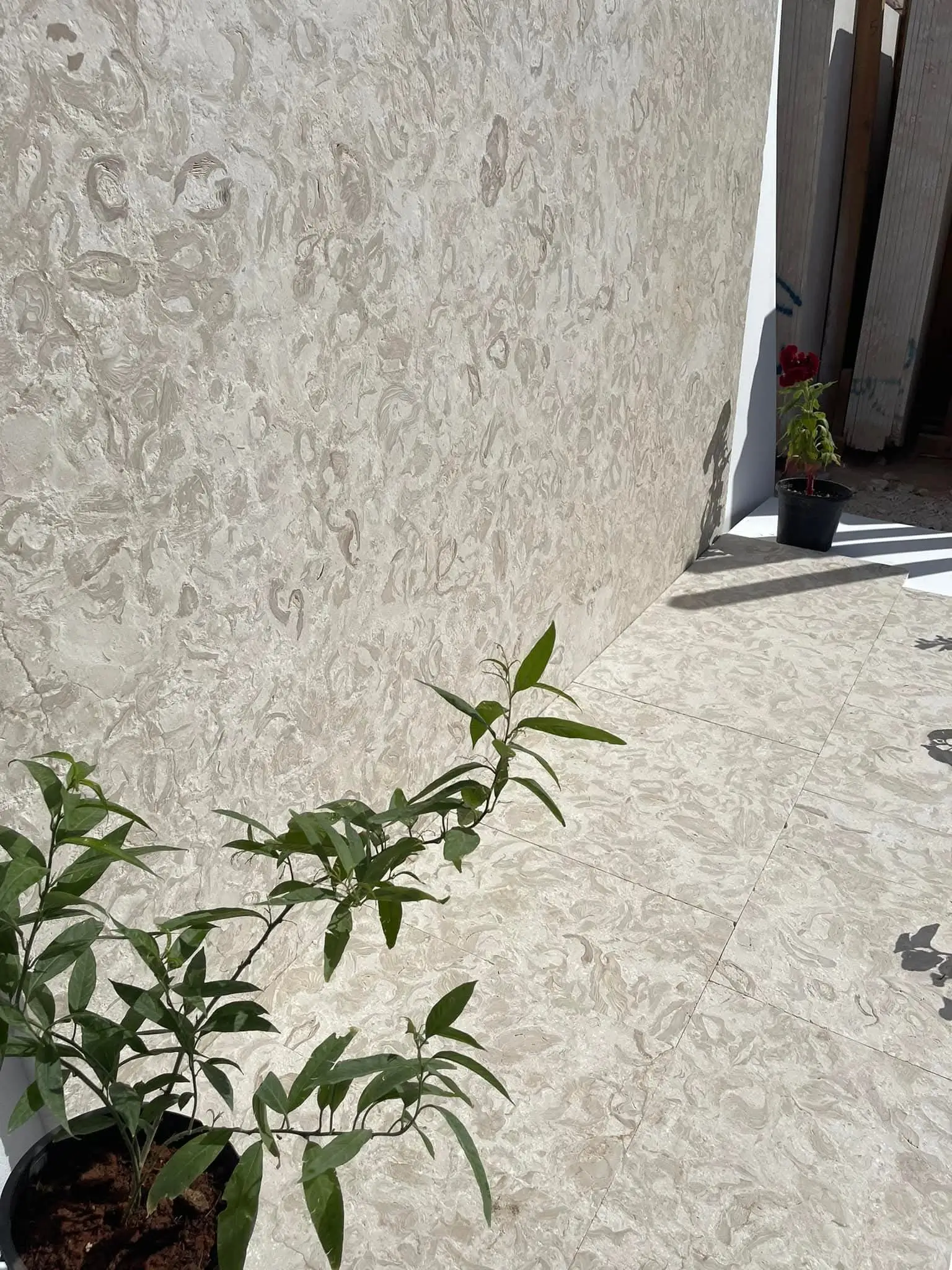
Citadel Stone supplies limestone patio pavers that are sourced and quality-checked specifically for pool deck applications, and our technical team regularly advises on sealer selection based on the specific finish and porosity profile of each product in our inventory. Verifying warehouse stock before scheduling your installation allows you to plan sealer application timing without delays caused by material availability.
Resealing Schedules and Performance Monitoring
The water-bead test is your best ongoing diagnostic tool for determining when to reseal. Pour water on the surface — if it beads and sheets off, the sealer is performing. If the water absorbs within 30 to 60 seconds, the sealer has degraded to a point where reapplication is warranted. Running this test annually gives you an accurate picture of actual performance rather than relying on a fixed calendar interval.
Traffic patterns affect resealing frequency more than most homeowners anticipate. A limestone patio sealing application on a low-traffic garden patio may hold effective performance for four to five years, while the same product on a heavily used entertaining surface or a pool surround with daily wet-foot traffic may need renewal at two to three years. Hot, dry climates with intense UV exposure also degrade sealer performance faster than temperate conditions — factor this into your maintenance schedule if your patio receives full-day sun exposure.
- High-traffic zones (around doors, seating areas, and pool steps) degrade faster than field areas — spot-seal these areas between full reseals
- Keep a record of the specific sealer product, application date, and coverage rate — this information is essential for compatibility testing at the next resealing cycle
- Budget for a light clean and surface inspection before each reseal — address any emerging efflorescence or staining before sealing over it
- For pool patio surfaces, inspect the sealant for limestone patio areas at the start of each swim season, not just on an annual calendar basis
Your Limestone Patio Sealing Action Plan
Successful limestone patio sealing comes down to five decisions made in the right sequence: choosing the correct sealer type for your stone’s porosity and finish, confirming adequate moisture content before application, timing the work within a reliable temperature and humidity window, applying at the correct coverage rate with proper technique, and establishing a monitoring schedule tied to actual performance rather than a fixed interval. Skipping any of these steps typically shows up as a visible problem within the first season — haze, peeling, or rapid staining that the sealer was supposed to prevent.
Keeping your limestone looking its best after sealing also depends on ongoing maintenance discipline. For a closer look at how to maintain the surface between sealing cycles without damaging the stone, cleaning limestone without etching the surface covers the right approach to routine care. Reapplication timing for Citadel Stone limestone sealers typically ranges from two to five years depending on foot traffic levels and local weather exposure.
Related reading: flagstone patio vs pavers · how to build a paver patio · crushed limestone patio comparison.