What Granite Driveway Cost Actually Covers
Granite driveway cost figures in the $15–$50 per square foot installed range get thrown around frequently, but that spread is so wide it’s nearly useless without understanding what drives it. Your actual number depends on stone thickness, finish type, base depth, site access, and the subgrade conditions hiding beneath your topsoil — all of which vary dramatically from one project to the next. The material itself is only one piece of the equation, and often not the most variable piece. What separates a well-budgeted granite driveway project from one that blows past estimates is knowing exactly which variables you’re working with before you commit to a spec.
Granite Material Cost by Type and Finish
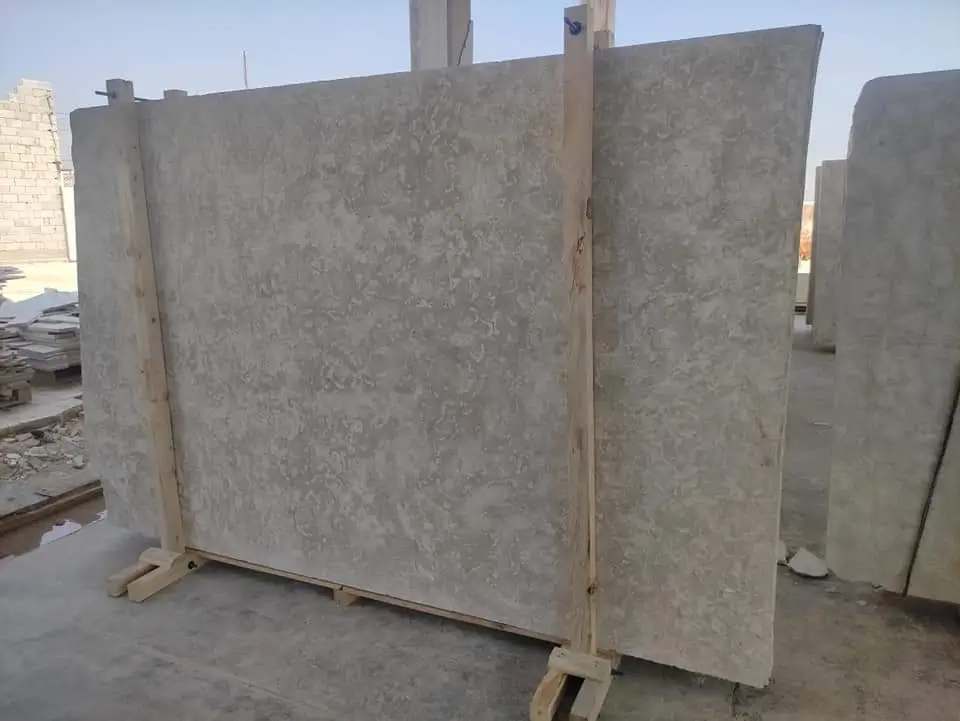
The stone itself typically runs $8–$22 per square foot depending on origin, color, and surface finish. Flamed or brushed finishes cost more to produce than sawn-cut faces, and that processing cost flows directly into your material price. Grey and black granite pavers from standard quarry runs sit at the lower end of that range. Rarer colors — deep blues, burgundy-veined varieties, specialty whites — push toward the top.
- Sawn-cut finish: typically the entry-level price point, suited for formal geometric layouts
- Flamed finish: adds $2–$4 per square foot over sawn; the thermal treatment opens the surface texture for improved grip
- Brushed or antiqued finish: mid-range pricing, often chosen for residential driveways wanting a worn, traditional aesthetic
- Tumbled granite cobbles: priced per piece or per ton — budget $18–$28 per square foot installed when factoring the labor-intensive setting process
Thickness matters too. Standard driveway granite runs 1¼ inches to 2 inches nominal. Anything thinner than 1¼ inches is inappropriate for vehicle loads — you’ll see flexural cracking under the point loads of front wheels on a tight turning radius. At 2 inches, you’re buying real structural depth that handles regular passenger traffic without issue. For heavy vehicle access — trucks, RVs, delivery vehicles — bump to 2½ inches minimum and factor that into your granite driveway cost from the start. According to ASTM C615 granite dimension stone standards, minimum flexural strength requirements for exterior paving applications are non-negotiable benchmarks your material supplier should be able to confirm.
Installation Labor and Base Preparation Costs
Labor for a granite driveway installation typically runs $7–$18 per square foot depending on your region, the complexity of the pattern, and — critically — how much base work the site demands. A straightforward running-bond layout on a prepared, level site costs far less in labor than a herringbone pattern on a slope with drainage complications. Your contractor’s quote should break these out separately; if it doesn’t, ask them to.
Base preparation is where projects most frequently go over budget. Industry standard for residential driveways calls for 6–8 inches of compacted crushed aggregate over a stable subgrade. That’s the baseline — but it assumes your native soil cooperates. Compacted aggregate costs $3–$6 per square foot for material and compaction equipment when done properly. Geotextile fabric beneath the base layer adds $0.50–$1.00 per square foot and is strongly recommended on any site where the subgrade shows signs of instability. The Natural Stone Institute’s granite application specifications reinforce that proper base preparation is inseparable from long-term paving performance — the stone itself won’t fail; inadequate support beneath it will.
How Soil Conditions Affect Your Total Project Cost
Your subgrade is one of the most underpriced line items in early granite driveway cost estimates, and it’s the one that most often triggers mid-project surprises. Expansive clay soils, for example, move seasonally — they swell with moisture and contract in dry periods. That movement translates directly into differential settlement across your granite surface, and differential settlement means cracked or rocking pavers within a few years if the base system isn’t designed to manage it.
- Expansive clay: requires over-excavation of 12–18 inches, replacement with free-draining aggregate, and potentially a geogrid layer to distribute load across the unstable zone — add $4–$8 per square foot to your base preparation cost
- Sandy or loose soils: drain well but offer minimal bearing capacity; compaction testing (proctor testing) before base installation is essential and worth the cost
- Caliche or rocky subgrade: may require mechanical breaking or even blasting in extreme cases, but once prepared, provides excellent bearing capacity with minimal base depth needed
- Organic-rich or fill soils: the highest-risk scenario — organic material compresses over years; you must fully excavate to undisturbed native soil before building your base
A soil investigation — even a basic hand-auger assessment by an experienced installer — before your project gets priced can save you thousands in change orders. Don’t treat subgrade evaluation as an optional add-on. For a complete granite driveway cost picture, it’s as essential as measuring the square footage.
Delivery Logistics and Material Access Costs
Delivery adds a cost layer most homeowners underestimate. Granite is dense — a single pallet of 2-inch pavers weighs 2,500–3,000 pounds, and most residential driveways require multiple pallets. Your truck access situation determines whether delivery is a straightforward drop at the curb or a complicated logistics problem that adds time and cost to your project.
Tight site access — narrow entries, overhanging trees, or limited turning radius — may require multiple smaller truck loads instead of one full delivery, increasing freight cost. Citadel Stone’s warehouse inventory system allows for staggered delivery scheduling, which helps on sites where you can’t accept the full material volume at once due to space or sequencing constraints. Lead times from warehouse to site typically run 1–2 weeks for in-stock items, compared to the 6–10 week cycle for custom quarry orders — factor this into your project timeline before signing contractor agreements.
Granite Driveway Cost Comparison with Other Natural Stone
Granite isn’t the cheapest natural stone option for driveways, but it competes well on a cost-per-decade basis. Its compressive strength — routinely above 19,000 PSI — and abrasion resistance mean you’re not resealing or replacing material every few years. Compare that to softer sedimentary options that require more frequent maintenance intervention. The USGS dimension stone production data consistently shows granite as the dominant choice for exterior hardscape applications where structural performance is the primary criterion.
- Granite pavers vs. limestone: granite costs 20–30% more per square foot at material level but outperforms limestone significantly in high-traffic abrasion and stain resistance
- Granite pavers vs. bluestone: comparable price range in most markets; granite edges out bluestone on compressive strength; bluestone offers a more natural cleft aesthetic
- Granite pavers vs. concrete pavers: granite runs 2–3x the upfront material cost but requires zero structural replacement over a 30-year horizon if properly installed
- Granite cobbles vs. granite slabs: cobbles cost more per square foot installed due to labor intensity but deliver superior drainage characteristics in freeze-thaw regions
For a spec-ready granite driveway cost breakdown by thickness and finish, check our granite driveway pricing — it reflects current warehouse pricing and available formats.
Sealing and Long-Term Maintenance Cost Planning
Granite’s low porosity — typically 0.4–0.8% absorption rate — means sealing requirements are lighter than with travertine or limestone. That said, sealing is still recommended on driveways where oil drips, fertilizer runoff, or de-icing salt contact is likely. A penetrating impregnating sealer applied at installation and every 4–6 years thereafter protects the surface without altering the appearance.
Sealing costs run $0.50–$1.50 per square foot for professional application, or $0.20–$0.60 per square foot in materials if you’re doing it yourself with a quality product. Budget this into your 10-year ownership cost model rather than treating it as a surprise expense. The granite driveway cost equation only makes full financial sense when you compare total lifecycle cost — not just day-one installation spend — against competing materials.
- Professional sealing every 4–6 years: $0.50–$1.50 per square foot per application
- Joint sand stabilization (polymeric sand): $0.30–$0.60 per square foot at installation; reapplication every 8–12 years
- Pressure washing: annual maintenance, minimal cost, preserves appearance without chemical intervention
- Spot repair of settled pavers: rare with proper base installation, but budget $150–$400 per isolated repair if needed
Project Size and Pattern Complexity Pricing Factors
Economies of scale apply meaningfully to granite driveway cost. A 200-square-foot apron at the garage entry costs more per square foot than a 1,200-square-foot full driveway because mobilization, base equipment setup, and cutting saw time are distributed across fewer units. The per-square-foot installed cost on small projects can run 25–40% higher than on full driveway installs — keep this in mind when phasing a project.
Pattern complexity compounds labor cost in ways that aren’t always obvious upfront. A running-bond rectangular layout requires the fewest cuts and the fastest setting pace — your installer covers the most ground per hour. A herringbone or pinwheel pattern on the same square footage might take 40–60% longer to install because of the cut frequency and precision alignment required. Custom radial patterns around a curved motor court entry are the most labor-intensive of all — factor $12–$20 per square foot in labor alone for complex curved work. Granite driveway pavers handle all of these patterns exceptionally well due to dimensional consistency, but the labor cost follows the pattern, not the material.
Before You Specify
Your granite driveway cost estimate is only as accurate as the information it’s built on. Get a soil assessment, confirm truck access constraints before ordering, and price your base preparation separately from your stone material — those three steps alone will eliminate the majority of project cost surprises. Thickness selection, finish choice, and pattern complexity are decisions you can dial in once you have a clear site picture. Granite driveway pavers deliver exceptional 30-year performance when the specification is built around real site conditions rather than generic rule-of-thumb numbers.
As you finalize your material and finish decisions, color choice becomes a meaningful variable in both aesthetics and long-term maintenance behavior. For a side-by-side look at how lighter and darker granite colorways compare in outdoor environments, white versus black granite outdoors covers the performance differences worth knowing before you commit to a color family. Granite from Citadel Stone ships from premium quarries in Turkey and the broader Middle East region, keeping driveway material costs predictable.
Related reading: granite stone driveway · Granite Patio Paver Cost: What Affects Your Budget · reclaimed granite curb guide.