

What Actually Causes Black Stains on Limestone
Fixing black stains on limestone starts with correctly identifying the source — and the source is almost never what homeowners assume. The dark discoloration you see on limestone surfaces falls into three distinct categories: biological growth (algae, mold, lichen), metallic oxidation from embedded iron minerals or nearby fixtures, and manganese migration from within the stone itself. Each type responds to a completely different treatment, and applying the wrong chemistry can permanently etch your surface or drive the stain deeper into the pore structure.
Biological staining tends to develop in low-light, moisture-retaining zones — beneath overhanging structures, in shaded courtyard corners, or anywhere drainage is sluggish. Manganese staining, by contrast, typically appears as dark blotchy patterns that seem to emerge from inside the stone, often triggered by prolonged moisture contact activating naturally occurring minerals. Iron-based staining usually presents with a brownish-black edge rather than pure black, and frequently originates from corroding metal furniture legs, fixings, or reinforcement embedded in the substrate.
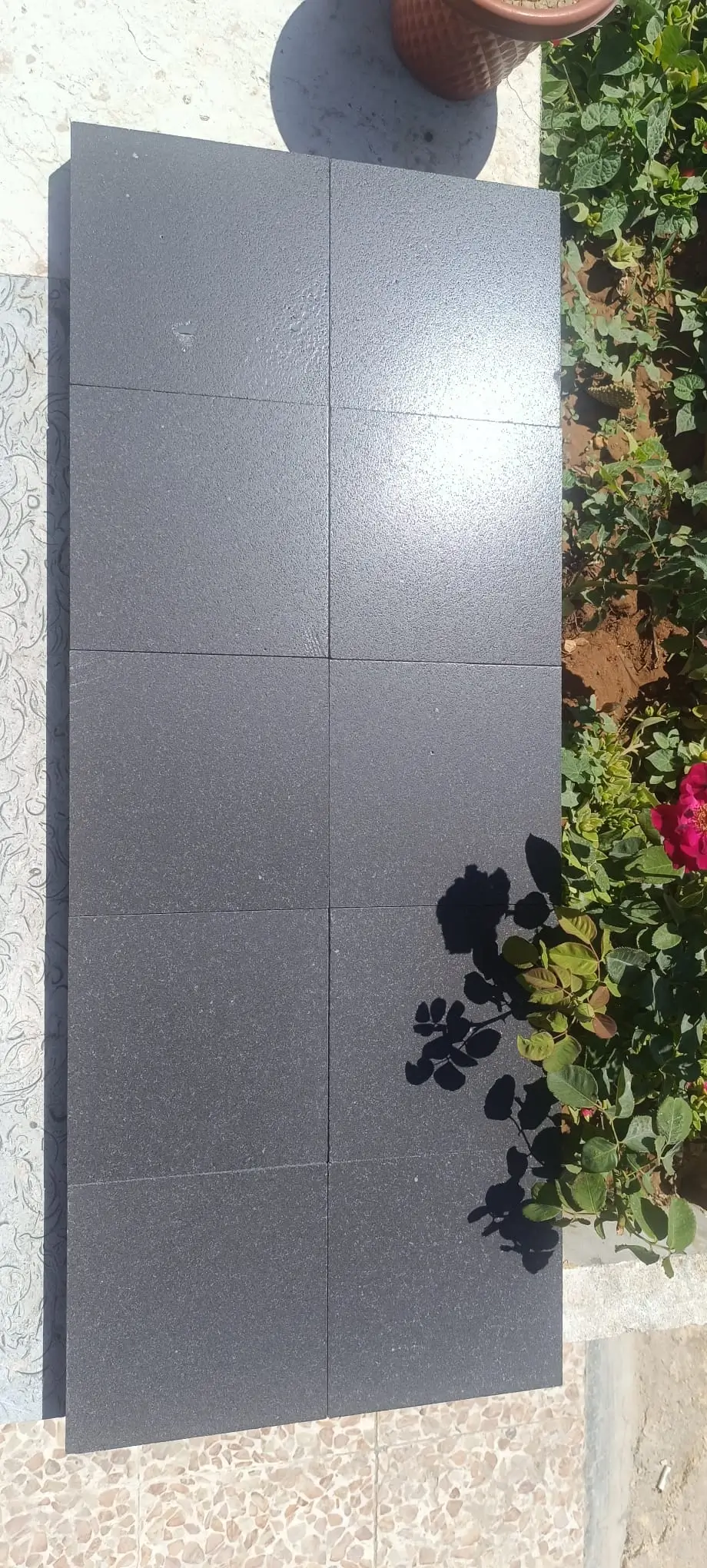
Removing Biological Stains: Algae, Mold, and Lichen
Biological growth is the most common culprit behind black stains on exterior limestone, and it’s also the most straightforward to treat when you act before the organisms colonize the pore network. Lichen is the most stubborn of the three — unlike algae, which sits largely on the surface, lichen physically anchors into the stone matrix with root-like structures called rhizines. Attempting to scrub lichen off dry will tear the stone surface with it.
Your treatment sequence for biological staining should follow this order:
- Pre-wet the entire affected area with clean water before applying any chemical treatment — this prevents concentrated product absorption into dry stone
- Apply a pH-neutral biocide specifically formulated for natural stone — avoid household bleach, which can accelerate efflorescence and disrupt the stone’s calcium carbonate structure
- Allow adequate dwell time, typically 20 to 30 minutes, before agitating gently with a soft-bristle brush
- Rinse thoroughly with low-pressure water — high-pressure washing opens the pore structure and accelerates future biological recolonization
- For lichen, apply a second treatment after 48 hours once the organisms have fully died back, then remove residue with a wooden or plastic scraper rather than metal tools
According to Natural Stone Institute limestone specifications, calcium carbonate-based stones like limestone are particularly vulnerable to acid attack, making pH-neutral chemistry non-negotiable for safe stain removal. This isn’t a cautionary footnote — it’s the difference between solving the problem and creating a larger one.
Tackling Manganese and Metallic Oxidation Stains
Manganese staining presents as deep, dark patches that appear to bleed outward from a central point, often with no obvious external source. The mineral is present in trace amounts in many limestone formations, and when prolonged moisture exposure activates it, you’ll see the discoloration develop over weeks rather than overnight. This is particularly common in black limestone rocks and darker stone varieties where the base mineral content is already iron-rich.
For manganese migration, a reducing agent-based poultice is your most reliable tool. Mix the reducing agent — typically sodium hydrosulfite in professional-grade products — with an absorbent carrier such as diatomaceous earth or kaolin clay to a thick peanut-butter consistency. Apply it 10 to 12mm thick over the stain, seal the surface with plastic sheeting, and allow it to dwell for 24 to 48 hours. As the poultice dries, it draws the mineral deposits out of the pore network rather than simply bleaching the surface color. Repeat applications are often necessary for deep staining.
Metallic oxidation from iron sources follows a similar poultice approach, but uses an oxalic acid-based carrier instead. Identify and remove the metal source first — a corroding bracket or furniture leg left in place will simply restain the surface within weeks. Check your substrate too: reinforcement bar set too close to the surface in the concrete base can leach rust upward through the stone over time, particularly in installations exposed to frequent rainfall or irrigation.
How Drainage and Moisture Control Affect Stain Frequency
Surface staining on limestone is rarely just a cleaning problem — it’s almost always a symptom of underlying moisture management issues. Installations in areas with heavy seasonal rainfall, frequent storm events, or poorly managed irrigation systems will reacquire biological staining within one to two growing seasons after treatment, regardless of how thoroughly the initial cleaning was done. Addressing the drainage design is what breaks the cycle.
Your base preparation is directly relevant here. A properly graded aggregate base — minimum 2% cross-fall away from structures — allows surface water to evacuate quickly rather than pooling beneath the stone. Standing water in the joint network is the primary incubator for algae and mold colonization. In installations subject to heavy seasonal downpours or significant spring runoff, open-jointed or permeable grouting options allow water to pass through rather than sit at the surface interface.
- Ensure channel drains or linear drainage elements are positioned at natural low points, not retrofitted at edges after the fact
- Recheck fall gradients annually — base settlement over time can create low spots that didn’t exist at installation
- In regions where irrigation systems cycle heavily, check that sprinkler heads aren’t directing water toward limestone surfaces — mineral-rich irrigation water accelerates both biological growth and efflorescence simultaneously
- Overgrown groundcover adjacent to stone edges traps moisture against the surface perimeter; maintain a clear gap of at least 50mm
For Citadel Stone black limestone maintenance guidance specific to darker stone varieties, the moisture management principles are identical but the visual stakes are higher — any surface deposit, whether biological or mineral, contrasts sharply against a deep black finish and becomes visible at lower concentrations than it would on lighter stone.
Sealing Black Limestone After Stain Treatment
Sealing after stain removal isn’t optional — it’s what determines whether you’re doing this job once or every other year. Sealing black limestone requires a penetrating impregnator rather than a topical sealer, and the distinction matters enormously. Topical sealers sit on the surface and can trap residual moisture beneath, creating ideal conditions for the efflorescence and biological growth you just removed. A penetrating impregnator bonds within the pore structure, reducing absorption without sealing the stone shut.
Timing matters here too. The stone must be completely dry before you apply any sealer — typically 48 to 72 hours after the final cleaning rinse in normal conditions, longer in high-humidity environments or if the treatment required multiple heavy water applications. Applying sealer to damp limestone is one of the most common field mistakes, and it results in milky hazing that is genuinely difficult to remove without mechanical abrasion.
The USGS has documented that limestone’s interconnected pore network is a defining characteristic of the formation, as outlined in USGS limestone composition data — and it’s precisely that porosity that makes a quality penetrating sealer both necessary and effective. A well-applied impregnator reduces water absorption by 85 to 95% and significantly slows biological recolonization by limiting the moisture availability that algae and mold depend on.
Black Limestone Hearth: Specific Stain Considerations
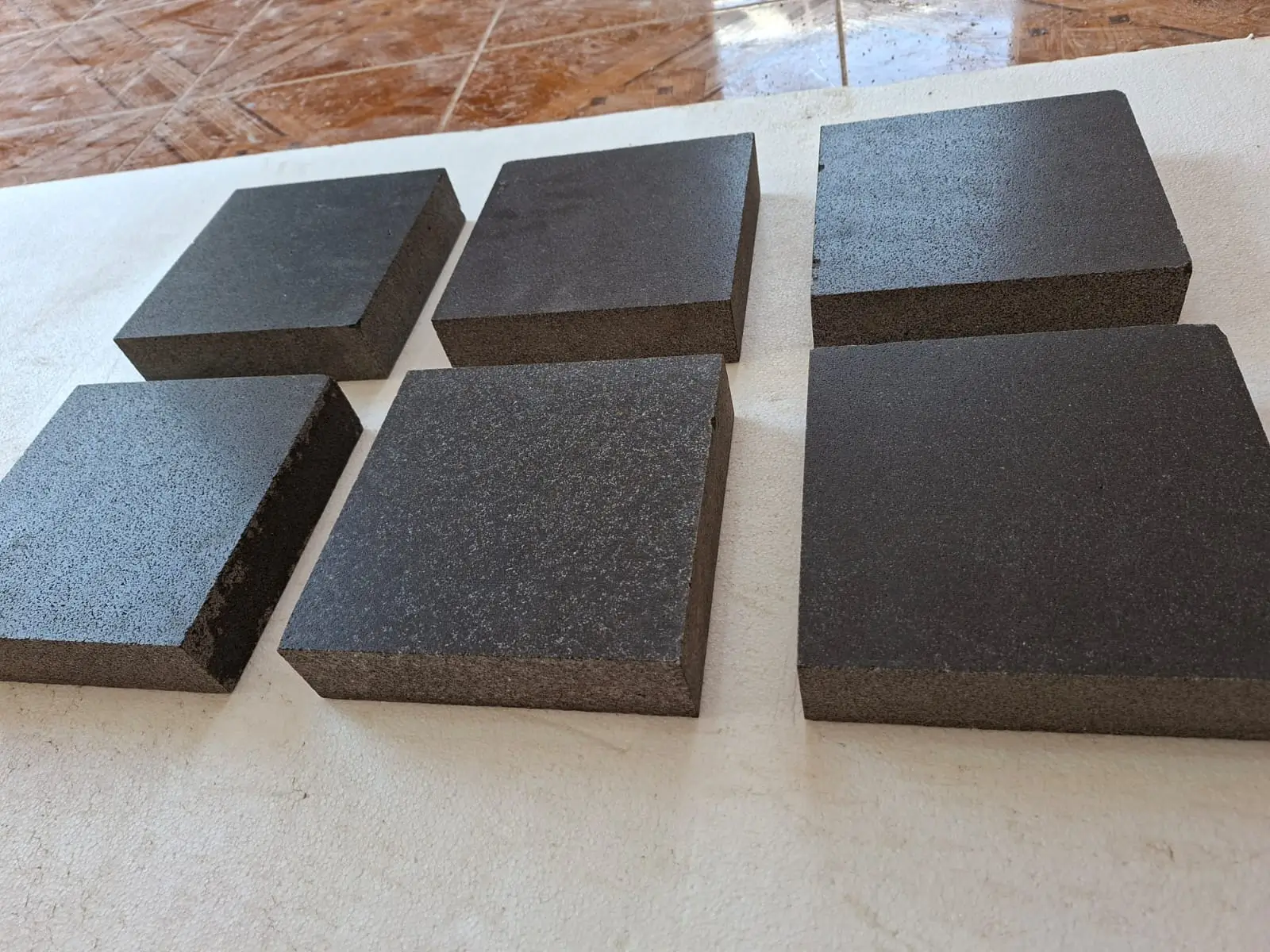
A black limestone hearth presents a unique stain profile compared to exterior applications. The primary culprits indoors are soot, tannin migration from wood ash, and acidic cleaning product residue left by previous maintenance attempts. Soot staining is carbon-based and responds well to an alkaline stone-safe degreaser, but you’ll need multiple light applications rather than one heavy treatment — flooding an interior hearth surface saturates the substrate and risks damage to any combustion chamber adhesives or mortar joints beneath.
Tannin staining from wood ash is frequently misidentified as mold. The distinction is texture: mold growth has a slightly raised, irregular surface feel even when the colony is small, while tannin staining is completely flush with the stone surface. Tannin responds to an oxidizing poultice using hydrogen peroxide as the active agent — the same manganese poultice chemistry you’d use outdoors doesn’t address organic tannin compounds effectively.
- Never use ammonia-based cleaners on a hearth — residual fumes from heated stone can be a health hazard
- Test any cleaning product in an inconspicuous area first, particularly on polished or honed black limestone where etching is immediately visible
- For a hearth stone that shows historic deep staining across the full face, professional poulticing and re-honing may be more practical than surface-only cleaning
- Apply a heat-stable impregnating sealer rated for thermal cycling after cleaning — standard impregnators may off-gas or degrade under repeated high-temperature exposure near an open fire
Prevention: What to Do Between Cleaning Cycles
The most effective stain prevention strategy for limestone is a consistent light maintenance routine rather than periodic intensive cleaning. Routine sweeping removes organic debris — leaves, pollen, soil — before it decomposes into the acidic compounds that etch surfaces and feed biological growth. This sounds basic, but the installations that develop severe recurring staining almost always share one characteristic: they’re cleaned reactively when the problem is visible rather than maintained proactively before it develops.
Resealing schedules depend on traffic, UV exposure, and moisture contact frequency. A lightly trafficked garden path in a dry climate may hold sealer performance for three to four years. A heavily used terrace in a region with prolonged wet seasons may need resealing every 18 months. Sealing black limestone on a consistent schedule is far more economical than reactive treatment of deep-set staining. You can test sealer performance with a simple water-bead test: drop a small amount of water on the surface and observe. If it beads and sheets off, the sealer is functional. If it absorbs within 30 seconds, reseal promptly.
At Citadel Stone, we recommend checking warehouse stock on your chosen sealer before the maintenance window — the same product formulation used in the original application produces the most consistent results, and supply gaps can force substitution to an incompatible chemistry. For clients maintaining larger installations, we suggest keeping a sealed unit in reserve from the original order.
Professional Treatment vs. DIY: Where the Line Is
Most biological staining on limestone falls within competent DIY territory if you use the correct chemistry and technique. Deep manganese migration, widespread iron oxidation, and staining on polished or honed finishes are where professional intervention becomes genuinely worthwhile. A professional contractor brings vacuum extraction equipment that removes poultice residue without rewetting the stone surface, and they carry liability for the outcome — which matters if you’re treating an expensive installed surface.
The Britannica reference on limestone characteristics and formation provides useful context on why calcium carbonate stones respond the way they do to chemical treatments — understanding the mineral composition helps you anticipate how aggressively any given chemistry will interact with your specific stone. Darker limestone varieties with higher iron and manganese content, including many black limestone rocks, require more careful product selection than lighter, purer calcite stones.
- DIY-appropriate: biological surface staining, light soiling, routine maintenance cleaning, resealing intact surfaces
- Professional territory: deep manganese or iron migration, polished surface etching, full-face staining on premium stone, any staining associated with structural moisture ingress from below
- Grey zone: large-area biological treatment where consistent technique across hundreds of square feet is difficult to maintain — professional application ensures uniform product coverage and dwell time
When ordering replacement or additional stone for blending repairs, verify warehouse availability with Citadel Stone early in the project — lead times from our distribution centers are typically shorter than import-direct timelines, but matching lot numbers for consistent color is easiest when you order before existing stock rotates.
Moving Forward With Limestone Stain Management
Getting on top of fixing black stains on limestone is genuinely achievable when you match the treatment to the stain type and address the underlying moisture conditions driving reoccurrence. The material will perform for decades when you respect its chemistry — pH-neutral products, penetrating sealers, and proactive drainage management are the three pillars that separate installations that age gracefully from those that require constant remediation. The cost difference between a well-maintained limestone surface and a neglected one compounds significantly over a ten-year horizon. As you plan your ongoing stone care strategy, it’s worth exploring how different natural stone surfaces compare across outdoor applications — stone tiles versus deck tiles compared offers a useful reference point for evaluating your broader hardscape choices. Sealing frequency for black limestone depends on traffic and climate exposure, and Citadel Stone provides material-specific guidance to help owners build realistic maintenance schedules.
Related reading: why does limestone turn black · black limestone rock explained · Outdoor Patio Tiles Cost Guide: Stone vs Budget Options.