

What Causes Limestone to Turn Black
Limestone turning black is rarely a single-cause problem — misdiagnosing the source leads to treatments that either do nothing or actively damage the stone. The discoloration mechanism matters enormously because biological growth, manganese oxidation, pollution crusting, and hydrocarbon staining all look similar at a glance but respond to completely different remediation approaches. Why does limestone turn black in the first place? Your first step, before ordering any cleaning product or calling a contractor, is to identify which of these mechanisms is actually at work on your surface — because each one demands a different fix.
Biological Growth: The Most Common Culprit
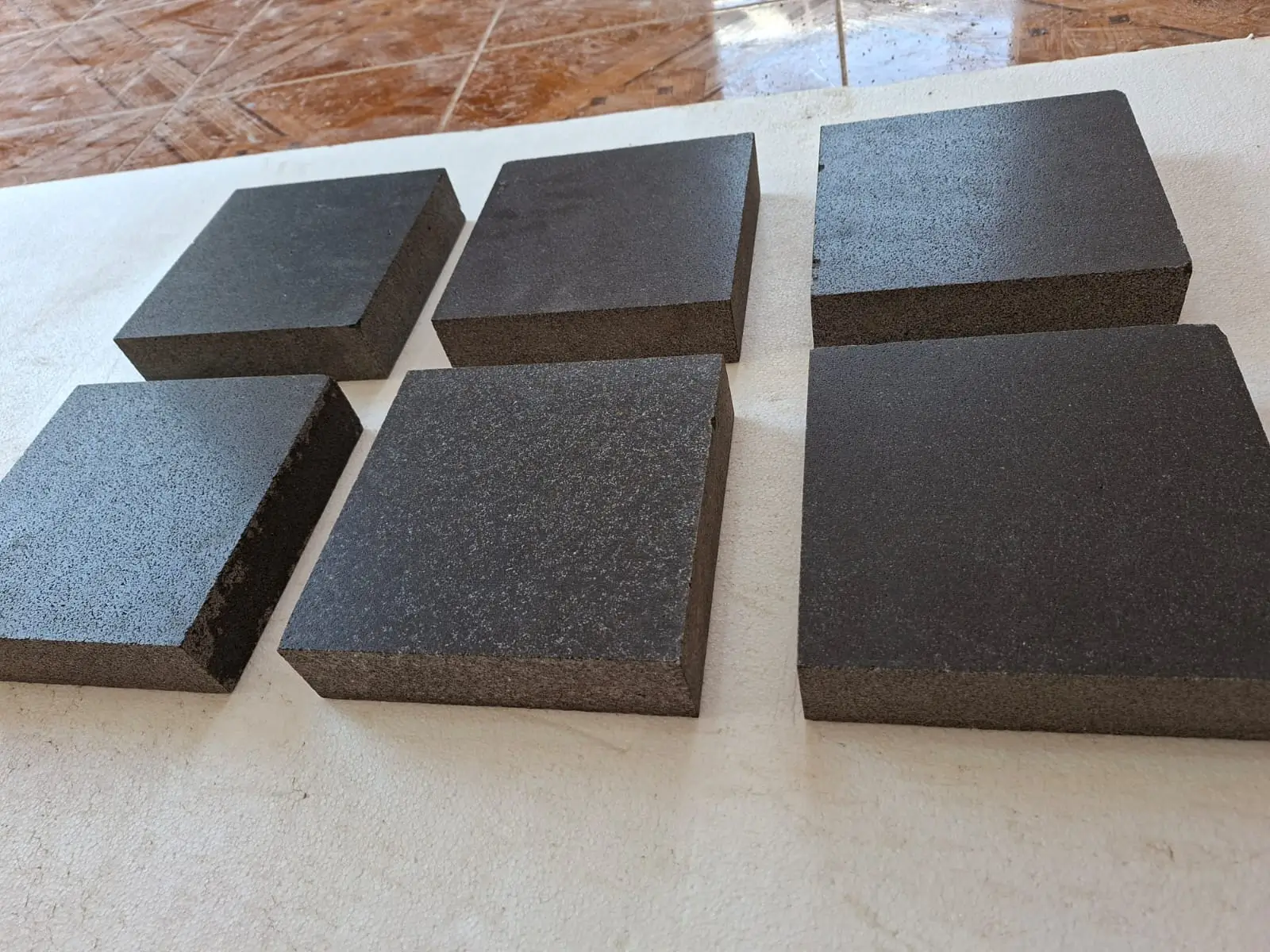
Algae, lichen, and cyanobacteria account for the majority of black discoloration on limestone surfaces, particularly in areas with regular moisture exposure — shaded patios, garden-facing walls, and ground-level paving that doesn’t dry quickly after rain. These organisms colonize the stone’s calcium carbonate matrix and produce dark pigments as metabolic byproducts. The black limestone texture you see in those cases isn’t surface dirt — it’s living material anchored into the pore structure.
What makes biological blackening especially persistent is that the organisms actually etch the stone surface slightly, giving them a physical grip that pressure washing alone can’t fully break. A biocide treatment followed by a waiting period — typically 48 to 72 hours — is required before mechanical removal becomes effective. Skipping the biocide step and going straight to scrubbing distributes spores across the surface and accelerates re-colonization within months.
- Algae colonization appears as dark green-to-black streaking, often following water drainage paths
- Lichen produces circular black patches with slightly raised edges — the organism has both fungal and algal components
- Cyanobacteria (black crust) forms a thin, leathery film and is the hardest biological growth to fully eradicate
- Moss growth starts green but darkens the underlying stone permanently if left for more than one growing season
Manganese Oxidation: The Internal Cause
Here’s what most people don’t expect: some black limestone turns black from the inside out. Manganese is a naturally occurring trace element in many limestone deposits, and when it oxidizes — typically triggered by moisture cycling, UV exposure, or contact with certain alkaline mortars — it migrates to the surface and deposits as dark manganese dioxide. This process is called manganese migration, and it’s far more common in honed or polished finishes where the sealed pore structure forces mineral movement toward the face of the stone.
According to NSI limestone properties data, manganese content varies significantly between limestone quarries, which is why this problem appears in some stone batches and not others from the same supplier. The discoloration typically shows as dark brown-to-black irregular staining that appears months or even years after installation — sometimes long after the project has been signed off. Manganese migration cannot be prevented through cleaning; the correct response is a reducing agent specifically formulated for metal staining, not an acid or alkaline cleaner.
- Manganese staining appears randomly rather than following water paths — a key diagnostic difference from biological growth
- The staining worsens with bleach-based cleaners, which accelerate oxidation rather than reversing it
- Stone from certain geological formations carries higher manganese concentrations — always request material data sheets when specifying limestone for interior flooring or polished applications
- A professional poultice containing sodium hydrosulfite is the field-proven treatment for advanced manganese deposits
Pollution Crusting and Urban Soiling
Limestone surfaces in high-traffic or urban environments develop a specific type of black crust caused by the reaction between atmospheric sulfur dioxide, particulate carbon, and the stone’s calcium carbonate base. This is a chemical conversion process — sulfur dioxide combines with moisture and calcium carbonate to form calcium sulfate (gypite), which traps airborne soot and particulates in a hard, black crust that bonds tightly to the stone face. The Britannica limestone formation reference confirms that limestone’s high calcium carbonate content makes it particularly reactive to acidic atmospheric pollutants compared to granite or basalt alternatives.
Pollution crusting is most visible on vertical surfaces and sheltered ledges where rain doesn’t provide natural washing. A distinct contrast typically develops between rain-washed faces (lighter) and sheltered zones (black-crusted). Treatment requires either chemical poulticing with an appropriate solvent or micro-abrasive cleaning — the latter being the method used on heritage stonework where chemical risk to the substrate needs to be minimized.
Hydrocarbon and Oil Staining
Driveways, garage aprons, and outdoor entertaining areas with barbecue equipment are all vulnerable to hydrocarbon staining — motor oil, cooking grease, and petroleum-based sealers that have degraded. These stains penetrate black limestone quickly because of its interconnected pore structure and oxidize to a dark brown-black over time. The black limestone texture that results looks similar to biological growth but has a distinctly different surface feel — slightly greasy or waxy under fingertip pressure.
Hydrocarbon stains respond well to alkaline degreasers and absorbent poultice treatments if caught within the first few weeks. Old, oxidized hydrocarbon staining that has been on the surface for more than six months becomes chemically bonded to the calcium carbonate matrix and may require multiple poultice cycles or, in severe cases, mechanical resurfacing. For black rock limestone used in landscape features near planting beds, also consider that certain organic mulches and fertilizers release tannins that create similar dark staining patterns.
- Fresh oil stains should be blotted immediately — never scrubbed, as scrubbing drives the hydrocarbon deeper into the pore network
- An absorbent poultice (diatomaceous earth or talc mixed with a solvent) draws the oil back out of the stone as it dries
- Oxidized hydrocarbon stains appear flatter and more matte than fresh oil — they’ve lost their sheen but have bonded to the stone
- Re-sealing after treatment is essential to prevent re-absorption from any residual contaminants in adjacent soil or pavement joints
Natural Patina Versus Active Staining
Not all darkening on limestone signals a problem. Limestone develops a natural patina over years of weathering — a gradual deepening of surface tone caused by mineral recrystallization, atmospheric carbon deposition, and micro-scale surface erosion that creates a slightly roughened texture trapping more light. This kind of aging is visually distinct from staining: it’s uniform across the surface, follows the stone’s natural grain patterns, and doesn’t transfer to a damp cloth when you wipe the surface firmly.
The diagnostic test is straightforward. Apply a few drops of water to the darkened area and observe whether the wet color matches or closely resembles the surrounding stone. Natural patina produces consistent color behavior with moisture. Active staining — biological, mineral, or hydrocarbon — tends to reveal an uneven subsurface color that diverges from the surrounding stone when wet. For black limestone in landscape design applications, where the stone’s dark tone is often a deliberate aesthetic choice to anchor planting schemes or create contrast against light gravel mulch, this distinction matters practically: patina preserves design intent while active staining distorts it.
Explore our black limestone range to understand how different finish types — honed, polished, and natural cleft — affect the rate and type of darkening you can expect over time.
How Sealing Affects Limestone Darkening
Sealing is the most effective preventive measure against most forms of limestone darkening — but the type of sealer determines what protection you actually get. Impregnating sealers (also called penetrating sealers) fill the pore network with a hydrophobic or oleophobic resin that blocks moisture and oil entry without forming a surface film. Topical sealers, by contrast, create a surface coating that can trap moisture beneath it, sometimes worsening biological growth conditions rather than preventing them.
According to USGS limestone composition data, limestone’s natural porosity typically ranges from 5% to 20% depending on geological formation, which explains why unsealed limestone absorbs staining agents so rapidly. For outdoor applications — particularly black limestone used in garden paths, feature walls, or landscaping schemes where the stone’s dark tone creates deliberate tonal contrast — an impregnating sealer applied every two to three years provides the most reliable barrier without altering the stone’s appearance. At Citadel Stone, we recommend solvent-based impregnators for polished and honed finishes and water-based versions for textured or cleft surfaces where faster penetration is needed.
- Impregnating sealers don’t prevent all darkening — they significantly slow biological colonization and block most hydrocarbon staining
- Topical sealers on exterior limestone require annual reapplication and can yellow over time, paradoxically creating discoloration rather than preventing it
- Sealed limestone that turns black despite treatment typically indicates the sealer has failed or was applied to a contaminated surface
- Always clean and dry limestone thoroughly before sealing — trapping moisture or biological growth under a sealer accelerates internal damage
Repair and Remediation Methods
Remediation approach needs to match the stain type precisely — using the wrong chemistry can etch the surface, bleach the stone, or accelerate the very process you’re trying to stop. Biological growth responds to quaternary ammonium biocides or dilute sodium hypochlorite applied as a dwell treatment, followed by gentle agitation and thorough rinsing. Manganese staining requires a reducing agent. Pollution crusting needs either alkaline cleaning or careful micro-abrasion. Hydrocarbon staining calls for an alkaline degreaser or solvent poultice.
For black rock limestone specifically, test any chemical treatment on an inconspicuous area first and assess the result after drying — wet stone always appears darker, which can give a false impression of treatment success. Citadel Stone’s technical team is available to help match remediation chemistry to specific stain types before committing to a treatment plan across a large surface area. Our quality checks include reviewing the mineral composition data for each limestone batch, which helps us advise on whether a particular stone is likely to be vulnerable to manganese migration or elevated biological susceptibility.
- Acid-based cleaners should never be used on limestone — even dilute acids dissolve the calcium carbonate matrix and permanently etch the surface
- Pressure washing alone is insufficient for biological growth — biocide treatment must precede mechanical cleaning
- Multiple poultice cycles are often required for deep hydrocarbon or manganese staining — patience yields better results than chemical aggression
- Document the stain pattern, age, and any recent treatments before consulting a specialist — this information significantly narrows the diagnosis
Why Limestone Turns Black: The Full Picture
Diagnosing why does limestone turn black requires looking at the full picture: the stone’s mineral composition, the installation environment, finish type, sealing history, and exposure conditions. The same dark discoloration can have four completely different causes, and the treatment that resolves one will worsen another. The best outcome comes from accurate diagnosis first, then targeted treatment, then preventive sealing matched to the stone’s actual porosity and use context. For landscape applications where black limestone is doing deliberate aesthetic work — anchoring a planting scheme, creating tonal contrast, or defining a modern minimalist hardscape — maintaining that characteristic dark tone is as much a design priority as a maintenance one. As you address blackening on your limestone surfaces, understanding the right cleaning protocols is equally important — natural stone cleaning best practices covers the methods and products that work without damaging the stone. Understanding whether darkening is natural patina or active staining helps owners decide when sealing — a point Citadel Stone’s material guides address in detail.