What Crushed Granite Actually Costs
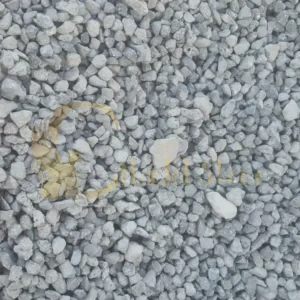
Crushed granite landscape projects consistently expose a gap between what contractors quote and what homeowners budget — and that gap almost always traces back to misunderstood unit pricing. Material cost for crushed granite runs roughly $40–$75 per ton depending on grade, angularity, and screenings content, but that number means nothing without knowing your coverage yield. A single ton of 3/8-inch decomposed granite covers approximately 100 square feet at a 2-inch compacted depth — a figure that shifts considerably when you move to coarser grades or increase your specified depth for heavy-traffic areas.
Coverage Calculations That Hold Up in the Field
Your coverage estimate needs to account for two variables most cost sheets ignore: compaction factor and void ratio by grade. Loose crushed granite compacts to roughly 85–90% of its placed volume, meaning you need to order more than the square-footage math suggests. For a 500-square-foot path at 3 inches compacted depth, your calculation should look like this: 500 sq ft × 0.25 ft depth × 1.35 compaction factor ÷ 27 = approximately 6.25 cubic yards, or roughly 8.5 tons at standard granite bulk density.
- Decomposed granite (DG), 3/8-inch minus: 100–110 sq ft per ton at 2-inch compacted depth
- 3/4-inch crushed granite: 80–90 sq ft per ton at 2-inch depth due to higher void space
- 1.5-inch crushed granite base material: 65–75 sq ft per ton at the same depth
- Screenings blend (fines-heavy mix): 115–125 sq ft per ton, compacts tightest of all grades
These ranges reflect real-world compacted yields — not the theoretical figures that look good on a spec sheet. Your actual delivery tonnage should include a 10–12% overage buffer for edge losses, low spots, and the inevitable regrading your installer will do after the first rain settles the surface. According to USGS natural landscape stone production and use data, granite remains one of the most widely specified dimension stone materials in North American hardscape, and demand-driven price variation across regions can reach 20–30% depending on quarry proximity and transport costs.
Grade Selection and Performance Trade-Offs
The grade you specify for a crushed granite landscape installation determines far more than appearance — it dictates drainage performance, surface stability, compaction behavior, and long-term maintenance frequency. Decomposed granite is the go-to for walkways and planting beds because its fine particle matrix compacts to a semi-rigid surface that sheds water laterally without becoming impermeable. Coarser 3/4-inch material is what you want under a flagstone inlay or as a drainage layer beneath a formal paver field.
- Decomposed granite (fines-rich): Best compaction, lowest void ratio, slight surface crust that resists displacement
- 3/8-inch clean crushed granite: Moderate drainage, good for informal paths and planting bed borders
- 3/4-inch angular granite: High drainage capacity, used as base aggregate under stone pavers and stepping stones
- 1.5-inch crushed granite: Sub-base stabilization layer, not a finish surface material
One distinction that often gets glossed over in crushed granite landscape specifications is the difference between “crushed” and “decomposed.” Crushed granite is mechanically processed — angular, consistent, with a sharp particle profile that interlocks under compaction. Decomposed granite is naturally weathered material that includes clay-bonded fines; it compacts beautifully but can rehydrate and soften in extended wet periods. For permanent installations, specifying a stabilized DG mix (binder-treated) adds $8–$15 per ton but dramatically extends surface life. As the Natural Stone Institute granite durability specifications confirm, granite’s mineral hardness and resistance to surface abrasion make it an exceptionally long-lived landscape aggregate when properly graded and installed.
UV Exposure and Color Retention
Sun-exposed crushed granite landscape surfaces undergo a gradual color shift that surprises most project owners — not from structural degradation, but from UV-driven oxidation of iron-bearing mineral components. Granite’s quartz content is UV-stable and maintains its crystalline brightness indefinitely, but biotite mica (the dark flecking in many granite blends) and feldspar surfaces can lighten or develop a chalky cast after sustained exposure. This is an aesthetic consideration, not a performance failure, but it’s one worth discussing with your client before material selection.
Darker granite blends — charcoal, black, and deep grey mixes — show the most visible color evolution over three to five years of full sun exposure. The iron oxides responsible for those rich tones are mildly photosensitive; in intense UV environments they lighten toward a warmer brown-grey. Applying a UV-stabilizing penetrating sealer to decomposed granite pathways every two to three years slows this shift meaningfully. For unsealed crushed granite applications in planting beds and drainage layers, UV weathering is irrelevant — but for high-visibility pathways, factor color retention into your finish selection early. The American Society of Landscape Architects emphasizes long-term material performance and visual continuity as core criteria for hardscape specification, particularly in permanent residential installations.
Base Preparation Requirements
Your base preparation determines whether a crushed granite landscape surface stays level for 15 years or develops a washboard pattern after the first heavy wet season. The minimum base specification for a pedestrian path is 4 inches of compacted crushed aggregate sub-base — typically a 3/4-inch minus base rock — beneath your finish granite layer. For light vehicular access, step that up to 6 inches. Skipping this step to save material cost is the single most common reason crushed granite installations require costly regrading within two years.
- Excavate to a minimum of 6–8 inches below finished grade to allow for base and finish layers
- Install landscape fabric between native soil and base aggregate to prevent fines migration upward
- Compact base aggregate in 2-inch lifts with a plate compactor — single-pass compaction of a 4-inch lift is inadequate
- Check for 1–2% cross-slope on paths to promote lateral drainage before placing finish material
- Allow base to settle 24–48 hours before placing crushed granite finish layer
For projects sourcing larger volumes, you can explore our crushed granite by the ton to confirm grade availability and get accurate tonnage estimates before finalizing your base and finish layer specifications. Citadel Stone’s technical team can advise on grade combinations that optimize compaction performance for your specific application depth and traffic load.
Ordering, Logistics, and Delivery Planning
Crushed granite landscape material arrives in bulk — either in super sacks (approximately 1 ton each) or loose dumped from a truck — and your site access conditions need to match your delivery format before you place the order. A standard end-dump truck requires a clear 40-foot run-out and firm ground at the dump point; if your project site has soft soil, a gate narrower than 10 feet, or a downhill grade at the delivery zone, discuss super sack delivery instead. The per-ton cost is slightly higher for bagged delivery, but the placement control is worth it on tight residential sites.
Warehouse availability varies by region and season — bulk crushed granite sees peak demand in spring, and lead times from warehouse to delivery can stretch from the standard 3–5 business days to 10–14 days during high season. Order your material at least three weeks ahead of your installation window, especially for projects requiring more than 10 tons. Confirm whether your supplier charges a truck minimum as well — most bulk granite deliveries have a 3–5 ton minimum per trip, and splitting a 12-ton project into three small deliveries rarely saves money once fuel surcharges are factored in.
Stabilization Options and Binder Applications
Standard decomposed granite paths have one consistent weak point: they migrate. Foot traffic, especially at path edges and turns, gradually redistributes the fines and leaves low spots that collect water and accelerate erosion. Stabilized DG mixes address this with a polymeric binder (typically an acrylic or polyurethane resin) pre-blended at the quarry. The result compacts to a surface that resists displacement under normal foot and light cart traffic while still allowing vapor transmission — an important distinction from concrete or asphalt.
- Standard DG: No binder, natural compaction only — lowest cost, highest ongoing maintenance
- Stabilized DG (pre-blended binder): Adds $8–$15/ton, significantly reduces edge migration and surface erosion
- Resin-bonded crushed granite: Applied on site as a liquid-over-aggregate system, produces near-rigid surface — highest cost, lowest maintenance
- Psyllium binder (organic): Water-activated, eco-friendly option used in parks and natural preserves — requires annual reapplication
For residential projects where appearance consistency matters over a 10-year horizon, stabilized DG is the specification most landscape architects default to. The added cost per ton is minor relative to the labor savings on annual regrading, and the surface performs considerably better in areas that see concentrated foot traffic — gate entries, seating areas, and transition zones where paths meet hardscape.
Edging and Containment Specifications
Crushed granite landscape material requires hard perimeter containment — the physics of loose aggregate under lateral pressure don’t allow for soft-edge installations without ongoing maintenance. Steel edging at a minimum 16-gauge thickness provides the cleanest profile and holds grade reliably over time. Aluminum edging works for gentle curves but tends to warp under UV exposure and thermal cycling over multiple seasons. Benderboard and composite edging are appropriate for informal garden paths but lack the rigidity to contain DG at path edges that see regular footfall right to the boundary.
- Steel edging: Best long-term performance, holds vertical face against aggregate pressure, minimal UV degradation
- Aluminum edging: Good for curves, lighter weight, moderate lifespan — adequate for low-traffic garden applications
- Natural stone border: Granite cobble or flagstone edging provides a natural aesthetic that complements crushed granite fill material
- Concrete mow strip: Clean, permanent solution for paths that adjoin turf areas — eliminates grass intrusion entirely
Edging should be staked at 18-inch intervals maximum — not the 24-inch intervals shown on most manufacturer diagrams. At 24-inch spacing, steel edging develops a slight bow between stakes that allows aggregate to push through at the base over time. This is one of those field details that rarely makes it into written specs but consistently separates clean long-term installations from ones that need correction at the three-year mark.
Maintenance Schedules and Long-Term Performance
The maintenance reality of crushed granite landscape surfaces is honest: they require periodic attention in a way that poured concrete and natural stone pavers don’t. Plan for one annual regrading pass on high-traffic paths — a leaf blower run on a calm day reveals the low spots reliably. Fresh material should be added every two to three years at roughly 15–20% of original installed volume to compensate for fines loss from rain splash and foot traffic. This is not a failure of the material; it’s the predictable behavior of a permeable aggregate surface, and it’s still substantially less expensive than replacing a cracked concrete path.
- Annual: Rake and level path surface, redistribute displaced fines from edges back to center
- Every 2–3 years: Top-dress with fresh crushed granite at 0.5-inch depth to restore surface density
- Sealer application (if applicable): UV-stabilizing penetrating sealer every 2–3 years on stabilized DG paths in full-sun locations
- Weed control: Pre-emergent herbicide application in early spring prevents germination through the surface layer
- Edge maintenance: Check and re-stake loose edging sections annually before wet season
Weed pressure is the maintenance variable most project owners underestimate. Landscape fabric beneath the base aggregate significantly reduces germination, but airborne seeds that land on the surface and penetrate the upper inch of DG will establish if not treated proactively. A pre-emergent herbicide applied in early spring is your most effective tool — reactive pulling after establishment is far more labor-intensive than preventive treatment. Budget roughly $0.15–$0.25 per square foot annually for basic maintenance on an established crushed granite landscape installation.
Crushed Granite Landscape Spec Wrap-Up
Getting a crushed granite landscape installation right comes down to accurate tonnage calculation, honest base preparation, and grade selection that matches your actual traffic load and aesthetic goals — not the generic 2-inch depth figure that appears on most product pages. Stabilized DG for high-visibility paths, coarser grades for drainage applications, and hard perimeter containment throughout will define whether your installation looks sharp at year ten or requires substantial remediation at year three. Delivery planning matters too: confirm warehouse stock and schedule your truck delivery well ahead of the installation window, especially during spring peak season when lead times extend. As you develop your project scope, related stone applications can add useful context — building granite steps into a slope covers how crushed granite and dimensional granite work together in grade-change applications. Sourced from select natural stone quarries worldwide, Citadel Stone crushed granite compacts firmly for stable, low-shift landscape surfaces.
Related reading: How to Install Granite Landscape Edging Step by Step · granite landscape blocks guide · decomposed granite landscape pros and cons.