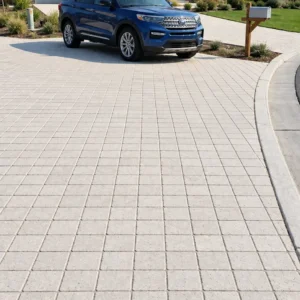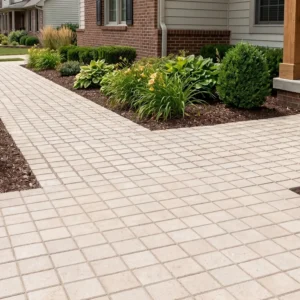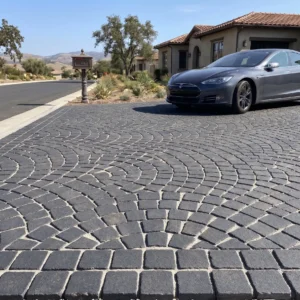

Natural stone driveway paver care is one of those maintenance disciplines where the first three years set the trajectory for the next thirty. The decisions you make right after installation — when to seal, how to handle joint sand, what cleaning chemistry to use — either lock in that surface’s performance or start a slow deterioration cycle that is expensive to reverse. Getting the protocol right from the beginning is far more cost-effective than corrective work later, and the specifics depend on the stone type, the finish, and how your base was built.
Why Stone Type Drives Your Maintenance Plan
Not every natural stone driveway paver responds to maintenance the same way, and treating them interchangeably is the most common mistake homeowners and even some contractors make. Porosity is the governing variable. A dense basalt paver and a shellstone paver can sit side by side in a driveway and require completely different sealing schedules and cleaning approaches because their internal pore structures are fundamentally different.
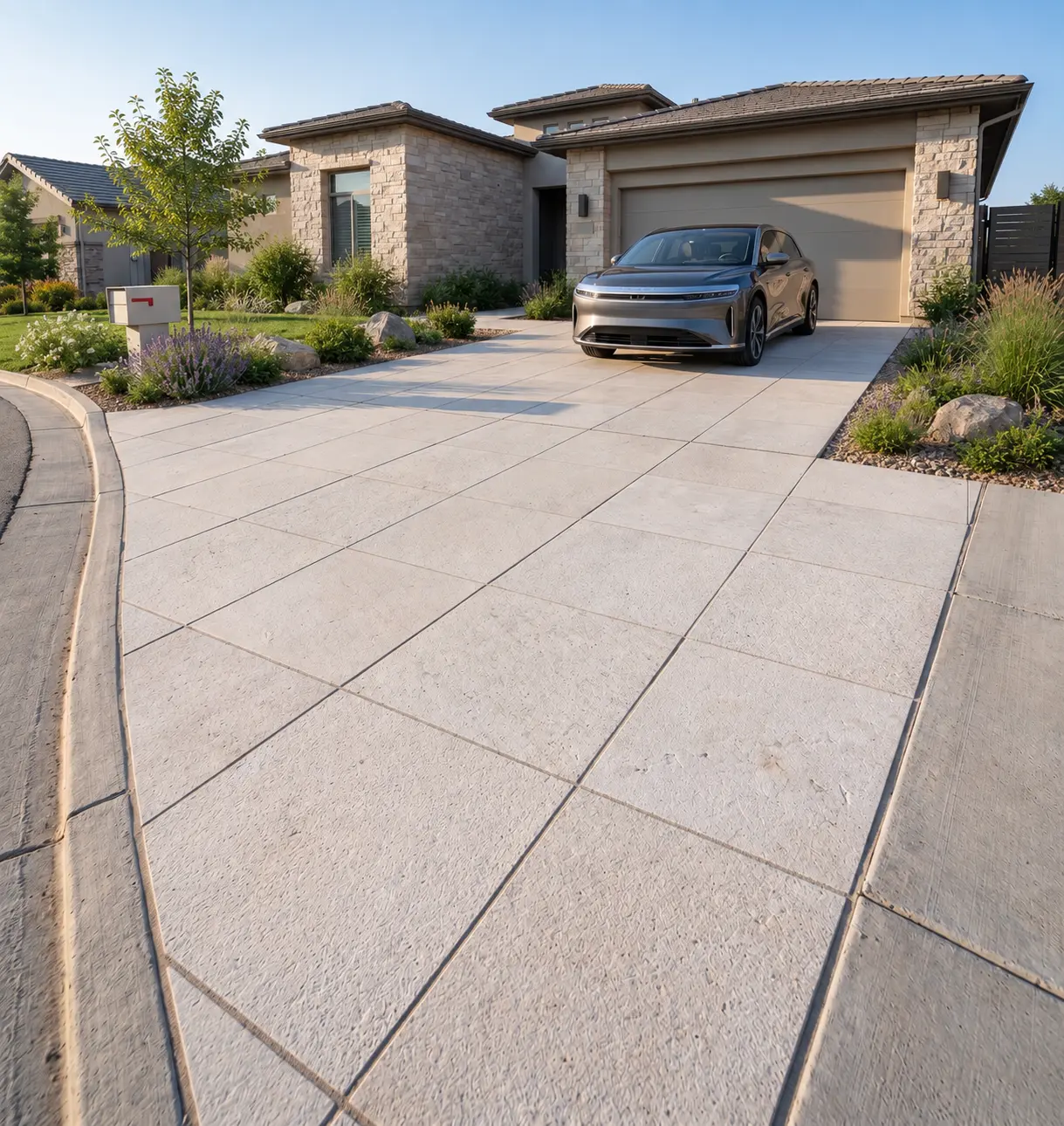
Dense volcanic stones like black basalt — classified under ASTM C615 (Standard Specification for Granite Dimension Stone) at the denser end of igneous paving — absorb relatively little moisture at the surface compared with sedimentary stones. The USGS overview of igneous rocks explains how rapid lava cooling keeps the grain structure tight and minimizes pore connectivity. That geology translates directly into a maintenance advantage: you reseal less often, and staining is less immediate when it does occur.
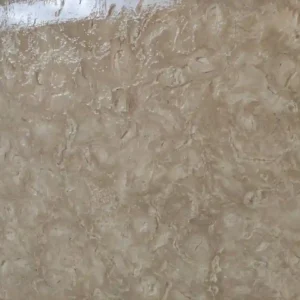
Shellstone, by contrast, is an open-pored fossilized limestone. Leathered shellstone pavers carry a leathered finish that reduces surface-level absorption slightly compared with an unprocessed sawn face, but the stone’s natural pore structure still means you need an impregnating sealer applied before the installation sees its first winter, and you should plan to reapply on the interval your sealer manufacturer states — typically every two to four years depending on traffic and climate.
Sealing Your Stone Driveway Pavers
Your sealing strategy should start before the first vehicle crosses the stone. Most specifiers know to seal after installation, but the timing matters more than people realize. Sealing too early — before the setting bed has cured fully and any efflorescence has worked its way out — traps salts under the sealer film and causes it to fail prematurely from beneath. Wait for full cure, let the stone dry completely, and address any efflorescence with an appropriate alkaline or acid cleaner suited to your specific stone before the sealer goes down.
- Use an impregnating (penetrating) sealer rather than a topical film-forming sealer for driveways — film sealers abrade and peel under vehicle traffic
- Apply sealer when the stone surface temperature is within the manufacturer’s stated range — outside that window, the carrier solvent off-gasses too fast or too slow and the sealer does not penetrate correctly
- Test your sealer on an offcut or inconspicuous paver before committing to the full installation — some lighter stones shift tone slightly with certain solvent-based formulas
- Reapply on the manufacturer’s stated schedule, not on a fixed calendar — traffic volume, sun exposure and local weather patterns all affect how quickly the sealer depletes
For White Limestone Patio Pavers repurposed in a low-traffic driveway or apron application, sealing is especially important because light-toned limestones show oil staining visibly. An oil spill on unsealed white limestone can penetrate within minutes in warm weather. Sealed correctly, the same stone remains far more forgiving — you have a window to blot and clean before the stain sets.
Cleaning Protocols That Protect the Surface
The detail most homeowners miss is that the wrong cleaning chemistry causes more long-term damage than traffic does. Acid-based cleaners — including dilute muriatic acid often recommended for concrete — will etch calcite-bearing stones like limestone and shellstone on contact. You can dull a honed surface or destroy a polished face with a single improper cleaning pass. For natural stone driveway paver care, the cleaning chemistry must match the stone’s mineralogy.
- For limestone and shellstone: use pH-neutral or mildly alkaline stone cleaners — never acid-based products
- For basalt and dense igneous pavers: a wider range of cleaners is tolerated, but acid still has no place near calcite-veined varieties
- For oil and grease stains (the most common driveway contaminants): a poultice drawn from a stone-safe solvent cleaner and an absorbent powder works better than surface scrubbing — it draws the oil out rather than spreading it
- Pressure washing is acceptable at low-to-moderate pressure on bush-hammered or brushed finishes — keep the nozzle at a low angle and avoid high-pressure settings that blast joint sand out of place
- Avoid bleach-based products on colored or fossil-patterned stones — bleach can break down organic material in fossiliferous limestone and alter the visual character of the surface over time
Joint Sand Management in a Stone Driveway
Your joints are the driveway’s weakest structural element, and they require the most ongoing attention. Polymeric sand is standard for vehicular applications because it resists ant activity and weed germination better than plain kiln-dried sand, and it hardens into a semi-rigid mass that reduces washout. But polymeric sand is not maintenance-free — it still settles over the first wet season as fines compact and migrate into the base, and you need to top it up and re-activate it with water according to the product instructions.
Keeping joints tight requires refilling and re-compacting the sand where it settles after the first wet season. That first refill is non-negotiable on driveway installations because low joints create a path for surface water to undercut the base — which is how otherwise sound installations develop isolated rocking or sinking pavers. Catch it in year one and the fix takes an afternoon. Leave it for three seasons and you are likely looking at a partial relay.
Weed pressure in joints is a maintenance signal, not just a cosmetic issue. Roots from established weeds can lever individual pavers upward over time, particularly at the perimeter where edge restraints transition to soft landscaping. Address weeds at the seedling stage before the root system develops any mechanical force against the paving.
How Local Building Codes Affect Driveway Paver Specification
Here is where long-term maintenance connects back to initial specification: an installation built to local structural code requirements holds up better and costs less to maintain over decades. Many residential driveway failures trace back not to the stone or the maintenance program, but to a base that did not meet local frost line depth requirements, edge restraints that were not mechanically fastened per local standards, or paver thickness selected below what the application demands.
For driveways, use setts or cobbles at least 3.5 in (4 in standard) thick on a compacted base, or pavers 2 in (5 cm) or thicker mortar-bonded to a reinforced concrete slab. That specification is not arbitrary — it reflects load distribution geometry and the structural expectations of local building departments in most jurisdictions. Where seismic zones apply, some local codes also specify additional base compaction standards and edge restraint anchorage details that go beyond typical residential hardscape guidance. Your contractor and local building authority are the right sources for jurisdiction-specific requirements.
- Frost line depth in colder regions determines minimum base depth — a base that terminates above the frost line is vulnerable to heave cycles that crack joints, rock pavers and compromise the installation geometry
- Edge restraints must be mechanically anchored — plastic edging spiked every 12 in (300 mm) is the minimum; for heavy vehicular loads, concrete haunching at the perimeter is a sounder long-term choice
- Drainage slope requirements (typically ¼ in per foot away from structures) are often code-specified and affect long-term maintenance directly — standing water on a stone driveway accelerates joint sand erosion and staining
- Some municipalities require a permeable paving design or a specific percentage of permeable surface in new hardscape; your installer should confirm this before specifying a fully mortared system
The ASLA guidance on permeable surfaces provides useful framing for how paving material and joint system choices interact with stormwater management requirements — a factor that increasingly appears in local residential permitting.
Stone Driveway Paver Maintenance by Finish
Finish is the variable that most directly affects the day-to-day maintenance experience of your driveway, and it deserves more attention in specification conversations than it typically gets. A bush-hammered finish leaves a mechanically roughened, open texture that handles debris and surface moisture well on driveway applications — it is also easier to clean because the texture does not trap fine particulates the way a sawn face does. For pool decks, wet steps and slopes, choose a bush-hammered finish. For other outdoor paths, bush-hammered or brushed in our coarsest grit both work; check a sample.
Brushed 16 Grit is calibrated for driveways and courtyards — the coarse grit leaves enough surface relief to handle the visual demands of a working driveway while remaining cleanable with a standard garden hose and brush. Split Face stone works for feature border elements and driveway edging but its irregular surface profile accumulates debris more readily in the valleys, so it requires more frequent sweeping in high-leaf-fall environments.
- Bush-hammered and coarse brushed finishes: sweep weekly, hose down monthly, reseal on the manufacturer’s interval
- Finer brushed finishes: more susceptible to surface soiling from tire deposits — consider a stone-safe degreaser in the quarterly clean
- Split Face: trap debris in the relief profile, so blow or sweep more frequently and inspect joints after heavy rain
- Avoid any polished finish on a driveway surface — polished is for dry indoor surfaces only and will abrade rapidly under tire traffic
Ordering and Stocking Replacement Pavers
One of the most practical pieces of advice for any stone driveway project is to order a reserve stock of matching pavers at the time of the original installation. Natural stone is quarried material — batch color, texture and fossil patterning shift between quarry runs, and matching a replacement paver to an installed surface five years later is genuinely difficult even from the same source. Having twenty or thirty square feet of reserve stock stored flat in a dry location gives you an exact match when you need to relay a section after utility work or a point-load failure.
You can review our cut-to-order stone driveway pavers to confirm available thicknesses and formats before specifying your installation. Citadel Stone cuts to order at its selected quarries, so lead times are quoted with the order — confirm delivery scheduling and site access before the production date is locked, particularly for large palletized deliveries where offloading space at the curb can be a constraint.
Annual Inspection Routine for Natural Stone Driveway Paver Care
The most cost-effective maintenance tool for natural stone driveway paver care is a structured annual inspection — ideally in early spring after freeze-thaw cycling has finished, and again in autumn before the first frost. These two windows catch the damage cycles that do the most work on a driveway surface and give you time to make repairs before the next season compounds the problem.
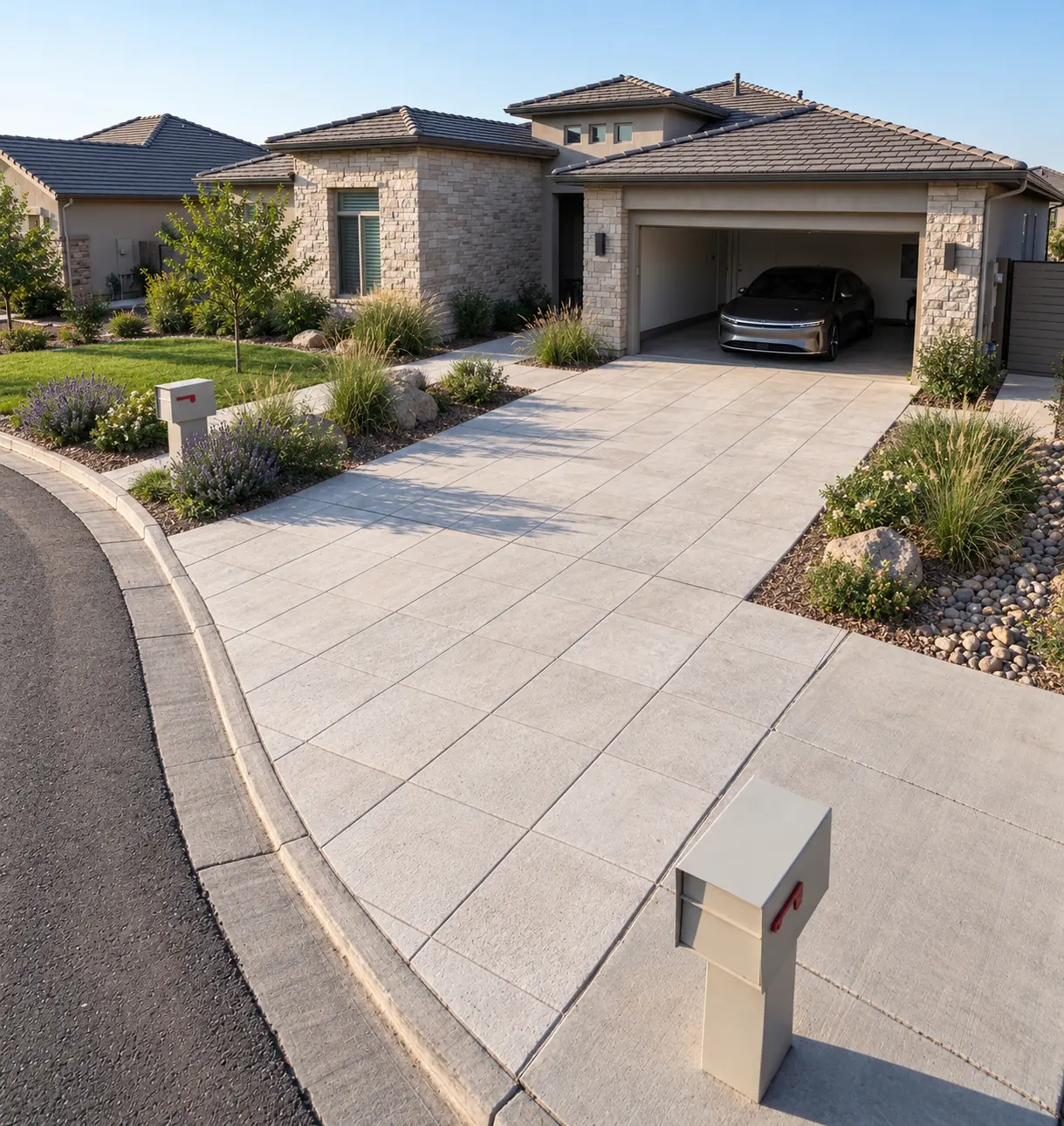
- Spring inspection: check for rocked or displaced pavers, joint sand loss, efflorescence bloom, edge restraint movement and any staining that emerged over winter
- Autumn inspection: check sealer condition (a simple water bead test tells you if the sealer is still active), top up joint sand before winter, and clear any organic debris that has accumulated in joints or against the perimeter
- After any significant event — utility repair, heavy vehicle delivery, impact — inspect the immediate area and the surrounding two to three pavers for cracking or displacement before it spreads
- Document your inspection with photos: a simple dated photo record makes it easy to track surface changes over time and identify whether a stain or wear pattern is progressing
Dimension stone standards such as ASTM specifications for driveway paving stone set the technical floor for what a stone must achieve structurally — but long-term performance above that floor depends almost entirely on how consistently the maintenance program is followed and how quickly minor issues are addressed before they escalate.
Spec Wrap-Up
The long-term performance of a natural stone driveway paver installation is less about which stone you chose and more about whether the maintenance program was treated as a planned specification element from day one. Stone type determines your sealer chemistry and your cleaning pH range. Finish determines how debris accumulates and how the surface responds to traffic abrasion. Base depth and edge restraint — built to local structural code requirements — determine whether the geometry holds over decades of load cycling and seasonal movement. Each of those variables interacts with the others, and understanding those interactions is what separates a driveway that ages gracefully from one that needs costly intervention within a decade.
Your planning should also extend to the layout and pattern decisions that affect long-term replaceability — how pavers are oriented and bonded determines how difficult a future relay will be. Beyond care and maintenance, driveway paver layout and pattern options covers how bonding patterns and format choices interact with structural performance and long-term maintenance access. Citadel Stone natural stone pavers, cut to order at our selected quarries in calibrated thicknesses, simplify long-term maintenance for any installation.
Related reading: permeable stone driveway pavers · grass and stone paver driveway · driveway pavers cost calculator.