

Sealing marble before the first use is not optional — it is the decision that determines whether your marble tile for shower installation holds its appearance for years or begins absorbing soap minerals and moisture within weeks. Most installers understand they need to seal, but the variable that separates a long-lived installation from a problematic one is the sealer chemistry, the timing, and the maintenance interval after that first application. Each of those three decisions depends on the specific porosity profile of the marble you are using, not on a generic recommendation.
Understanding Marble Porosity Before You Seal
Your marble’s porosity determines everything about your sealer selection, and it is not uniform across the range of available marbles. White Carrara, for example, behaves very differently from a dense grey-veined Bardiglio at the surface level — the calcium carbonate matrix in lighter marbles tends to be more openly crystalline, which means higher absorption and a faster response to acidic cleaners. You need to know which marble you are working with before choosing between a penetrating impregnator and a topical coating.
The Natural Stone Institute ASTM stone specifications outline the absorption test methods that allow you to compare marble variants on a like-for-like basis. Ask your supplier for the absorption data on the specific material you are specifying — the figure matters, but the test report is the source of truth. Citadel Stone cuts marble tile for shower projects to order at our selected quarries in the Mediterranean and Middle East, and our technical team can direct you to the relevant test data for each material in the range.
The sealer you choose needs to match the absorption classification of the stone, not the aesthetic. A low-absorption, dense marble needs a lighter application than an openly porous variant — applying a heavy sealer coat to a dense marble often leaves a residue that hazes the surface under warm shower water.
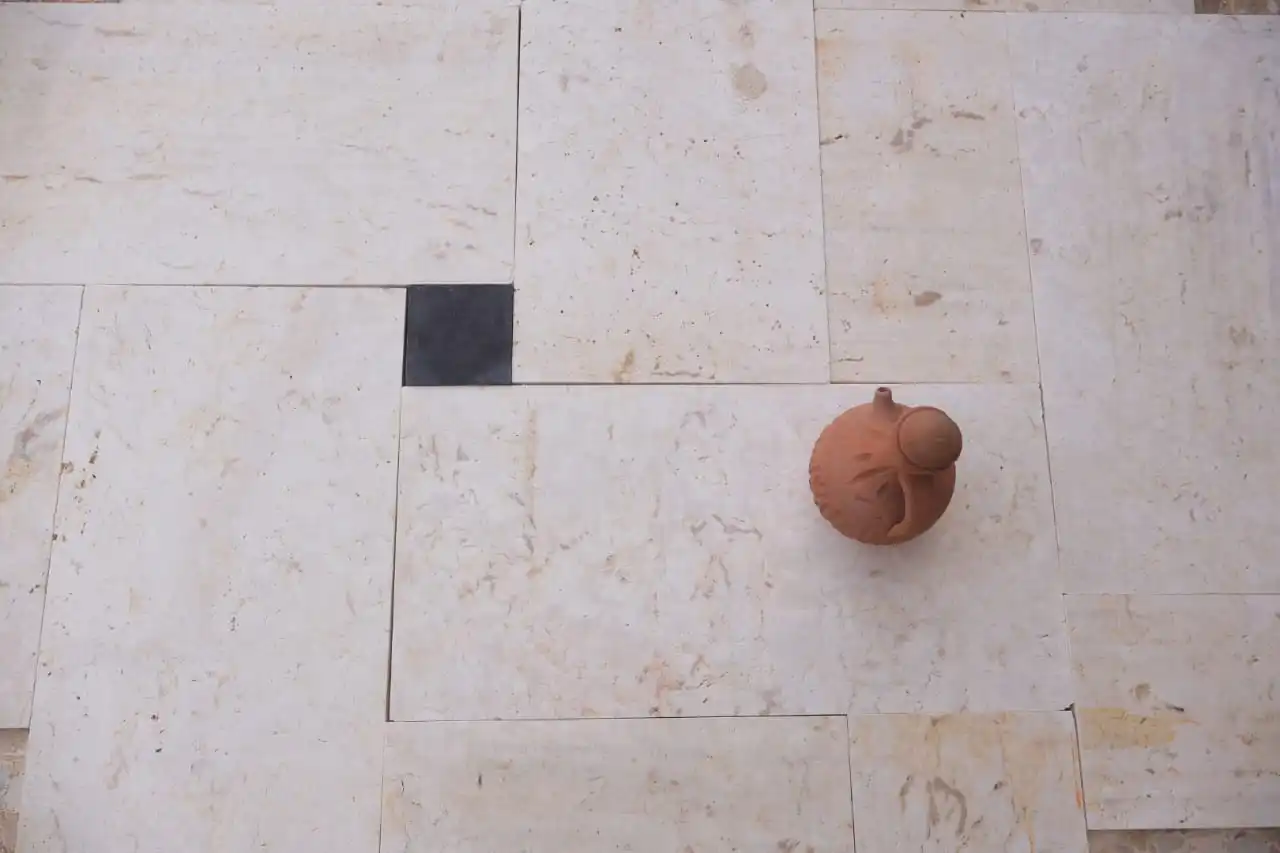
Selecting the Right Sealer for a Marble Tile Shower Environment
Penetrating impregnators are the industry standard choice for marble tile shower applications, and for good reason. They work below the surface, filling the capillary channels in the stone without creating a film that foot traffic or temperature cycling can crack or peel. Topical sealers have their place on exterior paving, but in a wet enclosure they trap moisture and cause the surface to yellow over time — a common complaint that traces back to sealer selection, not stone quality.
- Fluorocarbon-based impregnators provide both water and oil resistance, which is important in showers where shampoo and conditioner residues are the primary contamination source
- Silane and siloxane sealers offer strong water repellency but can be less effective against oil-based soaps — confirm the formulation covers both before purchasing
- Solvent-carried versus water-carried sealers behave differently in confined spaces — water-carried formulations are lower in VOCs and generally safer for enclosed shower applications
- Always apply sealer to a fully cured, dry installation — moisture trapped under a sealed surface will cause bonding failure and blistering in a heated shower environment
The test most professionals use before sealing is straightforward: drop a small amount of water on the unfinished marble surface. If it absorbs within a few minutes, the stone needs sealing. If it beads and sits for ten minutes or more, the material is dense enough that a lighter application will do. You are calibrating to the stone, not to the product label’s recommended quantity.
Application Technique That Actually Makes a Difference
Your technique on the first seal coat is what sets the baseline for long-term performance. Apply the sealer in thin, even passes — do not flood the surface. Work in small sections so you can remove the excess before it begins to tack. The single biggest error in marble tile for shower care is letting excess sealer dry on the surface, which leaves a hazy film that requires mechanical removal to fix.
For white marble tile in shower enclosures specifically, two thin coats applied with a 15-minute interval between them outperform one heavy coat in virtually every scenario. The first coat partially fills the capillary structure; the second coat addresses the remaining absorption pathways. Letting the first coat fully penetrate before applying the second is not optional — it is the mechanism by which the sealer does its job. Follow the manufacturer’s specified dwell time exactly, because that window was engineered for the chemistry of the product, not chosen arbitrarily.
For a closer look at the material range available, our white marble tile for showers covers the formats, finishes, and quarry sources relevant to high-moisture interior applications.
Maintenance Intervals and When to Reseal
Resealing intervals are not fixed — they are a function of shower use frequency, cleaning product chemistry, and the original sealer’s rated durability. A marble tile shower floor in a heavily used master bath will need attention sooner than the same material in a guest bathroom. The water-bead test is your most reliable indicator: pour a small amount of water on the sealed surface. If it beads cleanly, the sealer is performing. If it spreads and begins to absorb within a minute or two, it is time to reseal.
- In high-use showers, plan to reseal annually as a baseline and adjust based on the water-bead test result
- In lightly used spaces, the interval may extend to two or three years depending on sealer quality
- Each time you reseal, clean the surface thoroughly first — sealing over soap scum or mineral buildup traps the contamination rather than protecting the stone beneath it
- Use only cleaners rated as pH-neutral for marble before resealing — acidic products etch the calcium carbonate surface and leave it more porous than it was, which defeats the purpose of the maintenance cycle
According to TCNA natural stone tile installation standards, surface preparation before resealing is as critical as the original application — contaminated stone surfaces resist penetrating sealer uptake, leaving gaps in coverage that become visible as absorption staining over time.
Cleaning Chemistry: Why pH Matters More Than Label Claims
The calcium carbonate that gives marble its distinctive veining and warm appearance is highly reactive to acids. This is the detail that most shower care guides skim over, but it is the mechanism behind nearly every case of marble surface degradation in shower environments. Standard bathroom tile cleaners, many grout cleaners, and most limescale removers are acid-formulated — they work brilliantly on ceramic tile but etch marble immediately on contact.
Your cleaning routine for a marble tile shower needs to be built around pH-neutral products from the first day of use. Dish soap diluted in water works in a pinch, but purpose-formulated stone-safe cleaners are preferable because they are also free of wax and surfactant residues that accumulate in the stone’s surface over time. Soap scum on marble is particularly persistent because the soap’s fatty acids bond to the calcium carbonate — a gentle stone cleaner breaks that bond without the acid etch damage that a conventional bathroom spray would cause.
Hard water zones present an additional challenge: mineral deposits from high-calcium water accumulate faster in showers, and the instinct to remove them with a limescale product is exactly wrong on marble. The correct approach is a stone-safe mineral deposit remover — these products work through chelation rather than acid attack, lifting the calcium carbonate deposit without damaging the stone beneath it.
Drainage Design and Moisture Control: The Variables Most Specifiers Overlook
The long-term performance of marble tile in shower enclosures is closely tied to how well the space manages water drainage and residual moisture between uses. Poor drainage geometry is not just a comfort issue — standing water on a sealed marble tile shower floor accelerates sealer degradation at the surface, and water that sits in grout joints extends the saturation period for the substrate beneath the tile, which eventually works its way up through the stone if the waterproofing membrane has any gaps.
Linear drains positioned along one edge of the shower allow the entire floor to slope in a single plane toward the drain — this is consistently easier to tile neatly with marble formats than the traditional four-way slope toward a centre drain. A four-way slope creates compound angles at the corners that are difficult to manage with larger marble tile, and any deviation from true flat geometry becomes visible in the finished surface reflectivity. Your shower floor plan and drain location should be confirmed before the marble format is sized, not after.
- Slope the shower floor at a minimum consistent gradient toward the drain — confirm the exact dimension with your tile setter before setting the marble, because even minor deviations accumulate across a large shower floor
- Waterproofing membrane selection and installation quality underneath the tile determines how moisture behaves when it inevitably finds a grout joint — this is the layer that protects the substrate, not the sealer on the marble surface
- In humid climates where the ambient moisture level between shower uses stays elevated, adequate ventilation shortens the drying period for grout joints and reduces biological growth on the grout surface
- Shower niches and bench surfaces need their own drainage slope — flat niches collect water and accelerate soap residue buildup at the back edge of the niche, which is one of the first places sealer performance degrades
Water management considerations extend to how your home’s water chemistry interacts with the white marble tile over time. In regions that experience heavy rainfall seasons, municipal water supplies can shift in mineral content — this is rarely dramatic enough to notice day-to-day, but the cumulative deposit pattern on the surface may shift over years depending on local water treatment practices.
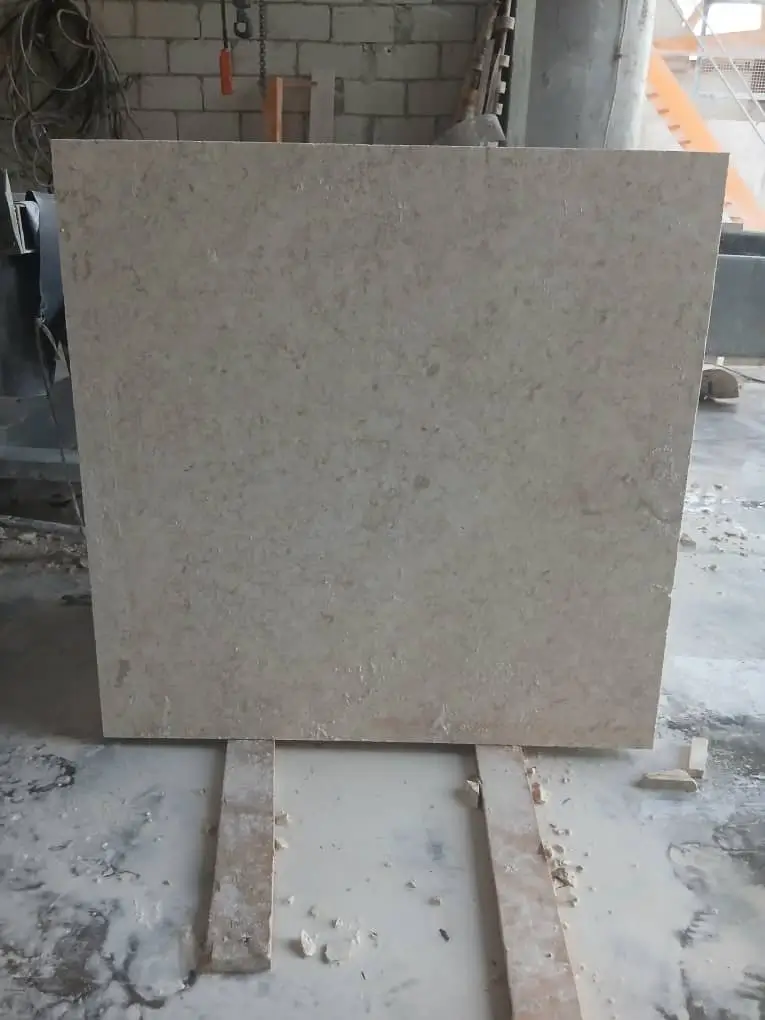
Grout Selection and Joint Width for Marble Tile Shower Installations
Grout selection for a marble tile shower is a specification decision that affects maintenance burden for the life of the installation. Unsanded grout is standard for the tight joints typical in marble tile work — anything above 3mm typically requires sanded grout, but check the marble edge quality before assuming. Some marble formats are gauged tightly enough to hold a very narrow joint, while others have slight edge variation that requires a slightly wider joint for a level surface.
Epoxy grout has obvious appeal in wet environments because it is highly resistant to moisture and does not require sealing — but it is unforgiving to install. The pot life is short, and cleaning squeeze-out from marble surfaces must happen immediately. Any epoxy left to cure on the marble face requires mechanical removal, which risks surface damage. Many experienced marble tile installers prefer high-quality cement grout with a dedicated grout sealer, because the system is more forgiving during installation and the grout can be resealed independently of the stone.
Grout colour choice for white marble tile should reflect long-term maintenance reality, not just initial aesthetics. Light grout reads well at installation but shows water marks and soap deposits more readily than a mid-tone. Dark grout on white marble creates contrast that emphasises the joint pattern — this is a design choice worth considering at the specification stage rather than after installation. The ASTM natural stone tile testing standards cover the absorption and dimensional characteristics that determine grout joint width requirements, and your fabricator or supplier should be able to provide the relevant test data for the specific marble format you are specifying.
Marble Tile Shower Floor: Choosing the Right Surface Finish
A polished finish on the shower walls creates the luminous, reflective quality that makes white marble tile so appealing — but the same finish on the marble tile shower floor introduces a practical concern. A polished marble floor surface becomes noticeably slippery when wet, and slipperiness in a shower is a genuine safety consideration that deserves a direct answer at the specification stage. The finish is the variable you control — and your finish choice should be guided by that fact.
Honed finishes leave a smooth, matte surface with lower reflectivity than polished. The texture difference at the micro-surface level is sufficient to change how water sits on the surface. A brushed or tumbled finish takes this further, creating an open, matte texture at the surface — the stone’s natural mineral variation becomes visible and the surface reads as warmer and more tactile than either polished or honed. The governing standard for wet surface performance testing is ANSI A326.3, measured wet — the finish is the key variable, and test reports for specific finish and material combinations are available on request.
- Polished finish: highest visual impact on walls, requires careful consideration on floors in wet environments
- Honed finish: low sheen, smooth surface texture, appropriate for both wall and floor applications in showers
- Brushed finish: open, textured surface, suits floors in wet environments, retains the natural character of the stone
- Tumbled finish: irregular, tactile surface texture, highest surface openness — also requires more frequent cleaning because the texture accumulates soap residue faster
Whatever finish you select for the floor, consider specifying the same material in a complementary finish for the walls — this creates visual continuity while allowing you to optimise each surface for its function. Citadel Stone supplies marble tile for shower and wall applications in multiple finishes from the same quarry lot, which maintains colour and veining consistency across your floor and wall installation.
Marble Tile for Shower Care: Getting the Specification Right
The installation decisions that define the long-term condition of marble tile for shower applications are made before the first tile is set — in the sealer specification, the drain geometry, the grout system, and the cleaning chemistry that you establish in the first weeks of use. Getting those decisions right from the start is significantly easier than correcting problems after the fact, because marble responds to neglect and incorrect care in ways that are difficult to reverse without professional intervention. Your maintenance routine does not need to be complicated: pH-neutral cleaner, periodic water-bead testing, and timely resealing on the interval your sealer manufacturer specifies will keep the surface performing for many years. As you plan the broader project, layout decisions for larger marble formats also affect grout joint consistency and cut waste — large tile layout planning covers the approach in detail. White marble tile from Citadel Stone cut from selected Mediterranean and Middle Eastern quarry stock retains its surface character longer when cleaned with pH-neutral products and kept free of soap residue buildup.
Related reading: large tile shower ideas · large tile vs standard tile · marble look porcelain vs stone.