What Tile Size Does to a Small Bathroom
Small travertine bathroom ideas succeed or fail at the selection stage, long before a single tile touches mortar. The proportion between your tile format and the room’s square footage determines whether the space reads as curated and open or cluttered and compressed. A 12×24-inch tile in a 35-square-foot bathroom creates visual continuity that stretches the eye along the longest wall — the same principle architects use to make corridors feel less confined. Your grout joint width compounds this effect: tighter joints (3⁄32 inch) let the travertine’s natural veining flow without interruption, while wide joints visually chop the floor into a grid.
Light Tones and the Physics of Space
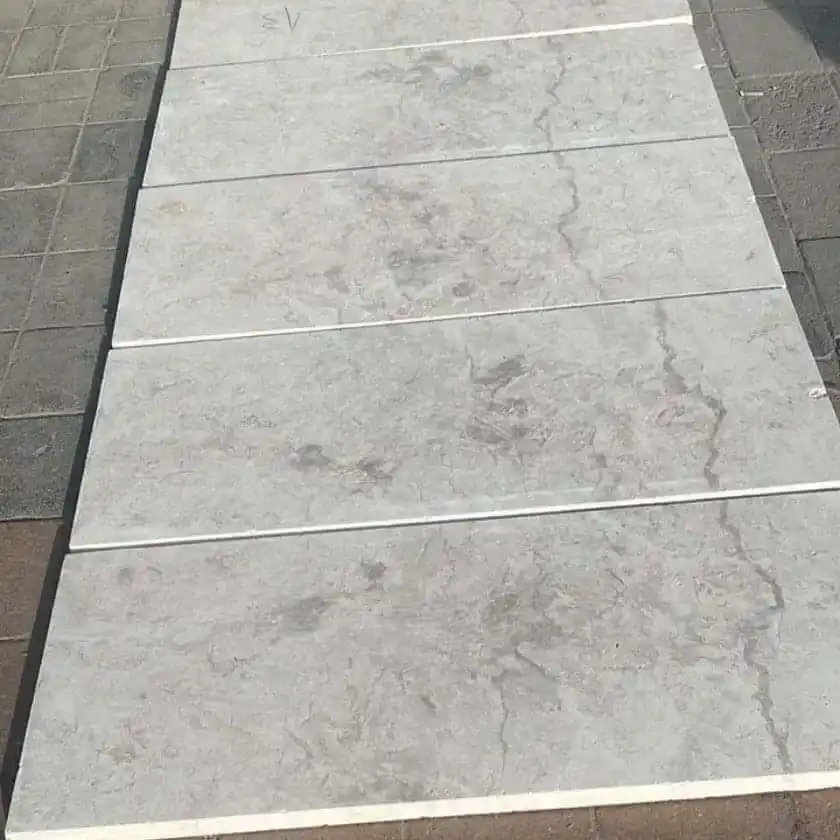
The reflectivity of pale travertine is one of the most underused tools in compact bathroom design. Ivory and silver-vein travertine reflect ambient light across the room, reducing the shadow accumulation that makes small spaces feel enclosed. This isn’t a styling preference — it’s a measurable optical response that specifiers take seriously on high-end residential projects. According to Natural Stone Institute travertine properties and outdoor suitability, travertine’s open-pore surface texture diffuses rather than concentrates reflected light, which distributes brightness more evenly than polished dense stone.
Your finish selection drives this effect more than your color choice alone. A honed finish on light travertine gives you warmth without glare, which is what you actually want in a bathroom — even, comfortable brightness rather than the harsh flash of a high-polish surface. Brushed finishes add tactile character and affect how wet surfaces behave, which connects to the ANSI A326.3 wet DCOF threshold governing floor finish selection for wet interior zones. The finish is the variable that determines where your tile sits relative to that benchmark, not the stone species itself.
Small Travertine Bathroom Tile Layouts That Expand the Room
Layout pattern is the detail that separates a competent small travertine bathroom from one that genuinely feels larger. A diagonal 45-degree layout on the floor adds perceived width to a narrow bathroom — the eye follows the diagonal line to the farthest corners rather than stopping at the nearer parallel walls. This works particularly well with small stones in the 4×4 or 6×6 range, where the angular pattern creates enough visual movement to trick spatial perception without overwhelming the room.
- Herringbone layouts on feature walls elongate the vertical plane, which raises the perceived ceiling height in bathrooms with standard 8-foot ceilings
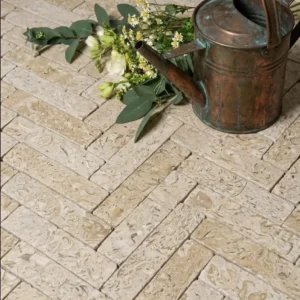
- Running bond (offset brick pattern) on the floor with the long edge perpendicular to the entry draws the eye into the room rather than across it
- Large-format tiles laid in a straight stack with minimal grout joints work best when you have at least one uninterrupted 5-foot run to let the format read properly
- Stacked vertical tile on shower walls combined with horizontal floor tile creates a deliberate contrast that defines zones without physical barriers
Small travertine bathroom design gets an additional advantage from travertine’s natural variation — no two tiles carry identical vein patterns, so even a simple straight-lay reads as intentional and artisanal rather than repetitive.
Wall-to-Floor Continuity and Where It Matters Most
Running the same travertine tile from floor up the lower half of the wall — what specifiers call a wainscot or dado application — eliminates the visual break that a baseboard and paint line creates. That break is a hard stopping signal for the eye, and in compact bathrooms it defines a low ceiling before the ceiling actually arrives. Carrying travertine to 42 or 48 inches on the wall removes that visual cue and lets the room read taller. For Citadel Stone bathroom travertine, this continuous application works especially well in ivory and walnut tones, where the warmth of the material wraps the room without darkening it.
The practical side of wall tile in a bathroom also carries a structural consideration worth addressing directly. Building codes in seismic zones — IBC Section 1613 and applicable state amendments — require that tile adhesive and setting systems meet specific shear resistance criteria. In those regions, you’ll want to confirm your tile installer is using a polymer-modified, Type S mortar rated for wall applications, not a standard Type 1 adhesive. Your building department’s plan check will flag wall tile in wet zones as a structural attachment, not a decorative finish, which affects both the adhesive spec and the substrate preparation requirement.
Grout and Fill Choices for Travertine in Small Bathrooms
Travertine is a vuggy stone — it forms with natural voids that require filling before installation. The fill choice matters more in bathrooms than almost any other interior application because moisture ingress into unfilled voids leads to grout line cracking and eventual tile movement. Standard practice is epoxy fill for bathroom travertine, applied before final honing, because epoxy resists moisture and doesn’t shrink over time the way cementitious fillers can. ASTM C1527 travertine dimension stone standard specifications covers the classification criteria for travertine used in interior tile applications, including fill quality requirements that your fabricator should be meeting before tiles ship.
- Unfilled travertine in shower applications allows water to migrate behind the tile — not recommended for enclosed wet zones
- Pre-filled and honed tiles are the standard specification for bathroom floors and walls; confirm fill type with your supplier before ordering
- Grout color choice has an outsized impact in small bathrooms — a tone-matched grout (within two shades of the tile body) keeps the visual field unified and reinforces the space-expanding effect
- Epoxy grout in shower areas adds water resistance at joints, though it requires more careful application than sanded grout and is less forgiving of inconsistent joint widths
Thickness, Substrate, and Load-Bearing Considerations
Most bathroom travertine for floor applications runs in the 3⁄8-inch to 1⁄2-inch nominal thickness range, which handles typical residential point loads without issue. The substrate beneath matters significantly more than the tile’s own thickness in a bathroom context. Deflection in a wood subfloor — anything exceeding L/360 of the span — translates directly into cracked tiles and failed grout joints within 18 to 24 months. Confirm that your subfloor spans and joist spacing meet the minimum stiffness threshold before committing to any stone tile, travertine included.
For bathroom renovations in older construction, this often means adding a layer of 1⁄4-inch cement board or uncoupling membrane over the existing subfloor to achieve the deflection resistance that travertine requires. An uncoupling membrane (such as a dimple-mat system) also manages the minor differential movement between a wood subfloor and a rigid tile without transferring stress to the tile surface — a detail that makes a measurable difference in freeze-thaw regions where structural movement is seasonal. Physical property data for specific travertine grades, including absorption and flexural strength, is available as a test report on request from Citadel Stone.
Ordering, Lead Times, and Warehouse Stock
Small bathroom projects often involve precise quantities — waste factors typically run 10 to 15 percent for straight-lay patterns and 15 to 20 percent for diagonal or herringbone layouts, because more cuts fall short of full tiles. Getting the quantity right before you order matters because re-ordering to match a specific travertine lot is not always possible. Travertine varies by quarry block, and a second order from the same quarry region may carry slightly different veining density or background tone. Citadel Stone quarries travertine directly at our selected quarries and holds warehouse inventory in standard sizes, which reduces the probability of lot variation between initial and supplemental orders — but verifying warehouse stock levels against your full quantity before placing an order remains the most reliable protection against mid-project shortfalls.
Truck delivery logistics for bathroom tile quantities are simpler than for large outdoor projects, but you’ll still want to confirm your delivery address can accept a freight pallet if you’re ordering more than 150 square feet. Residential truck deliveries typically require curbside offloading — confirm whether your site has a loading dock or if you need a liftgate service before scheduling, as liftgate additions can affect lead time by one to two business days.
Sealing and Long-Term Maintenance in Bathroom Conditions
Travertine requires penetrating sealer application before grouting — this protects the face of the tile from grout haze during installation and begins the longer-term moisture management the stone needs in wet environments. In bathroom applications specifically, you can expect to reapply a penetrating impregnating sealer every 18 to 24 months depending on usage intensity and cleaning product choice. Highly acidic cleaners — anything with a pH below 7 — etch the calcium carbonate surface of travertine and accelerate sealer degradation, so your maintenance routine should use pH-neutral stone cleaners exclusively. According to USGS limestone and travertine natural mineral formation data, travertine’s calcium carbonate composition makes it reactive to acidic compounds, which is the technical basis behind that cleaning restriction.
- Apply penetrating sealer to dry, clean tiles 24 hours before grouting to protect tile faces during joint filling
- Reapply sealer on a schedule appropriate to shower frequency — a primary bathroom with daily use needs sealing more frequently than a guest bath
- Test sealer performance with the water-bead method: drop water on the tile surface — if it absorbs within 30 seconds, reseal; if it beads for 5-plus minutes, the sealer is still active
- Avoid steam cleaners on sealed travertine — sustained high heat degrades penetrating sealers from the substrate side
What Matters Most in Small Travertine Bathroom Ideas
The strongest small travertine bathroom ideas share a common thread: they use the material’s natural properties — tone, vein variation, and surface texture — as active design tools rather than passive backgrounds. Format selection, layout pattern, grout color, and wall coverage height are the four levers that determine whether a compact bathroom feels constrained or genuinely open. Getting the substrate right and confirming fill quality before installation protects the investment. As you refine your tile selections, exploring travertine border tile design options can help you define zones and add detail without adding visual weight to a small space.
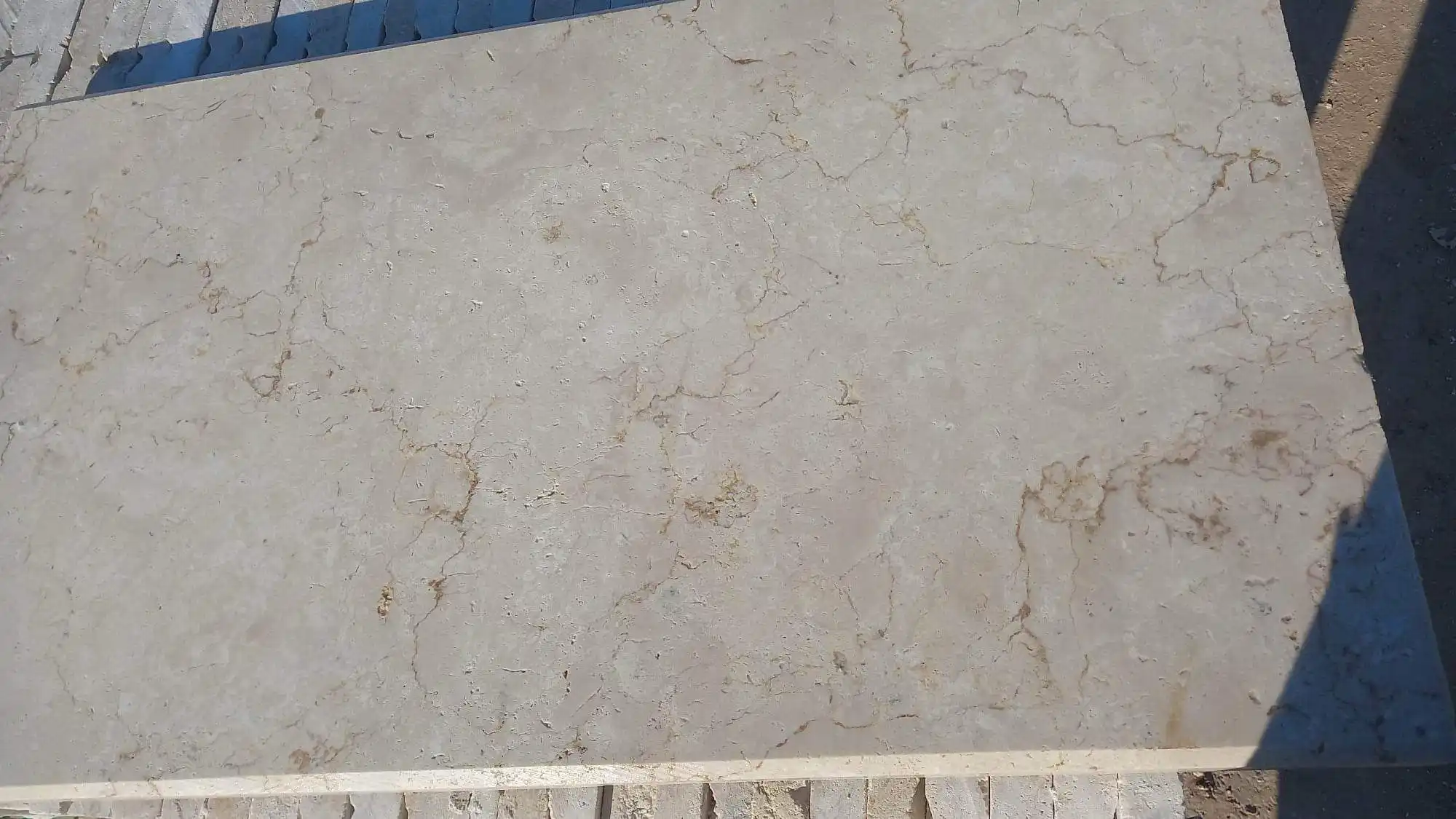
Light-toned travertine from the Citadel Stone collection reflects ambient light well in compact bathrooms, a characteristic that makes rooms feel less enclosed without structural changes.
Related reading: how to polish travertine tile · tumbled stone tile · small travertine tile patterns.