Surface Finish and How It Defines Your Outdoor Space
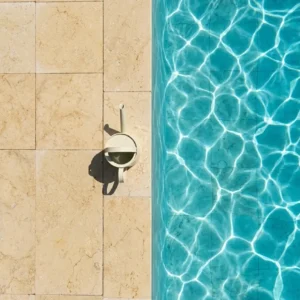
The compressive strength difference between white and black granite is negligible — both exceed 19,000 PSI and perform equally well under structural load. What separates them in white granite outdoor applications is solar reflectance, surface temperature differential, and the visual dynamic each creates across different times of day. White granite reflects 55–70% of incident solar radiation, while black granite absorbs up to 85%, making surface temperature at midday a decisive variable in high-UV outdoor environments, not just an aesthetic footnote.
White Granite Outdoor Performance: What the Numbers Show
Your specification sheet should include surface temperature data alongside compressive strength when comparing these two materials. In direct sunlight, white granite outdoor surfaces typically read 20–35°F cooler than equivalent black granite surfaces — a difference that’s immediately perceptible underfoot and becomes a comfort and safety consideration for barefoot use around pool decks, terraces, and garden pathways. According to Natural Stone Institute granite durability and application specifications, granite’s crystalline structure makes it one of the most dimensionally stable natural stones available, with thermal expansion coefficients between 4.4 and 8.0 × 10⁻⁶ per °F depending on mineral composition.
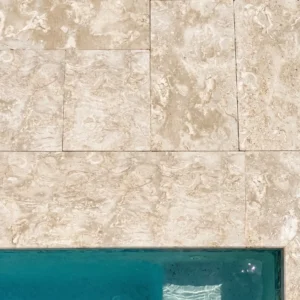
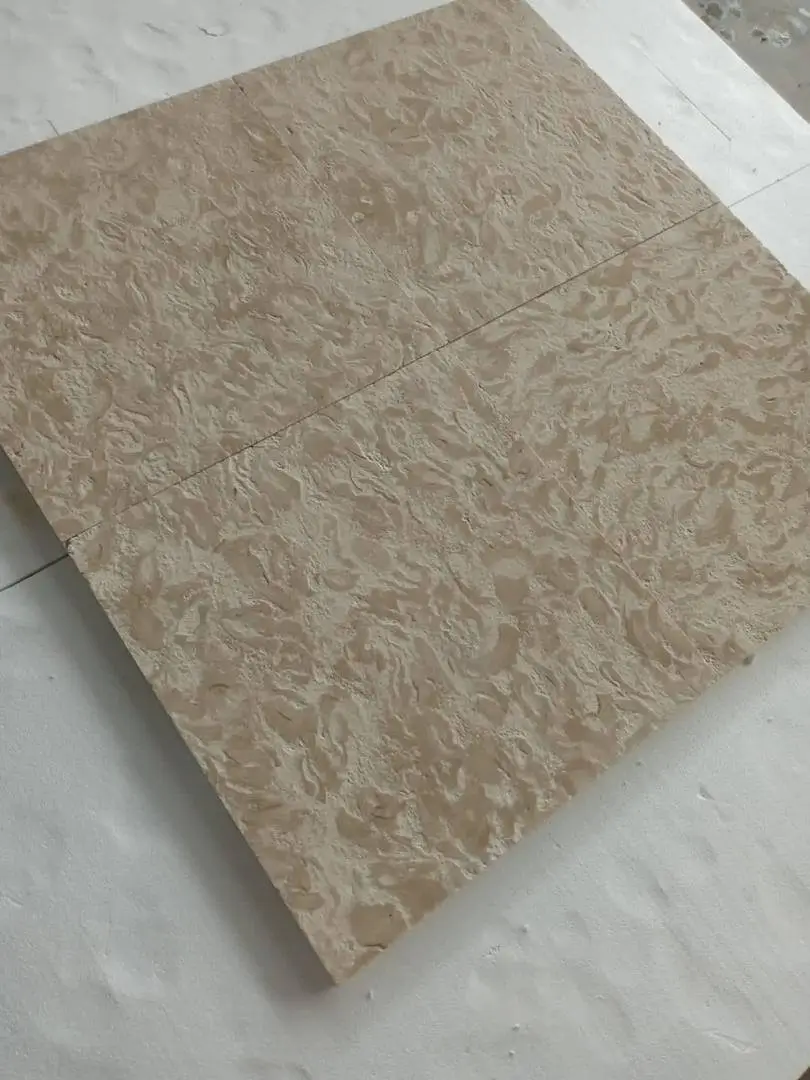
The mineral composition of white granite — dominated by feldspar, quartz, and mica — produces its characteristic pale tone and contributes to a Mohs hardness of 6–7. That hardness translates to excellent abrasion resistance in high-traffic outdoor applications. Your maintenance schedule for white granite outdoor paving should account for the fact that surface etching is not a risk — unlike softer calcareous stones — but iron-bearing minerals in some white granite varieties can develop rust staining if left unsealed in wet exposure zones. Sealing with a penetrating silane-siloxane sealer every 18–24 months is the standard field recommendation.
- Reflectance index: white granite 55–70% vs black granite 15–25%
- Surface temperature differential at midday: 20–35°F cooler for white granite
- Compressive strength: both exceed 19,000 PSI — structurally equivalent
- Mohs hardness: 6–7 for both, excellent scratch and abrasion resistance
- Sealing cycle: penetrating silane-siloxane every 18–24 months for both colors
Black Granite Outdoor Performance: Strengths and Trade-Offs
Black granite’s dense, fine-grained structure — typically composed of gabbro, basalt, or dolerite minerals — gives it exceptional resistance to freeze-thaw cycling, making it a strong candidate for outdoor applications in regions that experience repeated sub-zero temperature swings. Its water absorption rate is often lower than white granite varieties, frequently below 0.2%, which matters significantly for long-term durability in wet exposure conditions. ASTM C615 granite dimension stone quality standards set maximum water absorption at 0.4% for dimension stone classified under this specification — quality black granite consistently performs well below that threshold.
The trade-off is thermal mass. Black granite accumulates heat through the day and releases it slowly after sunset, which can make evening outdoor spaces uncomfortably warm in hot, dry climates. For shaded patios, covered terraces, or garden spaces with substantial tree canopy, this thermal mass penalty diminishes considerably. Your project context — sun exposure angle, canopy coverage, intended use hours — determines whether black granite’s heat absorption becomes a genuine problem or a manageable trade-off.
- Water absorption typically below 0.2% — superior moisture resistance
- Freeze-thaw resistance: excellent, suitable for cold-climate outdoor applications
- Thermal mass: absorbs and retains heat — reduces evening comfort in sun-exposed areas
- Visual effect: high contrast with light-colored surroundings, dramatic at night with lighting
- Maintenance: shows mineral deposits and hard water marks more visibly than white granite
Slip Resistance: Finishing Matters More Than Color
Here’s what most specifiers miss: slip resistance has very little to do with stone color and almost everything to do with surface finish. A polished white granite outdoor paving slab and a polished black granite slab present essentially the same wet-weather slip risk — both will read below the 0.42 coefficient of friction threshold that ADA outdoor paving surface accessibility requirements reference for accessible exterior routes. Specify flamed, bush-hammered, or sandblasted finishes for both colors in wet-exposure zones, and your slip resistance performance will be adequate regardless of which granite you select.
Flamed finishes work particularly well for white granite outdoor applications because the thermal treatment opens the surface texture without significantly altering the pale mineral color. For black granite, a bush-hammered finish tends to produce a more aesthetically consistent result — the mechanical texturing creates a uniform matte surface that maintains visual depth while achieving adequate grip. Your finish specification should be driven by the intended traffic pattern and exposure conditions, not by color preference.
Design Context and Visual Impact Across Outdoor Settings
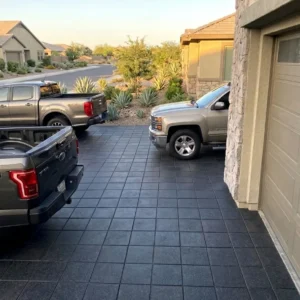
The visual hierarchy these two materials create in an outdoor space operates in opposite directions. White granite outdoor paving expands perceived space — pale, reflective surfaces make compact courtyards, narrow pathways, and enclosed garden areas feel larger and more open. This makes white granite the stronger choice for smaller outdoor footprints where spatial generosity is a design priority. Black granite compresses visual space and adds weight, which reads as architectural gravitas in formal garden settings, grand driveways, and statement water features.
Consider how each material performs across changing light conditions. White granite shifts from warm cream in morning light to cool silver-white at midday and back to amber at dusk — a material that reads differently across the day, which can either enrich or complicate your design depending on the palette around it. Black granite is more consistent — it deepens after rain and creates strong contrast against light-colored architectural elements, timber decking, or pale rendered walls. Your lighting design also interacts differently with each: grazing light across white granite reveals texture; low-voltage uplighting on black granite creates dramatic reflection and depth.
Budget, Sourcing, and How Material Origin Affects Your Total Cost
Material cost alone doesn’t tell the full project story. White granite outdoor applications sourced from quarries in South America, India, or Europe carry freight costs that vary substantially depending on your project’s proximity to major port cities and distribution hubs. For projects closer to the coasts, container freight often represents 8–14% of total material cost. For inland projects, that figure can climb to 20–25% once drayage, warehousing, and regional distribution are factored in. Explore our exterior granite options to compare available stock and confirm current warehouse availability before locking in your project timeline.
Black granite sourced from domestic quarries — primarily in northern and northeastern regions of the country — often carries lower freight costs than imported white granite varieties of comparable quality. However, the premium finish processing that produces a truly consistent black granite slab is typically performed overseas, which reintroduces import freight costs into the equation. The net result is that both colors land within a similar total landed cost range of $12–$28 per square foot ex-works (indicative — final pricing quoted per order and specification) for commercial-grade material, with the spread driven more by finish specification and thickness than by color.
- Freight distance from port to site: add 8–25% to material cost for inland projects
- Warehouse stock availability: confirms whether lead time is 1–2 weeks or 8–12 weeks via import
- Thickness specification: 3 cm vs 2 cm stock can shift material cost by $4–$8 per square foot
- Labor market variation: installation labor rates vary 35–60% between metropolitan and rural markets — factor this into your material-to-labor ratio
- Value engineering option: use premium 3 cm granite in high-traffic zones, 2 cm in lower-load areas to reduce material budget without compromising performance
Citadel Stone maintains warehouse inventory across distribution points nationally, which typically reduces lead times to 1–2 weeks compared to the 6–8 week import cycle that many custom material orders require. For budget-sensitive timelines, confirming truck delivery logistics before project mobilization prevents the schedule delays that inflate labor costs when material arrives out of sequence with site readiness.
Installation Variables That Affect Long-Term Performance
Your base preparation requirements are identical for white and black granite outdoor paving — 4–6 inches of compacted crusher run aggregate for pedestrian applications, 8–10 inches for vehicular loads. What changes between the two materials is the joint grouting specification. White granite outdoor installations require greater attention to grout color selection — standard gray grout reads as a visible grid across pale granite surfaces. A light buff or near-white grout maintains visual continuity and prevents the installation from looking like a tiled grid rather than a stone surface.
Thermal expansion joint placement follows standard granite guidelines — expansion joints every 12–15 linear feet for exterior applications, with a minimum joint width of 3/8 inch filled with UV-stable backer rod and sealant. The expansion coefficient for granite is low enough that under-specifying joint frequency is a more common field error than over-specifying. USGS production data confirms that granite’s dimensional stability under temperature cycling outperforms most competing paving materials, but that stability doesn’t eliminate the need for properly detailed movement joints — it reduces the consequences of minor deviations.
Maintenance Comparison Over a 20-Year Horizon
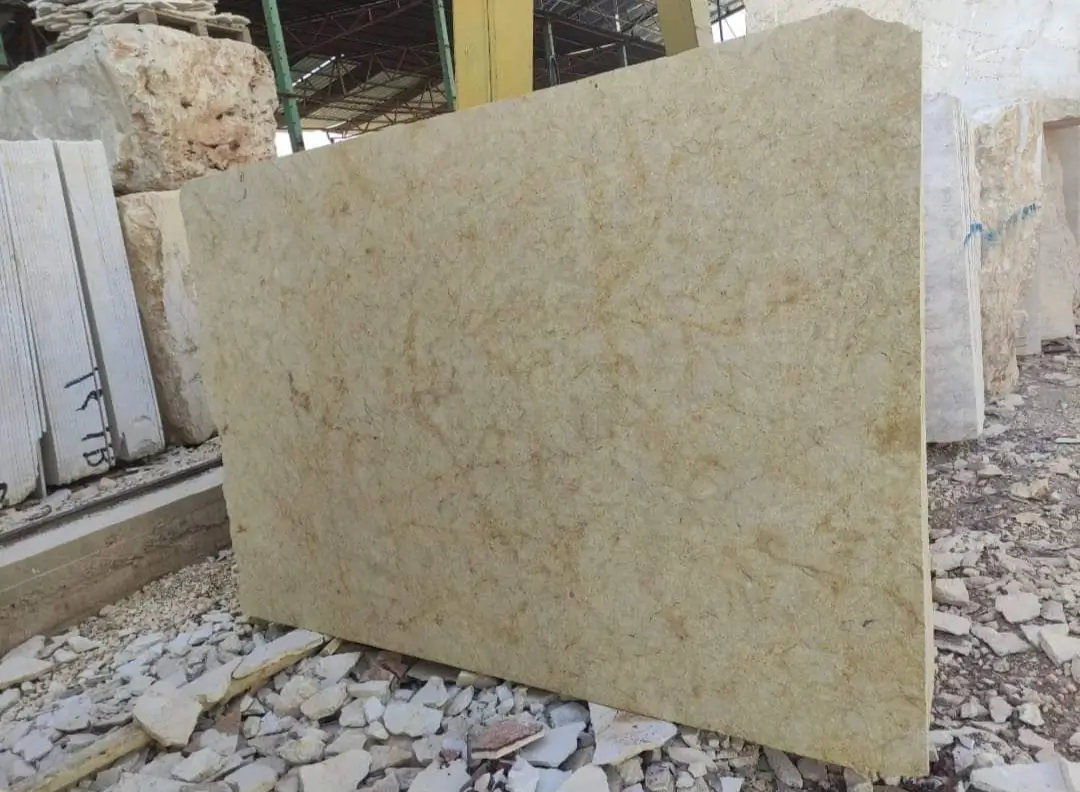
Over a 20-year service horizon, both white and black granite outdoor surfaces require similar maintenance inputs, but the visible consequences of deferred maintenance differ significantly. White granite shows organic staining — leaf tannins, algae, bird deposits — more prominently than black granite. Biannual cleaning with a pH-neutral stone cleaner and a low-pressure rinse prevents surface discoloration from becoming ingrained. Deferred cleaning on white granite surfaces can require professional wet grinding to restore original surface appearance, which represents a significant cost that proactive maintenance eliminates.
Black granite shows mineral deposits, hard water scaling, and efflorescence more readily than white granite — the contrast between white calcium deposits and dark stone is immediate and difficult to ignore. In areas with high-mineral water content, black granite pool surrounds and terrace paving require more frequent surface maintenance than white granite equivalents. Factor in a biannual acid-wash treatment at appropriate dilution — typically 5–8% phosphoric acid — to manage mineral buildup without damaging the stone surface. Both colors benefit from re-sealing every 18–24 months, so the maintenance schedule cadence is effectively the same.
- White granite: monitor for organic staining — address within 30 days to prevent ingrained discoloration
- Black granite: monitor for mineral scaling — treat with diluted phosphoric acid biannually in hard-water areas
- Both: penetrating sealer every 18–24 months, pH-neutral cleaning solution only
- Both: inspect expansion joint sealant every 5 years and replace where cracking or adhesion loss is visible
- Both: expect 30+ year service life with standard maintenance — granite does not degrade under UV exposure
Your Action Plan for White Granite Outdoor Projects
The decision between white and black granite for outdoor applications narrows to three variables: sun exposure, intended use hours, and your project’s design palette. For sun-exposed terraces, pool decks, and garden pathways used during peak heat hours, white granite outdoor paving delivers a measurable comfort advantage that compounds over the life of the installation. For shaded formal gardens, grand driveways, and architectural statement features where thermal accumulation is manageable, black granite delivers a depth and visual drama that white granite cannot replicate.
From a budgeting standpoint, confirm warehouse stock availability for your preferred specification before finalizing project timelines — truck delivery scheduling from stocked inventory compresses lead times from months to weeks and protects your installation schedule. Whichever color you select, specify a minimum 3 cm thickness for outdoor applications, flamed or bush-hammered finish for wet-exposure zones, and expansion joints at 12–15 foot intervals. As you plan your hardscape beyond the main paving surface, complementary stone elements can add layers of design coherence — granite bench options for outdoor spaces explore how Citadel Stone granite performs in seating and accent applications that pair naturally with granite paving projects. Sourced from select natural stone quarries worldwide, white granite outdoor pieces from Citadel Stone hold color well under strong sunlight.
Related reading: Decomposed Granite Front Yard Ideas for Low-Water Yards · How to Install a Granite Driveway: Base to Surface · granite patio paver cost.