The decision between remnant granite slabs vs full slabs often gets framed as a budget question, but that framing misses the real engineering calculus. Slab size determines seam placement, load distribution, and edge detail options — factors that matter as much as price per square foot on any serious countertop or feature specification. Understanding where remnants genuinely outperform full slabs, and where they create costly compromises, is the kind of knowledge that separates a sharp specification from one you’ll be defending six months after installation.
What Defines a Remnant Slab
Remnant granite slabs are the pieces left over after a larger slab has been cut for a specific project — typically a countertop run, island, or feature wall. They’re not offcuts or damaged goods. Most remnants come from high-quality full slabs and carry the same mineralogical composition, density, and finish quality as the parent material. What they lack is size — remnants typically range from 10 to 25 square feet, though you’ll occasionally find pieces pushing 40 square feet at well-stocked stone yards.
The thickness profile of remnants mirrors full-slab inventory. You’ll encounter the same 3/4-inch, 1 1/4-inch, and 1 1/2-inch nominal thicknesses. The critical variable is dimensional predictability — with a remnant, you’re working around an existing perimeter rather than cutting from a clean full sheet. That constraint shapes every aspect of the specification that follows.
Full Slab Dimensions and What They Unlock
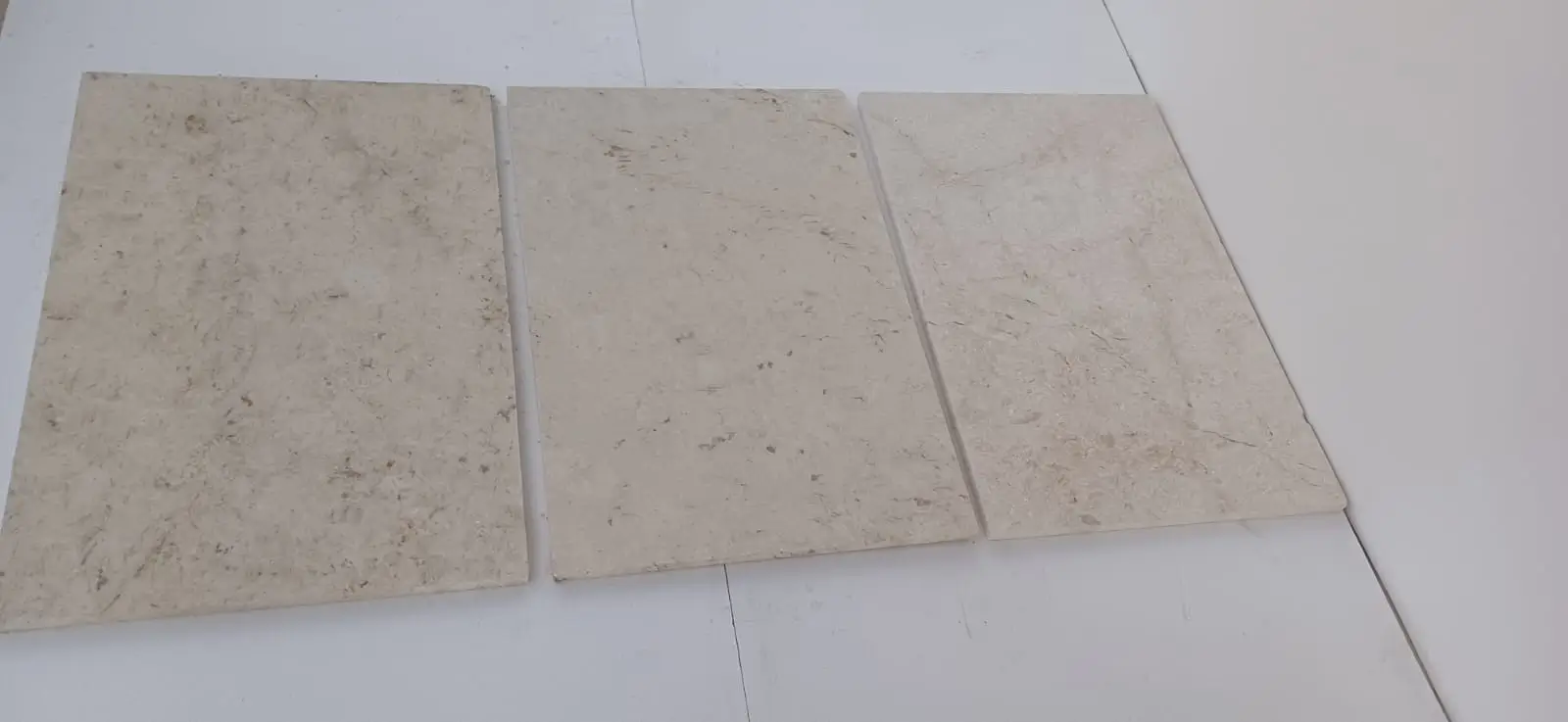
Full granite slabs typically arrive at 55 to 65 inches wide and 100 to 130 inches long, though slab dimensions vary by quarry origin and block yield. That sheet size gives fabricators the freedom to orient book-matched veining, position pattern flow without compromise, and eliminate seams on countertop runs up to 10 feet. For kitchen islands over 48 inches in either dimension, full slabs are almost always the correct specification choice — not for aesthetic reasons alone, but because seam placement on granite countertops affects long-term structural integrity under point loads and thermal cycling.
Black granite slabs for sale in full-slab format also offer superior color consistency across a single installation. Black granites — particularly absolute black and galaxy variants — show veining deviation more visibly than lighter stones, and matching remnants across two separate pieces introduces a real risk of tonal mismatch that’s difficult to assess until both pieces are in place under natural light.
- Full slabs allow seam-free fabrication on runs up to approximately 110 inches
- Vein orientation and pattern flow remain consistent across the entire installation
- Fabricators have full control over edge profile placement and cutout positioning
- Color matching is guaranteed within a single slab — no lot variation risk
- Full slabs simplify large-format feature wall applications where continuity matters
Where Remnant Granite Outperforms Expectations
Remnant granite slabs for sale are often the smarter specification for compact applications — and not just because of the cost differential. For bathroom vanities under 36 inches, laundry counters, mudroom surfaces, and bar tops under 60 inches, remnants frequently offer better material utilization than cutting a full slab down. You’re not paying for material you’ll never use, and the yield efficiency translates directly to a lower installed cost per project.
The performance characteristics of granite don’t diminish with remnant status. Compressive strength above 19,000 PSI, an absorption rate typically below 0.4%, and a Mohs hardness of 6 to 7 remain consistent regardless of piece size. According to NSI granite durability and application data, granite’s igneous formation produces a uniformly dense matrix that performs identically whether the piece measures 12 square feet or 60. The stone doesn’t know it’s a remnant.
- Vanity tops under 36 inches are ideal candidates — most remnants cover this footprint cleanly
- Fireplace surrounds with defined panel dimensions can often be cut from a single remnant piece
- Bar tops and prep surfaces in ancillary kitchens benefit from remnant cost efficiency
- Outdoor accent applications like built-in grill surrounds often fit remnant dimensions precisely
- Repair and replacement work — where only a small section needs to be matched — frequently sources from remnant inventory
Cost Structure: Remnants vs Full Slabs
The price gap between remnants and full slabs is real, but it’s not uniform. Remnant pricing typically runs 30 to 60 percent below the per-square-foot cost of equivalent full slabs — but the calculation shifts when you factor in fabrication. Full slabs come with fabricator setup costs amortized across a larger area. Remnant jobs, particularly when multiple small pieces are required to cover a layout, can accumulate per-cut charges that erode the material savings.
Your real cost comparison should be total installed cost, not raw material price. A single remnant covering a 22-square-foot vanity top at 45 percent below full-slab rate represents genuine savings. Two remnants stitched together with a seam to cover that same surface — because no single remnant was large enough — costs you the seam fabrication, introduces a potential weak point, and eliminates one of the primary reasons you specified granite in the first place. Run the full math before committing to the remnant path on any project over 20 square feet.
Seam Placement and Structural Considerations
Seam placement is where the remnant granite slabs vs full slabs decision becomes a structural specification, not just a design preference. Granite’s flexural strength — typically 1,500 to 2,500 PSI — means unsupported seams over cabinet voids or sink cutouts create stress concentration points that can propagate microfractures over time. Full slabs allow fabricators to position seams away from these vulnerability zones; with remnants, seam location is often dictated by piece geometry rather than engineering logic.
Building codes reinforce this concern in certain applications. The International Building Code’s structural requirements for countertop assemblies in commercial installations — particularly in high-occupancy kitchens and food service environments — specify maximum unsupported spans and edge overhang limits that influence slab thickness selection. A 3/4-inch remnant that looks cost-effective on paper may require additional substrate reinforcement to meet the overhang limits your jurisdiction enforces, adding back the cost differential you thought you were capturing.
For residential applications, ASTM C615 granite dimension stone quality standards establish minimum flexural strength thresholds that both remnants and full slabs must meet — the standard doesn’t distinguish by size. What matters is that your fabricator accounts for support geometry relative to the piece size, particularly when spanning sinks or cooktops.
- Seams should never fall directly over sink cutouts or unsupported overhangs
- Minimum 1 1/4-inch thickness is recommended for spans exceeding 24 inches between support points
- Overhang limits of 6 to 8 inches without corbel support apply regardless of slab origin
- Commercial specifications may require engineered substrate documentation — factor this into remnant feasibility assessments
Material Selection for Specific Project Types
Remnant and full-slab suitability varies by application in ways that go beyond size. Kitchen countertop replacements covering multiple surfaces — including an island, perimeter runs, and a butler’s pantry — almost always require full slabs for color consistency and to keep seam count manageable. Attempting to source three or four matched remnants for this scope is a logistics challenge that frequently fails when pieces from different lots show tonal variation under different lighting conditions.
You can explore granite slabs from Citadel Stone in both full-slab and remnant inventory, which gives you the flexibility to source the right format for each specific application rather than defaulting to one approach across an entire project.
Outdoor applications introduce a different set of variables. Granite used for exterior feature elements — outdoor kitchen counters, fire pit caps, garden bench tops — faces thermal cycling that stresses seams more aggressively than interior applications. Full slabs eliminate seams in these high-stress outdoor environments. In freeze-thaw regions, a seamed granite assembly with even minor water infiltration at the joint can experience progressive damage as moisture expands and contracts through seasonal cycles. The USGS dimension stone production data confirms that granite’s low absorption rate — typically under 0.4% — makes it among the most freeze-thaw resistant natural stones available, but that advantage is partly negated at seam lines where adhesive bond performance, not stone density, controls moisture ingress.
Sourcing Remnants: What to Inspect Before You Buy
Remnant granite shopping requires a hands-on evaluation that full-slab sourcing partially offsets through consistent mill-to-yard quality control. Here’s what to look for when reviewing remnant inventory in person.
- Check all four edges under raking light — edge chips and microfractures from prior cutting may limit your usable layout area
- Wet the surface before evaluating color — dry remnants often look lighter than their finished, sealed appearance
- Measure actual dimensions carefully, not the nominal size listed on the tag — remnant geometry is rarely perfectly rectangular
- Inspect for active vein fractures by holding the piece up to light at a low angle — hairline fractures that run through the body are a disqualifying defect
- Confirm finish consistency across the full surface — some remnants have been partially polished or show burn marks from prior fabrication
- Ask for lot documentation if color matching across multiple remnants is required — pieces from different lots won’t guarantee tonal consistency
At Citadel Stone, our warehouse team performs a physical inspection on each remnant piece before it enters available inventory — checking for edge integrity, surface defects, and finish consistency so you’re not discovering problems on the fabrication table. That step matters more than most buyers realize until they’ve sourced from a yard that skips it.
Logistics, Lead Times, and Project Planning
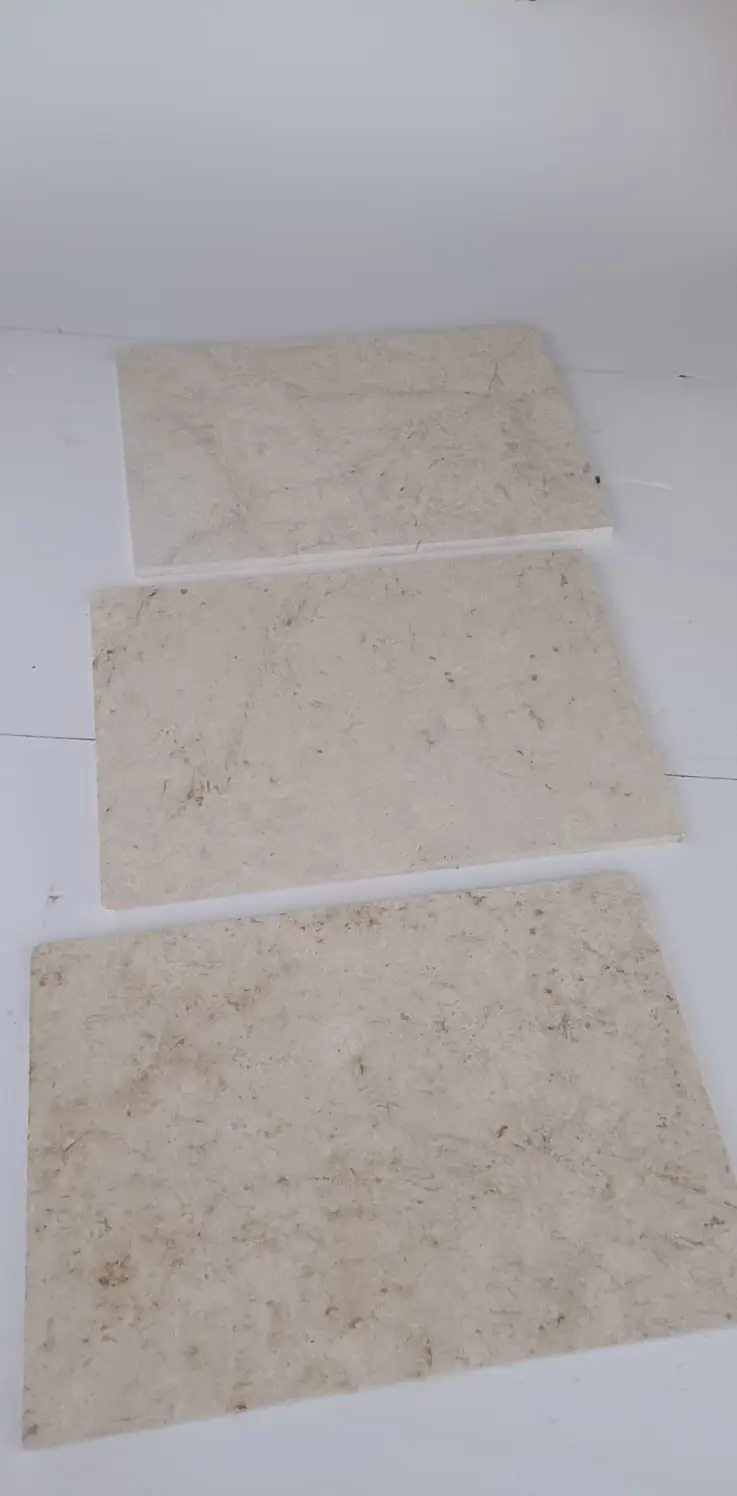
Full slabs typically carry longer lead times when sourced through import channels — 6 to 10 weeks from quarry to fabrication is common for specialty granite varieties. Remnant inventory, by contrast, is on-hand and ready to cut, which is a meaningful advantage for projects with tight schedules. Renovation work that needs to minimize kitchen downtime is a natural fit for remnant sourcing when the dimensions line up.
Truck delivery logistics differ between formats as well. Full slabs require A-frame racks and specialized freight handling — your job site needs adequate truck access and unloading clearance, typically a minimum 14-foot clearance height and a flat surface for the delivery vehicle to position safely. Remnants, depending on quantity and size, can sometimes be transported in a standard enclosed truck, which simplifies delivery logistics for urban sites with access constraints. Verify your site’s truck access specifications with your supplier before finalizing your order format.
According to USGS dimension stone production and use data, granite consistently represents one of the highest-volume dimension stone categories in the USA — which means warehouse inventory depth for both full slabs and remnants is generally robust across reputable national suppliers. That supply depth supports tighter project timelines when you’re sourcing from a supplier with genuine warehouse stock rather than a broker model.
What Matters Most in the Remnant Granite Slabs vs Full Slabs Decision
The remnant granite slabs vs full slabs decision ultimately comes down to three variables: your project’s dimensional footprint, your seam tolerance, and your timeline. For compact single-surface applications under roughly 25 square feet, remnants deliver equivalent stone performance at a meaningfully lower material cost — the savings are real and the quality trade-off is zero when the piece geometry fits the layout cleanly. For multi-surface kitchen projects, large islands, or any application where seam placement is structurally or aesthetically critical, full slabs are the correct specification. The cost differential doesn’t justify the engineering compromises that forced seam placement creates in high-use surfaces.
Structural considerations — particularly in commercial environments where code requirements dictate span limits, substrate reinforcement, and edge detail specifications — often make full slabs the only technically defensible choice regardless of budget preferences. Plan your specification around the structural constraints first, then optimize for cost within those boundaries. As your project planning extends to complementary hardscape elements beyond interior stone surfaces, natural stone for driveways and exterior surfaces covers another dimension of stone specification worth reviewing for cohesive project planning. Buyers working on compact countertop projects often find Citadel Stone remnant pieces sized precisely for single-vanity installations.