Why Stone Selection Defines Longevity
Material density and porosity relative to base conditions are the variables that separate a stone wall garden border lasting three decades from one that begins heaving after five years — and that decision must be made before a single stone is laid. Dense, low-absorption stones resist the compressive cycling that loosens borders over time, while softer, more porous options may look identical on day one but deteriorate progressively where moisture infiltration meets ground movement. Your stone wall garden border deserves that level of scrutiny at the selection stage, not after problems surface.
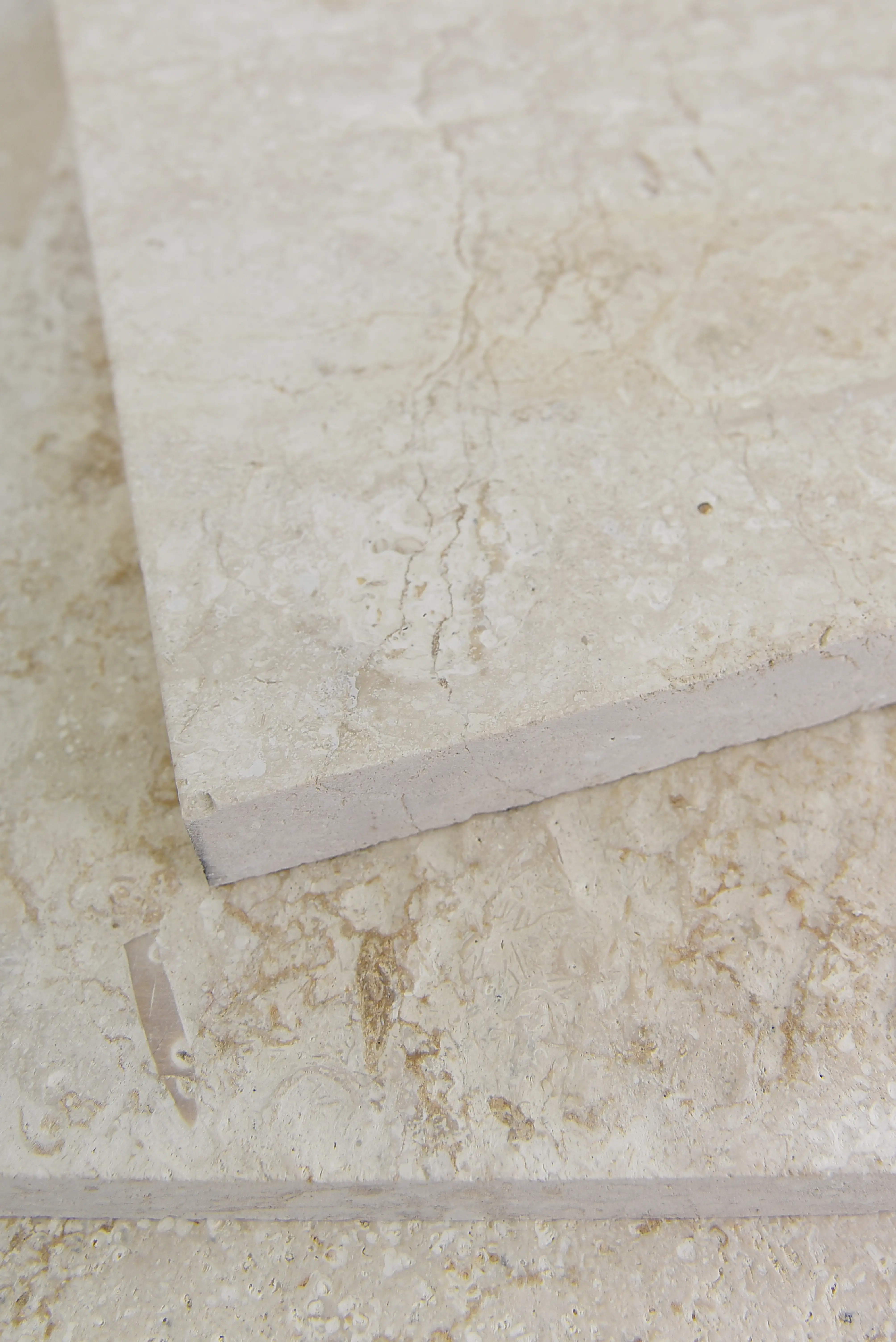
Stone Types Worth Specifying for Garden Borders
Not every natural stone performs equally in a garden border context. You’re dealing with soil contact, seasonal moisture, and occasional physical loading from maintenance equipment — conditions that separate durable materials from decorative ones that fail early.
- Granite border stones deliver compressive strength well above 15,000 PSI, making them the benchmark for high-traffic garden edges and formal landscape borders
- Limestone edging stones offer excellent workability and visual warmth, though you’ll want absorption rates below 3% for ground-contact applications to limit moisture uptake
- Basalt garden wall edging stones are exceptionally dense and resist biological staining — a real advantage in shaded, moisture-retentive beds
- Sandstone and softer sedimentary options look appealing but tend to delaminate along bedding planes after repeated wet-dry cycles, especially in high-rainfall regions
- Quartzite stands out where hardness is the priority — it’s one of the most abrasion-resistant options available for garden borders under heavy foot traffic
For most residential and commercial garden wall projects, limestone and granite cover roughly 80% of specification needs. The choice between them comes down to the visual language of the surrounding landscape and the specific loading conditions your border will face. According to Natural Stone Institute stone variety specifications, material selection based on end-use conditions — not aesthetics alone — is the foundation of long-term performance in outdoor hardscape applications.
Outdoor Stone Wall Design Ideas That Actually Hold Up
There’s a wide gap between outdoor stone wall design ideas that photograph well and those that perform structurally across seasons. The most durable approaches share a few consistent principles regardless of the stone species chosen.
Dry-Stack vs. Mortared Borders
Dry-stack borders — stones laid without mortar — allow natural drainage and minor ground movement without cracking. They’re the preferred approach where soil expansion is a factor, and they’re more forgiving of seasonal frost cycles. The trade-off is that dry-stack requires larger, heavier stones with sufficient mass to resist lateral displacement. The minimum recommended stone weight for a dry-stack garden wall border is around 40 lbs per running foot of border height for stability.
Mortared borders offer tighter aesthetics and work well for formal garden designs where the joint lines contribute to the visual pattern. The specification challenge with mortared garden border walls is accounting for thermal movement — mortar joints need to be sized and positioned to prevent cracking as the stone expands and contracts. A 3/8-inch joint using Type S mortar with an appropriate admixture for exterior exposure handles this adequately in most conditions.
Height and Coursing Considerations
Garden borders under 18 inches are primarily aesthetic and drainage structures. Anything above 24 inches starts to behave more like a retaining wall, which changes both your material and structural requirements significantly. Once you cross that threshold, considerations around batter (the backward lean of the wall face), drainage backfill, and potentially engineered backing become directly relevant — and code requirements follow.
Building Code and Structural Requirements for Stone Garden Walls
Here’s where a lot of landscape projects run into trouble — the assumption that a garden wall is too small to trigger code review. That’s not always accurate. Many jurisdictions draw the line at walls 30 inches or taller, above which permit requirements, frost line depth compliance, and sometimes engineered drawings become mandatory. The local authority having jurisdiction (AHJ) sets that threshold, and it varies enough that the 30-inch figure shouldn’t be assumed universal.
For stone wall garden border installations that approach or exceed that threshold, several structural factors become specification requirements rather than recommendations. The IBC Chapter 21 masonry and natural stone wall standards provide the national baseline for material thickness, mortar specification, and lateral load resistance — though local amendments can and do modify these requirements. The Masonry Society also publishes detailed wall stone construction standards that address natural stone specifically, covering everything from base preparation to coursing geometry for load-bearing applications.
- Frost line depth determines your footing depth — in freeze-thaw regions, footings that don’t extend below the frost line will heave seasonally, destabilising the entire border
- Seismic zones require additional consideration for mortared walls, including horizontal reinforcement in taller installations
- Base compaction standards typically require a minimum 4-inch compacted aggregate subbase for freestanding garden border walls, with 6 inches recommended where clay-heavy soils are present
- Stone thickness for structural garden borders should be a minimum of 4 inches nominal — 6 inches where the wall serves any retaining function
- Drainage backfill (gravel or crushed stone) behind any wall with a soil-retention function is a code requirement in most jurisdictions, not just a best practice
Even for walls well below permit thresholds, following code-derived base preparation standards produces measurably better long-term performance. The engineering logic doesn’t stop applying just because the inspector isn’t looking.
Garden Paving Stones Ideas for Integrated Border Design
The most cohesive garden designs treat the stone wall garden border and the adjacent paving as a coordinated material system, not two separate decisions. Matching or complementing your border stone with your garden paving stones creates visual continuity — and, more practically, it simplifies material logistics and typically reduces waste from off-cuts.
For exploring the full range of options and matching border stone with compatible garden paving stones ideas, browse our natural stone border range — it covers the dimensional stone types that work across both border and paving applications. When your border and paving come from the same stone family, the tonal variation across pieces is far more predictable, and you avoid the mismatched-batch problem that shows up years later as borders and paths fade at different rates.
- Limestone edging paired with limestone paving slabs produces a unified look and simplifies sealing — one product, one maintenance protocol
- Granite border stones coordinate well with basalt or dark limestone paving where contrast is the design intent
- Irregular flagstone borders with matching flagstone path infill create naturalistic, informal layouts that age gracefully without requiring precise alignment
- Tumbled or aged-finish stones for borders with smooth-finish pavers creates deliberate textural contrast — a technique that reads well in formal garden settings
According to ASLA landscape edging and border stone guidance, integrating border material selection with broader paving decisions at the design stage — rather than treating them independently — consistently produces better drainage outcomes and longer-lasting installations.
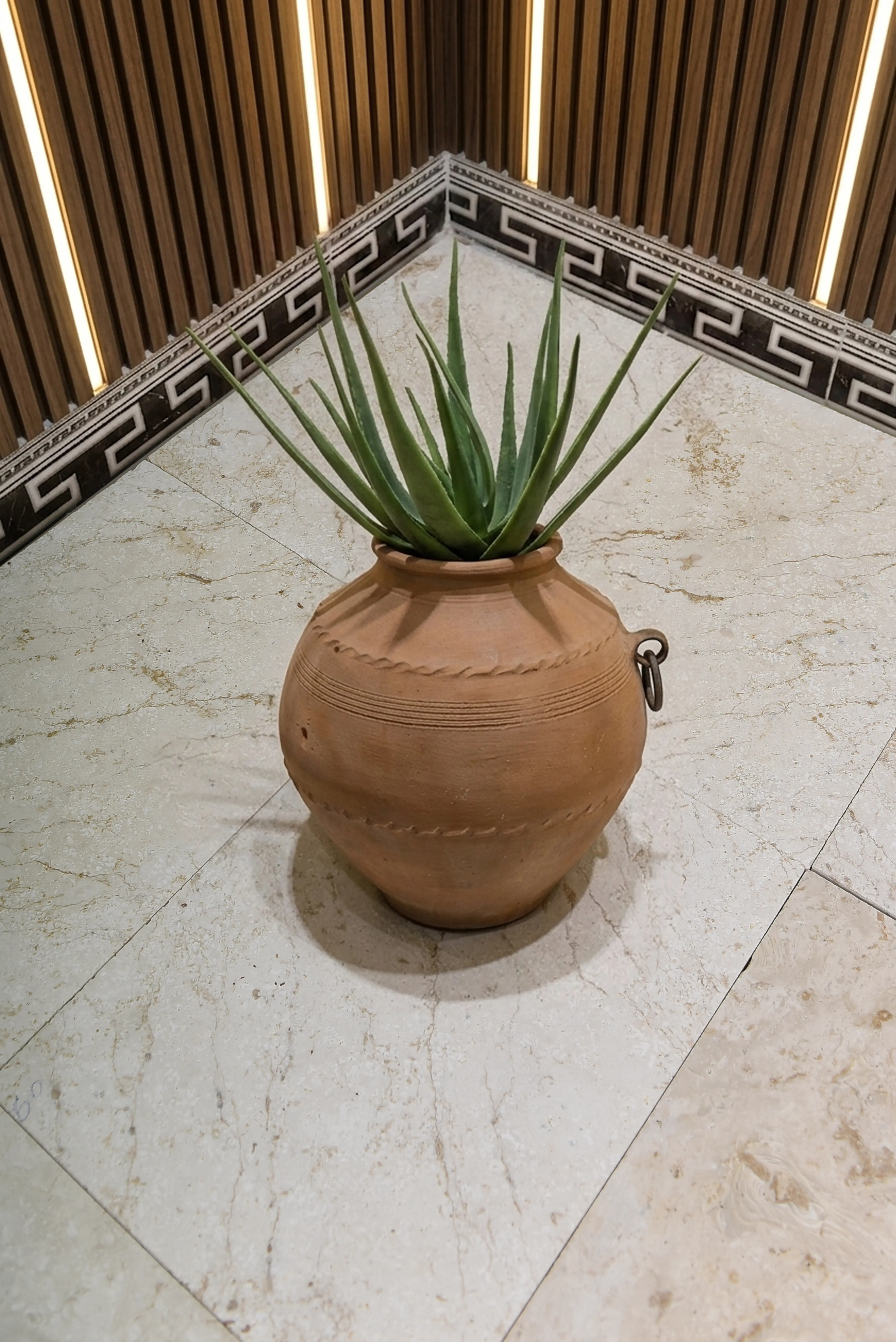
Base Preparation: The Detail Most Borders Miss
A stone wall garden border’s lifespan is determined underground, not at the surface. The most common failure mode in residential garden borders isn’t stone breakage — it’s lateral drift caused by inadequate base preparation. Stones shift, gaps open, and the design integrity collapses within a few seasons, even when the stone itself is perfectly sound.
The base trench for a garden border wall should be excavated to a minimum of 8 inches depth for borders up to 18 inches tall. Fill the lower 4–5 inches with compacted Class 2 aggregate base (3/4-inch crushed stone or equivalent), compacting in two lifts with a plate compactor rather than a single pass. The top layer — the setting bed for the first course of stone — should be coarse, washed concrete sand at approximately 1 inch depth, screeded level before stone placement begins.
- Never set border stones directly on native soil without a compacted aggregate base — even well-draining sandy soils shift seasonally under adjacent garden bed irrigation
- Level your first course to within 1/8 inch over a 4-foot span — deviations at the base course amplify through subsequent courses
- Backfill behind border walls in 4-inch lifts, compacting each lift to avoid settlement-induced lean
- In clay-heavy soils, increase aggregate base depth to 6 inches minimum and consider a geotextile fabric separation layer between native soil and aggregate to prevent clay migration into the base over time
At Citadel Stone, we recommend specifying stone wall garden border materials at least 3 inches thick for the first course — thinner stones on an aggregate base are more susceptible to tipping under lateral soil pressure from adjacent planting beds, particularly where established root systems eventually exert outward force.
Ordering, Logistics, and Lead Times
Project planning for a stone wall garden border needs to account for material lead times, which vary significantly depending on whether you’re sourcing domestically warehoused stock or ordering custom-cut material. Standard border stone profiles — rectangular blocks, irregular rubble, and split-face edging — are typically available from warehouse inventory and can ship within one to two weeks for most order volumes. Custom profiles or large-format pieces may require four to six weeks, particularly for specialty stone types.
Truck access at the delivery site matters more than most clients anticipate. Natural stone is dense — a modest 50-foot garden border installation in 4-inch-thick granite can easily run to 3,000 lbs or more of material. Full-pallet deliveries via truck require adequate driveway clearance and a drop point close enough to the installation area to avoid double-handling. Confirm access dimensions before finalising your delivery schedule, and factor a 10% material overage into your order to account for cuts and any pieces rejected during quality sorting on-site.
Citadel Stone maintains warehouse stock across a range of standard border stone dimensions, which keeps lead times manageable for projects that don’t require custom fabrication. Confirming availability before locking in your installation schedule avoids the common problem of crews arriving on-site before material does.
Maintenance Realities for Natural Stone Borders
Natural stone borders are low-maintenance by design — but “low” doesn’t mean “none.” The maintenance requirements for a stone wall garden border are predictable and manageable when planned for at the specification stage rather than discovered reactively.
- Pointing inspection every 3–5 years for mortared borders — repoint any joints showing recession greater than 1/4 inch to prevent water ingress and freeze-thaw damage to the core
- Sealing dense stones like granite is optional; sealing limestone and more porous stones every 3–4 years limits biological staining and moisture absorption significantly
- Dry-stack borders benefit from an annual inspection for displaced stones — catching and resetting shifted pieces early prevents progressive destabilisation of adjacent courses
- Weed management in dry-stack joints is an ongoing task; polymeric sand in accessible joints reduces weed establishment without eliminating the drainage benefits of the dry-stack approach
- Avoid high-pressure washing on mortared borders — it erodes mortar faster than weather alone and accelerates joint failure
Getting Your Stone Wall Garden Border Specification Right
Getting a stone wall garden border right comes down to three overlapping decisions: material selection matched to site conditions, a base preparation standard that addresses your specific soil type and frost exposure, and a design approach — dry-stack or mortared — that’s appropriate for the wall height and loading conditions you’re actually dealing with. The rest is execution. Shortcut any of those three and you’re engineering a future repair project rather than a lasting landscape feature.
As you refine your specification and think about broader stone garden projects on your property, it’s worth reviewing how material costs break down for similar applications. Natural stone border projects and garden wall installations share many of the same cost variables — stone type, thickness, and profile complexity chief among them. For useful context on budget planning, garden wall stone pricing and options covers the cost factors that affect natural stone selection for wall and border projects. Sourced from our selected premium quarries across multiple continents, Citadel Stone matches tone across every stone wall garden border run.
Related reading: Stone Garden Wall Ideas for Every Yard Style · landscape border wall stone problems · stone garden bench buyers guide.